This blog is a handy guide that helps you streamline your daily tasks, save and grow your money, and get better at handling your feelings. It’s filled with easy-to-follow advice that makes a big difference in how you work, spend, and feel. Dive into our Pioneeredge.io site for practical tips and tricks that make life smoother and more fulfilling.
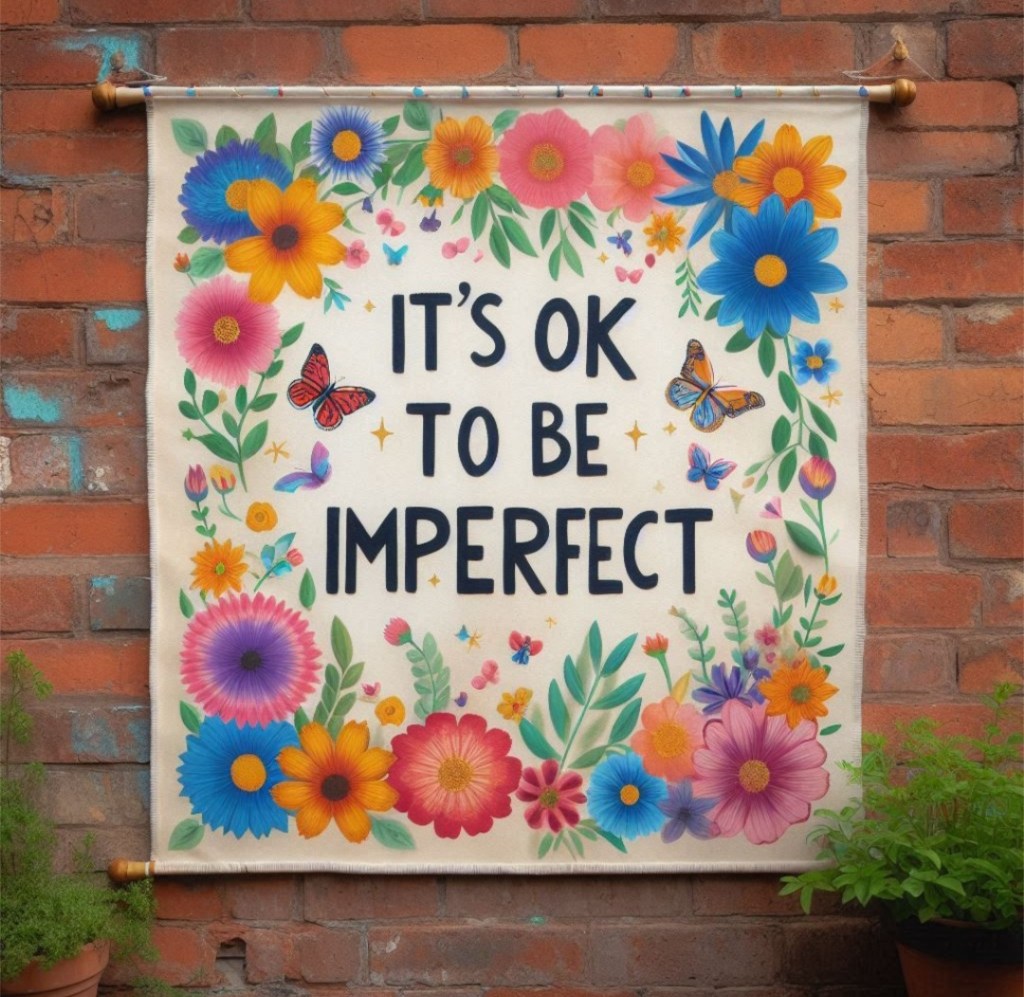
In a world that often glorifies perfection, embracing our imperfections can be a liberating and empowering experience. Here are some simple, realistic points that highlight why it’s perfectly okay to be imperfect:
1. Embrace Your Authentic Self
Realness Over Perfection: Embracing your imperfections allows you to be true to yourself, fostering deeper connections with others.
Unique Stories: Our flaws and imperfections tell our personal stories. They shape who we are and make us unique.
2. Learn and Grow
Mistakes as Learning Opportunities: Imperfections often come with valuable lessons. Each mistake is a chance to learn and grow, paving the way for personal development.
Resilience: Facing and accepting our flaws builds resilience. Overcoming challenges strengthens our character and helps us handle future setbacks more gracefully.
3. Redefine Success
Flawed Yet Thriving: Success doesn’t require perfection. Many successful people have faced failures and setbacks, proving that it’s our efforts and perseverance that count.
Setting Realistic Goals: Instead of aiming for perfection, set realistic and achievable goals. This shift in mindset leads to more sustainable success and happiness.
4. Connect with Others
Shared Imperfections: When we openly share our imperfections, we invite others to do the same. This creates a supportive environment where everyone feels safe to express their true selves.
Building Empathy: Recognizing that everyone has flaws fosters empathy and compassion, allowing us to connect more deeply with those around us.
5. Practice Self-Compassion
Be Kind to Yourself: Treat yourself with the same kindness and understanding that you would offer a friend. Accepting your imperfections is a form of self-love.
Mindfulness: Practicing mindfulness helps us stay present and appreciate ourselves as we are, rather than how we think we should be.
6. Challenge Perfectionism
Letting Go of High Standards: Perfectionism can be paralyzing. Challenge the notion that you must meet impossibly high standards to be worthy or successful.
Celebrate Progress: Focus on the progress you make rather than the end result. Celebrate small victories and the steps you take towards your goals.
7. Shift Your Perspective
View Imperfections as Strengths: Sometimes, our flaws can become our greatest assets. They can inspire creativity, innovation, and problem-solving.
A Different Lens: Try to view imperfections as a natural part of life, not something to be ashamed of. This perspective shift can lead to greater acceptance and peace.
Conclusion
Embracing imperfection is a journey, not a destination. It takes time and practice to shift our mindset, but the benefits are profound. By accepting our flaws, we open ourselves up to authenticity, growth, connection, and joy. Remember, it’s perfectly okay to be imperfect—after all, that’s what makes us human.
Steve Jobs once said, “The only way to do great work is to love what you do.” This profound statement underscores the importance of passion in achieving excellence. When you genuinely love what you do, work ceases to be a mere obligation and transforms into a source of fulfillment and joy.
Passion Fuels Excellence
Intrinsic Motivation: When you love what you do, you are naturally motivated to put in the effort and strive for greatness.
Quality Over Quantity: Passion drives you to focus on the quality of your work, aiming for perfection and innovation.
Resilience and Perseverance
Overcoming Challenges: Loving your work helps you persevere through challenges and setbacks.
Quote: “Success is not the key to happiness. Happiness is the key to success. If you love what you are doing, you will be successful.” – Albert Schweitzer
Creativity and Innovation
Thinking Outside the Box: Passionate individuals are more likely to think creatively and come up with innovative solutions.
Quote: “Do what you love, and the necessary resources will follow.” – Peter McWilliams
Fulfillment and Satisfaction
Personal Happiness: Loving your work contributes to overall happiness and satisfaction in life.
Meaningful Work: When you enjoy what you do, your work becomes meaningful and fulfilling.
Inspiration and Influence
Inspiring Others: Passionate work inspires and influences others around you, creating a positive impact.
Leadership: Leaders who love their work inspire their teams to strive for excellence.
Continual Improvement
Lifelong Learning: Passion drives you to continuously learn and improve in your field.
Quote: “Choose a job you love, and you will never have to work a day in your life.” – Confucius
How to Find and Cultivate Your Passion
Self-Reflection
Identify what you enjoy and what makes you feel fulfilled.
Consider your hobbies, interests, and what you are naturally good at.
Experimentation
Try different roles and projects to discover what you truly enjoy.
Don’t be afraid to step out of your comfort zone and explore new opportunities.
Set Goals
Define clear, achievable goals that align with your passions.
Regularly review and adjust your goals to stay aligned with your evolving interests.
Seek Inspiration
Surround yourself with passionate and motivated individuals.
Learn from mentors and role models who love what they do.
Balance and Well-being
Ensure a healthy work-life balance to maintain your passion.
Take care of your physical and mental well-being to stay motivated and energized.
Conclusion
Loving what you do is not just a luxury; it is a necessity for achieving greatness. Passion fuels your motivation, creativity, and resilience, leading to excellence in your work. By finding and cultivating your passion, you can transform your career into a source of joy and fulfillment. Embrace the journey of discovering what you love, and let it drive you to reach new heights in your personal and professional life. Remember, the only way to do great work is to love what you do.
Finding peace of mind is something many people strive for in today’s fast-paced and often stressful world. Peace of mind is a state of mental and emotional calmness, free from worry, stress, and anxiety. Here are some simple points to guide you toward achieving peace of mind:
1. Practice Mindfulness
What it Means: Being present in the moment and fully aware of what you are doing.
How to Do It: Focus on your breathing, observe your thoughts without judgment, and take time to enjoy simple tasks.
Why It Helps: Mindfulness reduces anxiety and helps you appreciate life as it happens.
2. Let Go of Control
What it Means: Accept that not everything is within your control.
How to Do It: Focus on the things you can influence and let go of what you can’t.
Why It Helps: Trying to control everything creates stress. Letting go brings relief and clarity.
3. De-clutter Your Mind
What it Means: Freeing your mind from unnecessary thoughts and worries.
How to Do It: Prioritize your tasks, avoid multitasking, and practice relaxation techniques like meditation.
Why It Helps: A cluttered mind leads to overwhelm. Simplifying your thoughts helps reduce stress.
4. Stay Grateful
What it Means: Focusing on the positive things in your life.
How to Do It: Keep a gratitude journal or simply take a few moments every day to reflect on what you are thankful for.
Why It Helps: Gratitude shifts your mindset from focusing on problems to appreciating the good things, creating a peaceful mental state.
5. Limit External Noise
What it Means: Reducing distractions and unnecessary inputs from the outside world.
How to Do It: Take breaks from social media, reduce time spent watching negative news, and create quiet moments in your day.
Why It Helps: Constant noise and distractions prevent peace. A calm environment supports a calm mind.
6. Practice Self-Care
What it Means: Taking care of your physical and emotional well-being.
How to Do It: Exercise regularly, eat healthily, get enough sleep, and take time for hobbies that relax you.
Why It Helps: When you care for your body and mind, you feel more balanced and at ease.
7. Forgive and Let Go
What it Means: Releasing grudges, resentment, and anger.
How to Do It: Practice forgiveness, not just for others but also for yourself.
Why It Helps: Holding onto negative emotions weighs down your peace of mind. Forgiveness lightens your emotional burden.
8. Simplify Your Life
What it Means: Reducing complexity in your daily routines, responsibilities, and thoughts.
How to Do It: Focus on what truly matters to you, say no to unnecessary commitments, and live with fewer material distractions.
Why It Helps: Simplifying your life gives you more space for peace, joy, and relaxation.
9. Focus on Solutions, Not Problems
What it Means: Shifting your mindset to solving issues rather than dwelling on them.
How to Do It: When faced with challenges, ask yourself how you can resolve them rather than worrying about them.
Why It Helps: Focusing on solutions empowers you and reduces feelings of helplessness, leading to a more peaceful mind.
10. Create Balance
What it Means: Striking a balance between work, personal life, and relaxation.
How to Do It: Set boundaries for work hours, spend quality time with loved ones, and make sure to rest and recharge.
Why It Helps: Balance prevents burnout and ensures that all areas of your life contribute to peace rather than stress.
Conclusion
Peace of mind is something that can be achieved by making small, intentional changes in how you think, act, and live. By practicing mindfulness, you can create a mental space free from stress and worry. By simplifying your life, you can create this space. Letting go of control also helps. Focusing on the positives is crucial to achieving this state. Peace of mind is not a destination but a journey, and with consistent effort, you can experience it more and more in your daily life.
In today’s fast-paced world, working women face multiple pressures, both professionally and personally.
One major issue that often affects their confidence is body image and its direct link to self-esteem.
1. What is Body Image?
Body image refers to how a person perceives their own body and how they think others see them.
For working women, maintaining a positive body image can be challenging due to societal standards and media portrayal of “ideal” beauty.
2. The Link Between Body Image and Self-Esteem
Self-esteem is how much we value and feel confident about ourselves.
When a woman has a negative body image, it can directly impact her self-esteem, leading to feelings of inadequacy or insecurity.
3. Pressure from Society
Media often sets unrealistic beauty standards. This can make working women feel that they need to look a certain way to be accepted.
Social media, magazines, and advertisements often highlight physical appearances, leading to comparisons and dissatisfaction with one’s body.
4. Workplace Challenges
Working women feel pressured to meet both professional expectations and societal standards of beauty.
Body image issues can influence confidence levels at work, affecting job performance and professional relationships.
5. The Role of Self-Care
Self-care plays a crucial role in improving body image and self-esteem.
Simple practices like eating healthy, exercising, getting enough rest, and practicing mindfulness can help women feel better about their bodies.
6. Building a Positive Body Image
Shift the focus from appearance to health, strength, and capability.
Surround yourself with positive influences that promote body positivism and self-acceptance.
Engage in activities that make you feel confident and empowered.
7. Importance of Self-Acceptance
Accepting yourself as you are, is key to improving self-esteem.
Understanding that every body is unique and valuable can lead to a healthier, more positive outlook.
8. Encouraging Body Positivism in the Workplace
Promote body-positive conversations and create an inclusive environment where women feel confident and accepted.
Employers can support women by promoting a healthy work-life balance and encouraging positive self-image initiatives.
Conclusion:
Body image and self-esteem are deeply interconnected. For working women, maintaining a healthy balance between the two is vital. This is important for both personal and professional success.
It’s essential to embrace body positivism and foster a supportive environment that encourages self-confidence and well-being.
By addressing these issues and fostering a positive mindset, working women can improve both their self-esteem and overall quality of life.
Anger and frustration are natural emotions, but how we manage them makes all the difference. Controlling these emotions can help improve relationships, mental well-being, and overall quality of life. Here are simple, practical tips to help you manage anger and frustration in real-life situations.
1. Take Deep Breaths
When you feel anger rising, pause and take slow, deep breaths.
Deep breathing helps relax the mind and body by lowering your heart rate.
Inhale deeply through your nose, hold for a few seconds, then exhale slowly through your mouth.
2. Count to 10
Before reacting, count slowly to 10.
This gives you a moment to collect your thoughts and prevents immediate, impulsive reactions.
If needed, count higher or walk away until you calm down.
3. Use Positive Self-Talk
Replace negative thoughts with calming, positive statements like:
“I can handle this.”
“Stay calm, this will pass.”
Positive self-talk helps shift your mindset from anger to problem-solving.
4. Identify Triggers
Recognize the situations or people that trigger your anger.
Avoid these triggers if possible, or plan ahead on how to react more calmly when faced with them.
5. Take a Break
Stepping away from a heated situation can prevent it from escalating.
A short walk, listening to music, or a brief distraction can give you a fresh perspective and cool down your emotions.
6. Practice Empathy
Try to understand the other person’s perspective. This can reduce anger by shifting focus from blame to understanding.
Ask yourself: “What is the other person feeling? Why are they acting this way?”
7. Channel Energy Productively
Engage in physical activities like exercise, walking, or even cleaning when frustrated.
Physical activity releases tension and redirects your energy in a positive way.
8. Express Yourself Calmly
Once you’ve calmed down, express your feelings clearly and respectfully.
Use “I” statements to avoid sounding accusatory, such as, “I feel upset when…”
9. Solve the Problem
Instead of focusing on your anger, work towards finding a solution to the problem.
Break down the issue into manageable steps, and focus on what you can control.
10. Practice Gratitude
Regularly reflecting on the things you are grateful for can reduce overall frustration and improve your mood.
Start or end your day by listing things you appreciate, helping to foster a positive outlook.
Final Thoughts
Learning to manage anger and frustration takes practice, but these simple strategies can help you handle challenging situations more calmly and effectively. Remember, it’s not about suppressing your emotions but managing them in a way that leads to positive outcomes for yourself and others.
Living a simple life is all about focusing on what truly matters and letting go of the clutter—whether it’s physical, mental, or emotional. Here’s how embracing simplicity can transform your life:
1. Less Stress, More Peace
Fewer distractions: A simplified life means fewer things to worry about. When your space is clean and clutter-free, your mind feels clearer too.
More focus on the present: With fewer worries about the past or future, you’ll feel more at ease and enjoy each moment.
Example: Without the pressure of keeping up with trends or buying the latest gadgets, you’ll feel a weight lifted from your mind, allowing you to focus on what truly brings you joy.
2. More Time for What Matters
Less busywork: Simplifying your schedule frees up time. You can say “no” to unnecessary obligations and “yes” to the things you love.
Focus on relationships: When your life isn’t filled with endless tasks, you have more time to nurture relationships with family and friends.
Example: Instead of running from one commitment to another, you can spend a leisurely afternoon with your loved ones, enjoying meaningful conversations without constantly checking the clock.
3. Better Financial Stability
Spend less, save more: A simple life encourages you to cut unnecessary spending. You’ll find yourself saving money by focusing on needs, not wants.
Avoid debt: By living within your means, you can reduce or avoid debt, creating more financial freedom and less stress.
Example: Instead of feeling pressured to buy the latest phone, you can keep using your current one and save that money for meaningful experiences, like a trip or personal growth.
4. Healthier Lifestyle
More focus on self-care: With fewer distractions, you’ll have more time to invest in your physical and mental health.
Simpler, healthier meals: Eating simple, nutritious foods instead of fast, processed meals helps you feel better and more energized.
Example: Cooking a simple, healthy meal at home not only saves you money but also improves your well-being, leaving you feeling energized and refreshed rather than sluggish.
5. Deeper Connections
More meaningful relationships: With less time spent on material pursuits, you can invest more in building genuine connections with people around you.
Real conversations: Instead of mindless scrolling on social media, you can engage in deeper, face-to-face interactions with those who matter.
Example: Instead of texting while having dinner with a friend, you’ll be fully present, which strengthens your bond and makes the experience more rewarding.
6. Freedom from Comparison
Letting go of social pressures: By living simply, you stop comparing yourself to others. You learn to appreciate what you have instead of chasing what others have.
Living for yourself: A simple life helps you focus on your own values and happiness, rather than trying to meet the expectations of others.
Example: When you no longer feel the need to buy the latest fashion trends to impress others, you find joy in dressing in a way that truly reflects your personality and makes you comfortable.
7. More Energy and Focus
Fewer decisions to make: When your life is simple, there’s less decision fatigue. By reducing clutter and focusing on essentials, your mind becomes clearer.
More productive: Simplifying your day helps you focus on what’s most important, making you more effective and less overwhelmed.
Example: Instead of feeling scattered with a long to-do list, you’ll be able to tackle the tasks that truly matter, leaving you with a sense of accomplishment.
8. Closer to Nature
Enjoying the outdoors: A simple life encourages you to spend time in nature. Whether it’s a walk in the park or a hike in the mountains, nature has a calming effect.
Living with less impact: Simplicity often means being more mindful of how you consume resources, which can lead to a more eco-friendly lifestyle.
Example: You’ll find peace by enjoying the beauty of a sunset, feeling the breeze, or appreciating a quiet moment in your garden, rather than rushing to keep up with a busy city life.
9. More Gratitude, Less Want
Appreciating the small things: When you’re not constantly chasing after more, you start to appreciate the little things—like a quiet morning, a good meal, or a kind gesture.
Contentment: Simplifying your life helps you find joy in what you already have rather than always wanting more.
Example: Instead of wishing for a bigger house, you’ll learn to love and make the most of the space you already have, creating a warm, comfortable environment that suits your needs.
10. Increased Creativity
More mental space: A simpler life clears your mind, leaving more room for creativity and innovation.
Time for hobbies: With fewer distractions, you’ll have more time and energy to explore creative outlets like painting, writing, or gardening.
Example: By cutting down on unnecessary commitments, you finally have time to pursue that photography hobby you’ve always wanted to explore, leading to greater personal fulfillment.
Final Thoughts
Living a simple life means more freedom, less stress, and deeper joy. It’s about focusing on what truly matters—whether it’s relationships, health, or inner peace. By letting go of unnecessary distractions and pressures, you’ll create space for the things that bring real value and happiness into your life. The result is a life that feels more genuine, peaceful, and fulfilling.
Criticism is something we all face, whether we’re just starting or already on the path to success. It can come from anyone—friends, family, or even strangers—and while some feedback is helpful, much of it is negative or discouraging. The important thing to remember is that criticism often reflects the critic, not you. You can’t please everyone, and focusing too much on others’ opinions can lead to self-doubt. Instead, stay focused on your goals, believe in yourself, and use challenges to grow.
1. Criticism Happens to Everyone
Everyone gets criticized at some point in life.
The more you succeed, the more people will have opinions.
Remember, even the most successful people were criticized.
Criticism is part of the journey, so don’t take it too personally.
2. Criticism Often Reflects the Critic
Sometimes, people criticize because they are unhappy with themselves.
Criticism can come from jealousy or fear of change.
It often has more to do with the critic’s issues than with you.
Don’t let other people’s insecurities affect your confidence.
3. Don’t Let Negative Feedback Lower Your Confidence
Criticism can make you doubt yourself, but don’t let it.
Focus on your strengths and the progress you’ve made.
Build your self-confidence by reminding yourself of your abilities.
Believe in yourself, even when others doubt you.
4. Separate Constructive Criticism from Destructive Criticism
Constructive criticism helps you improve, so use it to grow.
Destructive criticism is meant to hurt, so ignore it.
If the feedback is helpful, take it. If it’s harmful, let it go.
Learn from what’s useful and forget the rest.
5. Stay Focused on Your Future
Don’t let criticism distract you from your goals.
Stay focused on what you want to achieve.
Keep your future in mind, and don’t let negativity slow you down.
Set clear goals and work towards them every day.
6. Use Criticism as Fuel
Use negative comments to motivate you to work harder.
Turn criticism into energy to keep pushing forward.
Let it remind you why you’re working towards your goals.
Show the critics that you can succeed no matter what they say.
7. Remember Your Achievements
Look back at what you’ve already accomplished.
Let your past success remind you that you can keep going.
Don’t let criticism erase the progress you’ve made.
Focus on how far you’ve come and what you’ll achieve next.
8. Surround Yourself with Positivity
Spend time with people who lift you up and support you.
Positive people will help you stay focused and motivated.
Avoid those who constantly criticize or bring negativity into your life.
A good support system can help you keep moving forward.
9. Keep Improving and Moving Forward
Criticism is just one of the challenges you’ll face.
As long as you’re growing and improving, you’re on the right path.
Keep learning, and don’t let criticism stop your progress.
Move forward, knowing that success will come with persistence.
10. Trust Yourself
Trust your instincts and believe in your abilities.
No one knows your potential better than you.
Stay true to yourself and your goals.
Don’t let anyone else’s opinion define what you’re capable of achieving.
Quote: “Knowing yourself is the beginning of all wisdom.” – Aristotle
Self-awareness is the ability to recognize and understand your own thoughts, emotions, and behaviors.
It helps you identify how you react to different situations and how others perceive you.
Why Self-Awareness Is Important
Quote: “When I discover who I am, I’ll be free.” – Ralph Ellison
It helps you make better decisions, build healthier relationships, and manage emotions effectively.
Example: If you realize that stress makes you impatient, you can take steps to manage stress before it affects your behavior.
Types of Self-Awareness
Quote: “What we perceive about ourselves is greatly a reflection of how we will end up living our lives.” – Stephen Richards
Internal Self-Awareness: Understanding your emotions, values, and goals.
Example: Knowing that you value honesty can help you avoid situations where you feel pressured to be dishonest.
External Self-Awareness: Understanding how others see you.
Example: If people see you as quiet, but you think of yourself as outgoing, you may need to align your self-perception with your actions.
Benefits of Self-Awareness
Quote: “Self-awareness gives you the capacity to learn from your mistakes as well as your successes.” – Lawrence Bossidy
Improved Emotional Control: You can respond to situations more calmly.
Example: When you’re aware that certain topics make you angry, you can prepare to stay calm during difficult conversations.
Better Relationships: Understanding your own needs and recognizing others’ emotions improves communication.
Example: Being aware of your need for personal space helps you set boundaries in relationships.
How to Develop Self-Awareness
Quote: “The unexamined life is not worth living.” – Socrates
Reflect on Your Feelings: Take time to think about your emotions and why you feel them.
Example: After a tough day, reflect on why you felt upset and how you handled it.
Seek Feedback: Ask trusted friends or colleagues how they perceive you.
Example: If a colleague says you seem stressed, it might help you realize you’re overwhelmed and need to make changes.
Practice Mindfulness: Stay present and observe your thoughts without judgment.
Example: During a stressful moment, pause and notice your thoughts instead of reacting immediately.
Common Obstacles to Self-Awareness
Denial: Refusing to acknowledge your flaws or emotions.
Example: Telling yourself you’re always right, even when faced with feedback that suggests otherwise.
Fear of Self-Reflection: Avoiding deeper thinking because you’re afraid of what you’ll find.
Example: Not wanting to admit that you may need to make uncomfortable changes in your life.
How Self-Awareness Leads to Growth
Quote: “Self-awareness is not just relaxation and not just meditation. It must combine relaxation with activity and dynamism. Technology can aid that.” – Deepak Chopra
Recognizing your strengths and weaknesses helps you set realistic goals and improve over time.
Example: If you’re aware that procrastination is a weakness, you can work on time management skills to overcome it.
Conclusion
Quote: “Your visions will become clear only when you can look into your own heart. Who looks outside, dreams; who looks inside, awakes.” – Carl Jung
Self-awareness is the key to personal growth and better relationships.
By understanding yourself, you can make positive changes in your life, handle challenges more effectively, and become the best version of yourself.














 Pioneer Edge