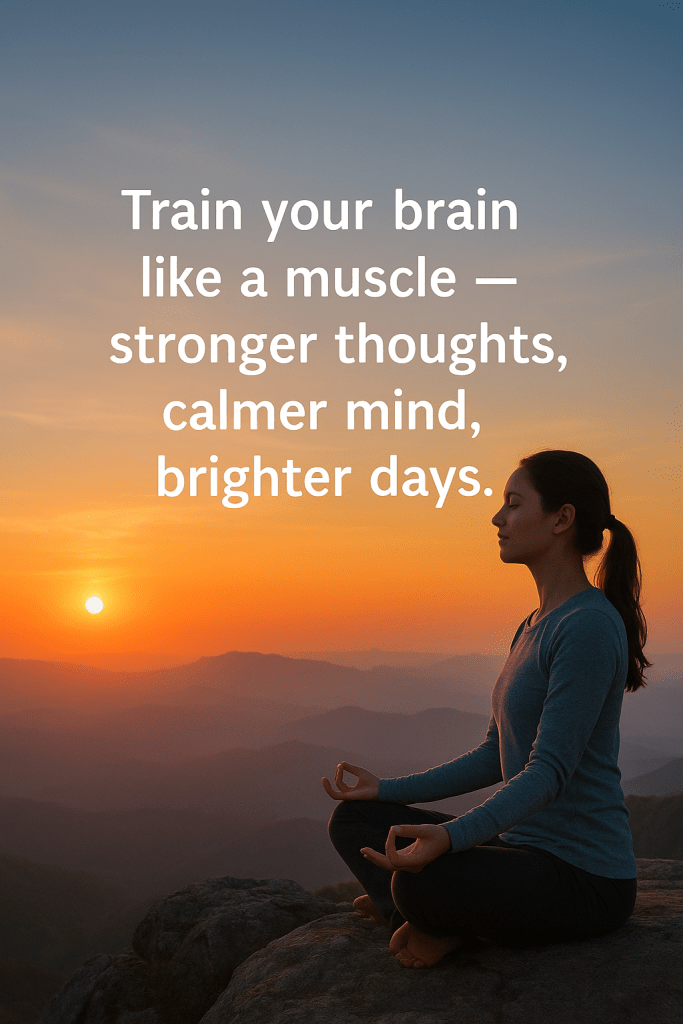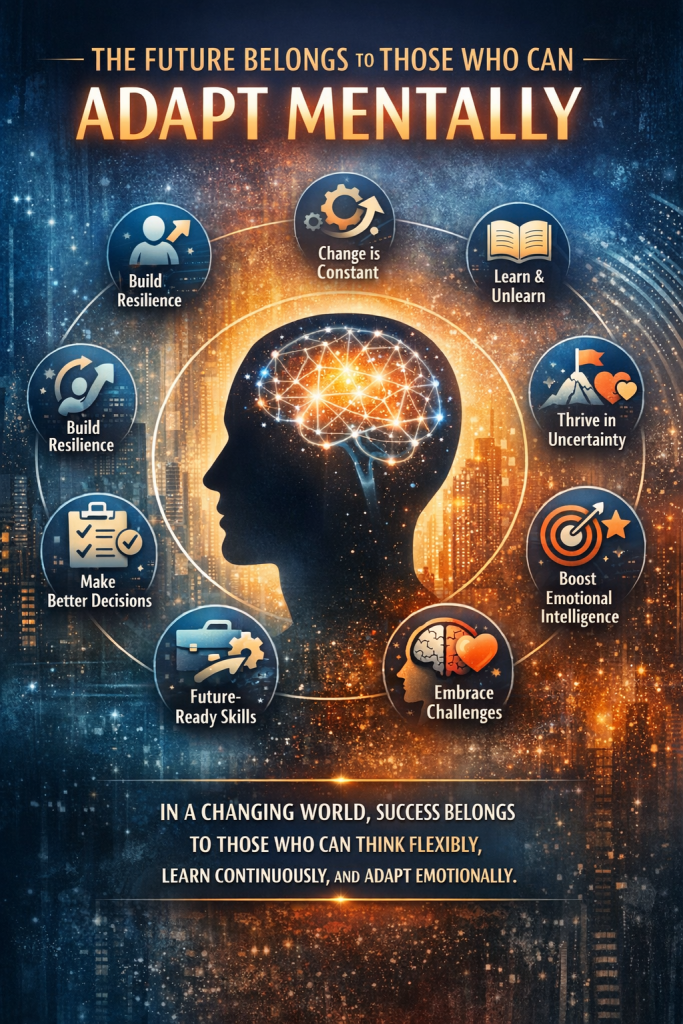
🧠 Mental Fitness: Treating Your Brain Like a Muscle

🌟 Introduction

Just like your body needs exercise to stay strong, your mind also needs regular training to stay healthy, calm, and focused.
Mental fitness isn’t about fixing problems — it’s about building strength, clarity, and emotional balance every day.

💬 “The mind is just like a muscle — the more you exercise it, the stronger it gets.”


💪 1. Train Your Brain Daily

  • Think of your brain as a muscle that grows stronger with use.
  • Do puzzles, read, learn new things, or try something different every day.
  • Challenge your routine to wake up new areas of your mind.

💬 “Great things never come from comfort zones.”


🧘‍♀️ 2. Practice Mindfulness and Meditation

  • Spend at least 10 minutes daily in silence or deep breathing.
  • It reduces stress, increases focus, and helps you stay grounded.
  • Mindfulness teaches you to live in the now, not in the noise.

💬 “Quiet the mind, and the soul will speak.” – Ma Jaya Sati Bhagavati


❤️ 3. Strengthen Emotional Resilience

  • Learn to manage emotions instead of running from them.
  • Focus on what you can control and let go of what you can’t.
  • Positive thinking is mental strength training in disguise.

💬 “You cannot control the waves, but you can learn to surf.”


🧩 4. Keep Learning and Growing

  • Pick up a new hobby, language, or creative skill.
  • Growth keeps your mind flexible and curious.
  • Every new experience builds fresh neural connections.

💬 “Once you stop learning, you start declining.” – Albert Einstein


🥗 5. Fuel Your Brain Right

  • Eat foods rich in omega-3, fruits, vegetables, and nuts.
  • Drink plenty of water and sleep well.
  • A healthy body supports a sharp, peaceful mind.

💬 “Take care of your body — it’s the only place you have to live.” – Jim Rohn


🤝 6. Build Social Connections

  • Talk, share, and connect with positive people.
  • Meaningful conversations boost happiness and mental stability.
  • Laughter and empathy are powerful mental vitamins.

💬 “Connection is the energy that exists between people when they feel seen, heard, and valued.” – Brené Brown


🏃‍♀️ 7. Move Your Body for Mental Strength

  • Walk, dance, or stretch — movement releases happy hormones.
  • Exercise improves focus, memory, and confidence.
  • A fit body supports a fit mind.

💬 “A healthy outside starts from the inside.” – Robert Urich


✍️ 8. Journal and Reflect

  • Write your thoughts to understand your emotions.
  • Journaling helps release mental clutter and find clarity.
  • It’s your daily talk with your inner self.

💬 “Writing is the painting of the voice.” – Voltaire


🌈 9. Rest and Recharge

  • Strength also means knowing when to pause.
  • Sleep, relax, and let your mind recover.
  • Rest is part of progress — not the absence of it.

💬 “Rest and self-care are not wasteful. They are acts of survival.”


🌻 Conclusion

Mental fitness is not about avoiding life’s challenges — it’s about training your mind to stay calm, confident, and creative through them.
Like your body, your brain becomes stronger with consistent care and attention.
Start small, stay steady, and your mental strength will grow — one thought at a time.

💬 “The mind is everything. What you think, you become.” – Buddha

From Resistance to Release: Learning to Trust Life’s Flow

🌸 Introduction

Life often feels like a river — sometimes calm, sometimes stormy. Yet, instead of floating, we often resist the current, trying to control everything. This resistance creates stress and exhaustion. True peace begins when we release control and learn to trust life’s natural flow.


💧 1. Resistance Creates Tension

  • When we cling too tightly to expectations, we struggle.
  • Resistance is like swimming against the current — tiring and frustrating.
  • Life is not meant to be forced; it is meant to be lived.

“What you resist, persists. What you accept, transforms.”


💧 2. The Power of Release

  • Release is not giving up; it is letting go of unnecessary struggle.
  • It means surrendering what you cannot control.
  • Trust that every setback is a redirection toward growth.

“Surrender is not weakness; it is strength aligned with wisdom.”


💧 3. Trusting the Flow

  • Life has its own rhythm — just like seasons, tides, and sunrise.
  • Trusting the flow means believing that life carries lessons, opportunities, and healing.
  • Sometimes, what looks like an ending is actually a beginning.

“Trust the process, even when the path is unclear.”


💧 4. Practical Ways to Flow with Life

  • Practice mindfulness – be present instead of worrying about tomorrow.
  • Breathe deeply – calm your mind when overwhelmed.
  • Write a gratitude journal – focus on what’s working.
  • Release control – accept that not everything is in your hands.

🌸 Conclusion

Moving from resistance to release is a journey. When we stop fighting life and start trusting its flow, we discover inner peace. Life is not about controlling the current but learning to float gracefully with it.

“Flow with life, and life will flow through you with peace.”

Design Your Tomorrow: Habits That Shape a Better You

✨ The life you want tomorrow is built on the choices you make today. Developing the right habits can transform your mindset, health, and future. Here are some simple habits to shape a better you:


1. Start Your Day with Intention

  • Wake up early and avoid rushing.
  • Spend a few minutes planning your day.
  • Set 1–2 top priorities instead of an overwhelming list.

2. Practice Gratitude

  • Write down 3 things you’re thankful for.
  • Gratitude shifts focus from problems to possibilities.
  • It builds positivity and emotional strength.

3. Fuel Your Body Right

  • Eat balanced meals with whole foods.
  • Stay hydrated throughout the day.
  • Avoid excess sugar and processed foods.

4. Move Your Body Daily

  • Even 20–30 minutes of walking, stretching, or yoga helps.
  • Exercise improves energy and mental clarity.
  • Consistency matters more than intensity.

5. Prioritize Learning

  • Read, listen to podcasts, or take short courses.
  • Learning keeps the brain sharp and boosts confidence.
  • Even 10 minutes a day compounds over time.

6. Declutter Your Mind

  • Journal your thoughts to reduce stress.
  • Practice mindfulness or meditation.
  • Create digital boundaries by limiting screen time.

7. Build Strong Connections

  • Spend time with people who uplift you.
  • Practice active listening and empathy.
  • Meaningful relationships improve happiness and health.

8. End Your Day with Reflection

  • Review what went well and what can improve.
  • Celebrate small wins.
  • Prepare for tomorrow with clarity.

Remember:
Small habits shape big results. You don’t need to change everything at once—just start with one habit today. Over time, your daily actions will design a tomorrow you’ll be proud of.

Make It or Break It: Achieve It or Accept It

  1. What Does “Make It or Break It” Mean?
    • A mindset where you either succeed through effort or face the consequences of failure.
    • Encourages determination and perseverance in high-stakes situations.
  2. The Drive to “Make It”
    • Success comes from pushing past challenges.
    • Focus on solutions, learning from mistakes, and adapting to reach your goals.
  3. The Concept of “Achieve It or Accept It”
    • After giving your best, sometimes outcomes are beyond your control.
    • Learn to either achieve your goals or accept the situation gracefully.
  4. Why Acceptance is Important
    • Acceptance is not giving up; it’s understanding when to let go.
    • Helps shift focus to new opportunities or better approaches.
  5. Balancing the Two Mindsets
    • Use “Make It or Break It” to strive for success.
    • Apply “Achieve It or Accept It” to stay resilient when things don’t go as planned.
  6. Lessons for Life
    • Life isn’t always about winning; it’s about learning and growing.
    • Failure is a stepping stone, and acceptance leads to new possibilities.

Conclusion

  • Combine determination and acceptance for a balanced approach to challenges.
  • Strive for success, but know when to adapt and move forward.
  • Life’s journey is about persistence, resilience, and learning from every experience.

The Role of Self-Compassion in Achieving Emotional Well-being and Peace

1. What is Self-Compassion?

  • Self-compassion means being kind and forgiving toward yourself, especially during tough times.
  • Example: If you made a mistake at work, instead of harsh self-criticism, you support yourself by saying, “Everyone makes mistakes.”

2. Why is Self-Compassion Important?

  • It reduces self-criticism, stress, and mental pressure.
  • Example: If you fail an exam, instead of thinking “I’m not good enough,” self-compassion helps you say, “This was tough, but I can improve.”

3. Three Elements of Self-Compassion

  • Self-Kindness: Be gentle with yourself instead of harsh and judgmental.
    • Example: Missing a deadline at work—tell yourself, “It’s okay to make mistakes sometimes.”
  • Common Humanity: Recognize that everyone experiences setbacks.
    • Example: Struggling with weight loss? Remember, many people face the same challenge, and you’re not alone.
  • Mindfulness: Acknowledge your emotions without letting them overwhelm you.
    • Example: After a job rejection, mindfulness helps you accept the disappointment without overthinking it.

4. How Self-Compassion Promotes Mental Peace

  • Reduces Anxiety and Stress: Self-kindness relieves inner turmoil and leads to a calmer mind.
    • Example: After a stressful day, letting yourself rest without guilt reduces stress.
  • Improves Emotional Well-being: Helps you process criticism constructively without internalizing negativity.
    • Example: After receiving feedback at work, focus on learning from it instead of thinking you’re terrible at your job.
  • Boosts Resilience: Enables you to bounce back from challenges without getting discouraged.
    • Example: An athlete who loses a competition views it as a learning experience rather than a personal failure.

5. Practical Ways to Cultivate Self-Compassion

  • Positive Self-Talk: Replace negative thoughts with positive affirmations.
    • Example: Instead of “I’m not good at anything,” say, “I’m learning and improving.”
  • Forgive Yourself: Let go of mistakes and move forward.
    • Example: If you forget a friend’s birthday, forgive yourself and make amends instead of dwelling on guilt.
  • Take Breaks: Allow yourself rest when needed.
    • Example: After completing a big project, take time to relax without feeling guilty.
  • Practice Mindfulness: Stay aware of your emotions without judgment.
    • Example: When overwhelmed, pause and acknowledge your feelings without reacting negatively.

6. Benefits of Self-Compassion for Daily Life

  • Improved Relationships: Self-compassion makes you more understanding and patient with others.
    • Example: Being kind to yourself after a stressful day helps you treat your family with patience.
  • Greater Happiness: Encourages a positive outlook and reduces feelings of inadequacy.
    • Example: Missing a personal goal like exercising becomes an opportunity to adjust your approach rather than feeling like a failure.
  • Inner Balance: Helps you stay calm and focused in tough situations.
    • Example: During financial stress, self-compassion allows you to calmly assess and plan without panic.

7. Final Thoughts

  • Practicing self-compassion leads to mental peace and balance.
  • It helps you stay resilient in the face of challenges, and by treating yourself with kindness, you can handle life’s ups and downs with a peaceful mind.

Expecting the Unexpected: Embracing Life’s Surprises

Life is Unpredictable

  • No matter how much we plan, life is full of surprises. Things rarely go exactly as we expect. Learning to expect the unexpected helps us navigate life with more ease and flexibility.

Why You Should Expect the Unexpected

  • Life’s uncertainties can catch us off guard, but being mentally prepared for surprises reduces stress. When we anticipate that things might not go as planned, we are better equipped to deal with setbacks.

Adopting a Flexible Mindset

  • Being adaptable allows us to handle change with grace. Flexibility means being open to shifting plans and not getting stuck when things don’t go as expected.

Facing the Fear of Uncertainty

  • Uncertainty can be scary, but it’s part of life. Instead of fearing the unknown, embracing it helps build resilience. Letting go of the need for total control allows us to live with less anxiety.

How to Cope with the Unexpected

  • Stay calm: Take a deep breath and assess the situation.
  • Stay focused: Focus on the aspects you can control.
  • Find solutions: Look for ways to solve the problem rather than stressing about it.

Positivity in Unexpected Situations

  • Not all surprises are bad. Even in difficult situations, maintaining a positive mindset helps us see opportunities and lessons in what’s happening.

Building Resilience Through Experience

  • The more we face the unexpected, the stronger we become. Resilience is developed by overcoming challenges, making us more prepared for future surprises.

Learning from Unforeseen Events

  • Unexpected situations often provide valuable lessons. Each surprise teaches us something new, helping us grow and become more adaptable in the future.

Letting Go of Control

  • Trying to control everything can be exhausting. When we accept that life is unpredictable, we can let go of the need for complete control and live more peacefully.

Conclusion: Embrace Life’s Surprises

  • Life is full of twists and turns. By expecting the unexpected, we become more adaptable, resilient, and open to life’s opportunities. Embrace surprises—they are part of the journey!

Unmasking Bias: Seeing Through the Blind Spot

We often believe we see the world clearly, making judgments based on facts and logic. However, the reality is far more complex. Our minds are susceptible to biases that can cloud our judgment and distort our perception of reality. One of the most insidious of these biases is the “biased blind spot,” where we fail to recognize our own biases while readily identifying them in others.

  1. The Nature of Bias:
    • Bias refers to the inclination or prejudice for or against something or someone, often based on factors like race, gender, or personal experiences.
    • Biases can be implicit (unconscious) or explicit (conscious) and influence our thoughts, feelings, and behaviors in subtle ways.
  2. The Blind Spot Effect:
    • The biased blind spot, also known as the “bias blind spot,” describes our tendency to recognize biases in others while failing to acknowledge our own.
    • This blind spot can lead us to believe that we are objective and impartial, despite evidence to the contrary.
  3. Types of Bias:
    • Confirmation Bias: We seek out information that confirms our existing beliefs and ignore evidence that contradicts them.
    • Attribution Bias: We attribute our successes to internal factors (skill, talent) and our failures to external factors (luck, circumstances).
    • In-group Bias: We favor members of our own group over those outside it, leading to favoritism and prejudice.
    • Implicit Bias: Unconscious attitudes or stereotypes that influence our understanding, actions, and decisions.
  4. Impacts on Decision-Making:
    • The biased blind spot can distort our decision-making processes, leading to flawed judgments and missed opportunities.
    • In professional settings, biases can affect hiring, promotions, and performance evaluations, perpetuating inequalities and hindering diversity and inclusion efforts.
  5. Overcoming the Blind Spot:
    • Recognizing and acknowledging our biases is the first step toward overcoming the biased blind spot.
    • Engaging in self-reflection, seeking feedback from others, and considering alternative perspectives can help mitigate the influence of biases.
  6. Cultivating Awareness:
    • Education and training programs can raise awareness of biases and their impact on decision-making.
    • Creating environments that encourage open dialogue and constructive criticism can foster a culture of inclusivity and accountability.
  7. Embracing Diversity:
    • Embracing diversity and inclusion fosters innovation, creativity, and resilience within organizations and communities.
    • By valuing diverse perspectives and experiences, we can challenge our own biases and broaden our understanding of the world.
  8. Conclusion:
    • The biased blind spot reminds us that none of us are immune to biases, no matter how rational or well-intentioned we may be.
    • By acknowledging our biases and actively working to counteract them, we can strive for fairness, equality, and empathy in our interactions and decision-making processes.
    • Let’s embrace the journey of self-awareness and continuous learning, recognizing that overcoming biases is a collective effort that benefits us all.

Breaking Free: Steps to Overcoming the Past

The journey of overcoming the past is a deeply personal and transformative process that encompasses acknowledgment, forgiveness, and personal growth. Rooted in the understanding of human behavior and the power of self-awareness, this journey offers profound insights into the complexities of our experiences and the potential for positive change.

Acknowledgment:

  • Recognize the burden of the past.
  • Confront mistakes, traumas, and regrets.
  • Embrace the discomfort of facing uncomfortable truths.

Embracing Forgiveness:

  • Forgive others and yourself.
  • Release grudges and resentments.
  • Choose liberation over bitterness.

Learning from Lessons:

  • View past experiences as opportunities for growth.
  • Extract wisdom from mistakes and missteps.
  • Embrace humility and openness to learning.

Living in the Present:

  • Cultivate mindfulness and presence.
  • Anchor yourself in the here and now.
  • Let go of past burdens and future anxieties.

Celebrating Progress:

  • Acknowledge and honor each step forward.
  • Embrace the journey’s ups and downs.
  • Recognize resilience and growth.

    Conclusion: Breaking free from the past is a journey of acknowledgment, forgiveness, learning, living in the present, and celebrating progress. Each step brings us closer to liberation and a brighter future.