🌱 Hard Times Don’t Last Forever

Life is not a straight road—it’s a journey filled with twists, turns, ups, and downs. When we go through tough times, it feels as if the pain will never end. But here’s the truth: hard times are temporary. They come to test us, to teach us, and most importantly, to prepare us for something better.

🌤️ Why Hard Times Don’t Last Forever

  1. Every Storm Eventually Ends
    No matter how heavy the rain, the clouds always clear. Similarly, every challenge you face has an expiry date. What seems unbearable today will one day just be a memory.
  2. Struggles Build Strength
    Muscles grow when they are tested by resistance. In the same way, life’s struggles make you stronger, braver, and wiser. Without difficulties, we would never discover our true strength.
  3. Time is a Great Healer
    Wounds, whether emotional or physical, need time. As days pass, pain lessens, and perspective grows. What breaks you today may build you tomorrow.
  4. Mindset Shapes the Outcome
    If you see a problem as a dead end, it becomes one. But if you see it as a lesson, it becomes a stepping stone. Choosing hope over despair changes the way you experience tough times.
  5. You’re Not Alone
    Hardships feel lighter when shared. Leaning on family, friends, or faith can provide the comfort and support you need to move forward.
  6. Growth Happens in Darkness
    Seeds grow in the dark soil before they bloom in sunlight. Likewise, your struggles may be preparing you for opportunities you cannot yet see.
  7. Hope is the Lifeline
    One of the most powerful reminders during hard times is: “This too shall pass.” Hope is not just a feeling—it is the fuel that keeps you moving forward.

🌟 A Short Story to Remember

There’s a saying: “Diamonds are made under pressure.”
A young man once complained to his grandmother about all his struggles. She boiled carrots, eggs, and coffee beans in three pots of water. After a while, she asked him what he saw.

  • The carrots became soft.
  • The eggs turned hard inside.
  • The coffee beans transformed the water itself.

She explained: “Life’s difficulties affect us differently. Some become weak, some become tough, and some use hardships to create something new and beautiful.”

The young man realized that challenges don’t define us—our response does.


💡 Final Thought

Hard times are like passing clouds—dark for a while, but they never block the sun forever. Stay patient, stay strong, and believe that brighter days are ahead. Every struggle you face today is preparing you for a stronger, wiser, and more hopeful tomorrow.

Your comeback will always be stronger than your setback. 🌈

🛠️ Debug My Life: Simple Fixes for a Smoother Mindset

Just like software, life too can get messy with bugs — stress, confusion, bad habits, or procrastination. It’s time to debug your life and upgrade your system!

🔍 1. Identify the Bugs

  • Notice what’s draining your energy — toxic habits, overthinking, negative people, or clutter.
  • Keep a journal or note what triggers stress or low moods.

🧹 2. Clear the Cache (Declutter)

  • Clean your space — a tidy environment boosts mental clarity.
  • Let go of emotional baggage: forgive, release, reset.

🔄 3. Restart Often

  • Take short breaks, walk in nature, or meditate.
  • Sleep well — it’s the best reset button for your brain.

🧭 4. Update Your Mindset

  • Replace “I can’t” with “How can I?”
  • Feed your mind with positive content — books, podcasts, or uplifting people.

⌛ 5. Fix Procrastination Bugs

  • Use the 5-minute rule: “I’ll do this just for 5 minutes.”
  • Break big tasks into tiny steps.

🔐 6. Strengthen Your Firewall (Boundaries)

  • Learn to say “no” without guilt.
  • Protect your time and peace like your passwords.

⚙️ 7. Install Healthy Habits

  • Eat well, move daily, and stay hydrated.
  • Start small — one habit at a time is enough to change your life.

🌐 8. Connect to Good Networks

  • Surround yourself with people who lift you up, not pull you down.
  • Share your progress, and ask for help when needed.

🧑‍💻 9. Run Daily Diagnostics

  • End each day with reflection: What went well? What can improve?
  • Appreciate small wins and keep learning.

🚀 10. Keep Debugging

  • Life won’t be perfect, but you can keep improving.
  • Debugging is not a one-time task — it’s a habit of self-awareness and self-care.

💡 Final Thought:

You don’t need to be perfect — just better than yesterday.
Keep debugging. Keep evolving.

🌊 Go With the Flow: Embracing Life Without Overthinking

Life doesn’t always go as planned — and that’s okay. “Going with the flow” doesn’t mean being lazy or careless; it means learning to accept, adjust, and breathe when things don’t go perfectly.

💡 What Does “Go With the Flow” Really Mean?

  • It means being flexible instead of forcing things.
  • Trusting that not everything needs a solution right away.
  • Allowing life to unfold naturally, without stressing about every detail.

🤯 Why Overthinking Hurts You

  • Drains your energy and mental peace.
  • Creates fear of the future and regret of the past.
  • Delays decisions and action.
  • Makes small problems feel much bigger.

🌿 Benefits of Going With the Flow

  • Increases inner peace and calmness.
  • Helps you become more present and mindful.
  • Builds emotional flexibility during unexpected events.
  • Reduces stress and anxiety.

🧘‍♀️ Simple Ways to Embrace the Flow of Life

  1. Breathe Deeply When Things Feel Out of Control
    → A few slow breaths can reset your thoughts.
  2. Accept, Don’t Resist
    → Say to yourself: “This is not what I planned, but I’ll adjust.”
  3. Be Open to Change
    → Life rarely sticks to a script — stay curious, not fearful.
  4. Stop Seeking Perfection
    → Good enough is often more than enough.
  5. Let Go of “What If” Thoughts
    → Focus on “what is,” not “what could’ve been.”
  6. Practice Saying “It’s okay”
    → A simple phrase that softens overreactions and stress.
  7. Trust Life’s Timing
    → Some things happen later for a reason — have faith.

🧠 Thought to Reflect On:

“Worrying does not take away tomorrow’s troubles — it takes away today’s peace.”


✅ Final Takeaway:

Going with the flow is a strength, not a weakness. When you stop fighting life and start flowing with it, you’ll find more joy, clarity, and freedom. Less control, more calm.

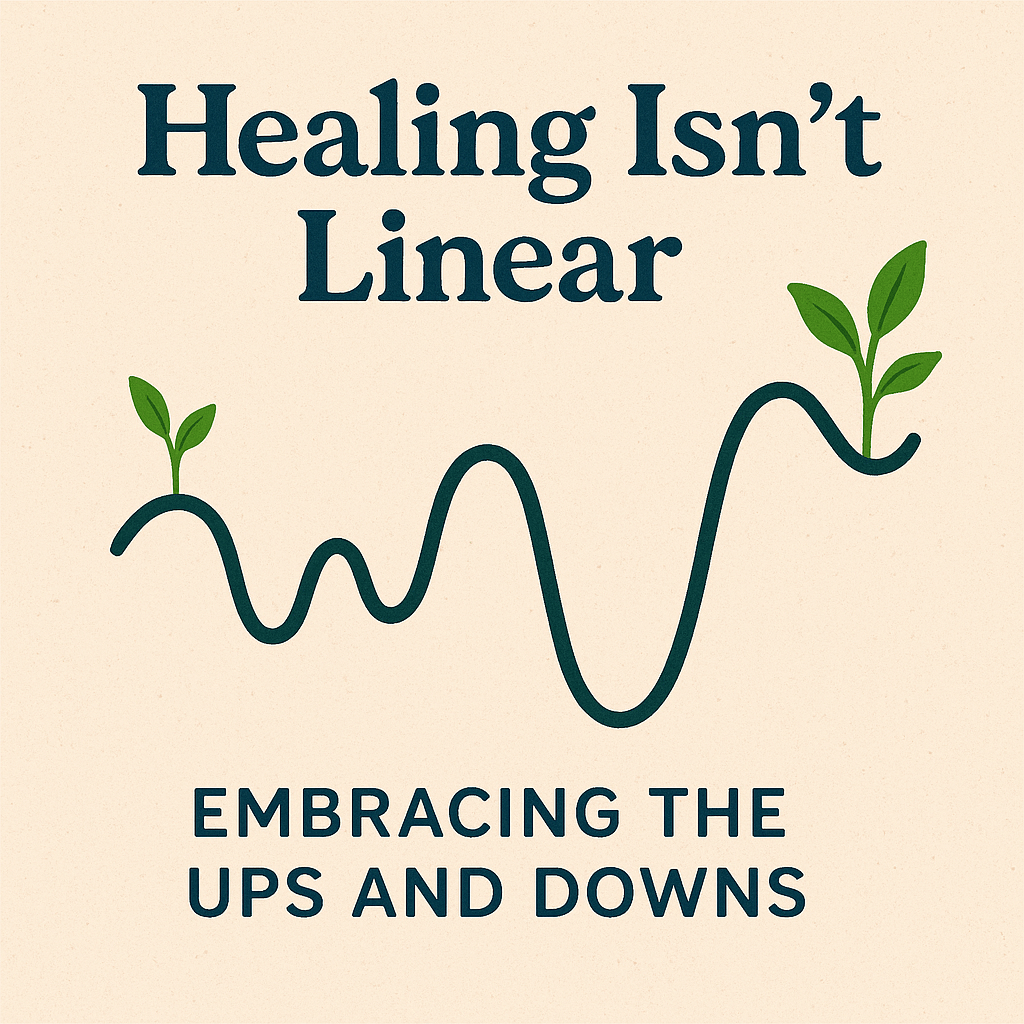
🌱 Healing Isn’t Linear: Embracing the Ups and Downs

Healing—whether emotional, mental, or physical—is not a straight path. It’s a journey filled with progress, setbacks, and moments that may feel like you’re going in circles. And that’s okay.


1. Healing Takes Time

  • Recovery doesn’t happen overnight.
  • It’s okay to take days, weeks, or even years.
  • Be patient with yourself.

2. It’s Normal to Have Good and Bad Days

  • Some days you’ll feel strong, other days you won’t.
  • Bad days don’t erase your progress.
  • Every step, even backward, is part of the journey.

3. Progress Isn’t Always Visible

  • Just because you can’t see improvement doesn’t mean it’s not happening.
  • Inner changes often take time to show on the outside.

4. Setbacks Are Not Failures

  • Falling back into old patterns is common.
  • It’s not a failure—it’s part of learning and growing.
  • Use it as a lesson, not a reason to give up.

5. Celebrate Small Wins

  • Even small steps matter—like getting out of bed, saying “no,” or smiling again.
  • Every tiny win adds up to big change.

6. Your Journey Is Unique

  • Don’t compare your healing to others.
  • Everyone heals at their own pace and in their own way.
  • What works for someone else may not work for you—and that’s okay.

7. Allow Yourself to Feel

  • Don’t hide your emotions—feel them.
  • Crying, anger, or sadness are not signs of weakness.
  • Emotions are part of processing and healing.

8. Ask for Help When You Need It

  • You don’t have to do it alone.
  • Talk to a friend, therapist, or support group.
  • Asking for help is a strength, not a weakness.

9. Be Kind to Yourself

  • Talk to yourself with love and compassion.
  • You’re doing your best, and that’s enough.
  • Replace self-criticism with encouragement.

10. Healing Is Ongoing

  • Healing doesn’t mean you’ll never feel pain again.
  • It means you learn to carry it with more strength and less fear.
  • It’s about growing through what you go through.

🌼 Final Thought:

Healing isn’t a straight line—it’s a journey of twists, turns, detours, and growth. Embrace the process, honor your progress, and trust that every step—even the tough ones—is leading you toward a stronger you.

The Psychology of Validation: Why We Crave It and How to Detach

Introduction

  • Validation means feeling acknowledged, accepted, or approved by others.
  • Everyone enjoys being appreciated—it boosts our mood and confidence.
  • However, constantly depending on others for approval can harm our mental health.
  • Understanding why we seek validation can help us learn how to break free from it.

Why We Crave Validation

  • Survival instinct: In early human history, acceptance by the group meant safety.
  • Brain chemistry: Praise and likes release dopamine, making us feel good.
  • Childhood influence: We learned to rely on others to form our self-image.
  • Social pressure: Society values external achievements (followers, grades, titles) over inner peace.

Signs You May Rely Too Much on Validation

  • You feel anxious waiting for feedback.
  • Your mood depends on praise or criticism.
  • You often try to please others at your own expense.
  • You avoid mistakes or risks because of fear of judgment.
  • You constantly compare yourself to others.

The Cost of Seeking Constant Validation

  • Leads to low and fragile self-esteem.
  • Makes you act inauthentically to gain approval.
  • Creates emotional exhaustion and stress.
  • Stops you from taking bold steps or growing personally.

How to Detach from the Need for Validation

  • Become self-aware: Notice when you’re seeking approval instead of being true to yourself.
  • Set personal goals: Focus on what matters to you, not what others expect.
  • Practice self-compassion: Be kind to yourself, especially during failures.
  • Limit social media: Avoid comparing your life to filtered online images.
  • Value genuine feedback: Ask for input to grow, not just to feel good.
  • Build meaningful connections: Surround yourself with people who support the real you.
  • Celebrate silent wins: Keep track of your personal progress, even if no one else sees it.

Conclusion

  • Seeking validation is natural, but overdependence on it weakens your self-worth.
  • True confidence comes from within—when you trust your own judgment.
  • By practicing internal validation, you free yourself from the constant need for approval and live more authentically.

Resilience and Adaptability: Skills for Success in a Fast-Changing World

Introduction

  • Definition of Resilience: The ability to withstand challenges and bounce back from setbacks.
  • Importance of Adaptability: In a constantly changing world, adaptability is essential for long-term success, both personally and professionally.

Why Adaptability Matters in Today’s World

  1. Rapid Technological Advancements: Technology evolves fast, requiring us to continuously update our skills.
  2. Globalization: The interconnected world means we face competition and collaboration on a global scale, adding complexity to work and personal life.
  3. Environmental and Social Shifts: Climate change, social justice movements, and economic shifts all demand quick responses.

Key Benefits of Building Adaptability

  1. Increases Problem-Solving Skills: Adaptable people are more flexible in their thinking, helping them find creative solutions to new challenges.
  2. Boosts Emotional Resilience: Adaptable individuals can manage stress better and maintain mental well-being in times of uncertainty.
  3. Enhances Career Opportunities: Being adaptable is a valued skill in the workplace, opening doors to new roles and career growth.

How to Build Adaptability for Future Success

  1. Embrace Lifelong Learning: Constantly seek new skills and knowledge to stay relevant in your field.
  2. Develop a Growth Mindset: Believe in your ability to grow and change, which makes it easier to adapt when challenges arise.
  3. Practice Flexibility in Daily Life: Try new routines, hobbies, or ways of thinking to cultivate openness to change.
  4. Strengthen Emotional Intelligence: Being aware of your emotions and managing them effectively helps in handling stressful changes.
  5. Build a Support Network: Surrounding yourself with supportive people makes it easier to adapt and learn from others’ perspectives.

Real-Life Examples of Adaptability

  • Professionals Who Upskilled for Remote Work: The pandemic pushed people to embrace remote work, requiring many to quickly learn new technologies and ways of communicating.
  • Companies Pivoting During Economic Downturns: Businesses that adapt quickly during economic changes often survive longer than those that are rigid.

Conclusion

  • The Future Rewards Adaptable People: In a world where change is the only constant, adaptability is one of the most valuable skills for success.
  • Start Small, Grow Big: Building resilience and adaptability doesn’t happen overnight; start with small steps and build habits that support a flexible mindset.

Why Facing Challenges Makes Us Stronger

Introduction: Life is full of ups and downs, and we all experience struggles at some point. Whether it’s personal, professional, or emotional, these challenges can be difficult to face. However, struggles play a crucial role in shaping who we are and building our character. While we may want to avoid them, it is often through overcoming challenges that we grow stronger, wiser, and more resilient.

1. Strengthens Resilience:

  • Struggles teach us to bounce back from failures and setbacks. The more we face challenges, the stronger our ability to keep going despite difficulties.
  • Example: Every time we get through a tough situation, we become more confident in our ability to handle future challenges.

2. Develops Patience:

  • Struggle often requires time to overcome. During this process, we learn to be patient and trust that things will improve with effort and persistence.
  • Example: Working through a difficult project or overcoming a personal setback teaches us the value of waiting for positive outcomes.

3. Enhances Problem-Solving Skills:

  • Facing struggles forces us to think creatively and find solutions. It sharpens our ability to look at problems from different perspectives and come up with effective strategies.
  • Example: When you face obstacles, you learn to brainstorm alternatives and think outside the box to solve problems.

4. Builds Confidence:

  • Overcoming challenges boosts self-esteem. Each struggle we conquer reminds us of our capabilities and strengthens our belief in ourselves.
  • Example: Achieving a goal after hard work or getting through a difficult time makes us more confident in handling future challenges.

5. Encourages Self-Reflection:

  • Struggles often lead to personal growth by making us reflect on our strengths and weaknesses. Through self-reflection, we gain better self-awareness and understanding.
  • Example: After facing a tough time, we often take a step back and think about what we’ve learned about ourselves.

6. Cultivates Empathy and Compassion:

  • Going through struggles helps us understand the challenges others may face. This makes us more empathetic and compassionate towards others who are going through hard times.
  • Example: People who have faced financial struggles or health issues are often more understanding and supportive of others in similar situations.

7. Strengthens Mental Toughness:

  • Struggles build mental toughness, teaching us to stay calm under pressure and keep our emotions in check when things get difficult.
  • Example: Athletes, soldiers, and entrepreneurs all develop mental toughness by pushing through their struggles and staying focused on their goals.

8. Fuels Personal Growth:

  • Every challenge we face is an opportunity to grow. Struggles push us to step out of our comfort zones, learn new things, and develop as individuals.
  • Example: A difficult job, a failed relationship, or any setback can make us more mature and capable.

9. Teaches Gratitude:

  • Struggles help us appreciate the good things in life. Once we’ve been through tough times, we tend to be more grateful for the positive moments and the progress we’ve made.
  • Example: After overcoming illness or financial hardship, we appreciate our health and stability even more.

10. Builds Perseverance:

  • Struggles teach us not to give up. The more we persevere through difficulties, the more we learn to keep going, even when success seems far away.
  • Example: Inventors, scientists, and successful entrepreneurs often face repeated failures before they succeed, but their perseverance keeps them moving forward.

Conclusion:

Struggles are a necessary part of life, shaping who we are and helping us grow. Instead of fearing challenges, we should embrace them as opportunities to build character, strength, and resilience. Through struggle, we discover our true potential.

The Role of Self-Compassion in Achieving Emotional Well-being and Peace

1. What is Self-Compassion?

  • Self-compassion means being kind and forgiving toward yourself, especially during tough times.
  • Example: If you made a mistake at work, instead of harsh self-criticism, you support yourself by saying, “Everyone makes mistakes.”

2. Why is Self-Compassion Important?

  • It reduces self-criticism, stress, and mental pressure.
  • Example: If you fail an exam, instead of thinking “I’m not good enough,” self-compassion helps you say, “This was tough, but I can improve.”

3. Three Elements of Self-Compassion

  • Self-Kindness: Be gentle with yourself instead of harsh and judgmental.
    • Example: Missing a deadline at work—tell yourself, “It’s okay to make mistakes sometimes.”
  • Common Humanity: Recognize that everyone experiences setbacks.
    • Example: Struggling with weight loss? Remember, many people face the same challenge, and you’re not alone.
  • Mindfulness: Acknowledge your emotions without letting them overwhelm you.
    • Example: After a job rejection, mindfulness helps you accept the disappointment without overthinking it.

4. How Self-Compassion Promotes Mental Peace

  • Reduces Anxiety and Stress: Self-kindness relieves inner turmoil and leads to a calmer mind.
    • Example: After a stressful day, letting yourself rest without guilt reduces stress.
  • Improves Emotional Well-being: Helps you process criticism constructively without internalizing negativity.
    • Example: After receiving feedback at work, focus on learning from it instead of thinking you’re terrible at your job.
  • Boosts Resilience: Enables you to bounce back from challenges without getting discouraged.
    • Example: An athlete who loses a competition views it as a learning experience rather than a personal failure.

5. Practical Ways to Cultivate Self-Compassion

  • Positive Self-Talk: Replace negative thoughts with positive affirmations.
    • Example: Instead of “I’m not good at anything,” say, “I’m learning and improving.”
  • Forgive Yourself: Let go of mistakes and move forward.
    • Example: If you forget a friend’s birthday, forgive yourself and make amends instead of dwelling on guilt.
  • Take Breaks: Allow yourself rest when needed.
    • Example: After completing a big project, take time to relax without feeling guilty.
  • Practice Mindfulness: Stay aware of your emotions without judgment.
    • Example: When overwhelmed, pause and acknowledge your feelings without reacting negatively.

6. Benefits of Self-Compassion for Daily Life

  • Improved Relationships: Self-compassion makes you more understanding and patient with others.
    • Example: Being kind to yourself after a stressful day helps you treat your family with patience.
  • Greater Happiness: Encourages a positive outlook and reduces feelings of inadequacy.
    • Example: Missing a personal goal like exercising becomes an opportunity to adjust your approach rather than feeling like a failure.
  • Inner Balance: Helps you stay calm and focused in tough situations.
    • Example: During financial stress, self-compassion allows you to calmly assess and plan without panic.

7. Final Thoughts

  • Practicing self-compassion leads to mental peace and balance.
  • It helps you stay resilient in the face of challenges, and by treating yourself with kindness, you can handle life’s ups and downs with a peaceful mind.

Depression and Burnout: Understanding the Difference and Finding Solutions

Depression and burnout

Depression and burnout are two mental health issues that are often confused with each other. While they share some similarities, they are distinct conditions with different causes and treatments. Understanding the differences between depression and burnout is crucial for finding the right solutions and taking the appropriate steps to improve your mental health.

1. What is Depression?

  • Definition: Depression is a mood disorder characterized by persistent feelings of sadness, hopelessness, and a lack of interest in activities once enjoyed.
  • Symptoms: Symptoms include low energy, changes in sleep patterns, difficulty concentrating, and feelings of worthlessness.
  • Duration: Depression is long-lasting and can affect all aspects of life, from work to personal relationships.
  • Causes: It can be caused by a combination of genetic, biological, environmental, and psychological factors.

2. What is Burnout?

  • Definition: Burnout is a state of emotional, physical, and mental exhaustion caused by prolonged stress, particularly related to work.
  • Symptoms: Symptoms include feeling drained, overwhelmed, detached from work, and a reduced sense of accomplishment.
  • Duration: Burnout is generally linked to specific situations, such as work, and can improve with changes in the environment or workload.
  • Causes: Burnout is often caused by chronic workplace stress, lack of control, and unrealistic job demands.

3. Key Differences Between Depression and Burnout

  • Scope:
    • Depression affects all areas of life, while burnout is primarily related to work or specific stressors.
  • Emotional Impact:
    • Depression involves deep, pervasive sadness, while burnout is more about feeling overwhelmed and mentally drained.
  • Duration and Treatment:
    • Depression often requires medical treatment, including therapy and medication, while burnout can sometimes be alleviated by making lifestyle changes and reducing stress.

4. Recognizing Overlap

  • Common Symptoms: Both conditions can include fatigue, sleep disturbances, and irritability.
  • Risk of Misdiagnosis: Because of the overlap, burnout can sometimes be mistaken for depression and vice versa, making it important to seek professional help for an accurate diagnosis.

5. Solutions for Dealing with Depression

  • Seek Professional Help: Consult a mental health professional for therapy or medication.
  • Build a Support Network: Surround yourself with supportive friends and family.
  • Practice Self-Care: Engage in activities that promote relaxation and well-being, such as exercise, meditation, and hobbies.
  • Set Realistic Goals: Break tasks into smaller, manageable steps to reduce feelings of overwhelm.

6. Solutions for Managing Burnout

  • Identify Stressors: Recognize the specific factors at work or in life that are contributing to burnout.
  • Take Breaks: Regularly take time off to recharge, whether through vacations or short breaks during the day.
  • Set Boundaries: Learn to say no to additional responsibilities that could exacerbate stress.
  • Seek Support: Talk to a supervisor, HR, or a counselor about adjusting your workload or finding ways to manage stress.

7. Preventing Both Depression and Burnout

  • Maintain Work-Life Balance: Prioritize personal time and hobbies outside of work.
  • Stay Physically Active: Regular exercise helps reduce stress and improves mood.
  • Practice Mindfulness: Techniques like meditation and deep breathing can help manage stress and prevent burnout.
  • Get Enough Sleep: Proper rest is crucial for mental and physical health.

Conclusion
Understanding the differences between depression and burnout is key to finding the right solutions. While depression is a more pervasive condition that may require medical intervention, burnout is often linked to work stress and can be managed through lifestyle changes. Recognizing the symptoms and seeking appropriate help can lead to better mental health and a more balanced, fulfilling life.

The Crucial Role of Rest in Enhancing Productivity

Many of us believe that the more hours we put into our work, the more productive we will be. However, this is a misconception. Rest, including sleep and regular breaks, plays a crucial role in enhancing productivity. Here’s why rest is important and how it can significantly improve your efficiency.

1. The Role of Sleep in Productivity

a. Cognitive Function

  • Memory Improvement: Sleep helps consolidate memories, making it easier to recall information.
  • Enhanced Problem-Solving: A well-rested brain is better at solving complex problems.
  • Boosted Creativity: Sleep fosters creative thinking and innovation.

b. Energy Levels

  • Sustained Energy: Sleep replenishes energy, allowing you to be active and alert throughout the day.
  • Preventing Fatigue: Adequate sleep prevents daytime sleepiness and fatigue.

c. Emotional Stability

  • Mood Regulation: Good sleep reduces mood swings and improves emotional stability.
  • Better Interpersonal Relations: Emotional stability leads to more harmonious interactions with colleagues and others.

2. The Benefits of Taking Breaks

a. Enhanced Focus

  • Improved Concentration: Short breaks help maintain focus and attention.
  • Mental Refreshment: Breaks provide a mental reset, preventing cognitive overload.

b. Stress Reduction

  • Lower Stress Levels: Regular breaks help manage and reduce stress.
  • Improved Mental Health: Taking breaks can alleviate anxiety and improve overall mental health.

c. Preventing Burnout

  • Avoiding Exhaustion: Breaks help prevent physical and mental exhaustion.
  • Sustained Performance: Regular breaks ensure long-term productivity and performance.

d. Physical Health Benefits

  • Reduced Eye Strain: Breaks from screens reduce eye strain and headaches.
  • Improved Posture: Moving around during breaks helps maintain good posture and reduces muscle tension.

3. Tips to Incorporate Rest into Your Routine

a. Prioritize Sleep

  • Consistent Sleep Schedule: Go to bed and wake up at the same time every day.
  • Relaxing Bedtime Routine: Engage in calming activities before bed, such as reading or meditation.
  • Sleep-Friendly Environment: Ensure your bedroom is dark, quiet, and cool.

b. Schedule Regular Breaks

  • Pomodoro Technique: Work for 25 minutes, then take a 5-minute break.
  • Longer Breaks: Take a 15-30 minute break every few hours for deeper rest.

c. Use Breaks Wisely

  • Physical Activity: Take a walk, stretch, or do light exercises.
  • Relaxation: Practice deep breathing, meditate, or enjoy a hobby.
  • Disconnect: Avoid checking emails or social media during breaks to fully recharge.

d. Listen to Your Body

  • Recognize Fatigue: Take breaks when you start feeling tired or unfocused.
  • Stay Hydrated and Nourished: Drink water and eat healthy snacks to maintain energy levels.

e. Micro-Breaks

  • Brief Pauses: Take short 1-2 minute breaks to stretch or close your eyes.
  • Mini-Meditations: Spend a minute practicing mindfulness or deep breathing.

Conclusion

Rest is not a luxury but a necessity for maintaining high productivity levels. Adequate sleep and regular breaks are fundamental for cognitive function, energy restoration, emotional stability, focus, stress reduction, physical health, and preventing burnout. By prioritizing rest, you can enhance your productivity, improve your overall well-being, and achieve a healthier work-life balance. Remember, sometimes the most productive thing you can do is to take a break.