✨ The Quantum Leap: Small Changes That Create Big Shifts in Life

Life doesn’t always change through big decisions or dramatic moments.
Sometimes, it changes through tiny actions—small steps that create powerful results over time.
In quantum physics, a “quantum leap” is a small jump of energy that leads to a big transformation.
The same idea applies to our lives.

Here’s how small changes can create big shifts, just like a quantum leap.


🌟 1. Small Changes Create New Possibilities

In quantum theory, even a tiny shift in energy can move a particle to a completely new state.
In life, a small habit change can move you to a new version of yourself.

Example:

  • Reading for 10 minutes a day can slowly turn you into a knowledgeable, confident person.
  • Drinking one extra glass of water daily can improve your energy level.

🌟 2. Every Action Raises Your “Energy Level”

Quantum leaps happen when energy increases.
Similarly, when you make small improvements, your mindset, confidence, and lifestyle rise to a higher level.

Example:

  • Waking up just 15 minutes earlier each day may give you extra time to plan your day calmly.
  • Writing three things you’re grateful for shifts your emotional energy instantly.

🌟 3. You Don’t Need Big Motivation — Just Tiny Momentum

Quantum jumps don’t require huge force; they happen instantly when enough small energy builds up.
Tiny efforts create steady momentum.

Example:

  • Walking only 2,000 steps more each day leads to better health over months.
  • Learning one new English word daily improves communication without pressure.

🌟 4. Small Decisions Change Your Direction

Even the slightest shift in angle can change your destination completely—just like how a particle’s path changes with a tiny impulse.
Small decisions today create a new future.

Example:

  • Choosing to save ₹20 a day becomes ₹600 a month and ₹7,200 a year.
  • Choosing to reduce screen time by 10 minutes daily improves focus and sleep.

🌟 5. The Power of Changing Your Environment Slightly

In quantum physics, particles change behavior depending on their environment.
Similarly, your surroundings influence your habits and mindset.

Example:

  • Keeping fruits on your table helps you eat healthier.
  • Placing books near your bed encourages reading.

🌟 6. Small Mindset Shifts Lead to Big Emotional Growth

A slight shift in thinking can transform how you feel, behave, and respond.

Example:

  • Changing the thought “I can’t do this” to “I will try” opens new opportunities.
  • Replacing negative self-talk with kinder words reduces stress.

🌟 7. Small Daily Improvements Compound Over Time

Just like small energy additions create a quantum jump, small daily efforts compound into major life progress.

Example:

  • Practicing a skill for just 5 minutes a day leads to mastery over months.
  • Saving small amounts regularly builds financial stability.

✨ Final Thought

A quantum leap is not magic.
It is the result of consistent small steps that slowly build enough energy to create a big transformation.

You don’t need huge changes.
You just need to begin—with one small step today.

Energy First: Prioritize What Truly Matters

Introduction:
Our energy is our most valuable resource. Unlike time, which is fixed, energy determines how effectively we live, work, and grow. Focusing on what truly matters allows us to achieve more, reduce stress, and create a meaningful life. By putting Energy First, we can make conscious choices about where to invest our effort and attention.

1. Understand Your Energy, Not Just Time

  • Time is fixed; energy is what powers your actions.
  • Notice when you feel most alert and focused.
  • Plan your most important tasks during high-energy periods.

2. Identify What Truly Matters

  • List tasks, goals, and relationships that impact your growth and happiness.
  • Ask yourself: “Does this matter in the long run?”
  • Say no to distractions and low-value activities.

3. Protect Your Energy

  • Avoid unnecessary stress and negative people.
  • Take breaks, rest, and recharge regularly.
  • Use mindfulness or short meditation to reset your energy.

4. Focus on One Thing at a Time

  • Multitasking drains energy and reduces effectiveness.
  • Complete high-priority tasks before moving to others.
  • Use the “Energy First” principle: high energy → high impact tasks.

5. Create Energy-Boosting Habits

  • Exercise, healthy eating, and quality sleep boost your energy.
  • Start your day with tasks that give satisfaction or momentum.
  • Limit social media and other energy-draining activities.

6. Align Energy with Goals

  • Spend energy on actions that bring you closer to your goals.
  • Regularly review priorities and adjust where your energy goes.
  • Celebrate small wins to maintain motivation and energy.

Conclusion:
Your energy is your most valuable resource. Prioritizing what truly matters helps you achieve more, feel better, and live a meaningful life. Always put Energy First and let it guide your daily choices.

Create a Better Version of Yourself

Introduction
Life is a journey of constant growth and transformation. The desire to become a better version of yourself is not about perfection—it’s about progress. It’s about making small, meaningful changes that lead to a happier, healthier, and more fulfilled life. Self-improvement doesn’t require monumental shifts; rather, it’s the result of simple, consistent actions that align with your values and aspirations.

Strategies for Self-Improvement

  1. Set SMART Goals
    • Make your goals Specific, Measurable, Achievable, Relevant, and Time-bound.
    • Example: Instead of “Get fit,” say, “I will exercise for 30 minutes, 3 times a week, for the next month.”
  2. Read 10 Pages a Day
    • Dedicate a small amount of time daily to reading books or articles.
    • Reading helps expand your knowledge and can be a source of motivation.
  3. Exercise for 20 Minutes
    • Start with short workouts—walk, jog, or do home exercises.
    • Regular exercise not only improves health but boosts your mood and energy.
  4. Practice Gratitude Daily
    • Each day, write down three things you’re grateful for.
    • This simple habit helps shift focus from problems to blessings.
  5. Use the Two-Minute Rule
    • If a task will take less than two minutes, do it immediately.
    • This helps build momentum and keeps your to-do list from piling up.
  6. Limit Social Media Time
    • Set specific time limits on how long you’ll spend on social media.
    • Instead, use that time for personal development activities, like journaling or learning.
  7. Create a Morning Routine
    • Start your day with a few positive habits, like stretching, making your bed, and having a healthy breakfast.
    • A solid morning routine sets a productive tone for the day.
  8. Find an Accountability Partner
    • Share your goals with someone who can encourage and check in on your progress.
    • This helps you stay motivated and committed to your goals.
  9. Practice Deep Breathing or Meditation
    • Dedicate a few minutes each day to relax your mind.
    • Simple breathing exercises or meditation can reduce stress and improve focus.
  10. Focus on One Task at a Time
    • Avoid multitasking; give your full attention to the task at hand.
    • This increases productivity and reduces mental fatigue.
  11. Invest in Learning New Skills
    • Spend 30 minutes a day on a skill you want to improve, like learning a language or coding.
    • Take advantage of free online courses to enhance your knowledge.
  12. Reflect Weekly
    • At the end of each week, reflect on your progress and what could be improved.
    • Adjust your plans as needed to stay on track.

Conclusion
Creating a better version of yourself doesn’t happen overnight, but with dedication and consistency, the small steps you take each day will lead to significant transformations over time. Focus on your journey, celebrate your progress, and remember that every effort counts. You already have the potential to grow—start today and embrace the process of becoming your best self!

Understanding Human Behaviour: The Science Behind Everyday Actions

Human behavior is a complex interplay of psychological, social, and biological factors. Understanding it can help us navigate our interactions and improve our personal and professional lives. Here’s a breakdown of key concepts that explain the science behind our everyday actions.

1. Biological Influences

  • Genetics: Our genetic makeup can predispose us to certain behaviors, such as aggression or sociability.
  • Brain Chemistry: Neurotransmitters (e.g., serotonin, dopamine) influence mood and behavior, affecting how we respond to situations.
  • Hormones: Hormonal changes can impact emotions and behavior, particularly during adolescence, pregnancy, and menopause.

2. Psychological Factors

  • Cognition: Our thoughts shape our perceptions and reactions. Cognitive processes determine how we interpret experiences.
  • Emotions: Emotions play a critical role in decision-making and behavior. They can drive us toward action or lead to inaction.
  • Learning: Behavioral conditioning (classical and operant) explains how we learn from experiences and adapt our behavior accordingly.

3. Social Influences

  • Culture: Cultural norms and values significantly shape behavior. They dictate what is considered acceptable or unacceptable in society.
  • Socialization: Family, peers, and community influence our beliefs, attitudes, and behaviors from a young age.
  • Group Dynamics: Our behavior often changes in group settings due to peer pressure, conformity, or the desire for acceptance.

4. Situational Context

  • Environment: The physical and social environment can trigger specific behaviors. For example, crowded spaces can lead to anxiety or aggression.
  • Circumstances: Our actions can vary depending on immediate circumstances (e.g., stress, fatigue) and how we perceive them.

5. Motivation and Goals

  • Intrinsic vs. Extrinsic Motivation: Understanding what drives us—internal satisfaction or external rewards—can explain our behavior in different contexts.
  • Goal Setting: Clear goals can enhance motivation and influence our actions toward achieving them.

6. Behavioral Patterns

  • Habits: Repeated behaviors become habits, often performed unconsciously. Understanding how habits form can help us change unwanted behaviors.
  • Routines: Daily routines structure our lives and can have a significant impact on our overall well-being and productivity.

7. Application in Everyday Life

  • Self-Reflection: Regularly assessing your thoughts and emotions can lead to greater self-awareness and informed decision-making.
  • Empathy: Understanding human behavior can improve interpersonal relationships and foster empathy.
  • Conflict Resolution: Recognizing the factors influencing behavior can aid in resolving conflicts more effectively.

Conclusion

Understanding human behavior is essential for navigating life’s complexities. By exploring the biological, psychological, social, and situational influences on our actions, we can enhance our self-awareness and improve our interactions with others. This knowledge equips us to make more informed choices, foster positive relationships, and lead fulfilling lives.

From Burnout to Balance: Practical Self-Care Tips for Busy Professionals

1. Understand Burnout:

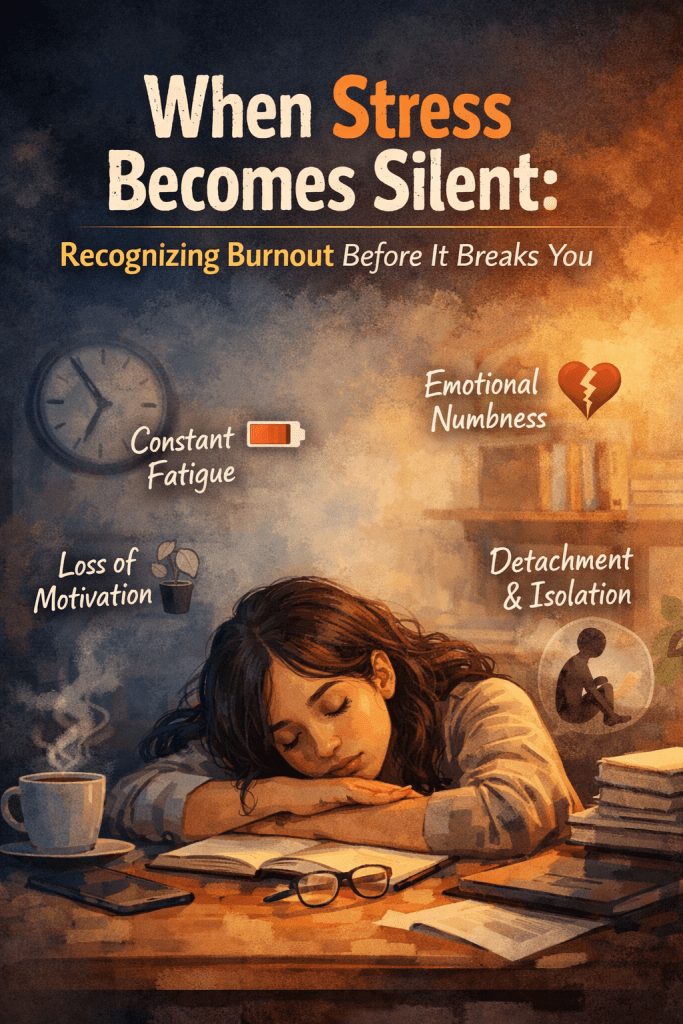
  • Recognize the Signs: Common indicators of burnout include persistent fatigue, irritability, lack of motivation, and feelings of inadequacy. Acknowledge these signs early to address them effectively.
  • Know It’s Common: Burnout is prevalent in high-stress environments. Understanding that many experience it can reduce feelings of isolation.

2. Prioritize Self-Care:

  • Make It Non-Negotiable: Schedule self-care just like you would a work meeting. Treat this time as essential for your well-being.
  • Daily Breaks: Aim for short breaks every hour. Use this time to stretch, hydrate, or take a short walk.

3. Set Boundaries:

  • Learn to Say No: Evaluate new commitments critically. If they do not align with your priorities, it’s okay to decline.
  • Create Clear Boundaries: Define your work hours and stick to them. Communicate these boundaries to your colleagues and supervisors.

4. Practice Mindfulness:

  • Incorporate Techniques: Start with just five minutes of meditation or deep breathing exercises daily.
  • Focus on the Present: Engage in activities mindfully, whether it’s eating, walking, or even working. This can reduce stress and enhance focus.

5. Stay Active:

  • Find Activities You Enjoy: Whether it’s yoga, dancing, or jogging, choose something that brings you joy. This makes it easier to stay consistent.
  • Short Workouts Matter: Even 10-15 minutes of exercise can boost mood and energy.

6. Get Quality Sleep:

  • Aim for 7-9 Hours: Prioritize sleep as a cornerstone of health. Lack of sleep exacerbates stress and burnout.
  • Establish a Bedtime Routine: Wind down with calming activities like reading or gentle stretches. Avoid screens at least an hour before bed.

7. Foster Connections:

  • Maintain Relationships: Regularly connect with friends and family, whether through calls, texts, or in-person meetings. Social support is vital for mental health.
  • Seek Professional Networks: Join groups or associations in your field to share experiences and gain support from peers.

8. Take Time Off:

  • Use Vacation Days: Time away from work can reset your mindset and reduce stress.
  • Regular Mini-Breaks: Even a day off every few months can help recharge your batteries and prevent burnout.

9. Limit Screen Time:

  • Designate Tech-Free Periods: Set boundaries around technology use, especially during meals or family time, to enhance relationships and relaxation.
  • Unplug Before Bed: Establish a routine that includes shutting down devices at least an hour before sleep to improve sleep quality.

10. Reflect and Adjust:

  • Regular Assessments: Take time weekly or monthly to reflect on your workload and emotional health. Adjust your routines as needed.
  • Be Open to Change: If certain practices aren’t working, don’t hesitate to try new strategies or seek professional guidance, like therapy or coaching.

Conclusion: Transitioning from burnout to balance is a continuous journey. By actively implementing these self-care strategies, busy professionals can create a more sustainable and fulfilling work-life balance. Prioritize your well-being and remember that taking care of yourself ultimately enhances your productivity and happiness.

The Only Way to Do Great Work is to Love What You Do

Steve Jobs once said, “The only way to do great work is to love what you do.” This profound statement underscores the importance of passion in achieving excellence. When you genuinely love what you do, work ceases to be a mere obligation and transforms into a source of fulfillment and joy.

  1. Passion Fuels Excellence
    • Intrinsic Motivation: When you love what you do, you are naturally motivated to put in the effort and strive for greatness.
    • Quality Over Quantity: Passion drives you to focus on the quality of your work, aiming for perfection and innovation.
  2. Resilience and Perseverance
    • Overcoming Challenges: Loving your work helps you persevere through challenges and setbacks.
    • Quote: “Success is not the key to happiness. Happiness is the key to success. If you love what you are doing, you will be successful.” – Albert Schweitzer
  3. Creativity and Innovation
    • Thinking Outside the Box: Passionate individuals are more likely to think creatively and come up with innovative solutions.
    • Quote: “Do what you love, and the necessary resources will follow.” – Peter McWilliams
  4. Fulfillment and Satisfaction
    • Personal Happiness: Loving your work contributes to overall happiness and satisfaction in life.
    • Meaningful Work: When you enjoy what you do, your work becomes meaningful and fulfilling.
  5. Inspiration and Influence
    • Inspiring Others: Passionate work inspires and influences others around you, creating a positive impact.
    • Leadership: Leaders who love their work inspire their teams to strive for excellence.
  6. Continual Improvement
    • Lifelong Learning: Passion drives you to continuously learn and improve in your field.
    • Quote: “Choose a job you love, and you will never have to work a day in your life.” – Confucius

How to Find and Cultivate Your Passion

  1. Self-Reflection
    • Identify what you enjoy and what makes you feel fulfilled.
    • Consider your hobbies, interests, and what you are naturally good at.
  2. Experimentation
    • Try different roles and projects to discover what you truly enjoy.
    • Don’t be afraid to step out of your comfort zone and explore new opportunities.
  3. Set Goals
    • Define clear, achievable goals that align with your passions.
    • Regularly review and adjust your goals to stay aligned with your evolving interests.
  4. Seek Inspiration
    • Surround yourself with passionate and motivated individuals.
    • Learn from mentors and role models who love what they do.
  5. Balance and Well-being
    • Ensure a healthy work-life balance to maintain your passion.
    • Take care of your physical and mental well-being to stay motivated and energized.

Conclusion

Loving what you do is not just a luxury; it is a necessity for achieving greatness. Passion fuels your motivation, creativity, and resilience, leading to excellence in your work. By finding and cultivating your passion, you can transform your career into a source of joy and fulfillment. Embrace the journey of discovering what you love, and let it drive you to reach new heights in your personal and professional life. Remember, the only way to do great work is to love what you do.

Keep Moving Forward: Don’t Let Criticism Hold You Back

Criticism is something we all face, whether we’re just starting or already on the path to success. It can come from anyone—friends, family, or even strangers—and while some feedback is helpful, much of it is negative or discouraging. The important thing to remember is that criticism often reflects the critic, not you. You can’t please everyone, and focusing too much on others’ opinions can lead to self-doubt. Instead, stay focused on your goals, believe in yourself, and use challenges to grow.

1. Criticism Happens to Everyone

  • Everyone gets criticized at some point in life.
  • The more you succeed, the more people will have opinions.
  • Remember, even the most successful people were criticized.
  • Criticism is part of the journey, so don’t take it too personally.

2. Criticism Often Reflects the Critic

  • Sometimes, people criticize because they are unhappy with themselves.
  • Criticism can come from jealousy or fear of change.
  • It often has more to do with the critic’s issues than with you.
  • Don’t let other people’s insecurities affect your confidence.

3. Don’t Let Negative Feedback Lower Your Confidence

  • Criticism can make you doubt yourself, but don’t let it.
  • Focus on your strengths and the progress you’ve made.
  • Build your self-confidence by reminding yourself of your abilities.
  • Believe in yourself, even when others doubt you.

4. Separate Constructive Criticism from Destructive Criticism

  • Constructive criticism helps you improve, so use it to grow.
  • Destructive criticism is meant to hurt, so ignore it.
  • If the feedback is helpful, take it. If it’s harmful, let it go.
  • Learn from what’s useful and forget the rest.

5. Stay Focused on Your Future

  • Don’t let criticism distract you from your goals.
  • Stay focused on what you want to achieve.
  • Keep your future in mind, and don’t let negativity slow you down.
  • Set clear goals and work towards them every day.

6. Use Criticism as Fuel

  • Use negative comments to motivate you to work harder.
  • Turn criticism into energy to keep pushing forward.
  • Let it remind you why you’re working towards your goals.
  • Show the critics that you can succeed no matter what they say.

7. Remember Your Achievements

  • Look back at what you’ve already accomplished.
  • Let your past success remind you that you can keep going.
  • Don’t let criticism erase the progress you’ve made.
  • Focus on how far you’ve come and what you’ll achieve next.

8. Surround Yourself with Positivity

  • Spend time with people who lift you up and support you.
  • Positive people will help you stay focused and motivated.
  • Avoid those who constantly criticize or bring negativity into your life.
  • A good support system can help you keep moving forward.

9. Keep Improving and Moving Forward

  • Criticism is just one of the challenges you’ll face.
  • As long as you’re growing and improving, you’re on the right path.
  • Keep learning, and don’t let criticism stop your progress.
  • Move forward, knowing that success will come with persistence.

10. Trust Yourself

  • Trust your instincts and believe in your abilities.
  • No one knows your potential better than you.
  • Stay true to yourself and your goals.
  • Don’t let anyone else’s opinion define what you’re capable of achieving.

Path to Progress: Setting and Reaching Your Goals

Introduction

Setting goals is a fundamental aspect of personal and professional growth. Goals provide direction, motivation, and a clear focus on what you want to achieve. However, simply having goals is not enough; you need a structured approach to turn your aspirations into reality.

1. Identify Your Goals

  • Self-reflection: Spend time thinking about what you truly want to achieve.
  • Specificity: Clearly define your goals. Instead of “I want to be fit,” try “I want to lose 10 kg in 3 months.”

2. Break Down Your Goals

  • Smaller Steps: Divide your goal into smaller, manageable tasks.
  • Milestones: Set milestones to track your progress. This keeps you motivated and helps you see how far you’ve come.

3. Make Your Goals SMART

  • Specific: Be clear about what you want to achieve.
  • Measurable: Ensure you can track your progress.
  • Achievable: Set realistic goals that are within your capabilities.
  • Relevant: Your goals should align with your broader objectives.
  • Time-bound: Set a deadline to create a sense of urgency.

4. Create a Plan of Action

  • Write it Down: Document your plan to make it more concrete.
  • Prioritize: Determine which tasks need immediate attention and which can wait.
  • Resources: Identify the resources you’ll need, such as time, money, or support from others.

5. Stay Committed and Consistent

  • Daily Habits: Integrate small tasks related to your goal into your daily routine.
  • Avoid Procrastination: Stay disciplined and avoid putting off tasks.

6. Monitor Your Progress

  • Regular Check-ins: Schedule regular intervals to review your progress.
  • Adjust as Needed: Be flexible and adjust your plan if you encounter obstacles or if circumstances change.

7. Stay Motivated

  • Celebrate Small Wins: Recognize and reward yourself for achieving milestones.
  • Stay Positive: Keep a positive mindset and remind yourself of why you set the goal in the first place.
  • Seek Support: Surround yourself with supportive people who can encourage and motivate you.

8. Learn from Setbacks

  • Reflect: Analyze what went wrong without being too harsh on yourself.
  • Adjust: Modify your plan to overcome future obstacles.
  • Persevere: Keep pushing forward, even when faced with difficulties.

9. Stay Accountable

  • Share Your Goals: Tell a friend or join a group with similar goals.
  • Track Progress Publicly: Consider blogging or using social media to share your journey.

10. Review and Celebrate

  • Evaluate: Once you reach your goal, take time to evaluate what worked and what didn’t.
  • Celebrate: Reward yourself for the hard work and effort.
  • Set New Goals: After achieving one goal, set new ones to continue growing and improving.

Conclusion

Setting and achieving goals is a process that requires careful planning, commitment, and adaptability. By following these simple steps, you can turn your aspirations into reality and continue to grow both personally and professionally.

Common To-Do List Mistakes and How to Avoid Them

Creating an effective to-do list can be a game-changer for productivity and organization. However, many people make common mistakes that hinder the effectiveness of their to-do lists. Here are some common to-do list mistakes and how to avoid them.

1. Overloading Your List

Mistake: Packing too many tasks into one day.

How to Avoid:

  • Prioritize Tasks: Focus on the most important and urgent tasks first.
  • Limit Your List: Aim for 3-5 key tasks per day to keep it manageable.

2. Lack of Specificity

Mistake: Writing vague tasks that are hard to act on.

How to Avoid:

  • Be Specific: Break tasks into clear, actionable steps. Instead of “work on project,” write “outline project report.”

3. Ignoring Deadlines

Mistake: Not assigning due dates to tasks.

How to Avoid:

  • Set Deadlines: Assign realistic deadlines to each task to stay on track.
  • Use Reminders: Set reminders for critical deadlines.

4. Not Updating Your List

Mistake: Keeping an outdated to-do list.

How to Avoid:

  • Daily Review: Update your list every morning or evening.
  • Cross Off Completed Tasks: Regularly mark tasks as done to stay motivated.

5. Focusing Only on Work

Mistake: Excluding personal or self-care tasks.

How to Avoid:

  • Include All Areas of Life: Balance your list with work, personal, and self-care tasks.
  • Prioritize Well-being: Schedule breaks and self-care activities.

6. Skipping Breaks

Mistake: Planning tasks back-to-back without breaks.

How to Avoid:

  • Schedule Breaks: Include short breaks between tasks to recharge.
  • Use Timers: Use techniques like Pomodoro (25 minutes work, 5 minutes break).

7. Neglecting Long-Term Goals

Mistake: Focusing only on daily tasks without considering long-term goals.

How to Avoid:

  • Set Weekly/Monthly Goals: Break down long-term goals into smaller, actionable steps.
  • Review Progress: Regularly review and adjust your goals.

8. Being Too Rigid

Mistake: Not allowing flexibility for unexpected tasks or changes.

How to Avoid:

  • Build in Flexibility: Leave some buffer time in your schedule.
  • Adapt as Needed: Be prepared to adjust your list as priorities change.

9. Using Multiple Lists

Mistake: Keeping tasks scattered across various lists and platforms.

How to Avoid:

  • Consolidate Your Lists: Use one main list or digital tool to keep everything in one place.
  • Sync Devices: Ensure your to-do list is accessible on all your devices.

10. Not Reflecting on Progress

Mistake: Failing to review what worked and what didn’t.

How to Avoid:

  • Weekly Reviews: Set aside time each week to reflect on your progress.
  • Learn and Adjust: Identify what works best for you and adjust your approach accordingly.

Conclusion

Avoiding these common to-do list mistakes can significantly enhance your productivity and help you achieve your goals more efficiently. By being specific, setting deadlines, updating regularly, and balancing your tasks, you can create a to-do list that truly works for you.

Call to Action:

  • Start refining your to-do list today by implementing these tips. Share your experiences and see how these changes can improve your productivity and organization!

The Journey of a Thousand Miles Begins with One Step

Introduction

Starting any big journey or achieving a significant goal can feel overwhelming. The key to success lies in taking that first step. No matter how daunting the task may seem, breaking it down into small, manageable steps can make it achievable. Here are some simple and effective ways to start and stay motivated on your journey.

1. Start Small

  • Focus on the first step to avoid feeling overwhelmed.
  • Quote: “The journey of a thousand miles begins with one step.” – Lao Tzu

2. Embrace the Process

  • Value the journey and lessons learned along the way.
  • Quote: “Success is a journey, not a destination.” – Arthur Ashe

3. Overcome Fear

  • Break the cycle of inaction by starting.
  • Quote: “You don’t have to see the whole staircase, just take the first step.” – Martin Luther King Jr.

4. Stay Persistent

  • Keep moving forward, even slowly.
  • Quote: “It does not matter how slowly you go as long as you do not stop.” – Confucius

5. Set Clear Goals

  • Break goals into manageable steps and celebrate progress.
  • Quote: “Setting goals is the first step in turning the invisible into the visible.” – Tony Robbins

6. Learn Continuously

  • Use every experience as a learning opportunity.
  • Quote: “The only real mistake is the one from which we learn nothing.” – Henry Ford

7. Build Confidence

  • Each step enhances skills and confidence.
  • Quote: “Do the thing you think you cannot do.” – Eleanor Roosevelt

8. Stay Flexible

  • Adapt plans as needed to overcome obstacles.
  • Quote: “The measure of intelligence is the ability to change.” – Albert Einstein

9. Seek Support

  • Reach out for guidance and encouragement.
  • Quote: “We rise by lifting others.” – Robert Ingersoll

10. Maintain Positivity

  • Stay resilient and believe in your success.
  • Quote: “Keep your face always toward the sunshine.” – Walt Whitman

11. Visualize Success

  • Keep your end goal in mind for motivation.
  • Quote: “If you can dream it, you can do it.” – Walt Disney

12. Develop Routine

  • Establish a daily routine that supports your goals.
  • Quote: “We are what we repeatedly do.” – Aristotle

13. Celebrate Milestones

  • Recognize and celebrate your progress.
  • Quote: “The more you praise and celebrate your life, the more there is in life to celebrate.” – Oprah Winfrey

14. Reflect Regularly

  • Reflect on your progress and adjust plans as needed.
  • Quote: “Without reflection, we go blindly on our way.” – Margaret J. Wheatley

15. Practice Patience

  • Be patient and trust the process.
  • Quote: “Patience is not the ability to wait, but the ability to keep a good attitude while waiting.” – Joyce Meyer

16. Cultivate Gratitude

  • Appreciate your progress and the journey.
  • Quote: “Gratitude turns what we have into enough.” – Aesop

17. Stay Healthy

  • Maintain physical and mental health for sustained progress.
  • Quote: “To keep the body in good health is a duty.” – Buddha

18. Inspire Others

  • Share your journey to motivate others.
  • Quote: “Be the change that you wish to see in the world.” – Mahatma Gandhi

19. Track Progress

  • Keep a journal or log of your steps and milestones.
  • Quote: “What gets measured gets managed.” – Peter Drucker

20. Stay Focused

  • Avoid distractions and stay committed to your path.
  • Quote: “Focus on the journey, not the destination. Joy is found not in finishing an activity but in doing it.” – Greg Anderson

21. Embrace Failure

  • View setbacks as opportunities for growth.
  • Quote: “Failure is simply the opportunity to begin again, this time more intelligently.” – Henry Ford

By incorporating these principles into your life, you can embark on any journey with confidence and determination. Remember, every significant accomplishment starts with that all-important first step.