Design Your Tomorrow: Habits That Shape a Better You

✨ The life you want tomorrow is built on the choices you make today. Developing the right habits can transform your mindset, health, and future. Here are some simple habits to shape a better you:


1. Start Your Day with Intention

  • Wake up early and avoid rushing.
  • Spend a few minutes planning your day.
  • Set 1–2 top priorities instead of an overwhelming list.

2. Practice Gratitude

  • Write down 3 things you’re thankful for.
  • Gratitude shifts focus from problems to possibilities.
  • It builds positivity and emotional strength.

3. Fuel Your Body Right

  • Eat balanced meals with whole foods.
  • Stay hydrated throughout the day.
  • Avoid excess sugar and processed foods.

4. Move Your Body Daily

  • Even 20–30 minutes of walking, stretching, or yoga helps.
  • Exercise improves energy and mental clarity.
  • Consistency matters more than intensity.

5. Prioritize Learning

  • Read, listen to podcasts, or take short courses.
  • Learning keeps the brain sharp and boosts confidence.
  • Even 10 minutes a day compounds over time.

6. Declutter Your Mind

  • Journal your thoughts to reduce stress.
  • Practice mindfulness or meditation.
  • Create digital boundaries by limiting screen time.

7. Build Strong Connections

  • Spend time with people who uplift you.
  • Practice active listening and empathy.
  • Meaningful relationships improve happiness and health.

8. End Your Day with Reflection

  • Review what went well and what can improve.
  • Celebrate small wins.
  • Prepare for tomorrow with clarity.

Remember:
Small habits shape big results. You don’t need to change everything at once—just start with one habit today. Over time, your daily actions will design a tomorrow you’ll be proud of.

🌳 The Axe Forgets, But the Tree Remembers

A Gentle Reminder About Words, Actions, and Their Impact

  • This powerful proverb reminds us that those who hurt others may move on, but those who were hurt often carry the pain much longer.
  • The axe symbolizes the one who causes harm—through words, actions, betrayal, or neglect.
  • The tree represents the one who is on the receiving end of that hurt—quietly absorbing the impact, sometimes without showing it.

💬 Why This Matters in Daily Life

  • We may forget our harsh words, but others might carry that wound for years.
    → Be mindful. Words can cut deeper than you think.
  • A joke to one might be an insult to another.
    → Not everyone laughs the same way. What’s light to you may be heavy for someone else.
  • Apologies may help, but some scars remain.
    → Healing takes time. Forgiveness doesn’t always mean forgetting.

💡 Life Lessons from This Saying

  • Think before you act.
    → You don’t know what someone is going through.
  • Take responsibility.
    → Don’t just walk away like the axe. Reflect and make things right.
  • Practice empathy.
    → Put yourself in the place of the “tree” before striking.
  • Some people stay silent, but that doesn’t mean they aren’t hurting.
    → Not all pain is visible. Kindness matters.

🌱 Healing From Both Sides

  • If you were the axe:
    → Apologize. Learn. Change. Don’t repeat the harm.
  • If you were the tree:
    → Acknowledge your pain. Seek peace. You deserve healing.

🌼 Final Thought

Even though the axe forgets, the tree remembers —
So let’s live in a way that neither forgets to be kind, nor remembers pain more than growth.

Why Facing Challenges Makes Us Stronger

Introduction: Life is full of ups and downs, and we all experience struggles at some point. Whether it’s personal, professional, or emotional, these challenges can be difficult to face. However, struggles play a crucial role in shaping who we are and building our character. While we may want to avoid them, it is often through overcoming challenges that we grow stronger, wiser, and more resilient.

1. Strengthens Resilience:

  • Struggles teach us to bounce back from failures and setbacks. The more we face challenges, the stronger our ability to keep going despite difficulties.
  • Example: Every time we get through a tough situation, we become more confident in our ability to handle future challenges.

2. Develops Patience:

  • Struggle often requires time to overcome. During this process, we learn to be patient and trust that things will improve with effort and persistence.
  • Example: Working through a difficult project or overcoming a personal setback teaches us the value of waiting for positive outcomes.

3. Enhances Problem-Solving Skills:

  • Facing struggles forces us to think creatively and find solutions. It sharpens our ability to look at problems from different perspectives and come up with effective strategies.
  • Example: When you face obstacles, you learn to brainstorm alternatives and think outside the box to solve problems.

4. Builds Confidence:

  • Overcoming challenges boosts self-esteem. Each struggle we conquer reminds us of our capabilities and strengthens our belief in ourselves.
  • Example: Achieving a goal after hard work or getting through a difficult time makes us more confident in handling future challenges.

5. Encourages Self-Reflection:

  • Struggles often lead to personal growth by making us reflect on our strengths and weaknesses. Through self-reflection, we gain better self-awareness and understanding.
  • Example: After facing a tough time, we often take a step back and think about what we’ve learned about ourselves.

6. Cultivates Empathy and Compassion:

  • Going through struggles helps us understand the challenges others may face. This makes us more empathetic and compassionate towards others who are going through hard times.
  • Example: People who have faced financial struggles or health issues are often more understanding and supportive of others in similar situations.

7. Strengthens Mental Toughness:

  • Struggles build mental toughness, teaching us to stay calm under pressure and keep our emotions in check when things get difficult.
  • Example: Athletes, soldiers, and entrepreneurs all develop mental toughness by pushing through their struggles and staying focused on their goals.

8. Fuels Personal Growth:

  • Every challenge we face is an opportunity to grow. Struggles push us to step out of our comfort zones, learn new things, and develop as individuals.
  • Example: A difficult job, a failed relationship, or any setback can make us more mature and capable.

9. Teaches Gratitude:

  • Struggles help us appreciate the good things in life. Once we’ve been through tough times, we tend to be more grateful for the positive moments and the progress we’ve made.
  • Example: After overcoming illness or financial hardship, we appreciate our health and stability even more.

10. Builds Perseverance:

  • Struggles teach us not to give up. The more we persevere through difficulties, the more we learn to keep going, even when success seems far away.
  • Example: Inventors, scientists, and successful entrepreneurs often face repeated failures before they succeed, but their perseverance keeps them moving forward.

Conclusion:

Struggles are a necessary part of life, shaping who we are and helping us grow. Instead of fearing challenges, we should embrace them as opportunities to build character, strength, and resilience. Through struggle, we discover our true potential.

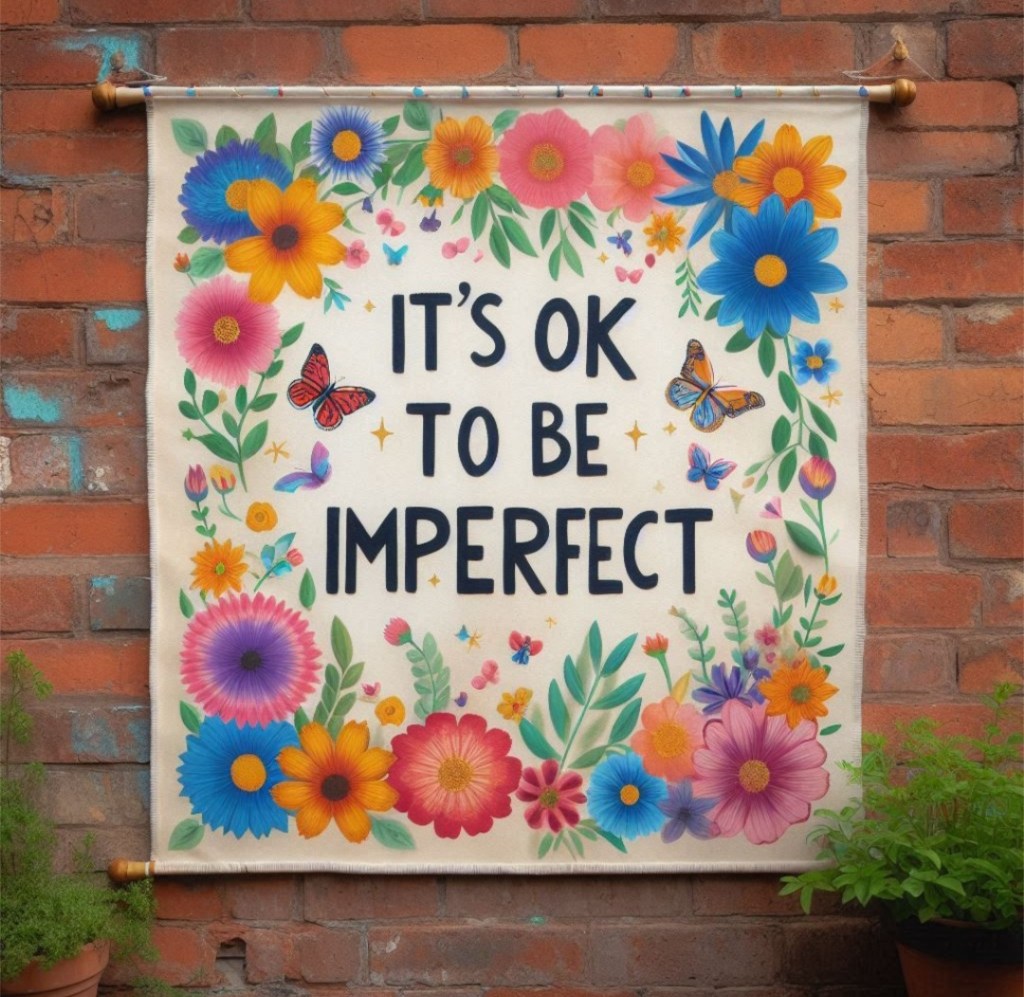
It’s Perfectly Okay to Be Imperfect

In a world that often glorifies perfection, embracing our imperfections can be a liberating and empowering experience. Here are some simple, realistic points that highlight why it’s perfectly okay to be imperfect:

1. Embrace Your Authentic Self

  • Realness Over Perfection: Embracing your imperfections allows you to be true to yourself, fostering deeper connections with others.
  • Unique Stories: Our flaws and imperfections tell our personal stories. They shape who we are and make us unique.

2. Learn and Grow

  • Mistakes as Learning Opportunities: Imperfections often come with valuable lessons. Each mistake is a chance to learn and grow, paving the way for personal development.
  • Resilience: Facing and accepting our flaws builds resilience. Overcoming challenges strengthens our character and helps us handle future setbacks more gracefully.

3. Redefine Success

  • Flawed Yet Thriving: Success doesn’t require perfection. Many successful people have faced failures and setbacks, proving that it’s our efforts and perseverance that count.
  • Setting Realistic Goals: Instead of aiming for perfection, set realistic and achievable goals. This shift in mindset leads to more sustainable success and happiness.

4. Connect with Others

  • Shared Imperfections: When we openly share our imperfections, we invite others to do the same. This creates a supportive environment where everyone feels safe to express their true selves.
  • Building Empathy: Recognizing that everyone has flaws fosters empathy and compassion, allowing us to connect more deeply with those around us.

5. Practice Self-Compassion

  • Be Kind to Yourself: Treat yourself with the same kindness and understanding that you would offer a friend. Accepting your imperfections is a form of self-love.
  • Mindfulness: Practicing mindfulness helps us stay present and appreciate ourselves as we are, rather than how we think we should be.

6. Challenge Perfectionism

  • Letting Go of High Standards: Perfectionism can be paralyzing. Challenge the notion that you must meet impossibly high standards to be worthy or successful.
  • Celebrate Progress: Focus on the progress you make rather than the end result. Celebrate small victories and the steps you take towards your goals.

7. Shift Your Perspective

  • View Imperfections as Strengths: Sometimes, our flaws can become our greatest assets. They can inspire creativity, innovation, and problem-solving.
  • A Different Lens: Try to view imperfections as a natural part of life, not something to be ashamed of. This perspective shift can lead to greater acceptance and peace.

Conclusion

Embracing imperfection is a journey, not a destination. It takes time and practice to shift our mindset, but the benefits are profound. By accepting our flaws, we open ourselves up to authenticity, growth, connection, and joy. Remember, it’s perfectly okay to be imperfect—after all, that’s what makes us human.

Practical Ways to Manage Anger and Frustration in Daily Life

Anger and frustration are natural emotions, but how we manage them makes all the difference. Controlling these emotions can help improve relationships, mental well-being, and overall quality of life. Here are simple, practical tips to help you manage anger and frustration in real-life situations.


1. Take Deep Breaths

  • When you feel anger rising, pause and take slow, deep breaths.
  • Deep breathing helps relax the mind and body by lowering your heart rate.
  • Inhale deeply through your nose, hold for a few seconds, then exhale slowly through your mouth.

2. Count to 10

  • Before reacting, count slowly to 10.
  • This gives you a moment to collect your thoughts and prevents immediate, impulsive reactions.
  • If needed, count higher or walk away until you calm down.

3. Use Positive Self-Talk

  • Replace negative thoughts with calming, positive statements like:
    • “I can handle this.”
    • “Stay calm, this will pass.”
  • Positive self-talk helps shift your mindset from anger to problem-solving.

4. Identify Triggers

  • Recognize the situations or people that trigger your anger.
  • Avoid these triggers if possible, or plan ahead on how to react more calmly when faced with them.

5. Take a Break

  • Stepping away from a heated situation can prevent it from escalating.
  • A short walk, listening to music, or a brief distraction can give you a fresh perspective and cool down your emotions.

6. Practice Empathy

  • Try to understand the other person’s perspective. This can reduce anger by shifting focus from blame to understanding.
  • Ask yourself: “What is the other person feeling? Why are they acting this way?”

7. Channel Energy Productively

  • Engage in physical activities like exercise, walking, or even cleaning when frustrated.
  • Physical activity releases tension and redirects your energy in a positive way.

8. Express Yourself Calmly

  • Once you’ve calmed down, express your feelings clearly and respectfully.
  • Use “I” statements to avoid sounding accusatory, such as, “I feel upset when…”

9. Solve the Problem

  • Instead of focusing on your anger, work towards finding a solution to the problem.
  • Break down the issue into manageable steps, and focus on what you can control.

10. Practice Gratitude

  • Regularly reflecting on the things you are grateful for can reduce overall frustration and improve your mood.
  • Start or end your day by listing things you appreciate, helping to foster a positive outlook.

Final Thoughts

Learning to manage anger and frustration takes practice, but these simple strategies can help you handle challenging situations more calmly and effectively. Remember, it’s not about suppressing your emotions but managing them in a way that leads to positive outcomes for yourself and others.

Boost Your Emotional Intelligence: Strategies for Personal and Professional Growth

Emotional Intelligence: Why It Matters and How to Improve It

Emotional Intelligence (EI) is the ability to understand and manage your own emotions, as well as recognize and influence the emotions of others. Here’s why it matters and how you can improve it:

Why Emotional Intelligence Matters

  1. Better Relationships
    • Quote: “The greatest ability in business is to get along with others and to influence their actions.” – John Hancock
    • Understanding emotions helps you connect with others, fostering strong personal and professional relationships.
  2. Improved Communication
    • Quote: “Effective communication is 20% what you know and 80% how you feel about what you know.” – Jim Rohn
    • High EI enables clearer and more empathetic communication, reducing misunderstandings and conflicts.
  3. Enhanced Decision-Making
    • Quote: “Emotions can get in the way or get you on the way.” – Mavis Mazhura
    • Being aware of your emotions can help you make more balanced and thoughtful decisions.
  4. Increased Self-Awareness
    • Quote: “Knowing yourself is the beginning of all wisdom.” – Aristotle
    • Understanding your emotions and their impact helps you grow and improve in both personal and professional areas.
  5. Better Stress Management
    • Quote: “It’s not stress that kills us, it is our reaction to it.” – Hans Selye
    • High EI helps you manage stress better by recognizing and addressing your emotional responses.

How to Improve Emotional Intelligence

  1. Practice Self-Awareness
    • Reflect on your emotions and how they influence your thoughts and actions.
    • Tip: Keep a journal to track your emotional responses and identify patterns.
  2. Develop Self-Regulation
    • Learn to control your emotional impulses and think before acting.
    • Tip: Practice deep breathing or meditation to stay calm in stressful situations.
  3. Enhance Empathy
    • Try to understand and share the feelings of others.
    • Tip: Listen actively and ask open-ended questions to better understand others’ perspectives.
  4. Improve Social Skills
    • Work on building and maintaining healthy relationships.
    • Tip: Practice effective communication, show appreciation, and resolve conflicts calmly.
  5. Cultivate Motivation
    • Find internal motivation to pursue your goals with passion and persistence.
    • Tip: Set personal goals and celebrate small achievements to keep yourself motivated.
  6. Seek Feedback
    • Ask for constructive feedback from trusted friends or colleagues to gain insights into your emotional behavior.
    • Tip: Be open to criticism and use it as an opportunity for growth.

Quote to Remember: “Emotional intelligence is the key to both personal and professional success.” – Daniel Goleman

By focusing on these areas, you can enhance your emotional intelligence and reap the benefits in all aspects of your life. Remember, improving EI is a continuous journey that requires practice and dedication.

Exploring Self-Awareness: Unlocking Your Inner Potential

In our journey of personal growth and fulfillment, self-awareness acts as a guiding light. It empowers us to understand our thoughts, emotions, strengths, weaknesses, and aspirations, allowing us to navigate life’s twists and turns with clarity and purpose. However, developing self-awareness requires practice and commitment.

Understanding Self-Awareness:

Self-awareness is the ability to observe and understand our own thoughts, feelings, and behaviors without judgment. It involves tuning into our inner world, recognizing patterns, and gaining insights into what drives us. When we are self-aware, we can make conscious choices, manage our emotions effectively, and live in alignment with our values and goals.

The Significance of Self-Awareness:

  1. Enhanced Decision Making: Self-aware individuals can make decisions that are in line with their values, preferences, and long-term goals. By understanding their motivations and thought processes, they can weigh options more effectively and choose the path that resonates with them.
  2. Improved Relationships: Self-awareness fosters empathy, communication, and understanding in relationships. When we are aware of our own emotions and behaviors, we can relate to others more authentically, cultivate deeper connections, and resolve conflicts more constructively.
  3. Effective Stress Management: Self-awareness enables us to recognize stress triggers and coping mechanisms, allowing us to respond to stressful situations with greater resilience and composure. By understanding our emotional responses, we can navigate challenges with grace and poise.
  4. Personal Growth: Self-awareness is the cornerstone of personal growth and development. By continuously reflecting on our experiences, strengths, and areas for improvement, we can evolve into the best versions of ourselves and lead more fulfilling lives.

Practical Exercises to Cultivate Self-Awareness:

  1. Journaling: Set aside time each day to journal about your thoughts, feelings, and experiences. Write freely without censorship, exploring your innermost thoughts and emotions. Reflect on patterns, triggers, and insights that emerge from your writing.
  2. Mindfulness Meditation: Practice mindfulness meditation to cultivate present-moment awareness and non-judgmental observation of your thoughts and sensations. Start with a few minutes of focused breathing, gradually increasing the duration as you become more comfortable.
  3. Self-Reflection Questions: Set aside time for self-reflection by asking yourself probing questions about your values, goals, fears, and aspirations. Examples include: “What brings me joy?” “What are my greatest strengths?” “What limiting beliefs hold me back?”
  4. Feedback Seeking: Solicit feedback from trusted friends, mentors, or colleagues about your strengths, weaknesses, and blind spots. Listen openly to their perspectives, embracing constructive criticism as an opportunity for growth and self-discovery.
  5. Values Clarification: Identify your core values—principles that guide your decisions and actions. Create a list of your top values and reflect on why they are important to you. Aligning your actions with your values can enhance your sense of fulfillment and purpose.
  6. Goal Setting: Set SMART (Specific, Measurable, Achievable, Relevant, Time-bound) goals for different areas of your life, such as career, relationships, health, and personal growth. Break down larger goals into smaller, actionable steps, and track your progress regularly.

Conclusion:

Self-awareness is a transformative skill that empowers us to live authentically, purposefully, and joyfully. By incorporating simple yet effective exercises into our daily routine, we can deepen our understanding of ourselves, unlock our inner potential, and cultivate a life of meaning and fulfillment. Embrace the journey of self-discovery with curiosity and compassion, and watch as the seeds of self-awareness blossom into profound personal growth and transformation.

Decoding Emotional Intelligence: Fresh Insights from Science and Notable Personalities

Neuroscience of Emotional Intelligence:

    • “Emotional intelligence is not just a buzzword; it’s backed by science. Studies show that the brain regions associated with empathy, self-awareness, and emotional regulation are keys to understand emotional intelligence.” – Daniel Goleman
    • “The mind is everything. What you think, you become.” – Buddha
    1. Emotional Intelligence and Mental Health:
    • “Our emotional intelligence impacts our mental health profoundly. Developing resilience and self-awareness can help us navigate life’s challenges with greater ease and grace.” – Deepak Chopra
    • “You, yourself, as much as anybody in the entire universe, deserve your love and affection.” – Buddha
    1. EI in Leadership and Work Performance:
    • “Leadership is not about being in charge. It’s about taking care of those in your charge. Emotional intelligence is the key to effective leadership and high-performing teams.” – Simon Sinek
    • “The only way to do great work is to love what you do.” – Steve Jobs
    1. Cultivating Emotional Intelligence:
    • “Mindfulness meditation and empathy training are powerful tools for cultivating emotional intelligence. By practicing self-awareness and empathy, we can enhance our relationships and well-being.” – Brené Brown
    • “The greatest glory in living lies not in never falling, but in rising every time we fall.” – Nelson Mandela

    Conclusion:
    As these quotes from influential figures demonstrate, emotional intelligence is not only supported by science but also embodies timeless wisdom. By embracing the principles of emotional intelligence and incorporating them into our lives, we can enhance our mental health, leadership abilities, and overall success. Let us remember that the journey to unlocking the power of emotional intelligence begins with self-awareness, empathy, and a commitment to continuous growth and development.

    Mastering Stress: Recognizing Stressors and Embracing Remedies

    1. Stress:

    • Stress is a complex physiological and psychological response that occurs when individuals perceive threats, challenges, or demands in their environment.
    • This response triggers the body’s “fight or flight” mechanism, activating various systems such as the nervous, endocrine, and immune systems to prepare for action.
    • While stress is a natural and adaptive response, chronic or excessive stress can have detrimental effects on physical health, mental well-being, and overall quality of life.

    2. Recognizing Stressors:

    • Stressors are external factors, events, or situations that provoke stress reactions in individuals.
    • They can vary widely in nature and can include work-related pressures (e.g., deadlines, workload), financial concerns (e.g., debt, financial instability), relationship dynamics (e.g., conflicts, communication breakdowns), health issues, major life changes (e.g., relocation, job loss), and environmental factors (e.g., noise, pollution).
    • Identifying stressors is essential for understanding the sources of stress and developing effective coping strategies.

    Examples of Stressors and Remedies:

    • Work-related Stress:
      • Excessive workload, tight deadlines, and high job demands can lead to stress and burnout.
      • Remedies may include time management techniques, setting realistic goals, delegating tasks, seeking support from colleagues or supervisors, and establishing work-life balance boundaries.
    • Financial Stress:
      • Financial difficulties, debt, and economic uncertainty can cause significant stress and anxiety.
      • Remedies may include creating a budget, seeking financial counseling or assistance, exploring additional income opportunities, and practicing frugality and financial planning.
    • Relationship Strain:
      • Conflict, misunderstandings, and interpersonal tensions in relationships can contribute to stress.
      • Remedies may include open and honest communication, seeking couples counseling or therapy, practicing empathy and active listening, setting boundaries, and nurturing positive aspects of the relationship.

    3. Effective Remedies for Stress:

    • While stress cannot be entirely avoided, individuals can adopt various strategies to manage and reduce its impact:
    • Mindfulness and Meditation:
      • Mindfulness practices, such as meditation, deep breathing exercises, and mindfulness-based stress reduction (MBSR) techniques, can help individuals cultivate awareness, focus, and relaxation, leading to reduced stress levels and increased resilience.
    • Regular Exercise:
      • Engaging in physical activity, such as aerobic exercises, strength training, yoga, or tai chi, releases endorphins (natural mood elevators), reduces cortisol levels (stress hormone), improves sleep quality, and enhances overall physical and mental well-being.
    • Social Support:
      • Building and maintaining supportive relationships with friends, family members, peers, or support groups provides emotional comfort, encouragement, and practical assistance during challenging times, buffering the negative effects of stress and promoting psychological resilience.

    Conclusion:

    • Stress is an inevitable aspect of life, but individuals can take proactive steps to manage and cope with stress effectively.
    • By recognizing stressors, implementing practical remedies, and seeking support when needed, individuals can enhance their ability to adapt to stressors, promote well-being, and lead fulfilling lives.
    • Ultimately, developing resilience and adopting healthy coping mechanisms are essential for navigating life’s challenges with strength, optimism, and resilience.

    Balancing Emotions for Mental Wellness: A Practical Guide

    Quotes from Famous Personalities:

    1. Daniel Goleman, Author of Emotional Intelligence:“In a very real sense, we have two minds, one that thinks and one that feels.”
    2. Brene Brown, Researcher and Author:“Vulnerability is not winning or losing; it’s having the courage to show up and be seen when we have no control over the outcome.”
    3. Dalai Lama:“The more you are motivated by love, the more fearless and free your actions will be.”

    Introduction: In our fast-paced world, the importance of mental health and emotional well-being is gaining recognition. One key factor that significantly influences mental health is emotional intelligence (EI). Understanding the connection between emotional intelligence and mental health can empower individuals to cultivate a healthier and more resilient mindset.

    The Basics of Emotional Intelligence: Emotional intelligence involves recognizing, understanding, and managing one’s own emotions, as well as being attuned to the emotions of others. This skill set plays a crucial role in shaping how we navigate life’s challenges and maintain mental well-being.

    The Impact on Mental Health:

    1. Reducing Stress: High emotional intelligence enables better stress management by recognizing and addressing stressors effectively.
    2. Building Resilience: Individuals with strong EI are better equipped to bounce back from setbacks and cope with adversity.
    3. Enhancing Relationships: Improved interpersonal skills contribute to healthier connections, reducing feelings of isolation and loneliness.
    4. Emotion Regulation: Understanding and regulating emotions helps prevent the negative impact of prolonged periods of emotional distress.
    5. Self-Awareness: Recognizing and understanding one’s own emotions is a fundamental aspect of emotional intelligence, providing the foundation for effective self-care.

    Real-Life Activities to Boost Emotional Intelligence and Mental Health:

    1. Daily Journaling:
      • Reflect on your emotions and identify patterns.
      • Note positive experiences to cultivate gratitude.
    2. Mindfulness Meditation:
      • Practice mindfulness to stay present and manage stress.
      • Focus on your breath and observe your emotions without judgment.
    3. Empathy Exercises:
      • Engage in active listening during conversations.
      • Put yourself in others’ shoes to understand their perspectives.
    4. Stress-Relief Techniques:
      • Learn and practice stress-relief techniques like deep breathing or progressive muscle relaxation.
      • Create a personalized relaxation routine to unwind after challenging days.
    5. Positive Affirmations:
      • Develop a list of positive affirmations.
      • Repeat these affirmations daily to promote a positive self-image.
    6. Conflict Resolution Practice:
      • Work on resolving conflicts calmly and constructively.
      • Seek compromise and focus on finding solutions rather than dwelling on problems.
    7. Social Connection Building:
      • Foster meaningful connections with friends and family.
      • Engage in social activities that bring joy and a sense of belonging.
    8. Goal Setting and Planning:
      • Set realistic goals to create a sense of purpose.
      • Develop a plan to achieve these goals, breaking them into manageable steps.
    9. Physical Exercise:
      • Regular physical activity is linked to improved mood and reduced stress.
      • Choose activities that you enjoy to make exercise a positive experience.

    Conclusion: In conclusion, nurturing emotional intelligence is a powerful tool for safeguarding mental health. By incorporating these real-life activities into our daily routines, we can enhance our emotional intelligence, paving the way for improved mental well-being and a more fulfilling life. Understanding and developing emotional intelligence is an ongoing process, and small, consistent efforts can yield significant positive results over time.