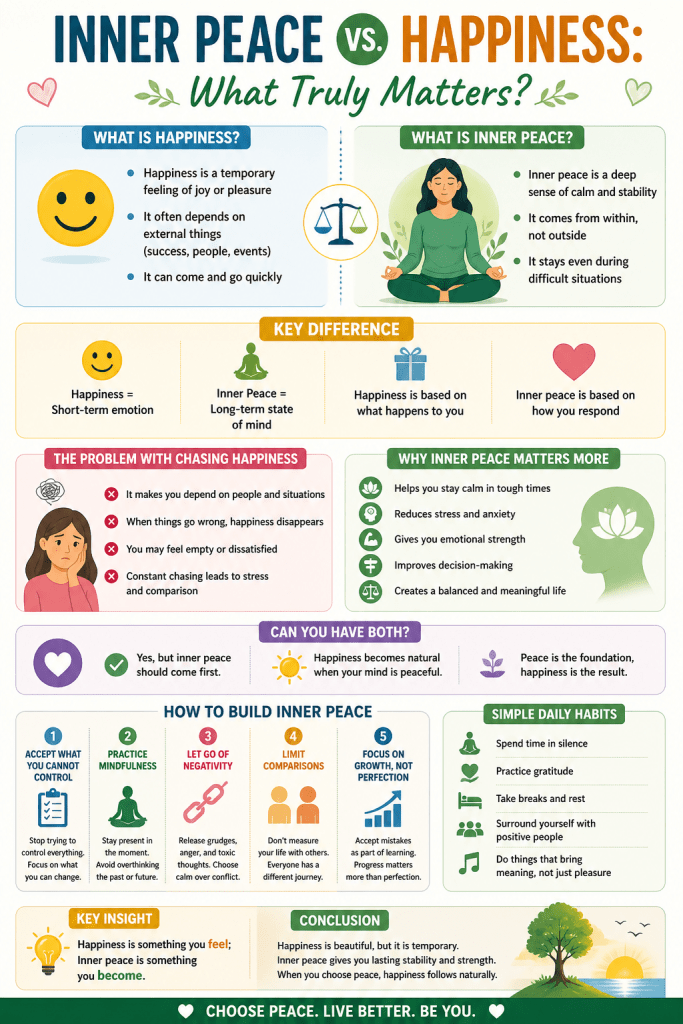
This blog is a handy guide that helps you streamline your daily tasks, save and grow your money, and get better at handling your feelings. It’s filled with easy-to-follow advice that makes a big difference in how you work, spend, and feel. Dive into our Pioneeredge.io site for practical tips and tricks that make life smoother and more fulfilling.
We often think of silence as just the absence of noise. But silence is much more than that. It can be a powerful tool for peace, clarity, and personal growth.
🌿 1. Silence helps you think clearly
It gives your mind space to process thoughts.
Without distractions, you can understand what’s really going on inside you.
🧠 2. Silence reduces stress
A quiet moment can calm your mind.
It helps slow down your breathing and heart rate.
🤫 3. Silence improves focus
In silence, you concentrate better.
Tasks are easier to complete without background noise.
💭 4. Silence brings inner peace
When everything around you is quiet, your thoughts settle.
You begin to feel more at ease and grounded.
🧘 5. Silence connects you with yourself
You can hear your inner voice.
It helps you understand your true feelings and desires.
🎯 6. Silence improves decision-making
Taking a silent pause before acting leads to better choices.
You avoid reacting in anger or stress.
👂 7. Silence makes you a better listener
By staying quiet, you really hear what others are saying.
It shows respect and builds stronger relationships.
💡 8. Silence sparks creativity
When the world is quiet, your imagination becomes active.
Great ideas often come during silent moments.
🙏 9. Silence brings spiritual clarity
Many spiritual traditions use silence to connect with a higher power.
It leads to deeper awareness and mindfulness.
🕊️ 10. Silence is healing
It refreshes your mind and soul.
Just a few minutes of silence a day can improve your well-being.
✨ Conclusion
Silence isn’t empty—it’s full of meaning. In a noisy world, silence is a gift. It allows you to pause, reflect, and grow. Try sitting in silence for just a few minutes each day. You’ll be surprised how much you discover—about life, and about yourself.
Managing your tasks efficiently is crucial for productivity and stress reduction. The ABC method is a simple and effective way to prioritize your tasks, ensuring that you focus on what’s most important. Here’s a guide on how to use the ABC method to organize your to-do lists.
What is the ABC Method?
The ABC method involves categorizing your tasks into three groups: A, B, and C. Each category represents a different level of priority.
A tasks are the most critical and should be done first.
B tasks are important but not as urgent.
C tasks are the least important and can be done later.
Steps to Implement the ABC Method
1. List All Tasks
Write down everything you need to do. Don’t worry about the order or priority yet. This is your brain dump.
2. Categorize Tasks
Go through your list and label each task as A, B, or C based on its importance and urgency.
A Tasks: These are your top priorities. They have significant consequences if not done promptly. For example, submitting a project due today.
B Tasks: These are important but not immediate. They should be completed after A tasks. For example, preparing for a meeting next week.
C Tasks: These are nice-to-do tasks. They can be postponed without major repercussions. For example, organizing your desk.
3. Rank Tasks within Each Category
For tasks labeled as A, B, or C, rank them in order of importance. For instance, A1 is more critical than A2.
4. Focus on A Tasks First
Start your day by working on A tasks. Complete them before moving on to B tasks, and then to C tasks.
5. Break Down Larger Tasks
If an A task seems overwhelming, break it down into smaller, manageable sub-tasks. This can make it less daunting and easier to start.
6. Set Deadlines
Assign deadlines to your tasks to create a sense of urgency. This helps in maintaining focus and ensures timely completion of tasks.
7. Use Tools and Apps
Utilize productivity tools and apps that support the ABC method. Apps like Todoist, Trello, or Microsoft To Do can help you organize and prioritize tasks efficiently.
8. Review and Adjust Regularly
At the end of each day or week, review your to-do list. Adjust the priorities as needed based on new tasks or changes in urgency.
9. Limit Distractions
While working on A tasks, minimize distractions. Turn off notifications, set specific work hours, and create a conducive work environment.
10. Celebrate Small Wins
Acknowledge and celebrate the completion of tasks, especially A tasks. This can boost motivation and keep you on track.
Benefits of the ABC Method
Increased Focus: By concentrating on the most critical tasks first, you ensure that your most important work gets done.
Better Time Management: Helps you allocate your time more effectively by prioritizing tasks.
Reduced Stress: Knowing you’re working on what matters most can alleviate stress and improve your sense of control.
Enhanced Productivity: You’re less likely to procrastinate and more likely to complete important tasks on time.
Improved Decision Making: Prioritizing tasks helps you make better decisions about where to invest your time and energy.
Tips for Success
Be Honest: Be realistic about what constitutes an A, B, or C task. Don’t label everything as A.
Stay Flexible: Be prepared to re-prioritize tasks as circumstances change.
Limit A Tasks: Try to limit the number of A tasks to 3-5 per day to avoid burnout.
Delegate: If possible, delegate C tasks to free up more time for A and B tasks.
Reflect on Achievements: Regularly reflect on what you’ve accomplished. This helps in maintaining a positive outlook and recognizing progress.
Maintain Work-Life Balance: Ensure that your task list includes personal time and self-care activities to maintain overall well-being.
Use Visual Aids: Visual tools like charts and diagrams can help in organizing and tracking your tasks more effectively.
Conclusion
The ABC method is a straightforward yet powerful way to manage your to-do lists. By categorizing tasks by priority, you can focus on what’s most important, manage your time better, and reduce stress. Start implementing the ABC method today to boost your productivity and achieve your goals more effectively.
In our journey of personal growth and fulfillment, self-awareness acts as a guiding light. It empowers us to understand our thoughts, emotions, strengths, weaknesses, and aspirations, allowing us to navigate life’s twists and turns with clarity and purpose. However, developing self-awareness requires practice and commitment.
Understanding Self-Awareness:
Self-awareness is the ability to observe and understand our own thoughts, feelings, and behaviors without judgment. It involves tuning into our inner world, recognizing patterns, and gaining insights into what drives us. When we are self-aware, we can make conscious choices, manage our emotions effectively, and live in alignment with our values and goals.
The Significance of Self-Awareness:
Enhanced Decision Making: Self-aware individuals can make decisions that are in line with their values, preferences, and long-term goals. By understanding their motivations and thought processes, they can weigh options more effectively and choose the path that resonates with them.
Improved Relationships: Self-awareness fosters empathy, communication, and understanding in relationships. When we are aware of our own emotions and behaviors, we can relate to others more authentically, cultivate deeper connections, and resolve conflicts more constructively.
Effective Stress Management: Self-awareness enables us to recognize stress triggers and coping mechanisms, allowing us to respond to stressful situations with greater resilience and composure. By understanding our emotional responses, we can navigate challenges with grace and poise.
Personal Growth: Self-awareness is the cornerstone of personal growth and development. By continuously reflecting on our experiences, strengths, and areas for improvement, we can evolve into the best versions of ourselves and lead more fulfilling lives.
Practical Exercises to Cultivate Self-Awareness:
Journaling: Set aside time each day to journal about your thoughts, feelings, and experiences. Write freely without censorship, exploring your innermost thoughts and emotions. Reflect on patterns, triggers, and insights that emerge from your writing.
Mindfulness Meditation: Practice mindfulness meditation to cultivate present-moment awareness and non-judgmental observation of your thoughts and sensations. Start with a few minutes of focused breathing, gradually increasing the duration as you become more comfortable.
Self-Reflection Questions: Set aside time for self-reflection by asking yourself probing questions about your values, goals, fears, and aspirations. Examples include: “What brings me joy?” “What are my greatest strengths?” “What limiting beliefs hold me back?”
Feedback Seeking: Solicit feedback from trusted friends, mentors, or colleagues about your strengths, weaknesses, and blind spots. Listen openly to their perspectives, embracing constructive criticism as an opportunity for growth and self-discovery.
Values Clarification: Identify your core values—principles that guide your decisions and actions. Create a list of your top values and reflect on why they are important to you. Aligning your actions with your values can enhance your sense of fulfillment and purpose.
Goal Setting: Set SMART (Specific, Measurable, Achievable, Relevant, Time-bound) goals for different areas of your life, such as career, relationships, health, and personal growth. Break down larger goals into smaller, actionable steps, and track your progress regularly.
Conclusion:
Self-awareness is a transformative skill that empowers us to live authentically, purposefully, and joyfully. By incorporating simple yet effective exercises into our daily routine, we can deepen our understanding of ourselves, unlock our inner potential, and cultivate a life of meaning and fulfillment. Embrace the journey of self-discovery with curiosity and compassion, and watch as the seeds of self-awareness blossom into profound personal growth and transformation.