This blog is a handy guide that helps you streamline your daily tasks, save and grow your money, and get better at handling your feelings. It’s filled with easy-to-follow advice that makes a big difference in how you work, spend, and feel. Dive into our Pioneeredge.io site for practical tips and tricks that make life smoother and more fulfilling.
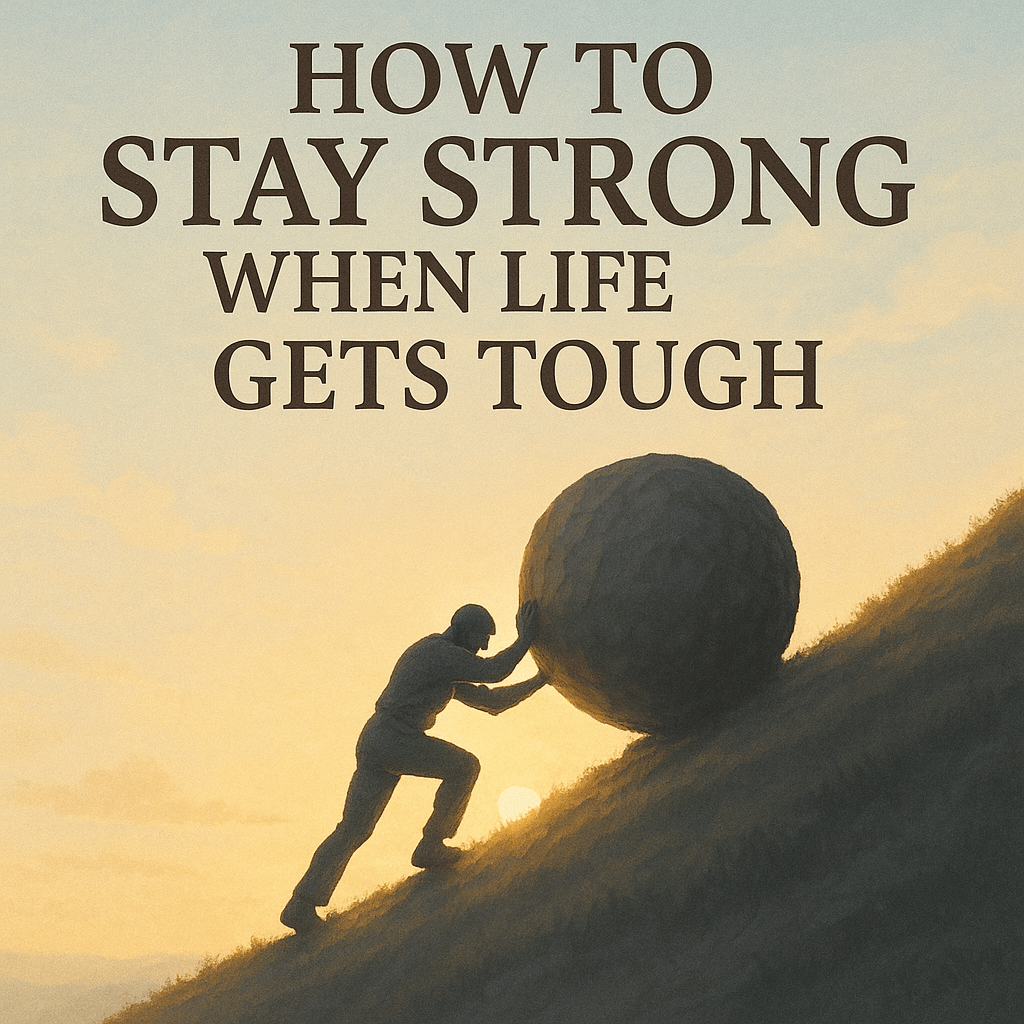
Mental toughness is the ability to stay strong, focused, and calm—even when life gets difficult. It doesn’t mean you’re emotionless, but that you don’t give up easily. Here’s how you can build it step by step:
1. Start Your Day with Purpose
Wake up with a plan or goal in mind.
Avoid immediately checking your phone.
Take 5 minutes to reflect or set your intention for the day.
2. Do Difficult Things First
Tackle your most challenging task early.
This builds confidence and discipline.
It also reduces stress for the rest of the day.
3. Practice Self-Control
Learn to say “no” when needed.
Avoid emotional outbursts—pause and breathe.
Respond, don’t react.
4. Accept What You Can’t Control
Don’t waste energy on things outside your control (like traffic or other people’s opinions).
Learn to say: “This is hard, but I can handle it.”
6. Learn from Mistakes
Don’t fear failure; use it as a teacher.
Ask yourself: What can I learn from this?
Keep moving forward, even after a setback.
7. Keep Promises to Yourself
Do what you say you’ll do, even when it’s hard.
This builds self-respect and inner strength.
8. Take Care of Your Body
Eat well, sleep enough, and exercise regularly.
A strong body supports a strong mind.
9. Surround Yourself with Positive People
Be around those who uplift and challenge you.
Limit time with negative or toxic influences.
10. Practice Gratitude Daily
Write down 3 things you’re thankful for.
Gratitude builds resilience and peace of mind.
Final Thought:
Mental toughness isn’t about being perfect—it’s about staying steady during ups and downs. Build it slowly, one small action at a time. Over time, you’ll notice you’re stronger, calmer, and more confident in whatever life throws at you.
Striving for perfection drains time, energy, and mental peace.
People are realizing that chasing flawless results often leads to burnout, not happiness.
2. Progress Matters More Than Perfection
Taking action, even if it’s not perfect, moves you forward.
Small, consistent steps lead to bigger results over time.
3. Good Enough Saves Time
Perfecting every detail wastes valuable hours.
“Good enough” allows faster decision-making and quicker progress.
4. Perfection Is Often an Illusion
What feels perfect to one person might not to another.
Standards constantly change, making it impossible to please everyone.
5. Good Enough Encourages Innovation
When you stop fearing mistakes, you’re more willing to try new ideas.
Creativity flows better when you’re not stuck in a perfectionist mindset.
6. Real Success Comes from Adaptability
In today’s fast-moving world, flexibility is more important than flawlessness.
Those who adjust and move forward quickly win, not those who wait to be perfect.
7. It Improves Mental Health
Accepting “good enough” reduces anxiety, self-doubt, and stress.
It promotes a healthier relationship with yourself and your work.
8. Good Enough Builds Confidence
Finishing tasks (even imperfectly) builds momentum and belief in yourself.
You learn, grow, and improve with each completed effort.
9. The World Appreciates Authenticity, Not Perfection
People connect more with genuine efforts and honest mistakes.
Authentic work is often more inspiring than something that appears flawlessly staged.
10. Good Enough Is Sustainable
It’s a mindset you can maintain for the long term.
You stay productive, creative, and balanced without burning out.
🌟 Final Thought:
“Good enough” doesn’t mean careless. It means knowing when something is strong enough to serve its purpose — and trusting that it’s better to be real and done than stuck chasing an impossible perfect.
Life often presents us with moments that call for immediate action. The phrase “Now or Never” is a powerful reminder that some opportunities may never return once missed.
1. Opportunities Are Fleeting
Many chances in life are time-sensitive.
Delaying action can mean losing opportunities forever.
2. Overcoming Fear of Failure
Fear often holds us back from taking the first step.
Acting now helps overcome hesitation and builds confidence.
3. Progress Over Perfection
Waiting for the “perfect” moment often leads to inaction.
Start now, and refine your path as you go.
4. Building Momentum
Small actions today create momentum for bigger achievements tomorrow.
Consistent effort compounds into significant results over time.
5. Living Without Regrets
Regrets often stem from what we didn’t do, not from what we tried.
Taking action now ensures you won’t wonder “what if” later.
6. Creating a Sense of Urgency
A “Now or Never” attitude instills urgency in your goals.
It helps prioritize what truly matters and eliminates procrastination.
7. Seizing the Power of the Present Moment
The present is the only time we have control over.
Embrace it to shape your future and take charge of your destiny.
8. Inspiration for Others
Bold actions inspire those around you to take initiative in their own lives.
Your courage can create a ripple effect of positive change.
Simple Steps to Adopt the “Now or Never” Mindset
Set Clear Goals: Know what you want and why it’s important.
Break Down Tasks: Divide goals into manageable steps.
Eliminate Excuses: Challenge self-doubt and negative thoughts.
Act Small, But Start Now: Begin with one small action today.
Learn and Adjust: Use setbacks as lessons to improve.
Conclusion
Every moment is a choice—act now or let the chance slip away. Life rewards those who take action despite fear, uncertainty, or imperfection. So, whether it’s pursuing a dream, starting a new habit, or making a bold decision, remember: it’s now or never.
Stepping out of your comfort zone is one of the most empowering actions you can take for personal growth. While it can feel uncomfortable at first, embracing growth challenges leads to a more fulfilling and successful life.
1. Understanding the Comfort Zone
Your comfort zone is a mental space where you feel safe, familiar, and secure.
It often involves routine habits and predictable outcomes.
While it feels comforting, staying here limits personal development and potential.
2. Why It’s Important to Step Out
Personal Growth: Facing challenges leads to skill development and improved resilience.
New Experiences: It opens doors to new opportunities, relationships, and experiences.
Increased Confidence: Each time you face something difficult, you build more self-assurance.
Expanded Mindset: You start seeing the world and your capabilities in a broader light.
3. Common Fears of Leaving the Comfort Zone
Fear of Failure: You may worry about not succeeding, but failure is often the best teacher.
Fear of the Unknown: The unfamiliar can be intimidating, but it’s where growth happens.
Fear of Judgment: Concern about how others perceive you can hold you back, but remember, growth is personal, not public.
4. Steps to Break Free
Start Small: Begin with manageable challenges that push you just beyond your current limits.
Set Goals: Clear goals provide direction and make challenges feel achievable.
Embrace Discomfort: Understand that discomfort is a sign of growth, not a barrier.
Seek Support: Surround yourself with people who encourage and support your growth.
5. Benefits of Embracing Challenges
Increased Creativity: When faced with new situations, you learn to think outside the box.
Better Problem-Solving: You develop sharper skills in handling tough situations.
Personal Fulfillment: Overcoming challenges boosts your sense of achievement and satisfaction.
Growth Mindset: Regularly stepping out of your comfort zone fosters a mindset that thrives on learning and development.
6. Embrace the Journey
Growth is a journey, not a destination. The more you push yourself, the more you expand your capabilities.
Celebrate small wins along the way to stay motivated.
Conclusion:
Breaking free from your comfort zone might be intimidating at first, but it’s essential for growth. Embrace the challenges, take small steps, and trust in the process. You’ll soon realize that growth and transformation are waiting just outside your comfort zone.
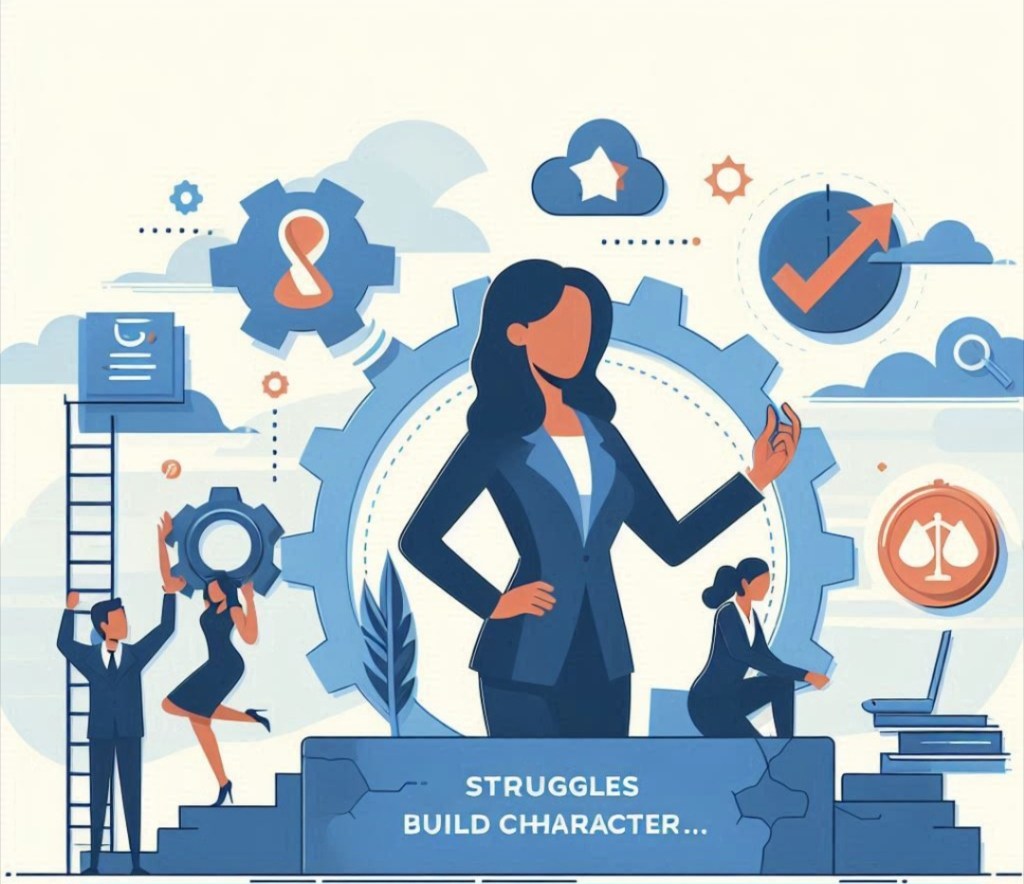
Introduction: Life is full of ups and downs, and we all experience struggles at some point. Whether it’s personal, professional, or emotional, these challenges can be difficult to face. However, struggles play a crucial role in shaping who we are and building our character. While we may want to avoid them, it is often through overcoming challenges that we grow stronger, wiser, and more resilient.
1. Strengthens Resilience:
Struggles teach us to bounce back from failures and setbacks. The more we face challenges, the stronger our ability to keep going despite difficulties.
Example: Every time we get through a tough situation, we become more confident in our ability to handle future challenges.
2. Develops Patience:
Struggle often requires time to overcome. During this process, we learn to be patient and trust that things will improve with effort and persistence.
Example: Working through a difficult project or overcoming a personal setback teaches us the value of waiting for positive outcomes.
3. Enhances Problem-Solving Skills:
Facing struggles forces us to think creatively and find solutions. It sharpens our ability to look at problems from different perspectives and come up with effective strategies.
Example: When you face obstacles, you learn to brainstorm alternatives and think outside the box to solve problems.
4. Builds Confidence:
Overcoming challenges boosts self-esteem. Each struggle we conquer reminds us of our capabilities and strengthens our belief in ourselves.
Example: Achieving a goal after hard work or getting through a difficult time makes us more confident in handling future challenges.
5. Encourages Self-Reflection:
Struggles often lead to personal growth by making us reflect on our strengths and weaknesses. Through self-reflection, we gain better self-awareness and understanding.
Example: After facing a tough time, we often take a step back and think about what we’ve learned about ourselves.
6. Cultivates Empathy and Compassion:
Going through struggles helps us understand the challenges others may face. This makes us more empathetic and compassionate towards others who are going through hard times.
Example: People who have faced financial struggles or health issues are often more understanding and supportive of others in similar situations.
7. Strengthens Mental Toughness:
Struggles build mental toughness, teaching us to stay calm under pressure and keep our emotions in check when things get difficult.
Example: Athletes, soldiers, and entrepreneurs all develop mental toughness by pushing through their struggles and staying focused on their goals.
8. Fuels Personal Growth:
Every challenge we face is an opportunity to grow. Struggles push us to step out of our comfort zones, learn new things, and develop as individuals.
Example: A difficult job, a failed relationship, or any setback can make us more mature and capable.
9. Teaches Gratitude:
Struggles help us appreciate the good things in life. Once we’ve been through tough times, we tend to be more grateful for the positive moments and the progress we’ve made.
Example: After overcoming illness or financial hardship, we appreciate our health and stability even more.
10. Builds Perseverance:
Struggles teach us not to give up. The more we persevere through difficulties, the more we learn to keep going, even when success seems far away.
Example: Inventors, scientists, and successful entrepreneurs often face repeated failures before they succeed, but their perseverance keeps them moving forward.
Conclusion:
Struggles are a necessary part of life, shaping who we are and helping us grow. Instead of fearing challenges, we should embrace them as opportunities to build character, strength, and resilience. Through struggle, we discover our true potential.
In today’s fast-paced world, working women face multiple pressures, both professionally and personally.
One major issue that often affects their confidence is body image and its direct link to self-esteem.
1. What is Body Image?
Body image refers to how a person perceives their own body and how they think others see them.
For working women, maintaining a positive body image can be challenging due to societal standards and media portrayal of “ideal” beauty.
2. The Link Between Body Image and Self-Esteem
Self-esteem is how much we value and feel confident about ourselves.
When a woman has a negative body image, it can directly impact her self-esteem, leading to feelings of inadequacy or insecurity.
3. Pressure from Society
Media often sets unrealistic beauty standards. This can make working women feel that they need to look a certain way to be accepted.
Social media, magazines, and advertisements often highlight physical appearances, leading to comparisons and dissatisfaction with one’s body.
4. Workplace Challenges
Working women feel pressured to meet both professional expectations and societal standards of beauty.
Body image issues can influence confidence levels at work, affecting job performance and professional relationships.
5. The Role of Self-Care
Self-care plays a crucial role in improving body image and self-esteem.
Simple practices like eating healthy, exercising, getting enough rest, and practicing mindfulness can help women feel better about their bodies.
6. Building a Positive Body Image
Shift the focus from appearance to health, strength, and capability.
Surround yourself with positive influences that promote body positivism and self-acceptance.
Engage in activities that make you feel confident and empowered.
7. Importance of Self-Acceptance
Accepting yourself as you are, is key to improving self-esteem.
Understanding that every body is unique and valuable can lead to a healthier, more positive outlook.
8. Encouraging Body Positivism in the Workplace
Promote body-positive conversations and create an inclusive environment where women feel confident and accepted.
Employers can support women by promoting a healthy work-life balance and encouraging positive self-image initiatives.
Conclusion:
Body image and self-esteem are deeply interconnected. For working women, maintaining a healthy balance between the two is vital. This is important for both personal and professional success.
It’s essential to embrace body positivism and foster a supportive environment that encourages self-confidence and well-being.
By addressing these issues and fostering a positive mindset, working women can improve both their self-esteem and overall quality of life.
Introduction: “Everyone has talent. What is rare is the courage to follow the talent to the dark place where it leads.” — Erica Jong
Everyone possesses unique strengths and talents.
These qualities play a crucial role in personal growth and success.
Recognizing Hidden Strengths: “You are never too old to set another goal or to dream a new dream.” — C.S. Lewis
Hidden strengths are abilities or qualities you may not realize you have.
These could include:
Problem-solving skills
Empathy
Creativity
Resilience
Often revealed in challenging situations or when stepping out of your comfort zone.
Why Are They Hidden? “Doubt kills more dreams than failure ever will.” — Suzy Kassem
Hidden due to self-doubt or lack of confidence.
Cultural and societal influences may cause people to overlook or undervalue their talents.
The fast-paced nature of life can prevent self-reflection.
The Importance of Discovering Your Talents: “What lies behind us and what lies before us are tiny matters compared to what lies within us.” — Ralph Waldo Emerson
Boosts self-esteem and helps set realistic goals.
Leads to personal and professional growth.
Allows for more effective contribution to your community and workplace.
How to Uncover Your Hidden Strengths: “Life isn’t about finding yourself. Life is about creating yourself.” — George Bernard Shaw
Self-Reflection: Think about what you enjoy and excel at, even if it seems trivial.
Feedback from Others: Others might see strengths in you that you overlook.
Explore New Experiences: Trying new activities or challenges can reveal hidden talents.
Journaling: Writing about your experiences can help identify recurring themes of strength and talent.
Nurturing and Developing Your Strengths: “The only way to do great work is to love what you do.” — Steve Jobs
Identify and nurture your strengths.
Set goals that align with your talents to keep improving.
Seek opportunities that allow you to use and refine your strengths.
Applying Your Strengths: “Success is not the key to happiness. Happiness is the key to success. If you love what you are doing, you will be successful.” — Albert Schweitzer
Apply strengths in various areas of life, such as work, relationships, and personal projects.
Use your talents to help others, which can reveal more hidden abilities.
Continually challenge yourself to grow and expand your skill set.
The Ripple Effect: “Believe you can and you’re halfway there.” — Theodore Roosevelt
Embracing your strengths can inspire others to do the same.
Creates a positive ripple effect, leading to a more empowered community.
Conclusion: “The only limit to our realization of tomorrow will be our doubts of today.” — Franklin D. Roosevelt
Everyone has hidden strengths and talents waiting to be discovered.
Uncovering and developing these qualities leads to a more fulfilling life.
Call to Action: “Your talent is God’s gift to you. What you do with it is your gift back to God.” — Leo Buscaglia
Reflect on your hidden strengths today.
Challenge yourself to uncover and develop a talent you haven’t fully explored yet.
“Fake it until you make it” is a popular saying encouraging individuals to act as if they already possess the qualities or achievements they desire, in order to actually attain them.
Key Points
Boosts Confidence
“Act as if what you do makes a difference. It does.” – William James
Pretending to be confident can help you develop actual confidence over time.
Encourages Positive Thinking
“Whether you think you can, or you think you can’t – you’re right.” – Henry Ford
Adopting a positive mindset can influence your actions and outcomes.
Helps Overcome Fear
“Do one thing every day that scares you.” – Eleanor Roosevelt
Acting confidently, even when you’re scared, can help you face and overcome fears.
Facilitates Skill Development
“Practice isn’t the thing you do once you’re good. It’s the thing you do that makes you good.” – Malcolm Gladwell
By acting as if you’re skilled, you put in the necessary practice to actually become skilled.
Improves Interpersonal Relationships
“You miss 100% of the shots you don’t take.” – Wayne Gretzky
Acting confidently in social situations can help you form better relationships and networks.
Promotes Professional Growth
“Success is not the key to happiness. Happiness is the key to success. If you love what you are doing, you will be successful.” – Albert Schweitzer
Embracing a confident persona at work can lead to more opportunities and professional advancement.
Supports Mental Resilience
“It’s not whether you get knocked down, it’s whether you get up.” – Vince Lombardi
Faking confidence helps build mental toughness, enabling you to recover from setbacks more effectively.
Practical Tips
Dress the Part: Your appearance can significantly influence how you feel about yourself.
Positive Body Language: Stand tall, make eye contact, and smile.
Set Small Goals: Achieve small successes to build genuine confidence over time.
Learn Continuously: Keep improving your skills and knowledge.
Seek Feedback: Constructive criticism can help you improve and grow.
Conclusion
“Fake it until you make it” is not about deception; it’s about harnessing the power of positive thinking and acting to transform your reality. By embracing this mindset, you can build the confidence and skills needed to achieve your goals and succeed in various aspects of life.