This blog is a handy guide that helps you streamline your daily tasks, save and grow your money, and get better at handling your feelings. It’s filled with easy-to-follow advice that makes a big difference in how you work, spend, and feel. Dive into our Pioneeredge.io site for practical tips and tricks that make life smoother and more fulfilling.
Thinking about past experiences helps you understand what worked and what didn’t.
But without action, these insights won’t create real change.
Quote:“Knowing is not enough; we must apply.” – Johann Wolfgang von Goethe
Action Brings Growth
Growth happens when you act on your reflections and implement changes.
Reflection alone leaves progress incomplete.
Small Steps Matter
Even small actions based on reflection can lead to big improvements over time.
Example: If you reflect on poor fitness but start walking for 10 minutes daily, you’ll see gradual progress.
Avoid Regret
Reflecting but not acting can lead to regrets about missed opportunities.
Quote:“Action is the foundational key to all success.” – Pablo Picasso
Reflection + Action = Success
Combine reflection and action to create a cycle of learning and improvement.
Example: Entrepreneurs improve by acting on customer feedback after reflecting on business challenges.
Learn From Mistakes
Reflection helps you see mistakes, but action ensures you learn from them.
Quote:“Success is not final, failure is not fatal: It is the courage to continue that counts.” – Winston Churchill
Build Confidence Through Action
Acting on your thoughts builds confidence and belief in your abilities.
Example: Overcoming public speaking fear starts with small actions like speaking in front of friends.
Key Takeaway: Reflection without action is like planning a journey but never starting it. Think, act, and grow—one step at a time. Quote:“An idea is nothing without the action to back it up.” – Unknown
Stepping out of your comfort zone is one of the most empowering actions you can take for personal growth. While it can feel uncomfortable at first, embracing growth challenges leads to a more fulfilling and successful life.
1. Understanding the Comfort Zone
Your comfort zone is a mental space where you feel safe, familiar, and secure.
It often involves routine habits and predictable outcomes.
While it feels comforting, staying here limits personal development and potential.
2. Why It’s Important to Step Out
Personal Growth: Facing challenges leads to skill development and improved resilience.
New Experiences: It opens doors to new opportunities, relationships, and experiences.
Increased Confidence: Each time you face something difficult, you build more self-assurance.
Expanded Mindset: You start seeing the world and your capabilities in a broader light.
3. Common Fears of Leaving the Comfort Zone
Fear of Failure: You may worry about not succeeding, but failure is often the best teacher.
Fear of the Unknown: The unfamiliar can be intimidating, but it’s where growth happens.
Fear of Judgment: Concern about how others perceive you can hold you back, but remember, growth is personal, not public.
4. Steps to Break Free
Start Small: Begin with manageable challenges that push you just beyond your current limits.
Set Goals: Clear goals provide direction and make challenges feel achievable.
Embrace Discomfort: Understand that discomfort is a sign of growth, not a barrier.
Seek Support: Surround yourself with people who encourage and support your growth.
5. Benefits of Embracing Challenges
Increased Creativity: When faced with new situations, you learn to think outside the box.
Better Problem-Solving: You develop sharper skills in handling tough situations.
Personal Fulfillment: Overcoming challenges boosts your sense of achievement and satisfaction.
Growth Mindset: Regularly stepping out of your comfort zone fosters a mindset that thrives on learning and development.
6. Embrace the Journey
Growth is a journey, not a destination. The more you push yourself, the more you expand your capabilities.
Celebrate small wins along the way to stay motivated.
Conclusion:
Breaking free from your comfort zone might be intimidating at first, but it’s essential for growth. Embrace the challenges, take small steps, and trust in the process. You’ll soon realize that growth and transformation are waiting just outside your comfort zone.
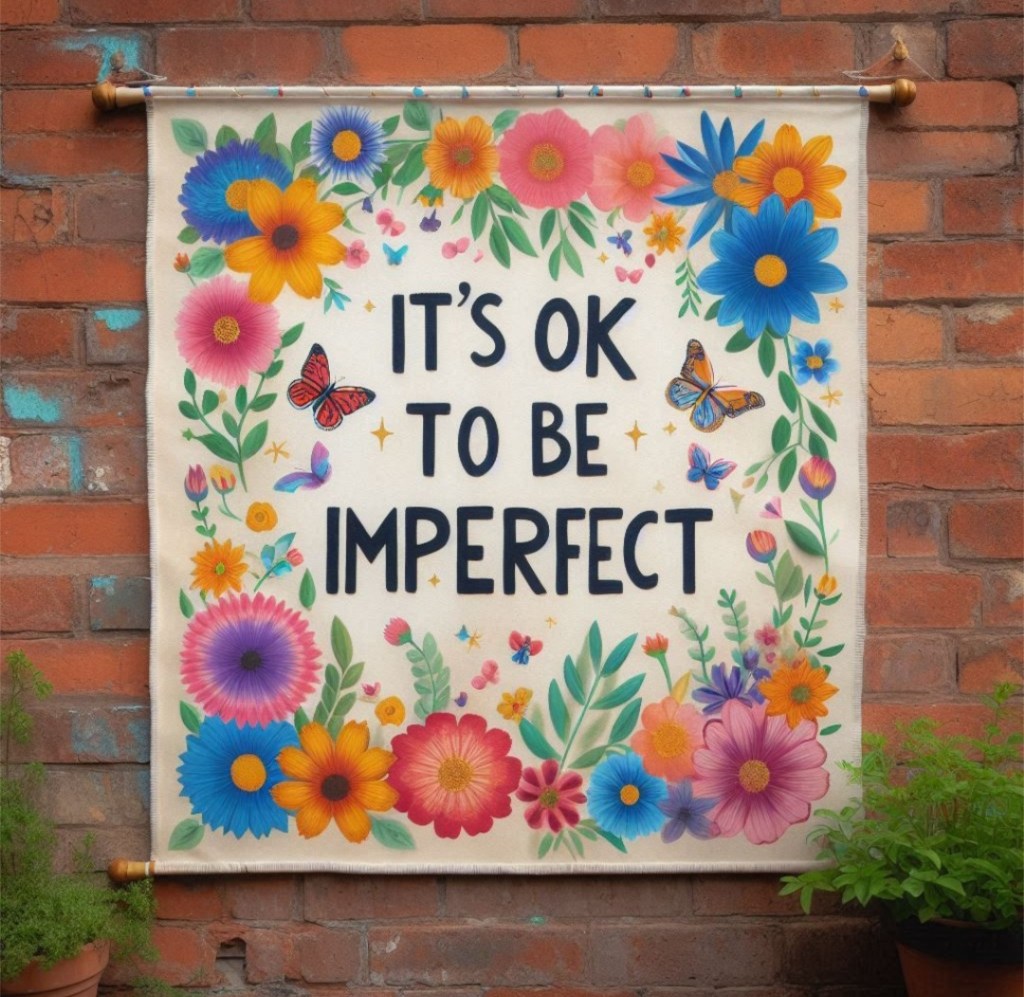
In a world that often glorifies perfection, embracing our imperfections can be a liberating and empowering experience. Here are some simple, realistic points that highlight why it’s perfectly okay to be imperfect:
1. Embrace Your Authentic Self
Realness Over Perfection: Embracing your imperfections allows you to be true to yourself, fostering deeper connections with others.
Unique Stories: Our flaws and imperfections tell our personal stories. They shape who we are and make us unique.
2. Learn and Grow
Mistakes as Learning Opportunities: Imperfections often come with valuable lessons. Each mistake is a chance to learn and grow, paving the way for personal development.
Resilience: Facing and accepting our flaws builds resilience. Overcoming challenges strengthens our character and helps us handle future setbacks more gracefully.
3. Redefine Success
Flawed Yet Thriving: Success doesn’t require perfection. Many successful people have faced failures and setbacks, proving that it’s our efforts and perseverance that count.
Setting Realistic Goals: Instead of aiming for perfection, set realistic and achievable goals. This shift in mindset leads to more sustainable success and happiness.
4. Connect with Others
Shared Imperfections: When we openly share our imperfections, we invite others to do the same. This creates a supportive environment where everyone feels safe to express their true selves.
Building Empathy: Recognizing that everyone has flaws fosters empathy and compassion, allowing us to connect more deeply with those around us.
5. Practice Self-Compassion
Be Kind to Yourself: Treat yourself with the same kindness and understanding that you would offer a friend. Accepting your imperfections is a form of self-love.
Mindfulness: Practicing mindfulness helps us stay present and appreciate ourselves as we are, rather than how we think we should be.
6. Challenge Perfectionism
Letting Go of High Standards: Perfectionism can be paralyzing. Challenge the notion that you must meet impossibly high standards to be worthy or successful.
Celebrate Progress: Focus on the progress you make rather than the end result. Celebrate small victories and the steps you take towards your goals.
7. Shift Your Perspective
View Imperfections as Strengths: Sometimes, our flaws can become our greatest assets. They can inspire creativity, innovation, and problem-solving.
A Different Lens: Try to view imperfections as a natural part of life, not something to be ashamed of. This perspective shift can lead to greater acceptance and peace.
Conclusion
Embracing imperfection is a journey, not a destination. It takes time and practice to shift our mindset, but the benefits are profound. By accepting our flaws, we open ourselves up to authenticity, growth, connection, and joy. Remember, it’s perfectly okay to be imperfect—after all, that’s what makes us human.
Introduction Experience is often considered the best teacher. While books and lectures provide valuable knowledge, it’s through real-life experiences that we truly learn and grow. Julius Caesar’s famous quote, “Experience is the teacher of all things,” reminds us that hands-on learning is essential for personal and professional development. Here’s why experience is so important.
1. Learning by Doing
Practical Application: Experience allows you to apply what you’ve learned in real situations. This practical application helps solidify your understanding.
Hands-On Skills: Whether it’s cooking, driving, or managing a project, hands-on experience builds skills that theory alone can’t provide.
2. Lessons from Mistakes
Trial and Error: Making mistakes is a natural part of the learning process. Experience teaches you what works and what doesn’t.
Personal Growth: Mistakes are opportunities for growth. They teach resilience, problem-solving, and adaptability.
3. Building Confidence
Gaining Competence: As you gain experience, you become more competent in your abilities. This competence boosts your confidence.
Facing Challenges: Experience helps you face challenges head-on. The more you overcome, the more confident you become.
4. Understanding Nuances
Beyond Theory: Experience teaches you the nuances that books can’t cover. It’s the small details and subtleties that make a big difference.
Context Matters: Real-life situations provide context that enhances your understanding and decision-making abilities.
5. Personal Wisdom
Learning What Works for You: Experience helps you discover what methods, strategies, or approaches work best for you.
Developing Intuition: Over time, experience hones your intuition, allowing you to make quicker, more informed decisions.
6. Emotional Growth
Building Empathy: Experience, especially challenging ones, helps you develop empathy and understanding for others.
Emotional Intelligence: Dealing with different situations and people improves your emotional intelligence, which is crucial for personal and professional relationships.
7. Adaptability
Handling Change: Experience teaches you how to adapt to new situations, environments, and challenges.
Being Resourceful: The more experiences you have, the better you become at finding creative solutions to problems.
8. Lifelong Learning
Continuous Improvement: Experience is a lifelong teacher. Every new experience provides an opportunity to learn and grow.
Staying Curious: Embrace new experiences with curiosity. They keep you engaged and continuously learning.
Conclusion Experience is indeed the teacher of all things. It provides practical knowledge, builds confidence, and fosters personal growth in ways that theoretical learning alone cannot. Embrace your experiences, learn from them, and remember that every new experience is an opportunity to grow and become better. After all, the lessons learned from experience are the ones that truly shape our lives.
Setting goals is a fundamental aspect of personal and professional growth. Goals provide direction, motivation, and a clear focus on what you want to achieve. However, simply having goals is not enough; you need a structured approach to turn your aspirations into reality.
1. Identify Your Goals
Self-reflection: Spend time thinking about what you truly want to achieve.
Specificity: Clearly define your goals. Instead of “I want to be fit,” try “I want to lose 10 kg in 3 months.”
2. Break Down Your Goals
Smaller Steps: Divide your goal into smaller, manageable tasks.
Milestones: Set milestones to track your progress. This keeps you motivated and helps you see how far you’ve come.
3. Make Your Goals SMART
Specific: Be clear about what you want to achieve.
Measurable: Ensure you can track your progress.
Achievable: Set realistic goals that are within your capabilities.
Relevant: Your goals should align with your broader objectives.
Time-bound: Set a deadline to create a sense of urgency.
4. Create a Plan of Action
Write it Down: Document your plan to make it more concrete.
Prioritize: Determine which tasks need immediate attention and which can wait.
Resources: Identify the resources you’ll need, such as time, money, or support from others.
5. Stay Committed and Consistent
Daily Habits: Integrate small tasks related to your goal into your daily routine.
Avoid Procrastination: Stay disciplined and avoid putting off tasks.
6. Monitor Your Progress
Regular Check-ins: Schedule regular intervals to review your progress.
Adjust as Needed: Be flexible and adjust your plan if you encounter obstacles or if circumstances change.
7. Stay Motivated
Celebrate Small Wins: Recognize and reward yourself for achieving milestones.
Stay Positive: Keep a positive mindset and remind yourself of why you set the goal in the first place.
Seek Support: Surround yourself with supportive people who can encourage and motivate you.
8. Learn from Setbacks
Reflect: Analyze what went wrong without being too harsh on yourself.
Adjust: Modify your plan to overcome future obstacles.
Persevere: Keep pushing forward, even when faced with difficulties.
9. Stay Accountable
Share Your Goals: Tell a friend or join a group with similar goals.
Track Progress Publicly: Consider blogging or using social media to share your journey.
10. Review and Celebrate
Evaluate: Once you reach your goal, take time to evaluate what worked and what didn’t.
Celebrate: Reward yourself for the hard work and effort.
Set New Goals: After achieving one goal, set new ones to continue growing and improving.
Conclusion
Setting and achieving goals is a process that requires careful planning, commitment, and adaptability. By following these simple steps, you can turn your aspirations into reality and continue to grow both personally and professionally.
“Fake it until you make it” is a popular saying encouraging individuals to act as if they already possess the qualities or achievements they desire, in order to actually attain them.
Key Points
Boosts Confidence
“Act as if what you do makes a difference. It does.” – William James
Pretending to be confident can help you develop actual confidence over time.
Encourages Positive Thinking
“Whether you think you can, or you think you can’t – you’re right.” – Henry Ford
Adopting a positive mindset can influence your actions and outcomes.
Helps Overcome Fear
“Do one thing every day that scares you.” – Eleanor Roosevelt
Acting confidently, even when you’re scared, can help you face and overcome fears.
Facilitates Skill Development
“Practice isn’t the thing you do once you’re good. It’s the thing you do that makes you good.” – Malcolm Gladwell
By acting as if you’re skilled, you put in the necessary practice to actually become skilled.
Improves Interpersonal Relationships
“You miss 100% of the shots you don’t take.” – Wayne Gretzky
Acting confidently in social situations can help you form better relationships and networks.
Promotes Professional Growth
“Success is not the key to happiness. Happiness is the key to success. If you love what you are doing, you will be successful.” – Albert Schweitzer
Embracing a confident persona at work can lead to more opportunities and professional advancement.
Supports Mental Resilience
“It’s not whether you get knocked down, it’s whether you get up.” – Vince Lombardi
Faking confidence helps build mental toughness, enabling you to recover from setbacks more effectively.
Practical Tips
Dress the Part: Your appearance can significantly influence how you feel about yourself.
Positive Body Language: Stand tall, make eye contact, and smile.
Set Small Goals: Achieve small successes to build genuine confidence over time.
Learn Continuously: Keep improving your skills and knowledge.
Seek Feedback: Constructive criticism can help you improve and grow.
Conclusion
“Fake it until you make it” is not about deception; it’s about harnessing the power of positive thinking and acting to transform your reality. By embracing this mindset, you can build the confidence and skills needed to achieve your goals and succeed in various aspects of life.
Starting any big journey or achieving a significant goal can feel overwhelming. The key to success lies in taking that first step. No matter how daunting the task may seem, breaking it down into small, manageable steps can make it achievable. Here are some simple and effective ways to start and stay motivated on your journey.
1. Start Small
Focus on the first step to avoid feeling overwhelmed.
Quote: “The journey of a thousand miles begins with one step.” – Lao Tzu
2. Embrace the Process
Value the journey and lessons learned along the way.
Quote: “Success is a journey, not a destination.” – Arthur Ashe
3. Overcome Fear
Break the cycle of inaction by starting.
Quote: “You don’t have to see the whole staircase, just take the first step.” – Martin Luther King Jr.
4. Stay Persistent
Keep moving forward, even slowly.
Quote: “It does not matter how slowly you go as long as you do not stop.” – Confucius
5. Set Clear Goals
Break goals into manageable steps and celebrate progress.
Quote: “Setting goals is the first step in turning the invisible into the visible.” – Tony Robbins
6. Learn Continuously
Use every experience as a learning opportunity.
Quote: “The only real mistake is the one from which we learn nothing.” – Henry Ford
7. Build Confidence
Each step enhances skills and confidence.
Quote: “Do the thing you think you cannot do.” – Eleanor Roosevelt
8. Stay Flexible
Adapt plans as needed to overcome obstacles.
Quote: “The measure of intelligence is the ability to change.” – Albert Einstein
9. Seek Support
Reach out for guidance and encouragement.
Quote: “We rise by lifting others.” – Robert Ingersoll
10. Maintain Positivity
Stay resilient and believe in your success.
Quote: “Keep your face always toward the sunshine.” – Walt Whitman
11. Visualize Success
Keep your end goal in mind for motivation.
Quote: “If you can dream it, you can do it.” – Walt Disney
12. Develop Routine
Establish a daily routine that supports your goals.
Quote: “We are what we repeatedly do.” – Aristotle
13. Celebrate Milestones
Recognize and celebrate your progress.
Quote: “The more you praise and celebrate your life, the more there is in life to celebrate.” – Oprah Winfrey
14. Reflect Regularly
Reflect on your progress and adjust plans as needed.
Quote: “Without reflection, we go blindly on our way.” – Margaret J. Wheatley
15. Practice Patience
Be patient and trust the process.
Quote: “Patience is not the ability to wait, but the ability to keep a good attitude while waiting.” – Joyce Meyer
16. Cultivate Gratitude
Appreciate your progress and the journey.
Quote: “Gratitude turns what we have into enough.” – Aesop
17. Stay Healthy
Maintain physical and mental health for sustained progress.
Quote: “To keep the body in good health is a duty.” – Buddha
18. Inspire Others
Share your journey to motivate others.
Quote: “Be the change that you wish to see in the world.” – Mahatma Gandhi
19. Track Progress
Keep a journal or log of your steps and milestones.
Quote: “What gets measured gets managed.” – Peter Drucker
20. Stay Focused
Avoid distractions and stay committed to your path.
Quote: “Focus on the journey, not the destination. Joy is found not in finishing an activity but in doing it.” – Greg Anderson
21. Embrace Failure
View setbacks as opportunities for growth.
Quote: “Failure is simply the opportunity to begin again, this time more intelligently.” – Henry Ford
By incorporating these principles into your life, you can embark on any journey with confidence and determination. Remember, every significant accomplishment starts with that all-important first step.