Quantum Superposition: You Can Be More Than One Version of Yourself

Introduction

In quantum physics, superposition means a particle can exist in multiple states at the same time until someone observes it. This mind-bending idea isn’t just for scientists. It mirrors our personal journey. In life, we often forget that we too carry many possible versions of ourselves waiting to unfold.


1. You carry many possibilities within you

In superposition, a particle can be here and there.
In life, you can be strong and scared. Brave and unsure. Learning and leading.
You don’t have to fit into one fixed label.

Your identity is a wide horizon, not a locked room.


2. You don’t have to decide who you are immediately

Superposition teaches that reality settles only when observed.
Similarly, you don’t need to rush your life decisions.
Career, relationships, dreams — these don’t always need instant clarity.
Give yourself permission to explore before choosing.


3. You can reinvent yourself anytime

Just like a particle collapses into a specific state when observed, you can choose which version of yourself to activate today.
Want to be more confident? More disciplined? More patient?
You can select that version and let it grow.

The choice becomes the turning point.


4. Your circumstances do not define your potential

Superposition reminds us that there is always more happening beneath the surface.
Your potential isn’t limited by your past or present situation.
There are countless paths hidden inside you, waiting to be chosen.


5. You are allowed to grow in different directions

People often feel pressure to be consistent, predictable, or a “single type” of person.
But you can be a creative thinker and a practical planner.
A dreamer and a doer.
A calm person and a bold decision-maker.

Life becomes richer when you embrace your complexity instead of hiding it.


6. Your future is a collection of possibilities

Superposition shows that reality isn’t fixed.
Your future isn’t fixed either.
Small shifts in choice, mindset, and habits can unlock entirely new paths.

Every day, you decide which version of yourself steps forward.


Final Thoughts

Quantum superposition gently reminds us that we are not stuck. We are not one-dimensional. We are not limited to a single identity or destiny. Within each of us lives a constellation of possibilities, waiting to be chosen at the right moment.

You are allowed to evolve.
You are allowed to change.

Design Your Tomorrow: Habits That Shape a Better You

✨ The life you want tomorrow is built on the choices you make today. Developing the right habits can transform your mindset, health, and future. Here are some simple habits to shape a better you:


1. Start Your Day with Intention

  • Wake up early and avoid rushing.
  • Spend a few minutes planning your day.
  • Set 1–2 top priorities instead of an overwhelming list.

2. Practice Gratitude

  • Write down 3 things you’re thankful for.
  • Gratitude shifts focus from problems to possibilities.
  • It builds positivity and emotional strength.

3. Fuel Your Body Right

  • Eat balanced meals with whole foods.
  • Stay hydrated throughout the day.
  • Avoid excess sugar and processed foods.

4. Move Your Body Daily

  • Even 20–30 minutes of walking, stretching, or yoga helps.
  • Exercise improves energy and mental clarity.
  • Consistency matters more than intensity.

5. Prioritize Learning

  • Read, listen to podcasts, or take short courses.
  • Learning keeps the brain sharp and boosts confidence.
  • Even 10 minutes a day compounds over time.

6. Declutter Your Mind

  • Journal your thoughts to reduce stress.
  • Practice mindfulness or meditation.
  • Create digital boundaries by limiting screen time.

7. Build Strong Connections

  • Spend time with people who uplift you.
  • Practice active listening and empathy.
  • Meaningful relationships improve happiness and health.

8. End Your Day with Reflection

  • Review what went well and what can improve.
  • Celebrate small wins.
  • Prepare for tomorrow with clarity.

Remember:
Small habits shape big results. You don’t need to change everything at once—just start with one habit today. Over time, your daily actions will design a tomorrow you’ll be proud of.

When the Future is Foggy, Find Peace in the Present

Life often feels uncertain. The future can seem unclear, and that uncertainty may cause stress or anxiety. The best way to deal with it is to bring your attention back to the present moment.


🌿 Why the Future Feels “Foggy”

  • We cannot control everything that lies ahead.
  • Overthinking future outcomes creates fear.
  • Expectations and “what-ifs” make the mind restless.

🧘 How to Find Peace in the Present

  1. Focus on Your Breath – Breathing deeply calms the mind instantly.
  2. Practice Gratitude – Note down 2–3 things you’re thankful for each day.
  3. Do One Task at a Time – Multitasking creates stress, single-tasking brings focus.
  4. Spend Time in Nature – Walks, fresh air, and greenery help you stay grounded.
  5. Limit Future Worry – Replace “What if?” with “What now?”

🌞 Benefits of Living in the Now

  • Reduces stress and anxiety.
  • Improves focus and productivity.
  • Builds emotional resilience.
  • Increases happiness and inner peace.

✨ Final Thought

The fog of the future will always exist. But when you choose to live in the present, you create clarity within yourself. Peace doesn’t come from knowing the future—it comes from embracing the moment you have right now.

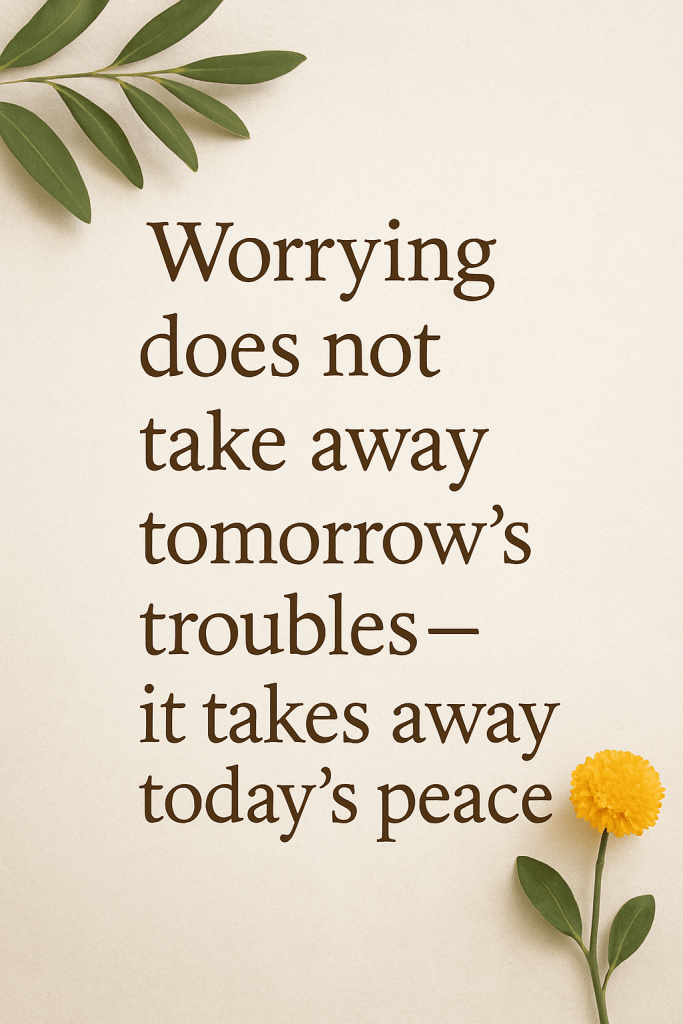
Worrying Doesn’t Take Away Tomorrow’s Troubles — It Takes Away Today’s Peace

🌿 Introduction

  • We all worry — about the future, about people, about situations we can’t control.
  • But have you ever noticed that worrying rarely solves anything?
  • The famous quote reminds us: “Worrying does not take away tomorrow’s troubles — it takes away today’s peace.”

💭 1. Worry is a Thief of the Present

  • Worrying pulls your mind into the future.
  • You miss what’s happening right now — the beauty, the joy, the calm moments.
  • It’s like carrying an umbrella every day in fear of rain that may never come.

🌪 2. Worry Doesn’t Solve Problems

  • Planning helps. Preparing helps. But worrying just drains your energy.
  • It gives you a sense of false control, but no real solutions.
  • Most of what we worry about either never happens or isn’t as bad as we imagined.

🕊 3. Peace Is Found in the Present

  • Peace lives in this moment, not in the next hour or tomorrow.
  • When you’re too focused on “what if,” you lose the “what is.”
  • Mindfulness and deep breathing can help you stay grounded.

🌼 4. Worry Affects Your Health

  • Constant worrying causes stress, anxiety, and even physical illness.
  • It can disturb your sleep, your appetite, and your emotional balance.
  • Taking care of your mind is just as important as taking care of your body.

🌟 5. Choose Faith Over Fear

  • Let go of the need to control everything.
  • Have faith that life will unfold in its own time.
  • Replace worry with action — or acceptance.

💬 Quote to Remember

“Worrying is like a rocking chair. It gives you something to do but gets you nowhere.” — Erma Bombeck


🌈 Conclusion

  • Worrying doesn’t help the future — it only steals today’s peace.
  • Live each moment with calmness, hope, and faith.
  • You deserve a peaceful mind today — don’t let tomorrow take that away.

🌪️ No Teacher Is Better Than a Bad Time

Difficult times can feel overwhelming, but they often leave behind the greatest lessons. When life tests you, it’s not to punish — it’s to teach. No classroom, no textbook, no mentor can teach what a bad time can.


💡 1. Reveals True Strength

  • Hard times show us what we’re truly capable of enduring.
  • When life throws you down, you learn how to rise.

Quote:
👉 “You never know how strong you are until being strong is your only choice.” – Bob Marley


🧠 2. Teaches Valuable Life Lessons

  • Pain teaches humility.
  • Struggles shape character.
  • Every hardship holds a hidden message.

Quote:
👉 “Turn your wounds into wisdom.” – Oprah Winfrey


🔍 3. Shows Who Truly Cares

  • People you thought would stand by you may leave.
  • But some unexpected ones show up and stay.

Quote:
👉 “Hard times will always reveal true friends.” – Unknown


🛑 4. Forces You to Pause and Reflect

  • Setbacks slow us down and give us time to rethink our lives.
  • That silence becomes our loudest teacher.

Quote:
👉 “In the middle of every difficulty lies opportunity.” – Albert Einstein


🔁 5. Builds Emotional Strength

  • Emotional pain teaches resilience.
  • Every tear strengthens your ability to face the next storm.

Quote:
👉 “Out of suffering have emerged the strongest souls.” – Khalil Gibran


🧭 6. Redefines Priorities

  • You begin to value peace over popularity, truth over trend.
  • Bad times push you to focus on what truly matters.

Quote:
👉 “Difficulties strengthen the mind, as labor does the body.” – Seneca


🌱 7. Pushes You Toward Change

  • Often, growth begins when comfort ends.
  • A bad phase leads to new beginnings.

Quote:
👉 “Rock bottom became the solid foundation on which I rebuilt my life.” – J.K. Rowling


⏳ 8. Teaches Patience and Faith

  • You learn that healing takes time.
  • That seasons change, and storms always pass.

Quote:
👉 “This too shall pass.” – Persian Proverb


🔒 9. Makes You Wiser

  • Pain deepens your perspective.
  • After the struggle, you see life more clearly.

Quote:
👉 “Adversity is the first path to truth.” – Lord Byron


🌤️ 10. Prepares You for the Future

  • Each challenge makes you better equipped for the next.
  • You become braver, calmer, and smarter.

Quote:
👉 “The world breaks everyone, and afterward, some are strong at the broken places.” – Ernest Hemingway


📝 Final Thought

No one wants bad times — but those who survive them become wiser, stronger, and more alive. Sometimes, the worst moments bring out your best self.

“A bad time may break your heart, but it will build your soul.” – Unknown

🌊 Go With the Flow: Embracing Life Without Overthinking

Life doesn’t always go as planned — and that’s okay. “Going with the flow” doesn’t mean being lazy or careless; it means learning to accept, adjust, and breathe when things don’t go perfectly.

💡 What Does “Go With the Flow” Really Mean?

  • It means being flexible instead of forcing things.
  • Trusting that not everything needs a solution right away.
  • Allowing life to unfold naturally, without stressing about every detail.

🤯 Why Overthinking Hurts You

  • Drains your energy and mental peace.
  • Creates fear of the future and regret of the past.
  • Delays decisions and action.
  • Makes small problems feel much bigger.

🌿 Benefits of Going With the Flow

  • Increases inner peace and calmness.
  • Helps you become more present and mindful.
  • Builds emotional flexibility during unexpected events.
  • Reduces stress and anxiety.

🧘‍♀️ Simple Ways to Embrace the Flow of Life

  1. Breathe Deeply When Things Feel Out of Control
    → A few slow breaths can reset your thoughts.
  2. Accept, Don’t Resist
    → Say to yourself: “This is not what I planned, but I’ll adjust.”
  3. Be Open to Change
    → Life rarely sticks to a script — stay curious, not fearful.
  4. Stop Seeking Perfection
    → Good enough is often more than enough.
  5. Let Go of “What If” Thoughts
    → Focus on “what is,” not “what could’ve been.”
  6. Practice Saying “It’s okay”
    → A simple phrase that softens overreactions and stress.
  7. Trust Life’s Timing
    → Some things happen later for a reason — have faith.

🧠 Thought to Reflect On:

“Worrying does not take away tomorrow’s troubles — it takes away today’s peace.”


✅ Final Takeaway:

Going with the flow is a strength, not a weakness. When you stop fighting life and start flowing with it, you’ll find more joy, clarity, and freedom. Less control, more calm.

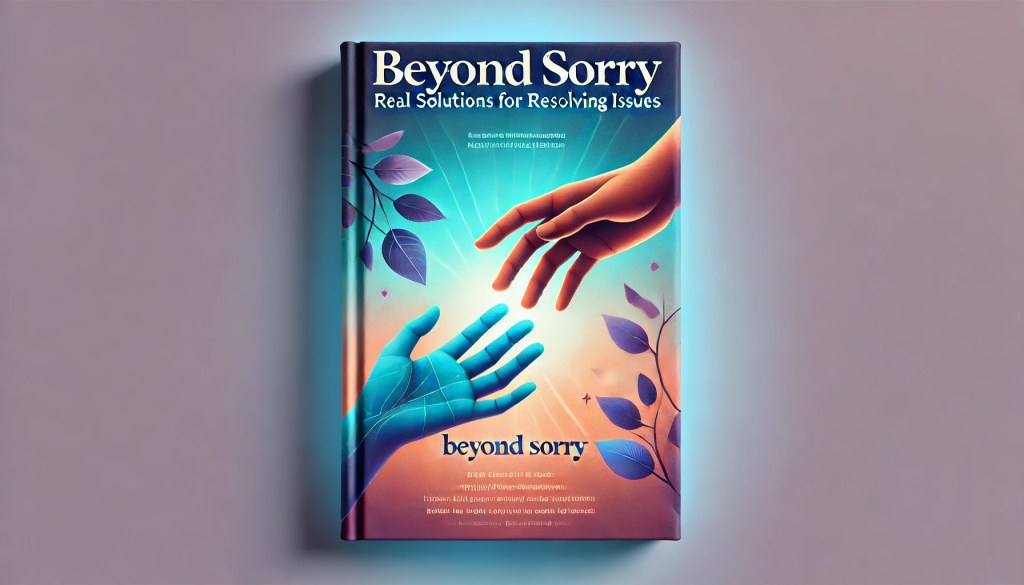
Beyond Sorry: Real Solutions for Resolving Issues

When conflicts arise or mistakes are made, a heartfelt “sorry” is often the first step toward resolution. But while apologies are valuable, they are not the ultimate solution. True resolution requires action, understanding, and effort.


1. Acknowledge the Impact of Your Actions

An apology is incomplete without recognizing the harm caused. Take a moment to empathize with the other person’s feelings and acknowledge their pain.

“An apology is a lovely perfume; it can transform the clumsiest moment into a gracious gift.” – Margaret Lee Runbeck


2. Take Responsibility Without Excuses

Instead of justifying your behavior, own up to your mistakes. Accountability shows maturity and willingness to change.

“Mistakes are always forgivable if one has the courage to admit them.” – Bruce Lee


3. Understand the Root Cause

Identify why the issue occurred to ensure it doesn’t happen again. Reflecting on the root cause helps avoid repetitive mistakes.

“The only real mistake is the one from which we learn nothing.” – John Powell


4. Take Action to Make Amends

Actions speak louder than words. Show that you are genuinely sorry by making efforts to correct the mistake or repair the harm done.

“Well done is better than well said.” – Benjamin Franklin


5. Communicate Openly and Honestly

Clear communication is key to rebuilding trust. Discuss the situation, listen actively, and express your commitment to resolving the problem.

“Honest communication is built on truth and integrity and upon respect of the one for the other.” – Benjamin E. Mays


6. Rebuild Trust with Consistency

Trust is fragile and takes time to restore. Consistent positive actions, paired with honesty, show your sincerity.

“Trust is built with consistency.” – Lincoln Chafee


7. Learn and Grow from the Experience

Every mistake is a chance to improve. Reflect on what you’ve learned and use it to strengthen your relationships and character.

“Failure is the condiment that gives success its flavor.” – Truman Capote


8. Be Patient in the Healing Process

Healing emotional wounds takes time. Allow the other person to process their feelings and rebuild the relationship at their pace.

“Patience is not the ability to wait, but the ability to keep a good attitude while waiting.” – Joyce Meyer


9. Prevent Future Conflicts

Focus on improving communication and understanding in your relationships to avoid similar issues in the future. Proactive care is always better than reactive apologies.

“The best way to predict the future is to create it.” – Peter Drucker


10. Conclusion: Move Beyond Words

An apology is just the starting point. Real solutions come from addressing the issue, learning from mistakes, and committing to growth. True resolution is found not in the words “I’m sorry,” but in the actions that follow.

“Sorry works when a mistake is made, but not when trust is broken. So, in life, make mistakes but never break trust.” – Anonymous

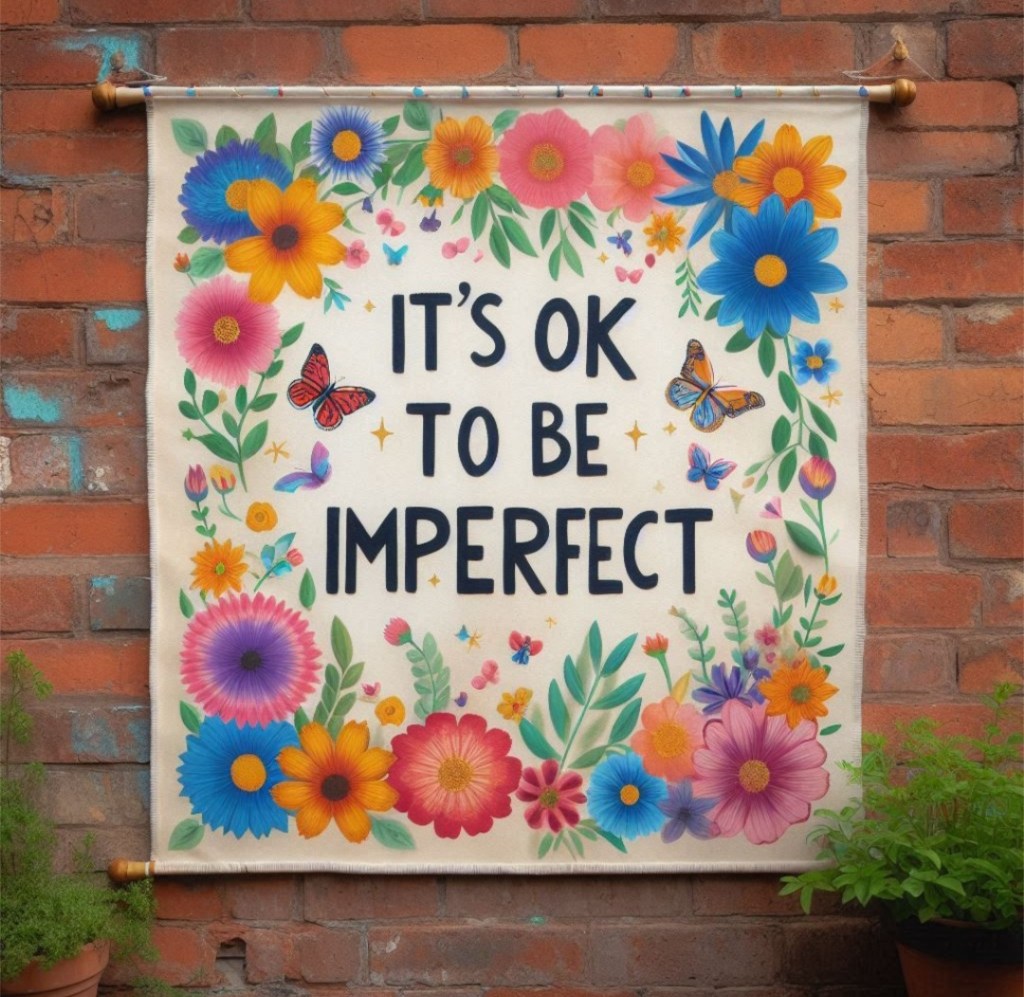
It’s Perfectly Okay to Be Imperfect

In a world that often glorifies perfection, embracing our imperfections can be a liberating and empowering experience. Here are some simple, realistic points that highlight why it’s perfectly okay to be imperfect:

1. Embrace Your Authentic Self

  • Realness Over Perfection: Embracing your imperfections allows you to be true to yourself, fostering deeper connections with others.
  • Unique Stories: Our flaws and imperfections tell our personal stories. They shape who we are and make us unique.

2. Learn and Grow

  • Mistakes as Learning Opportunities: Imperfections often come with valuable lessons. Each mistake is a chance to learn and grow, paving the way for personal development.
  • Resilience: Facing and accepting our flaws builds resilience. Overcoming challenges strengthens our character and helps us handle future setbacks more gracefully.

3. Redefine Success

  • Flawed Yet Thriving: Success doesn’t require perfection. Many successful people have faced failures and setbacks, proving that it’s our efforts and perseverance that count.
  • Setting Realistic Goals: Instead of aiming for perfection, set realistic and achievable goals. This shift in mindset leads to more sustainable success and happiness.

4. Connect with Others

  • Shared Imperfections: When we openly share our imperfections, we invite others to do the same. This creates a supportive environment where everyone feels safe to express their true selves.
  • Building Empathy: Recognizing that everyone has flaws fosters empathy and compassion, allowing us to connect more deeply with those around us.

5. Practice Self-Compassion

  • Be Kind to Yourself: Treat yourself with the same kindness and understanding that you would offer a friend. Accepting your imperfections is a form of self-love.
  • Mindfulness: Practicing mindfulness helps us stay present and appreciate ourselves as we are, rather than how we think we should be.

6. Challenge Perfectionism

  • Letting Go of High Standards: Perfectionism can be paralyzing. Challenge the notion that you must meet impossibly high standards to be worthy or successful.
  • Celebrate Progress: Focus on the progress you make rather than the end result. Celebrate small victories and the steps you take towards your goals.

7. Shift Your Perspective

  • View Imperfections as Strengths: Sometimes, our flaws can become our greatest assets. They can inspire creativity, innovation, and problem-solving.
  • A Different Lens: Try to view imperfections as a natural part of life, not something to be ashamed of. This perspective shift can lead to greater acceptance and peace.

Conclusion

Embracing imperfection is a journey, not a destination. It takes time and practice to shift our mindset, but the benefits are profound. By accepting our flaws, we open ourselves up to authenticity, growth, connection, and joy. Remember, it’s perfectly okay to be imperfect—after all, that’s what makes us human.

For Whom Are You Working? Understanding Your Work Purpose

In our busy lives, it’s easy to get caught up in daily tasks and forget to reflect on the bigger picture. One essential question to ask yourself is: “For whom am I working?” Understanding this can bring clarity and motivation to your professional life. Here are some key points to consider:

1. Yourself

  • Personal Growth: Every job or career move should contribute to your personal and professional development. Whether it’s gaining new skills, expanding your knowledge, or achieving personal goals, remember that you are investing in yourself.
  • Financial Stability: Your work provides the means to support your lifestyle and achieve financial security. This stability is crucial for your peace of mind and future planning.

2. Your Family

  • Support System: Many people work to provide for their families. This includes ensuring that your loved ones have what they need for a comfortable and secure life.
  • Role Model: By working hard and pursuing your goals, you set a positive example for your children and other family members. Your dedication can inspire them to pursue their own dreams and work hard.

3. Your Employer

  • Company Success: Your efforts contribute to the overall success and profitability of your company. When you perform well, it helps the business grow, which can lead to more opportunities for you and your colleagues.
  • Team Collaboration: Working for your employer also means supporting your team. Your contributions help create a productive and positive work environment.

4. Your Community

  • Economic Contribution: Your work helps stimulate the local economy by providing services, creating jobs, and paying taxes. This, in turn, supports public services and infrastructure.
  • Social Impact: Depending on your profession, your work may directly benefit the community. For example, teachers, healthcare workers, and public servants all play vital roles in improving society.

5. Your Future Self

  • Long-Term Goals: Think about where you want to be in the next five, ten, or twenty years. Your current work should align with your long-term goals and aspirations.
  • Retirement: Consider how your current work impacts your retirement plans. Contributing to a retirement fund and ensuring you have a sustainable career path is crucial for your future well-being.

Reflect and Reevaluate

Periodically taking the time to reflect on “for whom you are working” can help ensure that your efforts are aligned with your values and goals. It can also provide a renewed sense of purpose and motivation in your professional life.

By understanding the impact of your work on yourself, your family, your employer, your community, and your future, you can make more informed decisions and find greater satisfaction in your career.

Money Matters: How to Earn, Save, and Invest Wisely

Money Matters: How to Earn, Save, and Invest Wisely

Money plays a vital role in our lives, influencing our ability to meet our needs, enjoy comfort, and achieve our goals. Here’s a simple guide on how to earn, save, and invest money wisely, complete with relevant quotes and practical tips.

1. Earning Money

“Financial freedom is available to those who learn about it and work for it.” – Robert Kiyosaki

Tips to Earn Wisely:

  • Explore Side Hustles: Take on freelance work or gig economy jobs to boost your income.
  • Upgrade Skills: Invest in education and training to enhance your career prospects and earning potential.
  • Network: Build professional relationships to discover new job opportunities and business ventures.

2. Saving Money

“Do not save what is left after spending, but spend what is left after saving.” – Warren Buffett

Tips to Save Wisely:

  • Create a Budget: Track your income and expenses to identify areas where you can cut costs.
  • Automate Savings: Set up automatic transfers to your savings account to ensure consistent saving.
  • Reduce Debt: Focus on paying off high-interest debt to free up more money for saving.

3. Investing Money

“An investment in knowledge pays the best interest.” – Benjamin Franklin

Tips to Invest Wisely:

  • Start Early: The earlier you start investing, the more time your money has to grow.
  • Diversify Investments: Spread your investments across different asset classes to reduce risk.
  • Educate Yourself: Learn about various investment options, such as stocks, bonds, mutual funds, and real estate.

4. Meeting Basic Needs

“Money is only a tool. It will take you wherever you wish, but it will not replace you as the driver.” – Ayn Rand

Tips for Managing Essentials:

  • Prioritize Spending: Focus on essentials like food, shelter, and clothing first.
  • Plan Purchases: Make a list of necessary items and stick to it to avoid impulse buying.

5. Health and Well-being

“Health is the greatest gift, contentment the greatest wealth, faithfulness the best relationship.” – Buddha

Tips for Health-related Expenses:

  • Health Insurance: Ensure you have a good health insurance plan to cover medical expenses.
  • Regular Check-ups: Allocate funds for regular health check-ups to prevent serious illnesses.

6. Education

“Education is the most powerful weapon which you can use to change the world.” – Nelson Mandela

Tips for Educational Savings:

  • Education Fund: Set up a dedicated savings account for education expenses.
  • Scholarships and Grants: Research and apply for scholarships and grants to help cover costs.

7. Security

“Wealth consists not in having great possessions, but in having few wants.” – Epictetus

Tips for Financial Security:

  • Emergency Fund: Save at least three to six months’ worth of living expenses for emergencies.
  • Insurance: Ensure you have adequate insurance coverage for health, life, and property.

8. Freedom and Choices

“Too many people spend money they haven’t earned to buy things they don’t want to impress people they don’t like.” – Will Rogers

Tips for Financial Freedom:

  • Mindful Spending: Spend money on things that truly add value to your life.
  • Save for Goals: Allocate funds towards achieving your personal and financial goals.

9. Supporting Others

“We make a living by what we get, but we make a life by what we give.” – Winston Churchill

Tips for Helping Others:

  • Charity: Regularly donate a portion of your income to charitable causes.
  • Support Network: Be prepared to help family and friends in times of need.

10. Planning for the Future

“Someone is sitting in the shade today because someone planted a tree a long time ago.” – Warren Buffett

Tips for Future Planning:

  • Retirement Savings: Contribute to retirement plans.
  • Long-term Goals: Invest in long-term goals such as buying a home or starting a business.

In summary, managing money wisely by earning, saving, and investing effectively ensures financial stability and allows you to enjoy a more fulfilling life. Use these tips to guide your financial decisions and build a secure future.