Calmness and Clarity in Everyday Life

🌿 Introduction

Life today often feels rushed, noisy, and overwhelming. Between responsibilities, technology, and constant demands, our minds rarely find rest. Yet, calmness and clarity are not luxuries—they are essential for balance, decision-making, and happiness. With simple practices, we can bring peace into our everyday life.


🌸 Simple Ways to Cultivate Calmness and Clarity

  1. Start Your Day Slowly
    • Avoid rushing into your phone or work.
    • Begin with a few minutes of quiet breathing, stretching, or gratitude.
  2. Practice Mindful Breathing
    • A few deep breaths can instantly reduce stress.
    • Breathing anchors the mind and helps you focus better.
  3. Declutter Your Surroundings
    • A clean space clears mental clutter.
    • Keep only what is useful and meaningful around you.
  4. Take Short Breaks
    • Step away from work, screens, or noise.
    • Even 5 minutes of silence refreshes the mind.
  5. Limit Information Overload
    • Too much news, social media, or notifications creates anxiety.
    • Be selective with what you consume daily.
  6. Spend Time in Nature
    • Walking in a park, sitting under a tree, or listening to birds brings instant calm.
    • Nature naturally clears the mind.
  7. Write It Out
    • Journaling helps release confusion and emotions.
    • Clarity often comes when thoughts are on paper.
  8. Stay Present
    • Worrying about the future or replaying the past disturbs peace.
    • Focus on what you can do right now.
  9. Practice Gratitude
    • Recognize small blessings daily.
    • Gratitude shifts the mind from chaos to calm.
  10. End the Day with Reflection
    • Review your day with kindness, not judgment.
    • Let go of stress before you sleep.

🌟 Conclusion

Calmness and clarity don’t come from escaping life—they come from how we live each moment. By slowing down, simplifying, and staying present, we can handle challenges with peace instead of pressure. A calm mind sees clearly, and a clear mind lives fully.

🌅 Morning Routines for the Emotionally Intelligent

✨ Introduction

  • Emotionally intelligent people are self-aware, empathetic, and manage emotions wisely.
  • A strong morning routine sets the emotional tone for the entire day.

☀️ 1. Wake Up Without Rushing

  • Emotionally intelligent people give themselves time in the morning.
  • No snoozing 10 times or jumping straight into stress.
  • They wake up with intention, not panic.

🧘‍♀️ 2. Check In With Yourself First

  • They start by asking: How do I feel today?
  • Quick self-awareness check helps manage emotions early.
  • Journaling or just a 2-minute thought pause helps.

🌬 3. Deep Breathing or Meditation

  • Even 5 minutes of breathing deeply calms the mind.
  • Helps in gaining control over emotional reactions.
  • Builds emotional resilience before facing the world.

📝 4. Set a Positive Intention

  • Emotionally intelligent people don’t just plan the day, they set the mood.
  • They might say: “Today I will stay calm no matter what.”
  • This creates emotional focus and positivity.

📵 5. No Immediate Phone Use

  • They avoid social media or news first thing.
  • Emotional intelligence means choosing what enters your mind.
  • Instead, they connect with themselves before connecting with the world.

✍️ 6. Gratitude Practice

  • They list 2–3 things they’re grateful for.
  • Shifts focus from stress to contentment.
  • Gratitude rewires the brain for emotional stability.

🏃‍♂️ 7. Move the Body

  • A short walk, stretches, or workout boosts mood.
  • Physical movement releases endorphins – feel-good hormones.
  • Emotionally intelligent people know body and mind are connected.

🍵 8. Mindful Breakfast

  • No multitasking — they eat with attention and care.
  • Emotionally intelligent people honor their body with nutrition and presence.
  • A peaceful meal reduces cortisol (stress hormone).

💡 9. Review the Day with Clarity

  • They mentally walk through their day.
  • Prioritize key tasks and potential emotional triggers.
  • This pre-planning helps avoid emotional overwhelm later.

🌟 Conclusion

  • A calm, centered morning is the secret behind emotionally intelligent behavior.
  • You don’t need hours — just a few mindful habits done daily.
  • “Win the morning, win the day.” — Start with emotional awareness, and the rest will follow.

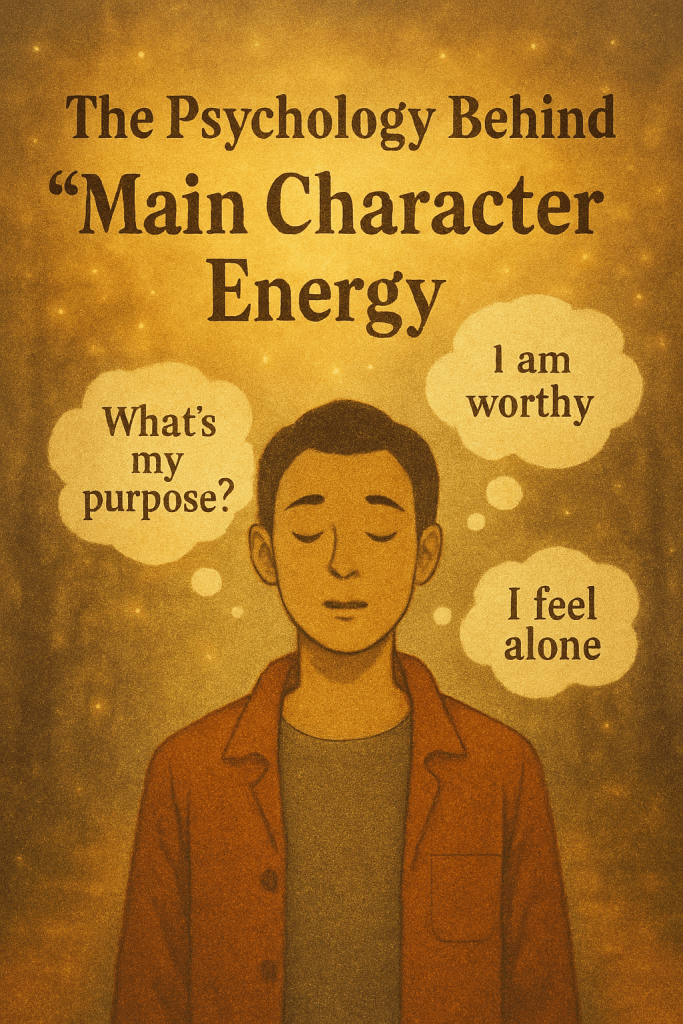
The Psychology Behind “Main Character Energy”

In recent years, you might have heard phrases like “I’m in my main character era” or “Live like the main character.” But what does it really mean? And why is it trending?

Let’s break it down simply.


🌟 What Is “Main Character Energy”?

Main Character Energy (MCE) is a mindset where a person sees themselves as the lead in their own life story. It’s about confidence, self-awareness, and making choices that align with your values, not just blending into the background.

“You are the author of your own story. Don’t hand the pen to someone else.”


🧠 Why It Feels So Good (Psychological Reasons)

  1. Boosts Self-Esteem
    • When you feel like the ‘main character,’ you value yourself more.
    • Example: Dressing up just for a walk because it makes you feel good.
  2. Encourages Mindfulness
    • You become more aware of your surroundings and actions.
    • Example: Drinking coffee slowly while enjoying the moment, like you’re in a movie scene.
  3. Helps Create a Strong Identity
    • You start asking: What kind of person do I want to be?
    • This leads to intentional decisions, not just going with the crowd.
  4. Inspires Personal Growth
    • Main characters overcome challenges.
    • Example: You treat a bad day not as the end—but as the middle of your character arc.
    “You either walk inside your story and own it, or you stand outside and hustle for your worthiness.” — Brené Brown

🎬 Main Character Energy vs. Narcissism

It’s important to note that MCE is not about being self-obsessed or thinking others are less important.
It’s about:

✅ Confidence — not arrogance
✅ Self-love — not selfishness
✅ Growth — not perfection

“You can be the main character of your life without needing to be the center of everyone else’s.”

✨ Practical Ways to Step into Your Main Character Energy

  1. Create Your “Main Character” Morning Routine
    • Start your day with intention. Stretch, journal, listen to music that motivates you.
    • Example: Brew your coffee slowly, stand by the window, and soak in the moment — like the intro scene of a movie.
  2. Dress for the Mood You Want to Create
    • Wear outfits that make you feel confident, even if you’re not going anywhere fancy.
    • Example: Wear that bold shirt or lipstick just because it feels you.
  3. Narrate Your Day (Internally or Out Loud!)
    • Turn simple moments into powerful scenes.
    • Example: Walking to the bus stop? Imagine you’re the hero heading to an important mission.
  4. Celebrate Small Wins Like Big Victories
    • Whether it’s finishing a to-do list or making it through a hard day, clap for yourself.
    • Example: Treat yourself to a solo coffee date after a productive week.
  5. Set a Soundtrack for Your Life
    • Make playlists that match your vibe — “Confidence Mode,” “Healing Era,” or “Rising Strong.”
    • Music/podcast makes every moment feel cinematic and empowering.
  6. Say Yes to Solo Moments
    • Take yourself out for a nature walk, or bookstore visit. You don’t need company to enjoy your life.
    • Example: A quiet Sunday spent journaling and reflecting can feel like a self-love scene.

📖 Final Thought

You don’t need to wait for someone to give you permission. You are already the main character.
Every small act of self-care, courage, and intention writes a better version of your life story.

“The moment you start acting like life is a movie, everything changes. The mood, the energy, the plot—it’s all in your hands.”

Healing Isn’t Linear — And That’s Okay

Healing is not a straight road. It’s a journey with ups and downs, good days and tough ones. And that’s completely normal.

Here’s a simple guide to understand and embrace the non-linear nature of healing:


💡 1. Progress Comes in Waves

  • Some days you’ll feel strong, other days not so much — both are part of healing.
  • It’s okay to have setbacks. They don’t erase the progress you’ve made.

👉 Tip: Keep a small journal. Write down even the smallest win — it helps to see how far you’ve come.


💡 2. Feel Your Feelings

  • Suppressing emotions can slow down healing.
  • Allow yourself to cry, rest, be angry, or confused.

👉 Tip: Practice deep breathing or journaling when overwhelmed. It helps release bottled-up emotions.


💡 3. Stop Comparing Your Journey

  • Everyone heals differently. What worked for someone else might not work for you — and that’s okay.

👉 Tip: Unfollow accounts or avoid people who make you feel less. Follow pages that uplift and support you.


💡 4. Healing Takes Time

  • There’s no fixed timeline for feeling better.
  • Rushing the process often adds more pressure.

👉 Tip: Focus on taking it one day at a time. Celebrate small steps.


💡 5. Rest Is Not Laziness

  • Rest is part of recovery, both physically and emotionally.
  • You’re not weak for needing a break.

👉 Tip: Schedule “rest days” just like work or errands. Use them for hobbies, naps, or doing nothing at all.


💡 6. Setbacks Are Not Failures

  • Having a tough day doesn’t mean you’re back to square one.
  • Setbacks are part of growth.

👉 Tip: Remind yourself: “This is temporary. I’ve made it through worse.”


💡 7. Ask for Help When You Need It

  • You don’t have to do it alone.
  • Talking to a friend, mentor, or therapist can bring relief.

👉 Tip: Make a small list of people you trust. Reach out to one when you feel low.


💡 8. Be Gentle With Yourself

  • Self-kindness fuels healing. Harsh self-talk doesn’t.
  • Replace “Why am I still struggling?” with “I’m doing my best, and that’s enough.”

👉 Tip: Speak to yourself like you would to a dear friend.


🌱 Final Thought

Healing isn’t a race. It’s a journey that unfolds in its own time and in its own way. Trust the process. Even on the hard days, you’re still healing.

The Role of Cortisol in Stress and How to Manage It

In today’s fast-paced world, stress has quietly become part of our daily routine. And behind the scenes of that constant tension? Cortisol — our body’s main stress hormone. While it’s essential for survival in small doses, too much of it for too long can lead to anxiety, weight gain, sleep problems, and even burnout.

The good news? You can naturally lower cortisol with small, doable changes in your routine. Let’s explore some realistic wellness trends that actually help.


🌿 1. Nature Walks Are the New Therapy

What to do: Spend 20–30 minutes walking in a park, beach, or any green space.

Why it works: Nature has a calming effect on the nervous system. Just being around trees or hearing birds can reduce cortisol levels.

Tip: Leave your phone at home or on silent for best results.


💤 2. Prioritize Quality Sleep (Not Just Hours)

What to do: Stick to a regular sleep schedule and avoid screens 1 hour before bed.

Why it works: Poor sleep increases cortisol and makes you more reactive to stress the next day.

Tip: Try a warm shower, low lighting, or calming music before bedtime.


🍵 3. Drink Less Coffee, Try Adaptogens Instead

What to do: Replace your second or third coffee with herbal teas or adaptogens like ashwagandha or tulsi.

Why it works: Too much caffeine can spike cortisol. Adaptogens help your body adapt to stress and calm the system.

Tip: Look for natural teas labeled “stress relief” or “calm.”


🧘 4. Slow Movement = Fast Recovery

What to do: Practice 10 minutes of stretching, yoga, or tai chi daily.

Why it works: Gentle movement lowers stress hormones without exhausting the body, unlike intense workouts that can raise cortisol if overdone.

Tip: Don’t overthink it—just move slowly and breathe deeply.


✍️ 5. Journaling = Emotional Detox

What to do: Write down your worries, wins, or simply how you feel.

Why it works: Expressing emotions on paper helps clear mental clutter and reduces the need for the brain to “hold it all in.”

Tip: Try a simple prompt: “What’s making me feel tense today?”


👥 6. Limit Time with Energy Drainers

What to do: Notice who uplifts you and who drains you—adjust your time accordingly.

Why it works: Toxic conversations and people raise cortisol unconsciously.

Tip: Set boundaries guilt-free. Protecting your peace is part of self-care.


📱 7. Digital Detox Moments

What to do: Take intentional breaks from screens, especially social media.

Why it works: Doom-scrolling and constant notifications overstimulate the brain and trigger cortisol release.

Tip: Try “no-screen mornings” or “silent Sunday afternoons.”


🧠 8. Mindfulness Over Multitasking

What to do: Do one thing at a time—eat, walk, or even talk without checking your phone or rushing.

Why it works: Multitasking keeps your brain in constant alert mode. Mindfulness brings calm and clarity.

Tip: Start with mindful eating—focus on the taste, not the screen.


🙌 9. Gratitude is a Game-Changer

What to do: End your day listing 3 things you’re grateful for.

Why it works: Gratitude shifts your focus from what’s wrong to what’s right—naturally lowering stress levels.

Tip: Keep a “small wins” journal. It builds emotional resilience over time.


🌈 Final Thought:

You don’t need expensive supplements or hours at the gym to fight stress. The real magic is in simple, intentional living. These small wellness habits might not trend forever—but their positive effect on your cortisol levels will definitely last.

Master Your Mornings: Habits of Highly Successful Individuals

How you start your morning often determines the course of your entire day. High achievers understand this and craft their mornings to align with their goals and priorities. From business tycoons to sports legends, many Indian personalities follow simple yet powerful morning routines that boost productivity, energy, and focus. By drawing inspiration from their habits, you can create your own transformative morning routine and set the stage for success.

1. Wake Up Early

  • Inspiration: Many successful people, including Tim Cook (Apple CEO) and Richard Branson (Virgin Group), wake up around 5:00 a.m. to kickstart their day.
  • Why it Works: Early mornings are peaceful and allow time for reflection, planning, and personal development. It also gives you a head start before the world gets busy.

2. Exercise for Physical and Mental Fitness

  • Inspiration: Virat Kohli, Indian cricketer, prioritizes fitness and starts his day with a workout or yoga session. Similarly, Bollywood actor Akshay Kumar swears by early morning exercise and martial arts practice.
  • Why it Works: Morning workouts boost energy levels, enhance focus, and maintain physical fitness. It sets a disciplined tone for the day.

3. Meditation and Mindfulness

  • Inspiration: Deepika Padukone, actress and mental health advocate, practices yoga and mindfulness every morning to maintain emotional balance. Oprah Winfrey and Arianna Huffington swear by meditation in the morning to ground themselves before facing the day.
  • Why it Works: Meditation helps calm the mind, reduce stress, and improve clarity, which are essential for productivity and well-being.

4. Healthy Start with Nutrition

  • Inspiration: PV Sindhu, Olympic badminton player, follows a strict and nutritious morning diet to fuel her rigorous training schedule. Chef Vikas Khanna also begins his day with fresh, wholesome food that keeps him energized.
  • Why it Works: A balanced breakfast, rich in proteins and nutrients, energizes the body and supports sustained focus throughout the day.

5. Read or Reflect for Personal Growth

  • Inspiration: Ratan Tata, industrialist and philanthropist, values quiet mornings where he reads, reflects, or plans his day. Similarly, Shiv Nadar, founder of HCL, uses early mornings for strategic thinking.
  • Why it Works: Reading or reflecting in the morning enhances knowledge, sharpens focus, and provides clarity for decision-making.

6. Gratitude and Journaling

  • Inspiration: Priyanka Chopra, global icon, practices gratitude and journals her thoughts each morning, focusing on positive intentions for the day.
  • Why it Works: Expressing gratitude promotes happiness and contentment. Journaling helps organize thoughts and track progress toward goals.

7. Plan the Day with Precision

  • Inspiration: Narayana Murthy, co-founder of Infosys, emphasizes starting the day by reviewing goals and priorities. He believes in a systematic approach to tackle daily challenges.
  • Why it Works: Having a clear plan reduces decision fatigue, saves time, and ensures that important tasks are accomplished first.

8. Stay Grounded with Spiritual Practices

  • Inspiration: Amitabh Bachchan, legendary actor, begins his day with prayer and reflection, staying connected to his values and roots.
  • Why it Works: Spiritual practices bring a sense of peace and purpose, keeping you centered amidst daily challenges.

9. Simplify with Minimalism

  • Inspiration: Dr. APJ Abdul Kalam, former President of India, was known for his simple yet impactful routines, emphasizing minimalism and focus on work.
  • Why it Works: Simplifying decisions, such as having a consistent morning routine, frees mental energy for more critical tasks.

10. Avoid Technology in the Early Hours

  • Inspiration: Sachin Tendulkar, cricket legend, prefers to keep his mornings free from gadgets to focus on himself and his family.
  • Why it Works: Avoiding technology prevents distractions and allows for a calm, focused start to the day.

Key Takeaways from Indian Achievers:

  • Start Early: Waking up early gives you time to focus on yourself and set a productive tone.
  • Embrace Fitness: Physical activity is crucial for maintaining energy and discipline.
  • Stay Mindful: Meditation or yoga promotes mental clarity and emotional balance.
  • Plan Ahead: Setting priorities ensures your energy is spent on what truly matters.
  • Stay Grounded: Spirituality or gratitude practices bring positivity and purpose to your day.

Breaking Out of Mental Blocks and Comfort Zones

Stepping out of mental blocks and comfort zones can lead to personal growth, innovation, and new opportunities.

  1. Understand Your Mental Blocks
  • Identify Triggers: Notice situations where you feel stuck or unmotivated.
  • Self-Reflection: Reflect on why these blocks occur—fear of failure, self-doubt, or overthinking?
  • Acknowledge Patterns: Recognize recurring thoughts or behaviors that prevent progress.

2. Acknowledge the Comfort Zone Trap

  • Recognize Comfort Habits: We often do what’s familiar to avoid discomfort or risk.
  • Reflect on Potential Stagnation: Comfort zones feel safe, but they can also prevent growth and limit experiences.
  • Identify the Costs: Consider what you might miss out on by staying in your comfort zone.

3. Set Small, Manageable Goals

  • Start Small: Break big challenges into smaller, achievable goals.
  • Daily Challenges: Commit to doing one small thing each day that stretches you.
  • Celebrate Progress: Acknowledge each small win to build confidence and momentum.

4. Embrace a Growth Mindset

  • Shift Your Perspective: Believe that abilities and intelligence can be developed with effort.
  • Learn from Setbacks: View failures and mistakes as learning experiences.
  • Challenge Yourself: Seek out opportunities that promote learning and personal growth.

5. Use Visualization Techniques

  • Imagine Success: Visualize yourself successfully breaking through challenges.
  • Picture the Journey: Visualize the steps you’ll take and the effort involved.
  • Build Confidence: Use visualization to reinforce positive outcomes and reduce anxiety.

6. Take Calculated Risks

  • Start with Low-Stakes Risks: Try something slightly uncomfortable but not overwhelming.
  • Push Gradually: Increase the difficulty or novelty of challenges over time.
  • Learn as You Go: Use each risk as an opportunity to learn and adapt.

7. Surround Yourself with Supportive People

  • Seek Encouragement: Surround yourself with people who encourage growth and resilience.
  • Learn from Others: Observe how others handle challenges or push their limits.
  • Build Accountability: Share your goals with someone who can support and motivate you.

8. Challenge Negative Thoughts

  • Recognize Limiting Beliefs: Question thoughts that say “I can’t” or “I’m not good enough.”
  • Replace with Positives: Use affirmations or positive statements to shift your mindset.
  • Focus on Strengths: Remind yourself of past successes to build self-belief.

9. Develop Healthy Coping Strategies

  • Practice Stress Relief: Use meditation, journaling, or exercise to manage stress and fear.
  • Embrace Discomfort: Recognize that growth often feels uncomfortable, and that’s okay.
  • Build Resilience: Use each step out of your comfort zone to strengthen resilience over time.

10. Reflect and Adapt Regularly

  • Assess Progress: Periodically review how far you’ve come and what you’ve learned.
  • Adjust Goals: Refine your goals as you grow, setting new ones as you conquer old challenges.
  • Stay Open to Change: Be open to evolving as you overcome each mental block or comfort zone.

The Tug-of-War Within: How to Address Internal Conflicts

Introduction

  • Understanding Internal Conflict: Internal conflict is the mental struggle we face when our thoughts, beliefs, and desires clash.
  • Significance: Addressing these conflicts is essential for emotional well-being and personal growth.

1. Recognizing Internal Conflicts

  • Identify the Source: Understand what triggers your internal struggles—be it expectations from yourself or others.
  • Common Signs: Feelings of anxiety, indecision, or frustration often indicate internal conflicts.
  • Journaling: Writing down your thoughts can help clarify your feelings and reveal underlying conflicts.

2. Types of Internal Conflicts

  • Value Conflicts: When personal values clash with societal norms or family expectations.
  • Goal Conflicts: Struggling between pursuing a passion versus choosing a practical career.
  • Emotional Conflicts: Wanting to feel one way while experiencing other emotions.

3. Steps to Address Internal Conflicts

  • Pause and Reflect: Take a moment to breathe and assess the situation calmly.
  • Acknowledge Your Feelings: Recognize and accept your emotions without judgment; they are valid.
  • Clarify Your Values: List what matters most to you. This can guide your decisions and priorities.

4. Strategies for Resolution

  • Talk It Out: Discuss your feelings with someone you trust. Sharing can provide new perspectives.
  • Set Realistic Goals: Break larger goals into smaller, manageable steps to reduce overwhelm.
  • Practice Mindfulness: Techniques like meditation can help you stay grounded and focused on the present.

5. Embracing Flexibility

  • Be Open to Change: Accept that your thoughts and beliefs can evolve over time; it’s okay to shift your perspective.
  • Learn from Conflicts: View internal struggles as opportunities for growth and self-discovery.
  • Cultivate Resilience: Strengthening your ability to cope with stress can help you navigate future conflicts more effectively.

6. The Benefits of Addressing Internal Conflicts

  • Enhanced Self-Awareness: Gaining insight into your thoughts and emotions leads to better self-understanding.
  • Improved Decision-Making: Resolving conflicts enables you to make choices aligned with your true self.
  • Reduced Anxiety: Addressing internal struggles can lessen feelings of stress and uncertainty.

Conclusion

  • Ongoing Process: Resolving internal conflicts is an ongoing journey; be patient with yourself as you navigate this process.
  • Take Action: Start implementing the strategies discussed to address your internal conflicts and move towards a more balanced life.

Exploring Self-Awareness: Unlocking Your Inner Potential

In our journey of personal growth and fulfillment, self-awareness acts as a guiding light. It empowers us to understand our thoughts, emotions, strengths, weaknesses, and aspirations, allowing us to navigate life’s twists and turns with clarity and purpose. However, developing self-awareness requires practice and commitment.

Understanding Self-Awareness:

Self-awareness is the ability to observe and understand our own thoughts, feelings, and behaviors without judgment. It involves tuning into our inner world, recognizing patterns, and gaining insights into what drives us. When we are self-aware, we can make conscious choices, manage our emotions effectively, and live in alignment with our values and goals.

The Significance of Self-Awareness:

  1. Enhanced Decision Making: Self-aware individuals can make decisions that are in line with their values, preferences, and long-term goals. By understanding their motivations and thought processes, they can weigh options more effectively and choose the path that resonates with them.
  2. Improved Relationships: Self-awareness fosters empathy, communication, and understanding in relationships. When we are aware of our own emotions and behaviors, we can relate to others more authentically, cultivate deeper connections, and resolve conflicts more constructively.
  3. Effective Stress Management: Self-awareness enables us to recognize stress triggers and coping mechanisms, allowing us to respond to stressful situations with greater resilience and composure. By understanding our emotional responses, we can navigate challenges with grace and poise.
  4. Personal Growth: Self-awareness is the cornerstone of personal growth and development. By continuously reflecting on our experiences, strengths, and areas for improvement, we can evolve into the best versions of ourselves and lead more fulfilling lives.

Practical Exercises to Cultivate Self-Awareness:

  1. Journaling: Set aside time each day to journal about your thoughts, feelings, and experiences. Write freely without censorship, exploring your innermost thoughts and emotions. Reflect on patterns, triggers, and insights that emerge from your writing.
  2. Mindfulness Meditation: Practice mindfulness meditation to cultivate present-moment awareness and non-judgmental observation of your thoughts and sensations. Start with a few minutes of focused breathing, gradually increasing the duration as you become more comfortable.
  3. Self-Reflection Questions: Set aside time for self-reflection by asking yourself probing questions about your values, goals, fears, and aspirations. Examples include: “What brings me joy?” “What are my greatest strengths?” “What limiting beliefs hold me back?”
  4. Feedback Seeking: Solicit feedback from trusted friends, mentors, or colleagues about your strengths, weaknesses, and blind spots. Listen openly to their perspectives, embracing constructive criticism as an opportunity for growth and self-discovery.
  5. Values Clarification: Identify your core values—principles that guide your decisions and actions. Create a list of your top values and reflect on why they are important to you. Aligning your actions with your values can enhance your sense of fulfillment and purpose.
  6. Goal Setting: Set SMART (Specific, Measurable, Achievable, Relevant, Time-bound) goals for different areas of your life, such as career, relationships, health, and personal growth. Break down larger goals into smaller, actionable steps, and track your progress regularly.

Conclusion:

Self-awareness is a transformative skill that empowers us to live authentically, purposefully, and joyfully. By incorporating simple yet effective exercises into our daily routine, we can deepen our understanding of ourselves, unlock our inner potential, and cultivate a life of meaning and fulfillment. Embrace the journey of self-discovery with curiosity and compassion, and watch as the seeds of self-awareness blossom into profound personal growth and transformation.