🌸 Silence Speaks: Learning from Stillness

In a world full of noise, silence often feels uncomfortable — but it’s in stillness that we truly find ourselves. Silence isn’t emptiness; it’s a space that helps us listen, reflect, and grow.

🌿 Key Points

  1. Silence is not the absence of sound, but the presence of awareness.
    When we pause and listen, we start noticing thoughts, feelings, and truths we often overlook.
  2. Stillness helps calm the mind.
    A few minutes of quiet each day can reduce stress, improve focus, and bring inner peace.
  3. Silence strengthens self-awareness.
    When we stop reacting to everything around us, we can observe our emotions and understand what truly matters.
  4. It deepens our connection with others.
    In silence, we learn to listen — not just to respond, but to understand. True connection often happens without words.
  5. Creativity grows in stillness.
    When the mind is not cluttered with constant noise, ideas flow naturally and clearly.
  6. Silence is healing.
    Whether it’s a walk alone, prayer, or meditation, quiet moments help us release emotional tension and find clarity.
  7. Stillness teaches patience.
    In a world that rushes for results, silence reminds us that growth takes time and peace is a process.
  8. Spiritual strength is born in silence.
    When we sit quietly, we often feel closer to our inner self — and sometimes, closer to the Divine.
  9. Listening to silence can reveal answers.
    When words stop, intuition starts speaking. The best decisions often come after moments of quiet reflection.
  10. Make silence a daily ritual.
    Even 5 minutes of stillness each morning or before bed can transform how you think, feel, and live.

🌼 Quote to Reflect On

“Silence is the language of God; all else is poor translation.” — Rumi

From Resistance to Release: Learning to Trust Life’s Flow

🌸 Introduction

Life often feels like a river — sometimes calm, sometimes stormy. Yet, instead of floating, we often resist the current, trying to control everything. This resistance creates stress and exhaustion. True peace begins when we release control and learn to trust life’s natural flow.


💧 1. Resistance Creates Tension

  • When we cling too tightly to expectations, we struggle.
  • Resistance is like swimming against the current — tiring and frustrating.
  • Life is not meant to be forced; it is meant to be lived.

“What you resist, persists. What you accept, transforms.”


💧 2. The Power of Release

  • Release is not giving up; it is letting go of unnecessary struggle.
  • It means surrendering what you cannot control.
  • Trust that every setback is a redirection toward growth.

“Surrender is not weakness; it is strength aligned with wisdom.”


💧 3. Trusting the Flow

  • Life has its own rhythm — just like seasons, tides, and sunrise.
  • Trusting the flow means believing that life carries lessons, opportunities, and healing.
  • Sometimes, what looks like an ending is actually a beginning.

“Trust the process, even when the path is unclear.”


💧 4. Practical Ways to Flow with Life

  • Practice mindfulness – be present instead of worrying about tomorrow.
  • Breathe deeply – calm your mind when overwhelmed.
  • Write a gratitude journal – focus on what’s working.
  • Release control – accept that not everything is in your hands.

🌸 Conclusion

Moving from resistance to release is a journey. When we stop fighting life and start trusting its flow, we discover inner peace. Life is not about controlling the current but learning to float gracefully with it.

“Flow with life, and life will flow through you with peace.”

Accept, Don’t Suppress

Life often gives us emotions we don’t want—sadness, anger, disappointment, or fear. Many people try to hide these feelings or push them away, but doing so only makes the pain heavier. True strength lies in accepting your emotions, not suppressing them.

✨ Simple Points to Remember

  • Acceptance is the first step to healing – When you allow yourself to feel, you give space for recovery to begin.
  • Suppression creates stress – Bottled-up emotions don’t disappear; they show up as anxiety, irritability, or even health issues.
  • Feeling is not weakness – It takes courage to admit when you’re hurt or struggling.
  • Expression brings clarity – Talking, journaling, or creative outlets help you understand your emotions better.
  • Acceptance leads to growth – Once you face your feelings, you can learn from them and move forward stronger.
  • Peace comes with honesty – Pretending drains energy; being truthful with yourself brings inner calm.
  • You’re not alone – Everyone experiences pain, and sharing it can connect you with others who understand.

🌸 Final Thought

Remember, acceptance is not about giving up—it’s about letting go of denial. When you accept what you feel, you open the door to healing, growth, and peace.

🌳 The Axe Forgets, But the Tree Remembers

A Gentle Reminder About Words, Actions, and Their Impact

  • This powerful proverb reminds us that those who hurt others may move on, but those who were hurt often carry the pain much longer.
  • The axe symbolizes the one who causes harm—through words, actions, betrayal, or neglect.
  • The tree represents the one who is on the receiving end of that hurt—quietly absorbing the impact, sometimes without showing it.

💬 Why This Matters in Daily Life

  • We may forget our harsh words, but others might carry that wound for years.
    → Be mindful. Words can cut deeper than you think.
  • A joke to one might be an insult to another.
    → Not everyone laughs the same way. What’s light to you may be heavy for someone else.
  • Apologies may help, but some scars remain.
    → Healing takes time. Forgiveness doesn’t always mean forgetting.

💡 Life Lessons from This Saying

  • Think before you act.
    → You don’t know what someone is going through.
  • Take responsibility.
    → Don’t just walk away like the axe. Reflect and make things right.
  • Practice empathy.
    → Put yourself in the place of the “tree” before striking.
  • Some people stay silent, but that doesn’t mean they aren’t hurting.
    → Not all pain is visible. Kindness matters.

🌱 Healing From Both Sides

  • If you were the axe:
    → Apologize. Learn. Change. Don’t repeat the harm.
  • If you were the tree:
    → Acknowledge your pain. Seek peace. You deserve healing.

🌼 Final Thought

Even though the axe forgets, the tree remembers —
So let’s live in a way that neither forgets to be kind, nor remembers pain more than growth.

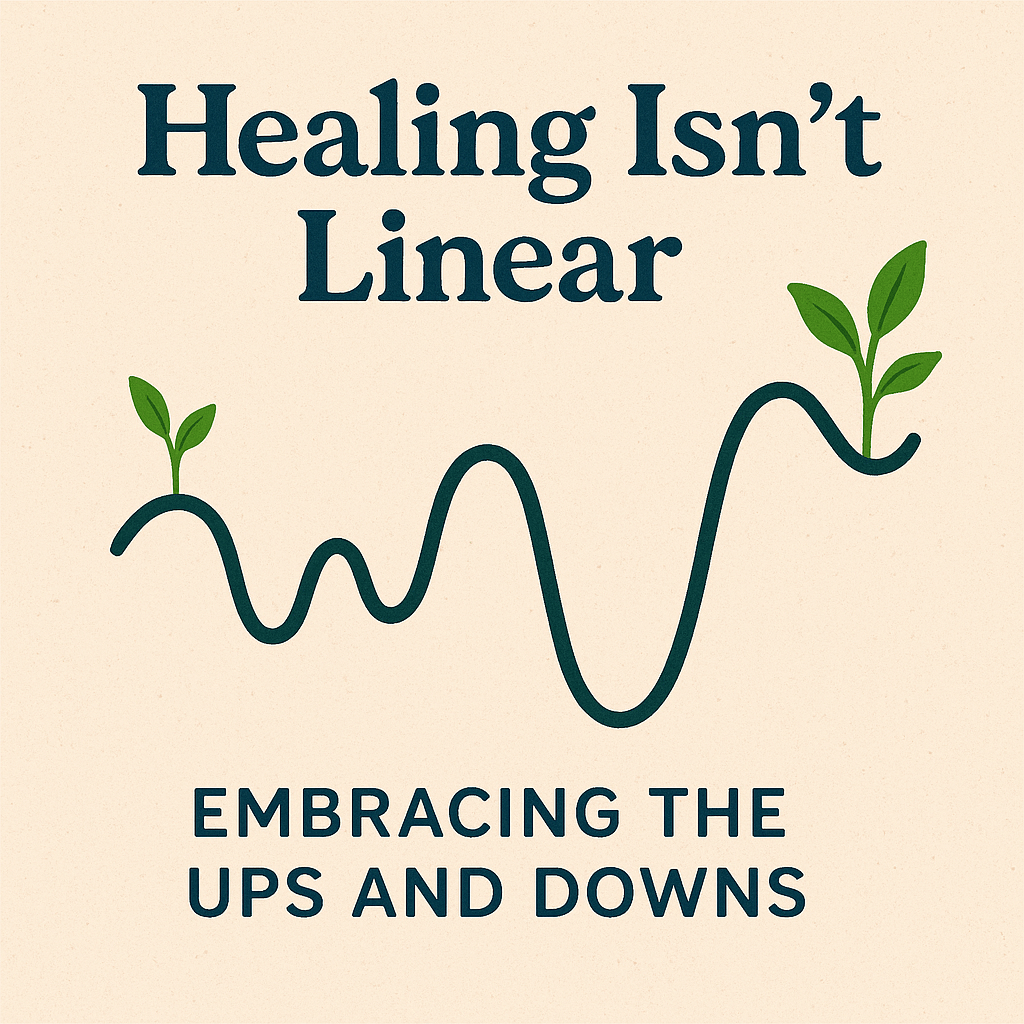
🌱 Healing Isn’t Linear: Embracing the Ups and Downs

Healing—whether emotional, mental, or physical—is not a straight path. It’s a journey filled with progress, setbacks, and moments that may feel like you’re going in circles. And that’s okay.


1. Healing Takes Time

  • Recovery doesn’t happen overnight.
  • It’s okay to take days, weeks, or even years.
  • Be patient with yourself.

2. It’s Normal to Have Good and Bad Days

  • Some days you’ll feel strong, other days you won’t.
  • Bad days don’t erase your progress.
  • Every step, even backward, is part of the journey.

3. Progress Isn’t Always Visible

  • Just because you can’t see improvement doesn’t mean it’s not happening.
  • Inner changes often take time to show on the outside.

4. Setbacks Are Not Failures

  • Falling back into old patterns is common.
  • It’s not a failure—it’s part of learning and growing.
  • Use it as a lesson, not a reason to give up.

5. Celebrate Small Wins

  • Even small steps matter—like getting out of bed, saying “no,” or smiling again.
  • Every tiny win adds up to big change.

6. Your Journey Is Unique

  • Don’t compare your healing to others.
  • Everyone heals at their own pace and in their own way.
  • What works for someone else may not work for you—and that’s okay.

7. Allow Yourself to Feel

  • Don’t hide your emotions—feel them.
  • Crying, anger, or sadness are not signs of weakness.
  • Emotions are part of processing and healing.

8. Ask for Help When You Need It

  • You don’t have to do it alone.
  • Talk to a friend, therapist, or support group.
  • Asking for help is a strength, not a weakness.

9. Be Kind to Yourself

  • Talk to yourself with love and compassion.
  • You’re doing your best, and that’s enough.
  • Replace self-criticism with encouragement.

10. Healing Is Ongoing

  • Healing doesn’t mean you’ll never feel pain again.
  • It means you learn to carry it with more strength and less fear.
  • It’s about growing through what you go through.

🌼 Final Thought:

Healing isn’t a straight line—it’s a journey of twists, turns, detours, and growth. Embrace the process, honor your progress, and trust that every step—even the tough ones—is leading you toward a stronger you.

Healing Isn’t Linear — And That’s Okay

Healing is not a straight road. It’s a journey with ups and downs, good days and tough ones. And that’s completely normal.

Here’s a simple guide to understand and embrace the non-linear nature of healing:


💡 1. Progress Comes in Waves

  • Some days you’ll feel strong, other days not so much — both are part of healing.
  • It’s okay to have setbacks. They don’t erase the progress you’ve made.

👉 Tip: Keep a small journal. Write down even the smallest win — it helps to see how far you’ve come.


💡 2. Feel Your Feelings

  • Suppressing emotions can slow down healing.
  • Allow yourself to cry, rest, be angry, or confused.

👉 Tip: Practice deep breathing or journaling when overwhelmed. It helps release bottled-up emotions.


💡 3. Stop Comparing Your Journey

  • Everyone heals differently. What worked for someone else might not work for you — and that’s okay.

👉 Tip: Unfollow accounts or avoid people who make you feel less. Follow pages that uplift and support you.


💡 4. Healing Takes Time

  • There’s no fixed timeline for feeling better.
  • Rushing the process often adds more pressure.

👉 Tip: Focus on taking it one day at a time. Celebrate small steps.


💡 5. Rest Is Not Laziness

  • Rest is part of recovery, both physically and emotionally.
  • You’re not weak for needing a break.

👉 Tip: Schedule “rest days” just like work or errands. Use them for hobbies, naps, or doing nothing at all.


💡 6. Setbacks Are Not Failures

  • Having a tough day doesn’t mean you’re back to square one.
  • Setbacks are part of growth.

👉 Tip: Remind yourself: “This is temporary. I’ve made it through worse.”


💡 7. Ask for Help When You Need It

  • You don’t have to do it alone.
  • Talking to a friend, mentor, or therapist can bring relief.

👉 Tip: Make a small list of people you trust. Reach out to one when you feel low.


💡 8. Be Gentle With Yourself

  • Self-kindness fuels healing. Harsh self-talk doesn’t.
  • Replace “Why am I still struggling?” with “I’m doing my best, and that’s enough.”

👉 Tip: Speak to yourself like you would to a dear friend.


🌱 Final Thought

Healing isn’t a race. It’s a journey that unfolds in its own time and in its own way. Trust the process. Even on the hard days, you’re still healing.

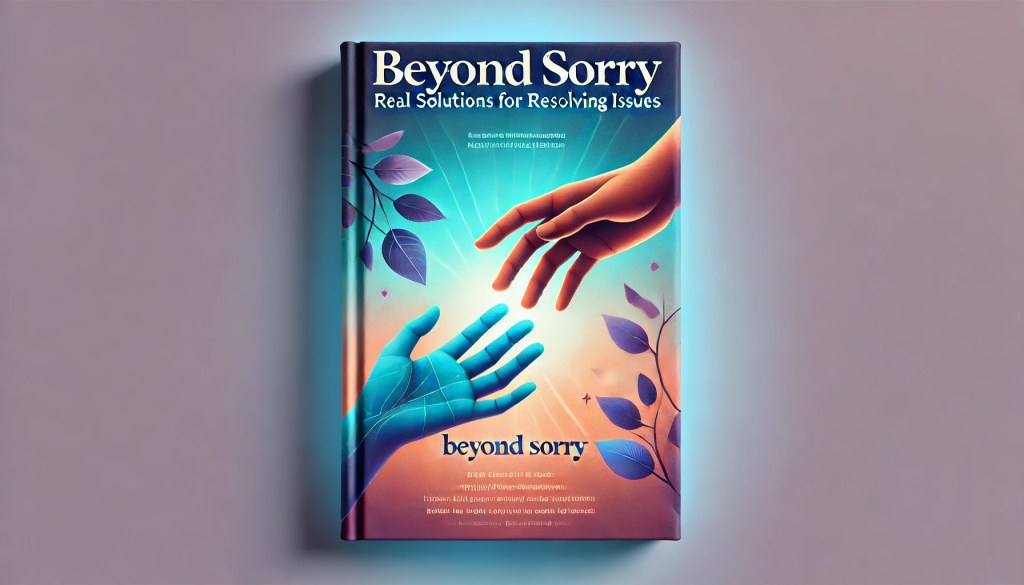
Beyond Sorry: Real Solutions for Resolving Issues

When conflicts arise or mistakes are made, a heartfelt “sorry” is often the first step toward resolution. But while apologies are valuable, they are not the ultimate solution. True resolution requires action, understanding, and effort.


1. Acknowledge the Impact of Your Actions

An apology is incomplete without recognizing the harm caused. Take a moment to empathize with the other person’s feelings and acknowledge their pain.

“An apology is a lovely perfume; it can transform the clumsiest moment into a gracious gift.” – Margaret Lee Runbeck


2. Take Responsibility Without Excuses

Instead of justifying your behavior, own up to your mistakes. Accountability shows maturity and willingness to change.

“Mistakes are always forgivable if one has the courage to admit them.” – Bruce Lee


3. Understand the Root Cause

Identify why the issue occurred to ensure it doesn’t happen again. Reflecting on the root cause helps avoid repetitive mistakes.

“The only real mistake is the one from which we learn nothing.” – John Powell


4. Take Action to Make Amends

Actions speak louder than words. Show that you are genuinely sorry by making efforts to correct the mistake or repair the harm done.

“Well done is better than well said.” – Benjamin Franklin


5. Communicate Openly and Honestly

Clear communication is key to rebuilding trust. Discuss the situation, listen actively, and express your commitment to resolving the problem.

“Honest communication is built on truth and integrity and upon respect of the one for the other.” – Benjamin E. Mays


6. Rebuild Trust with Consistency

Trust is fragile and takes time to restore. Consistent positive actions, paired with honesty, show your sincerity.

“Trust is built with consistency.” – Lincoln Chafee


7. Learn and Grow from the Experience

Every mistake is a chance to improve. Reflect on what you’ve learned and use it to strengthen your relationships and character.

“Failure is the condiment that gives success its flavor.” – Truman Capote


8. Be Patient in the Healing Process

Healing emotional wounds takes time. Allow the other person to process their feelings and rebuild the relationship at their pace.

“Patience is not the ability to wait, but the ability to keep a good attitude while waiting.” – Joyce Meyer


9. Prevent Future Conflicts

Focus on improving communication and understanding in your relationships to avoid similar issues in the future. Proactive care is always better than reactive apologies.

“The best way to predict the future is to create it.” – Peter Drucker


10. Conclusion: Move Beyond Words

An apology is just the starting point. Real solutions come from addressing the issue, learning from mistakes, and committing to growth. True resolution is found not in the words “I’m sorry,” but in the actions that follow.

“Sorry works when a mistake is made, but not when trust is broken. So, in life, make mistakes but never break trust.” – Anonymous

Breaking Free: Steps to Overcoming the Past

The journey of overcoming the past is a deeply personal and transformative process that encompasses acknowledgment, forgiveness, and personal growth. Rooted in the understanding of human behavior and the power of self-awareness, this journey offers profound insights into the complexities of our experiences and the potential for positive change.

Acknowledgment:

  • Recognize the burden of the past.
  • Confront mistakes, traumas, and regrets.
  • Embrace the discomfort of facing uncomfortable truths.

Embracing Forgiveness:

  • Forgive others and yourself.
  • Release grudges and resentments.
  • Choose liberation over bitterness.

Learning from Lessons:

  • View past experiences as opportunities for growth.
  • Extract wisdom from mistakes and missteps.
  • Embrace humility and openness to learning.

Living in the Present:

  • Cultivate mindfulness and presence.
  • Anchor yourself in the here and now.
  • Let go of past burdens and future anxieties.

Celebrating Progress:

  • Acknowledge and honor each step forward.
  • Embrace the journey’s ups and downs.
  • Recognize resilience and growth.

    Conclusion: Breaking free from the past is a journey of acknowledgment, forgiveness, learning, living in the present, and celebrating progress. Each step brings us closer to liberation and a brighter future.

    Shining Through Shadows: Simple Steps to Overcome Depression

    Introduction:
    Life can sometimes feel like a complicated maze, with twists and turns that leave us feeling lost and overwhelmed. When depression casts its shadow over us, those twists can become even darker, making it hard to see any way out. But even in the toughest times, there’s a glimmer of hope—a chance to start again, to find happiness, and to reclaim our lives. . Guided by inspiring quotes that remind us of our strength, we’ll embark on a journey together, knowing that even in the darkest times, there’s always a way forward.

    1. Seek Professional Support:
      • “The only way out of the labyrinth of suffering is to forgive.” – John Green
      • Sometimes, the first step towards healing is reaching out for help. Therapists and counselors are trained to guide us through difficult times and provide the support we need to navigate the challenges of depression.

      2. Practice Self-Compassion:

        • “Talk to yourself like you would to someone you love.” – Brené Brown
        • It’s easy to be hard on ourselves when we’re struggling, but practicing self-compassion is crucial. Treat yourself with kindness and understanding, just as you would a friend in need.

        3. Connect with Others:

          • “Friendship … is born at the moment when one man says to another ‘What! You too? I thought that no one but myself…'” – C.S. Lewis
          • Don’t underestimate the power of human connection. Reach out to friends, family, or support groups who can offer empathy, understanding, and companionship on your journey towards healing.

          4. Stay Active:

            • “Exercise is the most underutilized antidepressant.” – Unknown
            • Physical activity isn’t just good for your body—it’s also good for your mind. Even a short walk or gentle yoga session can boost your mood and reduce symptoms of depression.

            5. Practice Mindfulness:

              • “You cannot control the past, but you can control where you go next.” – Kirsten Hubbard
              • Mindfulness techniques can help anchor you in the present moment, reducing stress and promoting a sense of calm. Whether through meditation, deep breathing, or simply paying attention to your surroundings, mindfulness can be a powerful tool for overcoming depression.

              6. Set Achievable Goals:

                • “The journey of a thousand miles begins with one step.” – Lao Tzu
                • Break down your goals into smaller, more manageable tasks, and celebrate each small victory along the way. By setting achievable goals, you’ll maintain motivation and momentum on your journey towards healing.

                7. Surround Yourself with Positivity:

                  • “You are the average of the five people you spend the most time with.” – Jim Rohn
                  • Pay attention to the people and influences in your life. Surround yourself with positivity and inspiration, and minimize exposure to negative influences that may exacerbate feelings of depression.

                  In Conclusion:
                  Depression can feel like an insurmountable obstacle, but it doesn’t have to define us. By incorporating these simple strategies into our lives and drawing inspiration from the quotes that remind us of our strength, we can navigate through the darkness and find light once again. Remember, you are not alone on this journey, and there is always hope, even in the darkest of times.