Quantum Superposition: You Can Be More Than One Version of Yourself

Introduction

In quantum physics, superposition means a particle can exist in multiple states at the same time until someone observes it. This mind-bending idea isn’t just for scientists. It mirrors our personal journey. In life, we often forget that we too carry many possible versions of ourselves waiting to unfold.


1. You carry many possibilities within you

In superposition, a particle can be here and there.
In life, you can be strong and scared. Brave and unsure. Learning and leading.
You don’t have to fit into one fixed label.

Your identity is a wide horizon, not a locked room.


2. You don’t have to decide who you are immediately

Superposition teaches that reality settles only when observed.
Similarly, you don’t need to rush your life decisions.
Career, relationships, dreams — these don’t always need instant clarity.
Give yourself permission to explore before choosing.


3. You can reinvent yourself anytime

Just like a particle collapses into a specific state when observed, you can choose which version of yourself to activate today.
Want to be more confident? More disciplined? More patient?
You can select that version and let it grow.

The choice becomes the turning point.


4. Your circumstances do not define your potential

Superposition reminds us that there is always more happening beneath the surface.
Your potential isn’t limited by your past or present situation.
There are countless paths hidden inside you, waiting to be chosen.


5. You are allowed to grow in different directions

People often feel pressure to be consistent, predictable, or a “single type” of person.
But you can be a creative thinker and a practical planner.
A dreamer and a doer.
A calm person and a bold decision-maker.

Life becomes richer when you embrace your complexity instead of hiding it.


6. Your future is a collection of possibilities

Superposition shows that reality isn’t fixed.
Your future isn’t fixed either.
Small shifts in choice, mindset, and habits can unlock entirely new paths.

Every day, you decide which version of yourself steps forward.


Final Thoughts

Quantum superposition gently reminds us that we are not stuck. We are not one-dimensional. We are not limited to a single identity or destiny. Within each of us lives a constellation of possibilities, waiting to be chosen at the right moment.

You are allowed to evolve.
You are allowed to change.

🧠 Mental Fitness: Treating Your Brain Like a Muscle

🌟 Introduction

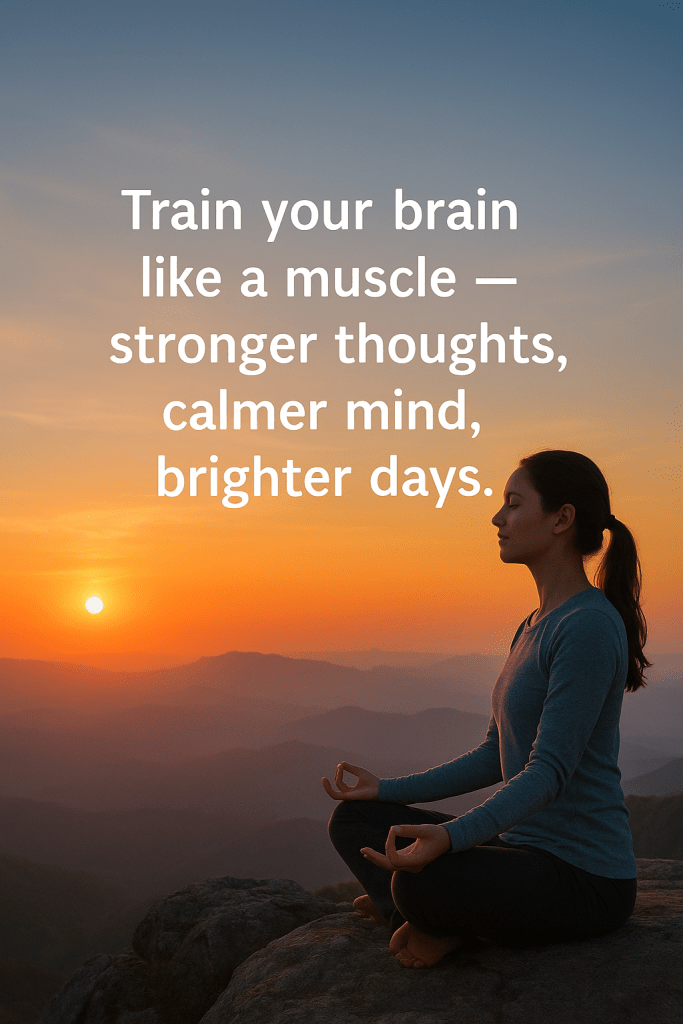
Just like your body needs exercise to stay strong, your mind also needs regular training to stay healthy, calm, and focused.
Mental fitness isn’t about fixing problems — it’s about building strength, clarity, and emotional balance every day.

💬 “The mind is just like a muscle — the more you exercise it, the stronger it gets.”


💪 1. Train Your Brain Daily

  • Think of your brain as a muscle that grows stronger with use.
  • Do puzzles, read, learn new things, or try something different every day.
  • Challenge your routine to wake up new areas of your mind.

💬 “Great things never come from comfort zones.”


🧘‍♀️ 2. Practice Mindfulness and Meditation

  • Spend at least 10 minutes daily in silence or deep breathing.
  • It reduces stress, increases focus, and helps you stay grounded.
  • Mindfulness teaches you to live in the now, not in the noise.

💬 “Quiet the mind, and the soul will speak.” – Ma Jaya Sati Bhagavati


❤️ 3. Strengthen Emotional Resilience

  • Learn to manage emotions instead of running from them.
  • Focus on what you can control and let go of what you can’t.
  • Positive thinking is mental strength training in disguise.

💬 “You cannot control the waves, but you can learn to surf.”


🧩 4. Keep Learning and Growing

  • Pick up a new hobby, language, or creative skill.
  • Growth keeps your mind flexible and curious.
  • Every new experience builds fresh neural connections.

💬 “Once you stop learning, you start declining.” – Albert Einstein


🥗 5. Fuel Your Brain Right

  • Eat foods rich in omega-3, fruits, vegetables, and nuts.
  • Drink plenty of water and sleep well.
  • A healthy body supports a sharp, peaceful mind.

💬 “Take care of your body — it’s the only place you have to live.” – Jim Rohn


🤝 6. Build Social Connections

  • Talk, share, and connect with positive people.
  • Meaningful conversations boost happiness and mental stability.
  • Laughter and empathy are powerful mental vitamins.

💬 “Connection is the energy that exists between people when they feel seen, heard, and valued.” – Brené Brown


🏃‍♀️ 7. Move Your Body for Mental Strength

  • Walk, dance, or stretch — movement releases happy hormones.
  • Exercise improves focus, memory, and confidence.
  • A fit body supports a fit mind.

💬 “A healthy outside starts from the inside.” – Robert Urich


✍️ 8. Journal and Reflect

  • Write your thoughts to understand your emotions.
  • Journaling helps release mental clutter and find clarity.
  • It’s your daily talk with your inner self.

💬 “Writing is the painting of the voice.” – Voltaire


🌈 9. Rest and Recharge

  • Strength also means knowing when to pause.
  • Sleep, relax, and let your mind recover.
  • Rest is part of progress — not the absence of it.

💬 “Rest and self-care are not wasteful. They are acts of survival.”


🌻 Conclusion

Mental fitness is not about avoiding life’s challenges — it’s about training your mind to stay calm, confident, and creative through them.
Like your body, your brain becomes stronger with consistent care and attention.
Start small, stay steady, and your mental strength will grow — one thought at a time.

💬 “The mind is everything. What you think, you become.” – Buddha

Peaceful Eternal Life

🌸 Introduction

Everyone seeks peace — not just in moments, but in life itself. A peaceful eternal life is about living with calmness, clarity, and contentment that lasts beyond temporary highs and lows. It’s not about how long we live, but how peacefully we live.


☀️ 1. Peace Begins Within

  • True peace starts from the mind and heart, not from the outside world.
  • Calm thoughts create calm actions.
  • When you learn to quiet your inner noise, life automatically feels lighter.

“Peace comes from within. Do not seek it without.” – Buddha


🌊 2. Let Go of What You Can’t Control

  • Life becomes peaceful when we stop fighting every situation.
  • Acceptance is the first step to inner harmony.
  • Control your reactions, not the world around you.

“The greatest weapon against stress is our ability to choose one thought over another.” – William James


🌿 3. Live with Kindness and Compassion

  • A peaceful heart is a kind heart.
  • Helping others, forgiving mistakes, and spreading love bring eternal satisfaction.
  • Compassion connects us to something divine and everlasting.

🌤 4. Stay Grateful Every Day

  • Gratitude transforms ordinary days into blessings.
  • Appreciate simple joys — sunrise, laughter, loved ones, good health.
  • Gratitude invites peace and pushes away negativity.

“Gratitude turns what we have into enough.” – Anonymous


🌙 5. Connect with the Spiritual Side

  • Meditation, prayer, or quiet reflection can calm your soul.
  • Believe that life has a higher purpose beyond material success.
  • Spiritual awareness helps you feel eternal peace, beyond fear or loss.

🌻 6. Live in Harmony with Nature

  • Nature teaches balance and serenity.
  • Spend time under the sky, near trees or water — it heals silently.
  • When you live close to nature, you live close to peace.

🌈 7. Simplicity is the Secret

  • The less you chase, the more you rest.
  • Simplify your wants, declutter your mind, and value peace over possessions.
  • Eternal peace comes when you stop competing and start living mindfully.

🌟 Conclusion

Peaceful eternal life isn’t a faraway dream — it’s a state of being we can nurture every day.
It’s in our thoughts, choices, and the love we share.
When you live with peace in your heart, you live eternally — even in moments.

“Peace is not the destination, it is the way.” – Thich Nhat Hanh

🌿 Visualization Exercises for Mental Relaxation

Life often feels heavy with worries and endless tasks. One gentle way to relax the mind is through visualization exercises—using the power of imagination to create peaceful mental images.


🌸 What is Visualization?

  • Visualization is a mental technique where you picture calming scenes, places, or experiences in your mind.
  • It helps your brain and body feel as if you are truly there, creating relaxation.
  • Simple, safe, and can be practiced anywhere.

“The mind is everything. What you think, you become.” – Buddha


🌊 Simple Visualization Exercises

  1. Peaceful Beach Scene
    • Close your eyes and imagine waves gently washing the shore.
    • Feel the breeze, hear the waves, and sense the warmth of the sun.
    • Stay in this image for 2–3 minutes.
  2. Forest Walk
    • Picture yourself walking on a soft forest path.
    • Hear birds singing, smell fresh earth, and feel calm with every step.
    • Let the greenery soothe your mind.
  3. Light and Energy Visualization
    • Imagine a warm golden light above your head.
    • Slowly let it flow through your body, melting away stress.
    • Feel lighter and more refreshed.
  4. Safe Place Technique
    • Create a mental image of a place where you feel completely safe.
    • It could be a childhood home, a mountain cabin, or even a dream space.
    • Visit this place in your mind whenever you feel anxious.

“Imagination is the beginning of creation.” – George Bernard Shaw


🌼 Benefits of Visualization

  • Reduces stress and anxiety.
  • Improves focus and mental clarity.
  • Creates a sense of inner peace and balance.
  • Helps the body feel physically relaxed.

“Your calm mind is the ultimate weapon against your challenges.” – Bryant McGill


🌙 Final Thought

Visualization is like giving your mind a mini-vacation. Just a few minutes daily can restore calm, energy, and clarity. Close your eyes, breathe deeply, and paint a peaceful picture in your mind.

Calmness and Clarity in Everyday Life

🌿 Introduction

Life today often feels rushed, noisy, and overwhelming. Between responsibilities, technology, and constant demands, our minds rarely find rest. Yet, calmness and clarity are not luxuries—they are essential for balance, decision-making, and happiness. With simple practices, we can bring peace into our everyday life.


🌸 Simple Ways to Cultivate Calmness and Clarity

  1. Start Your Day Slowly
    • Avoid rushing into your phone or work.
    • Begin with a few minutes of quiet breathing, stretching, or gratitude.
  2. Practice Mindful Breathing
    • A few deep breaths can instantly reduce stress.
    • Breathing anchors the mind and helps you focus better.
  3. Declutter Your Surroundings
    • A clean space clears mental clutter.
    • Keep only what is useful and meaningful around you.
  4. Take Short Breaks
    • Step away from work, screens, or noise.
    • Even 5 minutes of silence refreshes the mind.
  5. Limit Information Overload
    • Too much news, social media, or notifications creates anxiety.
    • Be selective with what you consume daily.
  6. Spend Time in Nature
    • Walking in a park, sitting under a tree, or listening to birds brings instant calm.
    • Nature naturally clears the mind.
  7. Write It Out
    • Journaling helps release confusion and emotions.
    • Clarity often comes when thoughts are on paper.
  8. Stay Present
    • Worrying about the future or replaying the past disturbs peace.
    • Focus on what you can do right now.
  9. Practice Gratitude
    • Recognize small blessings daily.
    • Gratitude shifts the mind from chaos to calm.
  10. End the Day with Reflection
    • Review your day with kindness, not judgment.
    • Let go of stress before you sleep.

🌟 Conclusion

Calmness and clarity don’t come from escaping life—they come from how we live each moment. By slowing down, simplifying, and staying present, we can handle challenges with peace instead of pressure. A calm mind sees clearly, and a clear mind lives fully.

The Rise of Biohacking: A Shortcut to Better Health or Just a Trend?

What is Biohacking?

  • Biohacking is the practice of making small lifestyle or biological changes to improve health, performance, and well-being.
  • It combines science, nutrition, technology, and self-experimentation.
  • Popular among entrepreneurs, athletes, and health enthusiasts seeking an edge in life.

Types of Biohacking

  1. Nutritional Biohacking – Optimizing diet for better energy, focus, and longevity.
    • Example: Keto diet, intermittent fasting, and nootropics (brain-boosting supplements).
  2. Lifestyle Biohacking – Enhancing health through daily habits.
    • Example: Cold showers, meditation, red light therapy, and better sleep cycles.
  3. Technological Biohacking – Using gadgets and wearables to track and improve performance.
    • Example: Smartwatches, glucose monitors, and VR fitness apps.
  4. DIY Biology (Extreme Biohacking) – Experimenting with genetics and implants.
    • Example: Microchips under the skin, CRISPR gene editing (controversial).

Popular Biohacking Techniques

Intermittent Fasting – Extends lifespan, improves brain function.
Cold Therapy (Ice Baths, Cold Showers) – Boosts metabolism, reduces inflammation.
Blue Light Blocking Glasses – Enhances sleep by reducing screen-induced eye strain.
Wearable Health Trackers – Helps monitor steps, heart rate, and sleep quality.
Brain Training Apps – Improves memory and cognitive skills.
Nootropics (Smart Drugs & Supplements) – Claims to enhance focus and mental clarity.

Does Biohacking Work?

  • Many techniques are backed by science (e.g., fasting, sleep optimization).
  • Some extreme methods are risky and not well-studied (e.g., genetic modifications).
  • Personalized biohacking works best—what helps one person may not work for another.

Pros & Cons of Biohacking

Pros:
✔️ Boosts energy and productivity.
✔️ Helps with weight loss and mental clarity.
✔️ Improves sleep and reduces stress.

Cons:
❌ Some methods lack scientific proof.
❌ Extreme biohacking can be dangerous.
❌ Requires time, effort, and sometimes expensive tools.

Should You Try Biohacking?

  • Start with safe and simple methods like improving diet, exercise, and sleep.
  • Consult a healthcare professional before trying supplements or extreme methods.
  • Listen to your body and track progress with wearables if possible.

Final Thoughts

Biohacking offers exciting ways to enhance health and performance. While some methods work wonders, others require more research. The key is balance, awareness, and personalization—upgrade your body wisely!

Reflection Without Action is a Missed Opportunity for Growth

  1. Reflection Gives Clarity
    • Thinking about past experiences helps you understand what worked and what didn’t.
    • But without action, these insights won’t create real change.
    • Quote: “Knowing is not enough; we must apply.” – Johann Wolfgang von Goethe
  2. Action Brings Growth
    • Growth happens when you act on your reflections and implement changes.
    • Reflection alone leaves progress incomplete.
  3. Small Steps Matter
    • Even small actions based on reflection can lead to big improvements over time.
    • Example: If you reflect on poor fitness but start walking for 10 minutes daily, you’ll see gradual progress.
  4. Avoid Regret
    • Reflecting but not acting can lead to regrets about missed opportunities.
    • Quote: “Action is the foundational key to all success.” – Pablo Picasso
  5. Reflection + Action = Success
    • Combine reflection and action to create a cycle of learning and improvement.
    • Example: Entrepreneurs improve by acting on customer feedback after reflecting on business challenges.
  6. Learn From Mistakes
    • Reflection helps you see mistakes, but action ensures you learn from them.
    • Quote: “Success is not final, failure is not fatal: It is the courage to continue that counts.” – Winston Churchill
  7. Build Confidence Through Action
    • Acting on your thoughts builds confidence and belief in your abilities.
    • Example: Overcoming public speaking fear starts with small actions like speaking in front of friends.

Key Takeaway:
Reflection without action is like planning a journey but never starting it. Think, act, and grow—one step at a time.
Quote: “An idea is nothing without the action to back it up.” – Unknown

The Basics of To-Do Lists: Your Key to Productivity

In the hustle and bustle of daily life, staying organized and on top of tasks can feel like an uphill battle. This is where to-do lists come in as invaluable allies. Let’s explore the fundamental aspects of to-do lists and unveil why they are crucial for unlocking your productivity potential.

  1. What are to-do lists?
    • To-do lists are lists of tasks or activities that you need to complete within a certain timeframe.
    • They can range from simple handwritten notes to sophisticated digital apps, tailored to suit individual preferences.
  2. Why are to-do lists important?
    • Organization: To-do lists help you organize your tasks and prioritize them based on their importance and urgency.
    • Clarity: They provide clarity on what needs to be done, reducing the mental clutter and anxiety associated with trying to remember everything.
    • Focus: To-do lists keep you focused on the tasks at hand, preventing distractions and ensuring that you stay on track towards your goals.
    • Productivity: By breaking down larger tasks into smaller, actionable steps, to-do lists make tasks more manageable and increase your overall productivity.
    • Accountability: To-do lists hold you accountable for your tasks, serving as a tangible reminder of your commitments and deadlines.
  3. How to create an effective to-do list:
    • Start with Brain Dump: Begin by listing down all the tasks that come to mind without worrying about the order or priority.
    • Prioritize: Once you have a comprehensive list, prioritize tasks based on their importance and urgency. Consider using techniques like the Eisenhower Matrix or the ABC method.
    • Break it Down: Break down larger tasks into smaller, actionable steps to make them more manageable and less overwhelming.
    • Set Realistic Goals: Be realistic about what you can accomplish within a given timeframe and avoid overloading your to-do list with too many tasks.
    • Review and Update: Regularly review and update your to-do list as new tasks arise or priorities change. This ensures that your list remains relevant and actionable.

To-do lists are simple yet powerful tools that can revolutionize the way you approach your tasks and goals. By incorporating them into your daily routine, you can enhance your productivity, reduce stress, and achieve greater success in both your personal and professional life. Start creating your to-do list today and experience the transformative impact it can have on your productivity!

50/30/20 Rule: A Blueprint for Financial Success

Introduction: In the intricate tapestry of personal finance, finding a roadmap that’s both practical and effective is crucial. Enter the 50/30/20 rule, a tried-and-true principle that simplifies budgeting and empowers individuals to take control of their financial destinies. Let’s delve into this comprehensive guide to understand the 50/30/20 rule and how it can transform your approach to managing money.

Decoding the 50/30/20 Rule: A Blueprint for Financial Success

1. Needs (50%): Nurturing Financial Stability

  • The foundation of the 50/30/20 rule lies in allocating 50% of your after-tax income to essential needs. This includes:
    • Rent or Mortgage
    • Utilities (Water, Electricity, Gas)
    • Groceries
    • Health Insurance
    • Transportation
    • Minimum Debt Payments
  • This category ensures that your fundamental requirements are met, providing stability and security.

2. Wants (30%): Balancing Enjoyment and Responsibility

  • The “Wants” category, accounting for 30% of your budget, encompasses discretionary spending that enhances your lifestyle. This includes:
    • Dining out and Entertainment
    • Subscription Services
    • Hobbies and Leisure Activities
    • Fashion and Non-essential Shopping
  • Allocating 30% to wants allows you to enjoy life without jeopardizing your financial health, striking a balance between enjoyment and responsibility.

3. Savings/Debt Repayment (20%): Building for the Future

  • The final piece of the puzzle is dedicating 20% of your income to savings and debt repayment. This includes:
    • Emergency Fund Savings
    • Retirement Contributions
    • Additional Debt Repayment
  • Devoting 20% to savings ensures you are building a financial safety net and working towards long-term goals.

Benefits of the 50/30/20 Rule: A Holistic Approach to Money Management

  1. Simplicity and Clarity:
    • The rule simplifies budgeting by offering clear categories, making it easy to understand and implement.
  2. Financial Balance:
    • It encourages a balanced approach, ensuring you cover your needs, indulge in wants, and prioritize savings and debt repayment.
  3. Flexibility:
    • The rule is adaptable to different income levels, providing a flexible framework for various financial situations.

Implementing the 50/30/20 Rule: Practical Tips for Success

  1. Track Your Spending:
    • Understand where your money is going to effectively allocate it to the 50/30/20 categories.
  2. Review and Adjust:
    • Regularly review your budget and make adjustments as needed to stay on track.
  3. Emergency Fund Priority:
    • Build and maintain an emergency fund as a top priority within the 20% savings category.

Conclusion: The 50/30/20 rule is not just a budgeting guideline; it’s a philosophy that empowers you to take charge of your financial destiny. By adhering to this rule, you can achieve financial balance, cultivate good money habits, and work towards both short-term and long-term financial goals. So, embark on this journey with the 50/30/20 rule as your compass, guiding you towards a future of financial stability and success.