This blog is a handy guide that helps you streamline your daily tasks, save and grow your money, and get better at handling your feelings. It’s filled with easy-to-follow advice that makes a big difference in how you work, spend, and feel. Dive into our Pioneeredge.io site for practical tips and tricks that make life smoother and more fulfilling.
People often believe that money is the most powerful resource, but in reality, time is the greatest currency we have. Unlike money, time cannot be saved in a bank, borrowed, or replaced. Once it’s gone, it’s gone forever. The way we spend our time shapes our happiness, relationships, and success in life.
Why Time is More Valuable than Money
Money can be earned, lost, and earned again, but time can never return.
Everyone, no matter how rich or poor, gets the same 24 hours a day.
Time is the foundation on which all achievements are built.
How Time Works Like Currency
Every day, we spend time on different activities, just like we spend money.
Using time on growth, learning, or meaningful relationships is like making a smart investment.
Wasting time on unimportant things is like losing money on a bad deal.
Using Time Wisely
Prioritize what truly matters: health, family, and personal growth.
Learn to say no to distractions and unnecessary commitments.
Manage time effectively by setting goals and avoiding procrastination.
Remember: spending quality time with loved ones creates memories that money can’t buy.
The Real Wealth
True wealth isn’t measured by how much money you have, but how wisely you use your time.
At the end of life, people don’t wish for more money—they wish for more time with the people they love.
Balancing work, rest, and joy makes life meaningful.
Conclusion
Time is life’s greatest currency. Use it with care, spend it on things that bring happiness and growth, and never waste it on what doesn’t matter. Once time is gone, it never comes back—so value every moment.
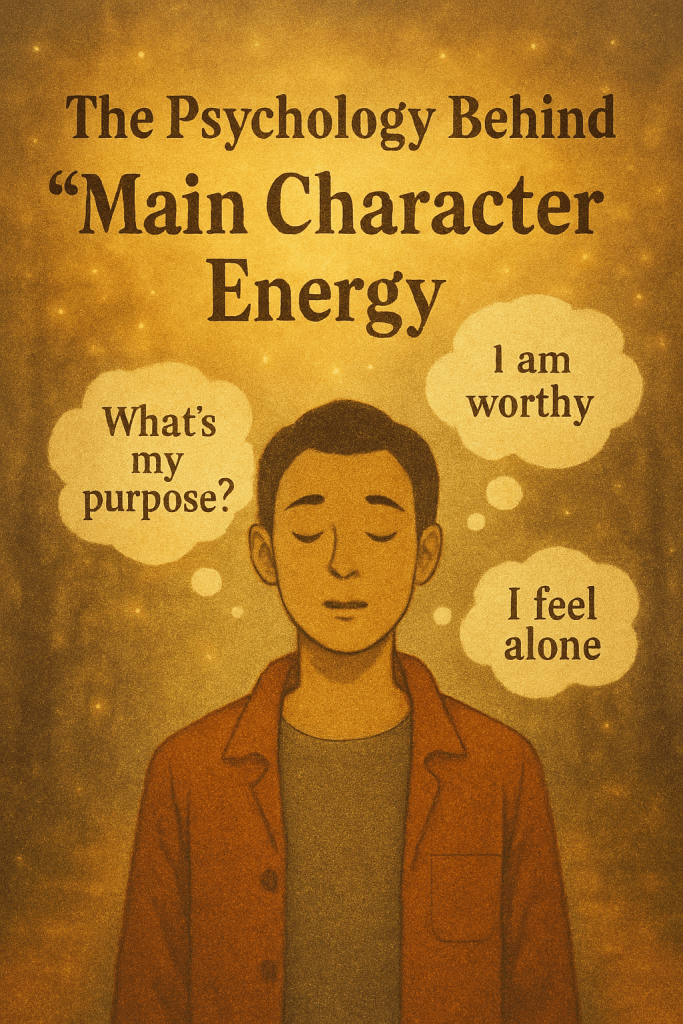
In recent years, you might have heard phrases like “I’m in my main character era” or “Livelike the main character.” But what does it really mean? And why is it trending?
Let’s break it down simply.
🌟 What Is “Main Character Energy”?
Main Character Energy (MCE) is a mindset where a person sees themselves as the lead in their own life story. It’s about confidence, self-awareness, and making choices that align with your values, not just blending into the background.
“You are the author of your own story. Don’t hand the pen to someone else.”
🧠 Why It Feels So Good (Psychological Reasons)
Boosts Self-Esteem
When you feel like the ‘main character,’ you value yourself more.
Example: Dressing up just for a walk because it makes you feel good.
Encourages Mindfulness
You become more aware of your surroundings and actions.
Example: Drinking coffee slowly while enjoying the moment, like you’re in a movie scene.
Helps Create a Strong Identity
You start asking: What kind of person do I want to be?
This leads to intentional decisions, not just going with the crowd.
Inspires Personal Growth
Main characters overcome challenges.
Example: You treat a bad day not as the end—but as the middle of your character arc.
“You either walk inside your story and own it, or you stand outside and hustle for your worthiness.” — Brené Brown
🎬 Main Character Energy vs. Narcissism
It’s important to note that MCE is not about being self-obsessed or thinking others are less important. It’s about:
✅ Confidence — not arrogance ✅ Self-love — not selfishness ✅ Growth — not perfection
“You can be the main character of your life without needing to be the center of everyone else’s.”
✨ Practical Ways to Step into Your Main Character Energy
Create Your “Main Character” Morning Routine
Start your day with intention. Stretch, journal, listen to music that motivates you.
Example: Brew your coffee slowly, stand by the window, and soak in the moment — like the intro scene of a movie.
Dress for the Mood You Want to Create
Wear outfits that make you feel confident, even if you’re not going anywhere fancy.
Example: Wear that bold shirt or lipstick just because it feels you.
Narrate Your Day (Internally or Out Loud!)
Turn simple moments into powerful scenes.
Example: Walking to the bus stop? Imagine you’re the hero heading to an important mission.
Celebrate Small Wins Like Big Victories
Whether it’s finishing a to-do list or making it through a hard day, clap for yourself.
Example: Treat yourself to a solo coffee date after a productive week.
Set a Soundtrack for Your Life
Make playlists that match your vibe — “Confidence Mode,” “Healing Era,” or “Rising Strong.”
Music/podcast makes every moment feel cinematic and empowering.
Say Yes to Solo Moments
Take yourself out for a nature walk, or bookstore visit. You don’t need company to enjoy your life.
Example: A quiet Sunday spent journaling and reflecting can feel like a self-love scene.
📖 Final Thought
You don’t need to wait for someone to give you permission. You are already the main character. Every small act of self-care, courage, and intention writes a better version of your life story.
“The moment you start acting like life is a movie, everything changes. The mood, the energy, the plot—it’s all in your hands.”
Life can often present us with challenges, but hidden within these challenges are opportunities for growth, learning, and transformation. Albert Einstein’s quote, “In the middle of difficulty lies opportunity,” encourages us to view obstacles as chances for progress and improvement. Here’s how to reframe difficulty into opportunity:
1. Shift Your Mindset
Instead of seeing difficulty as a roadblock, recognize it as a chance to learn something new.
Embrace challenges as opportunities for growth.
2. Find Creative Solutions
When faced with adversity, the need to find a solution can inspire creativity and innovation.
Problem-solving through difficulty often leads to fresh ideas.
3. Build Strength and Resilience
Overcoming challenges strengthens your ability to handle future difficulties.
The more challenges you face, the more resilient you become.
4. Discover New Opportunities
Difficult situations often lead to unexpected opportunities.
What seems like a setback may actually open the door to something better.
5. Learn Valuable Lessons
Mistakes and failures teach you lessons that lead to future success.
Every difficulty presents a chance to improve and grow.
6. Enhance Personal Growth
Difficulties push you to develop your character, resilience, and confidence.
Embracing challenges can lead to significant personal growth.
How to Find Opportunity in Difficulty
Change Your Perspective: View challenges as learning experiences, not as problems.
Take Action: Break down the problem into manageable steps and work through them.
Stay Open-Minded: Be open to new solutions or paths that emerge during difficult times.
Seek Support: Talk to others for guidance and ideas to help navigate the challenge.
Conclusion
Difficulties are not the end—they are the beginning of new opportunities. By embracing them and shifting your perspective, you open yourself up to growth, new possibilities, and personal transformation. As Einstein wisely said, opportunity often lies in the heart of difficulty.
Change involves doing things differently or trying new approaches. Whether it’s adjusting your lifestyle or switching careers, change helps you grow.
Example: Many people transitioned to working from home during the COVID-19 pandemic. While it was difficult initially, many found it beneficial, with more time spent with family and less time spent commuting.
Challenges of Change
Change can be difficult because it forces us out of our comfort zone. We might feel anxious, overwhelmed, or unsure at first.
Example: When schools switched to online learning, teachers had to learn new technology quickly. It was stressful at first, but over time, teachers became more comfortable and effective in their new roles.
Fear of the Unknown
The fear of failure or the unknown is a natural response to change. This fear often stops people from embracing new opportunities.
Example: A person considering a career change may fear they won’t succeed in a new field. However, once they take the leap, they often find that their skills are transferable and that the change leads to greater job satisfaction.
Resisting Change
Many people resist change because they prefer the status quo. However, resisting change can prevent growth and opportunities.
Example: When a company decides to switch from a paper-based system to digital tools, employees may initially resist. However, once they realize that the new system saves time and reduces errors, they embrace the change.
Mindset Matters
A positive mindset helps us cope with change. Instead of viewing change as a threat, see it as a chance to improve and evolve.
Example: An employee who faces a layoff might initially be upset. But with the right mindset, they can view it as an opportunity to explore a new career path that better aligns with their interests and goals.
Small Steps Lead to Big Change
Change doesn’t have to happen overnight. Small, gradual changes can lead to big transformations.
Example: If someone wants to get healthier but feels overwhelmed by the idea of intense workouts, they can start with 10-minute walks or swapping junk food for healthier snacks. Over time, these small changes can lead to significant health improvements.
In conclusion, while change can be difficult, it is always possible with the right mindset, small steps, and patience. Change, though challenging, often leads to personal growth and new opportunities that wouldn’t have been possible otherwise.
How you start your morning often determines the course of your entire day. High achievers understand this and craft their mornings to align with their goals and priorities. From business tycoons to sports legends, many Indian personalities follow simple yet powerful morning routines that boost productivity, energy, and focus. By drawing inspiration from their habits, you can create your own transformative morning routine and set the stage for success.
1. Wake Up Early
Inspiration: Many successful people, including Tim Cook (Apple CEO) and Richard Branson (Virgin Group), wake up around 5:00 a.m. to kickstart their day.
Why it Works: Early mornings are peaceful and allow time for reflection, planning, and personal development. It also gives you a head start before the world gets busy.
2. Exercise for Physical and Mental Fitness
Inspiration:Virat Kohli, Indian cricketer, prioritizes fitness and starts his day with a workout or yoga session. Similarly, Bollywood actor Akshay Kumar swears by early morning exercise and martial arts practice.
Why it Works: Morning workouts boost energy levels, enhance focus, and maintain physical fitness. It sets a disciplined tone for the day.
3. Meditation and Mindfulness
Inspiration:Deepika Padukone, actress and mental health advocate, practices yoga and mindfulness every morning to maintain emotional balance. Oprah Winfrey and Arianna Huffington swear by meditation in the morning to ground themselves before facing the day.
Why it Works: Meditation helps calm the mind, reduce stress, and improve clarity, which are essential for productivity and well-being.
4. Healthy Start with Nutrition
Inspiration:PV Sindhu, Olympic badminton player, follows a strict and nutritious morning diet to fuel her rigorous training schedule. Chef Vikas Khanna also begins his day with fresh, wholesome food that keeps him energized.
Why it Works: A balanced breakfast, rich in proteins and nutrients, energizes the body and supports sustained focus throughout the day.
5. Read or Reflect for Personal Growth
Inspiration:Ratan Tata, industrialist and philanthropist, values quiet mornings where he reads, reflects, or plans his day. Similarly, Shiv Nadar, founder of HCL, uses early mornings for strategic thinking.
Why it Works: Reading or reflecting in the morning enhances knowledge, sharpens focus, and provides clarity for decision-making.
6. Gratitude and Journaling
Inspiration:Priyanka Chopra, global icon, practices gratitude and journals her thoughts each morning, focusing on positive intentions for the day.
Why it Works: Expressing gratitude promotes happiness and contentment. Journaling helps organize thoughts and track progress toward goals.
7. Plan the Day with Precision
Inspiration:Narayana Murthy, co-founder of Infosys, emphasizes starting the day by reviewing goals and priorities. He believes in a systematic approach to tackle daily challenges.
Why it Works: Having a clear plan reduces decision fatigue, saves time, and ensures that important tasks are accomplished first.
8. Stay Grounded with Spiritual Practices
Inspiration:Amitabh Bachchan, legendary actor, begins his day with prayer and reflection, staying connected to his values and roots.
Why it Works: Spiritual practices bring a sense of peace and purpose, keeping you centered amidst daily challenges.
9. Simplify with Minimalism
Inspiration:Dr. APJ Abdul Kalam, former President of India, was known for his simple yet impactful routines, emphasizing minimalism and focus on work.
Why it Works: Simplifying decisions, such as having a consistent morning routine, frees mental energy for more critical tasks.
10. Avoid Technology in the Early Hours
Inspiration:Sachin Tendulkar, cricket legend, prefers to keep his mornings free from gadgets to focus on himself and his family.
Why it Works: Avoiding technology prevents distractions and allows for a calm, focused start to the day.
Key Takeaways from Indian Achievers:
Start Early: Waking up early gives you time to focus on yourself and set a productive tone.
Embrace Fitness: Physical activity is crucial for maintaining energy and discipline.
Stay Mindful: Meditation or yoga promotes mental clarity and emotional balance.
Plan Ahead: Setting priorities ensures your energy is spent on what truly matters.
Stay Grounded: Spirituality or gratitude practices bring positivity and purpose to your day.
Stepping out of your comfort zone is one of the most empowering actions you can take for personal growth. While it can feel uncomfortable at first, embracing growth challenges leads to a more fulfilling and successful life.
1. Understanding the Comfort Zone
Your comfort zone is a mental space where you feel safe, familiar, and secure.
It often involves routine habits and predictable outcomes.
While it feels comforting, staying here limits personal development and potential.
2. Why It’s Important to Step Out
Personal Growth: Facing challenges leads to skill development and improved resilience.
New Experiences: It opens doors to new opportunities, relationships, and experiences.
Increased Confidence: Each time you face something difficult, you build more self-assurance.
Expanded Mindset: You start seeing the world and your capabilities in a broader light.
3. Common Fears of Leaving the Comfort Zone
Fear of Failure: You may worry about not succeeding, but failure is often the best teacher.
Fear of the Unknown: The unfamiliar can be intimidating, but it’s where growth happens.
Fear of Judgment: Concern about how others perceive you can hold you back, but remember, growth is personal, not public.
4. Steps to Break Free
Start Small: Begin with manageable challenges that push you just beyond your current limits.
Set Goals: Clear goals provide direction and make challenges feel achievable.
Embrace Discomfort: Understand that discomfort is a sign of growth, not a barrier.
Seek Support: Surround yourself with people who encourage and support your growth.
5. Benefits of Embracing Challenges
Increased Creativity: When faced with new situations, you learn to think outside the box.
Better Problem-Solving: You develop sharper skills in handling tough situations.
Personal Fulfillment: Overcoming challenges boosts your sense of achievement and satisfaction.
Growth Mindset: Regularly stepping out of your comfort zone fosters a mindset that thrives on learning and development.
6. Embrace the Journey
Growth is a journey, not a destination. The more you push yourself, the more you expand your capabilities.
Celebrate small wins along the way to stay motivated.
Conclusion:
Breaking free from your comfort zone might be intimidating at first, but it’s essential for growth. Embrace the challenges, take small steps, and trust in the process. You’ll soon realize that growth and transformation are waiting just outside your comfort zone.
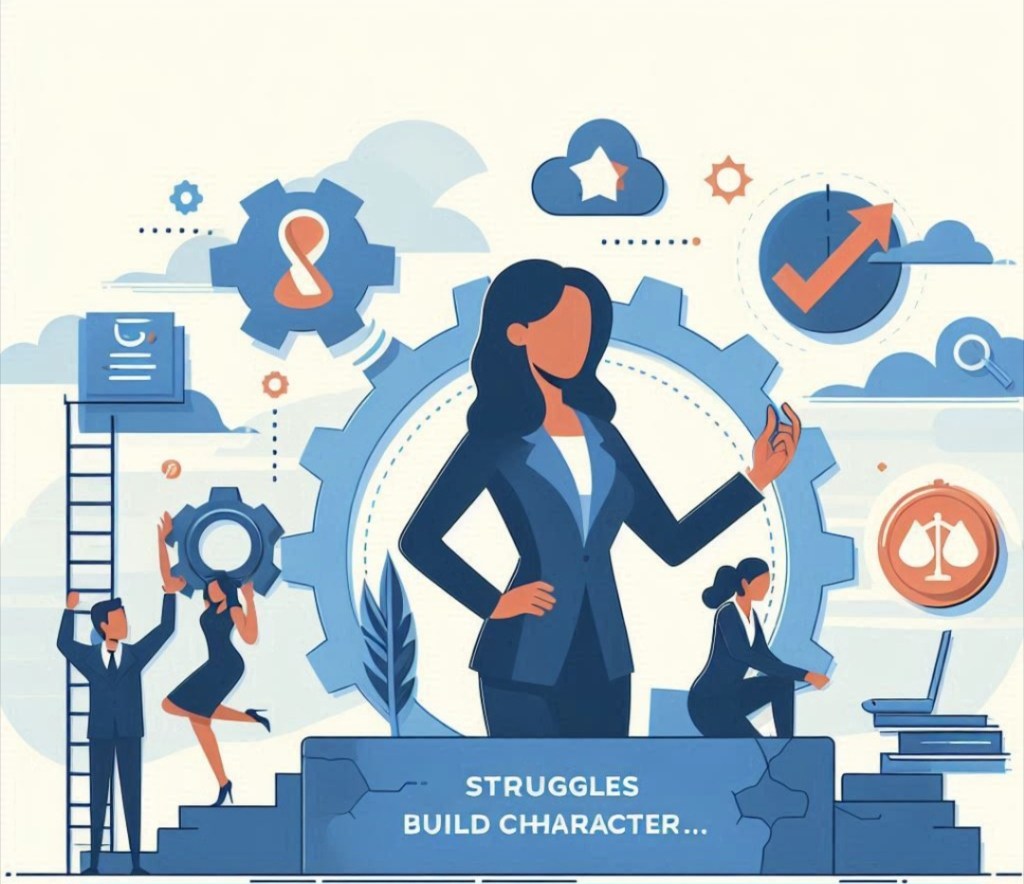
Introduction: Life is full of ups and downs, and we all experience struggles at some point. Whether it’s personal, professional, or emotional, these challenges can be difficult to face. However, struggles play a crucial role in shaping who we are and building our character. While we may want to avoid them, it is often through overcoming challenges that we grow stronger, wiser, and more resilient.
1. Strengthens Resilience:
Struggles teach us to bounce back from failures and setbacks. The more we face challenges, the stronger our ability to keep going despite difficulties.
Example: Every time we get through a tough situation, we become more confident in our ability to handle future challenges.
2. Develops Patience:
Struggle often requires time to overcome. During this process, we learn to be patient and trust that things will improve with effort and persistence.
Example: Working through a difficult project or overcoming a personal setback teaches us the value of waiting for positive outcomes.
3. Enhances Problem-Solving Skills:
Facing struggles forces us to think creatively and find solutions. It sharpens our ability to look at problems from different perspectives and come up with effective strategies.
Example: When you face obstacles, you learn to brainstorm alternatives and think outside the box to solve problems.
4. Builds Confidence:
Overcoming challenges boosts self-esteem. Each struggle we conquer reminds us of our capabilities and strengthens our belief in ourselves.
Example: Achieving a goal after hard work or getting through a difficult time makes us more confident in handling future challenges.
5. Encourages Self-Reflection:
Struggles often lead to personal growth by making us reflect on our strengths and weaknesses. Through self-reflection, we gain better self-awareness and understanding.
Example: After facing a tough time, we often take a step back and think about what we’ve learned about ourselves.
6. Cultivates Empathy and Compassion:
Going through struggles helps us understand the challenges others may face. This makes us more empathetic and compassionate towards others who are going through hard times.
Example: People who have faced financial struggles or health issues are often more understanding and supportive of others in similar situations.
7. Strengthens Mental Toughness:
Struggles build mental toughness, teaching us to stay calm under pressure and keep our emotions in check when things get difficult.
Example: Athletes, soldiers, and entrepreneurs all develop mental toughness by pushing through their struggles and staying focused on their goals.
8. Fuels Personal Growth:
Every challenge we face is an opportunity to grow. Struggles push us to step out of our comfort zones, learn new things, and develop as individuals.
Example: A difficult job, a failed relationship, or any setback can make us more mature and capable.
9. Teaches Gratitude:
Struggles help us appreciate the good things in life. Once we’ve been through tough times, we tend to be more grateful for the positive moments and the progress we’ve made.
Example: After overcoming illness or financial hardship, we appreciate our health and stability even more.
10. Builds Perseverance:
Struggles teach us not to give up. The more we persevere through difficulties, the more we learn to keep going, even when success seems far away.
Example: Inventors, scientists, and successful entrepreneurs often face repeated failures before they succeed, but their perseverance keeps them moving forward.
Conclusion:
Struggles are a necessary part of life, shaping who we are and helping us grow. Instead of fearing challenges, we should embrace them as opportunities to build character, strength, and resilience. Through struggle, we discover our true potential.
Introduction: “Everyone has talent. What is rare is the courage to follow the talent to the dark place where it leads.” — Erica Jong
Everyone possesses unique strengths and talents.
These qualities play a crucial role in personal growth and success.
Recognizing Hidden Strengths: “You are never too old to set another goal or to dream a new dream.” — C.S. Lewis
Hidden strengths are abilities or qualities you may not realize you have.
These could include:
Problem-solving skills
Empathy
Creativity
Resilience
Often revealed in challenging situations or when stepping out of your comfort zone.
Why Are They Hidden? “Doubt kills more dreams than failure ever will.” — Suzy Kassem
Hidden due to self-doubt or lack of confidence.
Cultural and societal influences may cause people to overlook or undervalue their talents.
The fast-paced nature of life can prevent self-reflection.
The Importance of Discovering Your Talents: “What lies behind us and what lies before us are tiny matters compared to what lies within us.” — Ralph Waldo Emerson
Boosts self-esteem and helps set realistic goals.
Leads to personal and professional growth.
Allows for more effective contribution to your community and workplace.
How to Uncover Your Hidden Strengths: “Life isn’t about finding yourself. Life is about creating yourself.” — George Bernard Shaw
Self-Reflection: Think about what you enjoy and excel at, even if it seems trivial.
Feedback from Others: Others might see strengths in you that you overlook.
Explore New Experiences: Trying new activities or challenges can reveal hidden talents.
Journaling: Writing about your experiences can help identify recurring themes of strength and talent.
Nurturing and Developing Your Strengths: “The only way to do great work is to love what you do.” — Steve Jobs
Identify and nurture your strengths.
Set goals that align with your talents to keep improving.
Seek opportunities that allow you to use and refine your strengths.
Applying Your Strengths: “Success is not the key to happiness. Happiness is the key to success. If you love what you are doing, you will be successful.” — Albert Schweitzer
Apply strengths in various areas of life, such as work, relationships, and personal projects.
Use your talents to help others, which can reveal more hidden abilities.
Continually challenge yourself to grow and expand your skill set.
The Ripple Effect: “Believe you can and you’re halfway there.” — Theodore Roosevelt
Embracing your strengths can inspire others to do the same.
Creates a positive ripple effect, leading to a more empowered community.
Conclusion: “The only limit to our realization of tomorrow will be our doubts of today.” — Franklin D. Roosevelt
Everyone has hidden strengths and talents waiting to be discovered.
Uncovering and developing these qualities leads to a more fulfilling life.
Call to Action: “Your talent is God’s gift to you. What you do with it is your gift back to God.” — Leo Buscaglia
Reflect on your hidden strengths today.
Challenge yourself to uncover and develop a talent you haven’t fully explored yet.











 Pioneer Edge