Daily Stress vs. Chronic Stress: Knowing the Difference

Introduction

Stress is a part of everyday life. Deadlines, responsibilities, and unexpected situations often create pressure. However, not all stress is the same. Understanding the difference between daily stress and chronic stress helps us manage our mental health better and prevent long-term harm.


What Is Daily Stress?

Daily stress is short-term and usually linked to routine activities or temporary challenges.

Common causes:

  • Tight schedules or deadlines
  • Exams, meetings, or presentations
  • Traffic, minor conflicts, or small setbacks

Key characteristics:

  • Lasts for a short period
  • Reduces once the situation is resolved
  • Can sometimes improve focus and motivation

Example:
Feeling nervous before an exam but relaxed once it is over.


What Is Chronic Stress?

Chronic stress is long-lasting and occurs when stressful situations continue without relief.

Common causes:

  • Ongoing financial problems
  • Long-term work pressure
  • Family conflicts or caregiving responsibilities
  • Unresolved emotional issues

Key characteristics:

  • Persists for weeks or months
  • Feels constant and overwhelming
  • Affects both mental and physical health

Example:
Feeling anxious and exhausted every day due to prolonged work pressure.


Key Differences Between Daily and Chronic Stress

  • Duration:
    Daily stress is temporary; chronic stress is continuous.
  • Impact:
    Daily stress is manageable; chronic stress is harmful.
  • Recovery:
    Daily stress fades with rest; chronic stress does not easily go away.
  • Health effects:
    Chronic stress may lead to anxiety, depression, sleep issues, and fatigue.

Why Knowing the Difference Matters

  • Helps you recognize when stress becomes unhealthy
  • Encourages timely self-care and support
  • Prevents burnout and long-term mental health issues

Ignoring chronic stress can slowly affect emotional well-being, relationships, and overall quality of life.


Simple Ways to Manage Stress

  • Practice deep breathing or mindfulness
  • Maintain a healthy daily routine
  • Take short breaks and rest adequately
  • Share concerns with trusted people
  • Seek professional help when stress feels constant

Final Thoughts

Stress is unavoidable, but suffering is not. While daily stress is a normal part of life, chronic stress is a warning sign that should not be ignored. By understanding the difference, we can take better care of our minds and lead healthier, more balanced lives.

The Power of Micro-Moments: How Small Changes Lead to Big Impact

In our fast-paced world, it’s easy to overlook the tiny moments that shape our day-to-day lives. Yet, these small shifts can lead to significant changes in our overall well-being and success. Let’s explore how focusing on “micro-moments” can create a big impact.

1. What Are Micro-Moments?

Micro-moments are small, seemingly insignificant actions or decisions that, when accumulated, lead to transformative results. They might seem trivial at first, but over time, they can reshape your habits, mindset, and life.

Quote:
“The smallest deed is better than the greatest intention.” – John Burroughs

2. The Compound Effect of Small Changes

Making small, positive changes consistently can lead to a compound effect. Just like small deposits in a bank account accumulate over time, small actions add up and create larger shifts in your life.

Example:
Reading just 10 pages of a book every day may not seem like much, but in a year, that’s over 3,650 pages—a whole library’s worth of knowledge!

Quote:
“Success is the sum of small efforts, repeated day in and day out.” – Robert Collier

3. How Micro-Moments Create Consistency

Micro-moments help build consistency. When we focus on manageable tasks rather than overwhelming goals, we stay on track and avoid burnout. A few minutes of mindfulness each morning or a short workout every day can establish long-term habits.

Example:
Start by drinking a glass of water every morning before coffee. This tiny habit sets a positive tone for the day and helps you stay hydrated.

Quote:
“It’s the little things that make the big things happen.” – John Wooden

4. Micro-Moments in Relationships

In relationships, small acts of kindness and appreciation go a long way. A genuine compliment, a simple thank you, or a quick text can strengthen bonds and improve communication.

Example:
Sending a quick “How are you?” message to a friend or family member can lift their spirits and deepen your connection.

Quote:
“Sometimes the smallest things take up the most room in your heart.” – Winnie the Pooh

5. The Power of Positive Thinking in Micro-Moments

A micro-moment can also be a shift in mindset. Changing a negative thought into a positive one, even if it’s just for a moment, can influence your day and behavior. This leads to a more optimistic outlook over time.

Example:
Instead of thinking, “I can’t do this,” try thinking, “I can try and learn.” This small shift can change your attitude toward challenges.

Quote:
“You don’t have to be great to start, but you have to start to be great.” – Zig Ziglar

6. Embracing the Moment

Sometimes, the greatest impact comes from simply being present in the moment. By embracing micro-moments of mindfulness, we can reduce stress and enhance our emotional well-being. Taking a minute to breathe deeply or smile at someone can turn your day around.

Example:
Pause for a moment to appreciate the beauty of nature around you—whether it’s a blooming flower or the sun setting. These moments of mindfulness can reset your mental state.

Quote:
“The present moment is the only moment available to us, and it is the door to all moments.” – Thich Nhat Hanh

7. Micro-Moments in Productivity

Small bursts of productivity can add up over time. Instead of waiting for the perfect conditions to start a project, start with small, actionable steps.

Example:
Set a timer for just 10 minutes to tackle a task. You’ll be surprised how much you can get done in such a short period.

Quote:
“You don’t have to be great to start, but you have to start to be great.” – Zig Ziglar

8. Small Wins Lead to Big Wins

When we accomplish small tasks, we feel a sense of achievement, boosting our motivation. These “small wins” can provide momentum to tackle bigger goals.

Example:
Completing your daily to-do list, even if it’s small, brings a sense of accomplishment and helps build confidence for tackling larger projects.

Quote:
“Success is the sum of small efforts, repeated day in and day out.” – Robert Collier


Final Thought:
Micro-moments may feel insignificant, but their cumulative power is immense. By recognizing the value of small, consistent actions, you can create profound shifts in your life. Start small, stay consistent, and watch how these moments lead to big changes over time.

Quote:
“Little things make big things happen.” – John Wooden

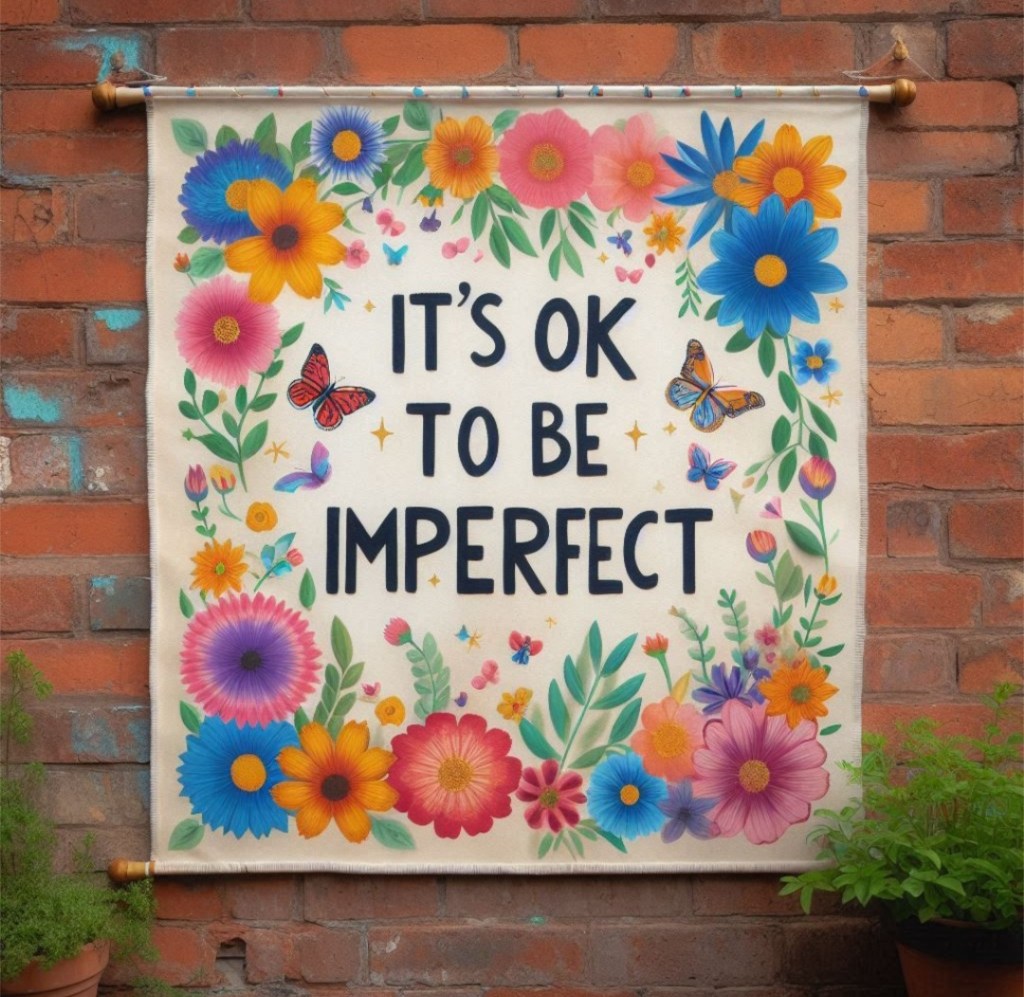
It’s Perfectly Okay to Be Imperfect

In a world that often glorifies perfection, embracing our imperfections can be a liberating and empowering experience. Here are some simple, realistic points that highlight why it’s perfectly okay to be imperfect:

1. Embrace Your Authentic Self

  • Realness Over Perfection: Embracing your imperfections allows you to be true to yourself, fostering deeper connections with others.
  • Unique Stories: Our flaws and imperfections tell our personal stories. They shape who we are and make us unique.

2. Learn and Grow

  • Mistakes as Learning Opportunities: Imperfections often come with valuable lessons. Each mistake is a chance to learn and grow, paving the way for personal development.
  • Resilience: Facing and accepting our flaws builds resilience. Overcoming challenges strengthens our character and helps us handle future setbacks more gracefully.

3. Redefine Success

  • Flawed Yet Thriving: Success doesn’t require perfection. Many successful people have faced failures and setbacks, proving that it’s our efforts and perseverance that count.
  • Setting Realistic Goals: Instead of aiming for perfection, set realistic and achievable goals. This shift in mindset leads to more sustainable success and happiness.

4. Connect with Others

  • Shared Imperfections: When we openly share our imperfections, we invite others to do the same. This creates a supportive environment where everyone feels safe to express their true selves.
  • Building Empathy: Recognizing that everyone has flaws fosters empathy and compassion, allowing us to connect more deeply with those around us.

5. Practice Self-Compassion

  • Be Kind to Yourself: Treat yourself with the same kindness and understanding that you would offer a friend. Accepting your imperfections is a form of self-love.
  • Mindfulness: Practicing mindfulness helps us stay present and appreciate ourselves as we are, rather than how we think we should be.

6. Challenge Perfectionism

  • Letting Go of High Standards: Perfectionism can be paralyzing. Challenge the notion that you must meet impossibly high standards to be worthy or successful.
  • Celebrate Progress: Focus on the progress you make rather than the end result. Celebrate small victories and the steps you take towards your goals.

7. Shift Your Perspective

  • View Imperfections as Strengths: Sometimes, our flaws can become our greatest assets. They can inspire creativity, innovation, and problem-solving.
  • A Different Lens: Try to view imperfections as a natural part of life, not something to be ashamed of. This perspective shift can lead to greater acceptance and peace.

Conclusion

Embracing imperfection is a journey, not a destination. It takes time and practice to shift our mindset, but the benefits are profound. By accepting our flaws, we open ourselves up to authenticity, growth, connection, and joy. Remember, it’s perfectly okay to be imperfect—after all, that’s what makes us human.

Breaking Free: Steps to Overcoming the Past

The journey of overcoming the past is a deeply personal and transformative process that encompasses acknowledgment, forgiveness, and personal growth. Rooted in the understanding of human behavior and the power of self-awareness, this journey offers profound insights into the complexities of our experiences and the potential for positive change.

Acknowledgment:

  • Recognize the burden of the past.
  • Confront mistakes, traumas, and regrets.
  • Embrace the discomfort of facing uncomfortable truths.

Embracing Forgiveness:

  • Forgive others and yourself.
  • Release grudges and resentments.
  • Choose liberation over bitterness.

Learning from Lessons:

  • View past experiences as opportunities for growth.
  • Extract wisdom from mistakes and missteps.
  • Embrace humility and openness to learning.

Living in the Present:

  • Cultivate mindfulness and presence.
  • Anchor yourself in the here and now.
  • Let go of past burdens and future anxieties.

Celebrating Progress:

  • Acknowledge and honor each step forward.
  • Embrace the journey’s ups and downs.
  • Recognize resilience and growth.

    Conclusion: Breaking free from the past is a journey of acknowledgment, forgiveness, learning, living in the present, and celebrating progress. Each step brings us closer to liberation and a brighter future.

    Shining Through Shadows: Simple Steps to Overcome Depression

    Introduction:
    Life can sometimes feel like a complicated maze, with twists and turns that leave us feeling lost and overwhelmed. When depression casts its shadow over us, those twists can become even darker, making it hard to see any way out. But even in the toughest times, there’s a glimmer of hope—a chance to start again, to find happiness, and to reclaim our lives. . Guided by inspiring quotes that remind us of our strength, we’ll embark on a journey together, knowing that even in the darkest times, there’s always a way forward.

    1. Seek Professional Support:
      • “The only way out of the labyrinth of suffering is to forgive.” – John Green
      • Sometimes, the first step towards healing is reaching out for help. Therapists and counselors are trained to guide us through difficult times and provide the support we need to navigate the challenges of depression.

      2. Practice Self-Compassion:

        • “Talk to yourself like you would to someone you love.” – Brené Brown
        • It’s easy to be hard on ourselves when we’re struggling, but practicing self-compassion is crucial. Treat yourself with kindness and understanding, just as you would a friend in need.

        3. Connect with Others:

          • “Friendship … is born at the moment when one man says to another ‘What! You too? I thought that no one but myself…'” – C.S. Lewis
          • Don’t underestimate the power of human connection. Reach out to friends, family, or support groups who can offer empathy, understanding, and companionship on your journey towards healing.

          4. Stay Active:

            • “Exercise is the most underutilized antidepressant.” – Unknown
            • Physical activity isn’t just good for your body—it’s also good for your mind. Even a short walk or gentle yoga session can boost your mood and reduce symptoms of depression.

            5. Practice Mindfulness:

              • “You cannot control the past, but you can control where you go next.” – Kirsten Hubbard
              • Mindfulness techniques can help anchor you in the present moment, reducing stress and promoting a sense of calm. Whether through meditation, deep breathing, or simply paying attention to your surroundings, mindfulness can be a powerful tool for overcoming depression.

              6. Set Achievable Goals:

                • “The journey of a thousand miles begins with one step.” – Lao Tzu
                • Break down your goals into smaller, more manageable tasks, and celebrate each small victory along the way. By setting achievable goals, you’ll maintain motivation and momentum on your journey towards healing.

                7. Surround Yourself with Positivity:

                  • “You are the average of the five people you spend the most time with.” – Jim Rohn
                  • Pay attention to the people and influences in your life. Surround yourself with positivity and inspiration, and minimize exposure to negative influences that may exacerbate feelings of depression.

                  In Conclusion:
                  Depression can feel like an insurmountable obstacle, but it doesn’t have to define us. By incorporating these simple strategies into our lives and drawing inspiration from the quotes that remind us of our strength, we can navigate through the darkness and find light once again. Remember, you are not alone on this journey, and there is always hope, even in the darkest of times.

                  Mastering Stress: Recognizing Stressors and Embracing Remedies

                  1. Stress:

                  • Stress is a complex physiological and psychological response that occurs when individuals perceive threats, challenges, or demands in their environment.
                  • This response triggers the body’s “fight or flight” mechanism, activating various systems such as the nervous, endocrine, and immune systems to prepare for action.
                  • While stress is a natural and adaptive response, chronic or excessive stress can have detrimental effects on physical health, mental well-being, and overall quality of life.

                  2. Recognizing Stressors:

                  • Stressors are external factors, events, or situations that provoke stress reactions in individuals.
                  • They can vary widely in nature and can include work-related pressures (e.g., deadlines, workload), financial concerns (e.g., debt, financial instability), relationship dynamics (e.g., conflicts, communication breakdowns), health issues, major life changes (e.g., relocation, job loss), and environmental factors (e.g., noise, pollution).
                  • Identifying stressors is essential for understanding the sources of stress and developing effective coping strategies.

                  Examples of Stressors and Remedies:

                  • Work-related Stress:
                    • Excessive workload, tight deadlines, and high job demands can lead to stress and burnout.
                    • Remedies may include time management techniques, setting realistic goals, delegating tasks, seeking support from colleagues or supervisors, and establishing work-life balance boundaries.
                  • Financial Stress:
                    • Financial difficulties, debt, and economic uncertainty can cause significant stress and anxiety.
                    • Remedies may include creating a budget, seeking financial counseling or assistance, exploring additional income opportunities, and practicing frugality and financial planning.
                  • Relationship Strain:
                    • Conflict, misunderstandings, and interpersonal tensions in relationships can contribute to stress.
                    • Remedies may include open and honest communication, seeking couples counseling or therapy, practicing empathy and active listening, setting boundaries, and nurturing positive aspects of the relationship.

                  3. Effective Remedies for Stress:

                  • While stress cannot be entirely avoided, individuals can adopt various strategies to manage and reduce its impact:
                  • Mindfulness and Meditation:
                    • Mindfulness practices, such as meditation, deep breathing exercises, and mindfulness-based stress reduction (MBSR) techniques, can help individuals cultivate awareness, focus, and relaxation, leading to reduced stress levels and increased resilience.
                  • Regular Exercise:
                    • Engaging in physical activity, such as aerobic exercises, strength training, yoga, or tai chi, releases endorphins (natural mood elevators), reduces cortisol levels (stress hormone), improves sleep quality, and enhances overall physical and mental well-being.
                  • Social Support:
                    • Building and maintaining supportive relationships with friends, family members, peers, or support groups provides emotional comfort, encouragement, and practical assistance during challenging times, buffering the negative effects of stress and promoting psychological resilience.

                  Conclusion:

                  • Stress is an inevitable aspect of life, but individuals can take proactive steps to manage and cope with stress effectively.
                  • By recognizing stressors, implementing practical remedies, and seeking support when needed, individuals can enhance their ability to adapt to stressors, promote well-being, and lead fulfilling lives.
                  • Ultimately, developing resilience and adopting healthy coping mechanisms are essential for navigating life’s challenges with strength, optimism, and resilience.

                  Cultivating Wellness: Embracing the Vitality of Mental Health in Daily Living

                  In a world constantly in motion, where physical health often takes center stage, the significance of mental well-being can sometimes be overshadowed. However, recent experiences have brought to light the essential need to prioritize our mental health. Let’s delve into why mental health is imperative, supported by more detailed real-life quotes and instances.

                  1. Recognizing the Impact:

                  • “Mental health is a journey, not a destination. It’s about the way you drive, not where you’re going.” – Noam Shpancer
                  • Exploration: Understanding that mental health is a continuous journey implies that it’s not a fixed state but a dynamic process. This realization empowers individuals to navigate challenges, emphasizing the importance of self-discovery and growth on the path to well-being.

                  2. Dismantling Stigmas:

                  • “The only journey is the journey within.” – Rainer Maria Rilke
                  • Exposition: Influencers like Demi Lovato, who openly share their mental health struggles, contribute significantly to dismantling stigmas. By embracing their inner journey and vulnerability, they inspire others to break free from societal expectations and seek help without the fear of judgment.

                  3. Adapting to Life’s Uncertainties:

                  • “Life is what happens when you’re busy making other plans.” – Allen Saunders
                  • Clarification: The unpredictability of life, as demonstrated by the COVID-19 pandemic, underscores the need for mental resilience. Individuals are challenged to adapt and cope with unforeseen circumstances, highlighting the importance of mental strength in navigating life’s unpredictable twists and turns.

                  4. Achieving Balance:

                  • “Your calm mind is the ultimate weapon against your challenges.” – Bryant McGill
                  • Elucidation: Figures like Elon Musk emphasizing the importance of maintaining a calm mind showcase the connection between mental well-being and achieving success. A serene and focused mind becomes a powerful tool in overcoming challenges, promoting not just success but sustainable and balanced achievements.

                  5. Nurturing Relationships:

                  • “You can’t pour from an empty cup. Take care of yourself first.” – Eleanor Brownn
                  • Illustration: The wisdom in this quote is reflected in the experiences of caregivers who, by prioritizing their mental health, can provide better support to their loved ones. It emphasizes the symbiotic relationship between self-care and the ability to contribute meaningfully to the well-being of others.

                  6. Workplace Wellness:

                  • “Mental health is fundamental to the health of the business.” – Richard Branson
                  • Elaboration: Progressive companies like Google actively promoting employee well-being recognize that a mentally healthy workforce is the bedrock of increased productivity and creativity. By investing in mental health initiatives, organizations create a positive and thriving work environment that benefits both employees and the business.

                  7. Mind-Body Connection:

                  • “The body achieves what the mind believes.” – Jim Evans
                  • Amplification: Athletes like Simone Biles highlighting the inseparable link between mental and physical health emphasize the need for a holistic approach to well-being. This goes beyond mere physical prowess, acknowledging that mental resilience is a catalyst for unlocking the full potential of the body.

                  8. Mindfulness Matters:

                  • “The best way to capture moments is to pay attention.” – Jon Kabat-Zinn
                  • Elucidation: The practice of mindfulness, endorsed by figures like Oprah Winfrey, underscores the importance of being present and cultivating mental resilience. By paying attention to the current moment, individuals can better manage stress, enhance focus, and foster a deeper connection with their inner selves.

                  9. Seeking Professional Support:

                  • “It’s okay not to be okay as long as you are not giving up.” – Karen Salmansohn
                  • Exposition: The courage of individuals like Prince Harry sharing their struggles fosters a culture where seeking professional help is viewed as a sign of strength. This shift in perception encourages others to acknowledge their vulnerabilities, seek assistance, and embark on a journey of healing and growth.

                  10. Community Solidarity:

                  • “Alone, we can do so little; together, we can do so much.” – Helen Keller
                  • Illustration: Online communities and support groups provide a space for individuals, such as those affected by mental health challenges, to connect, share experiences, and find solidarity. This communal support becomes a powerful force, emphasizing the collective strength that arises when individuals come together to navigate their mental health journeys.

                  In conclusion, these more detailed real-life quotes and examples underscore the necessity of prioritizing mental health. It’s not just about addressing mental illness; it’s about fostering a culture that recognizes mental well-being as a dynamic and continuous requirement for a fulfilling and resilient life. As we embrace this understanding, let us collectively champion mental health, breaking down barriers, and supporting one another on the journey to well-being.

                  Balancing Work and Life: Strategies for Sustaining Productivity Without Burnout

                  In the fast-paced and demanding landscape of modern work, achieving a balance between professional responsibilities and personal well-being is more critical than ever. Maintaining productivity without succumbing to burnout requires strategic planning and a commitment to one’s overall welfare. In this blog, we’ll explore strategies for achieving this delicate equilibrium, drawing inspiration from the real-life examples of today’s influential leaders.

                  Real-Life Examples:

                  1. Elon Musk – Time Blocking:
                    • Example: Elon Musk, CEO of Tesla and SpaceX, is known for managing his time meticulously.
                    • Strategy: Adopt the time-blocking technique. Allocate specific time slots to different tasks, allowing for focused work while ensuring time for personal life.
                  2. Sheryl Sandberg – Prioritization:
                    • Example: Sheryl Sandberg, Facebook’s COO, emphasizes the importance of prioritizing tasks.
                    • Strategy: Identify high-priority tasks and focus on those first. This approach ensures that essential responsibilities are addressed without feeling overwhelmed.
                  3. Richard Branson – Flexible Work Hours:
                    • Example: Richard Branson, founder of the Virgin Group, advocates for flexible work schedules.
                    • Strategy: Negotiate for flexible work hours when possible. This flexibility enables a better integration of work and personal life, reducing stress.
                  4. Oprah Winfrey – Mindfulness Practices:
                    • Example: Oprah Winfrey, media mogul and philanthropist, attributes her balance to mindfulness practices.
                    • Strategy: Incorporate mindfulness into daily routines, such as meditation or mindfulness exercises, to foster mental well-being.
                  5. Bill Gates – Continuous Learning:
                    • Example: Bill Gates, co-founder of Microsoft, emphasizes the importance of continuous learning.
                    • Strategy: Cultivate a mindset of continuous learning. Embrace new skills and knowledge to stay adaptable in the ever-evolving professional landscape.

                  Strategies for Balancing Work and Life:

                  1. Set Clear Boundaries:
                    • Clearly define work hours and personal time to avoid the blurring of boundaries. Communicate these limits to colleagues and family.
                  2. Establish Priorities:
                    • Identify tasks that align with long-term goals and prioritize them. This prevents the feeling of being constantly overwhelmed by a myriad of responsibilities.
                  3. Take Breaks:
                    • Schedule regular breaks during the workday. Short breaks can refresh the mind and enhance overall productivity.
                  4. Delegate Effectively:
                    • Learn to delegate tasks. Effective delegation distributes the workload and prevents burnout from taking on too much.
                  5. Embrace Technology Mindfully:
                    • Leverage technology for efficiency but set boundaries. Establish specific times for checking emails and notifications to avoid constant connectivity.
                  6. Invest in Self-Care:
                    • Prioritize self-care activities. Whether it’s exercise, meditation, or hobbies, investing time in personal well-being contributes to overall resilience.
                  7. Communicate Openly:
                    • Foster open communication with colleagues and family. Express your limitations and seek support when needed.
                  8. Learn to Say No:
                    • Understand that it’s okay to decline additional commitments when your plate is full. Saying no is a powerful tool for maintaining balance.
                  9. Set Realistic Goals:
                    • Establish achievable and realistic goals to avoid unnecessary stress. Break down larger tasks into manageable steps to make progress more sustainable.
                  10. Cultivate a Supportive Network:
                    • Surround yourself with a supportive network of colleagues, friends, and family. Having a strong support system can provide encouragement during challenging times.
                  11. Regular Reflection:
                    • Schedule regular moments of reflection to assess your work-life balance. Adjust goals and strategies as needed to maintain a healthy equilibrium.
                  12. Vacation and Downtime:
                    • Plan regular vacations and downtime to recharge. Taking breaks is crucial for long-term productivity and well-being.
                  13. Skillful Time Management:
                    • Hone your time management skills. Prioritize tasks based on urgency and importance, allowing for effective time allocation.
                  14. Establish a Dedicated Workspace:
                    • Create a dedicated workspace at home if working remotely. This helps in mentally transitioning between work and personal life.
                  15. Physical Exercise:
                    • Incorporate regular physical exercise into your routine. Exercise not only contributes to physical well-being but also positively impacts mental health.
                  16. Engage in Hobbies:
                    • Pursue hobbies and activities you enjoy outside of work. Engaging in activities you love brings joy and balance to your life.
                  17. Family Time:
                    • Prioritize quality time with family. Establish rituals or routines that allow for meaningful connections amidst busy schedules.
                  18. Mindful Eating:
                    • Practice mindful eating. Taking the time to enjoy and savor meals contributes to both physical health and a mindful approach to daily life.
                  19. Professional Development:
                    • Invest in professional development opportunities. Continuous growth can lead to increased job satisfaction and a sense of accomplishment.
                  20. Gratitude Practice:
                    • Cultivate a gratitude practice. Reflecting on positive aspects of your life fosters a positive mindset, even during challenging times.

                  Incorporating these additional strategies, inspired by the practices of influential personalities, can further enhance your ability to balance work and life effectively.