Now or Never: The Power of Taking Action Today

Life often presents us with moments that call for immediate action. The phrase “Now or Never” is a powerful reminder that some opportunities may never return once missed.

1. Opportunities Are Fleeting

  • Many chances in life are time-sensitive.
  • Delaying action can mean losing opportunities forever.

2. Overcoming Fear of Failure

  • Fear often holds us back from taking the first step.
  • Acting now helps overcome hesitation and builds confidence.

3. Progress Over Perfection

  • Waiting for the “perfect” moment often leads to inaction.
  • Start now, and refine your path as you go.

4. Building Momentum

  • Small actions today create momentum for bigger achievements tomorrow.
  • Consistent effort compounds into significant results over time.

5. Living Without Regrets

  • Regrets often stem from what we didn’t do, not from what we tried.
  • Taking action now ensures you won’t wonder “what if” later.

6. Creating a Sense of Urgency

  • A “Now or Never” attitude instills urgency in your goals.
  • It helps prioritize what truly matters and eliminates procrastination.

7. Seizing the Power of the Present Moment

  • The present is the only time we have control over.
  • Embrace it to shape your future and take charge of your destiny.

8. Inspiration for Others

  • Bold actions inspire those around you to take initiative in their own lives.
  • Your courage can create a ripple effect of positive change.

Simple Steps to Adopt the “Now or Never” Mindset

  1. Set Clear Goals: Know what you want and why it’s important.
  2. Break Down Tasks: Divide goals into manageable steps.
  3. Eliminate Excuses: Challenge self-doubt and negative thoughts.
  4. Act Small, But Start Now: Begin with one small action today.
  5. Learn and Adjust: Use setbacks as lessons to improve.

Conclusion

Every moment is a choice—act now or let the chance slip away. Life rewards those who take action despite fear, uncertainty, or imperfection. So, whether it’s pursuing a dream, starting a new habit, or making a bold decision, remember: it’s now or never.


From Stagnation to Success: The Power of Growth Challenges

Stepping out of your comfort zone is one of the most empowering actions you can take for personal growth. While it can feel uncomfortable at first, embracing growth challenges leads to a more fulfilling and successful life.


1. Understanding the Comfort Zone

  • Your comfort zone is a mental space where you feel safe, familiar, and secure.
  • It often involves routine habits and predictable outcomes.
  • While it feels comforting, staying here limits personal development and potential.

2. Why It’s Important to Step Out

  • Personal Growth: Facing challenges leads to skill development and improved resilience.
  • New Experiences: It opens doors to new opportunities, relationships, and experiences.
  • Increased Confidence: Each time you face something difficult, you build more self-assurance.
  • Expanded Mindset: You start seeing the world and your capabilities in a broader light.

3. Common Fears of Leaving the Comfort Zone

  • Fear of Failure: You may worry about not succeeding, but failure is often the best teacher.
  • Fear of the Unknown: The unfamiliar can be intimidating, but it’s where growth happens.
  • Fear of Judgment: Concern about how others perceive you can hold you back, but remember, growth is personal, not public.

4. Steps to Break Free

  • Start Small: Begin with manageable challenges that push you just beyond your current limits.
  • Set Goals: Clear goals provide direction and make challenges feel achievable.
  • Embrace Discomfort: Understand that discomfort is a sign of growth, not a barrier.
  • Seek Support: Surround yourself with people who encourage and support your growth.

5. Benefits of Embracing Challenges

  • Increased Creativity: When faced with new situations, you learn to think outside the box.
  • Better Problem-Solving: You develop sharper skills in handling tough situations.
  • Personal Fulfillment: Overcoming challenges boosts your sense of achievement and satisfaction.
  • Growth Mindset: Regularly stepping out of your comfort zone fosters a mindset that thrives on learning and development.

6. Embrace the Journey

  • Growth is a journey, not a destination. The more you push yourself, the more you expand your capabilities.
  • Celebrate small wins along the way to stay motivated.

Conclusion:

Breaking free from your comfort zone might be intimidating at first, but it’s essential for growth. Embrace the challenges, take small steps, and trust in the process. You’ll soon realize that growth and transformation are waiting just outside your comfort zone.

Don’t Chase, Just Attract

Introduction

  • Chasing something, whether it’s a person, job, or goal, can often lead to frustration.
  • Attraction, on the other hand, is about becoming your best self and drawing in what aligns with you.
  • This mindset shift can lead to greater confidence, satisfaction, and fulfillment.

1. Understand the Difference Between Chasing and Attracting

  • Chasing: Desperately seeking validation, often resulting in stress.
  • Attracting: Growing from within and allowing the right opportunities or people to come naturally.

2. Focus on Self-Growth

  • Work on your skills, passions, and knowledge to become a well-rounded person.
  • The more you invest in yourself, the more attractive you become to opportunities that resonate with you.

3. Cultivate Confidence and Self-Worth

  • Believe that you are enough as you are.
  • Confidence naturally draws people and situations toward you without needing to chase them.

4. Embrace Patience

  • Attraction doesn’t happen overnight; it’s about trusting the process.
  • Practice patience and let things unfold in their own time.

5. Practice Authenticity

  • Be true to yourself rather than pretending to be someone you’re not.
  • Authenticity creates a magnetic energy that attracts people and opportunities aligned with who you are.

6. Focus on Positive Energy

  • Positive energy creates a warm and welcoming vibe that others feel drawn to.
  • Stay optimistic, and you’ll naturally attract positive experiences and people.

7. Set Clear Boundaries

  • Boundaries help you maintain your energy and avoid unnecessary stress from chasing others.
  • Attracting means allowing only what’s truly good for you into your life.

8. Practice Gratitude

  • Focus on what you already have rather than what you lack.
  • Gratitude boosts your mindset and increases your personal value, making you more attractive to new opportunities.

Conclusion

  • The path to attracting, not chasing, lies in self-confidence, authenticity, and growth.
  • Trust yourself and the process—what is meant for you will come your way naturally.

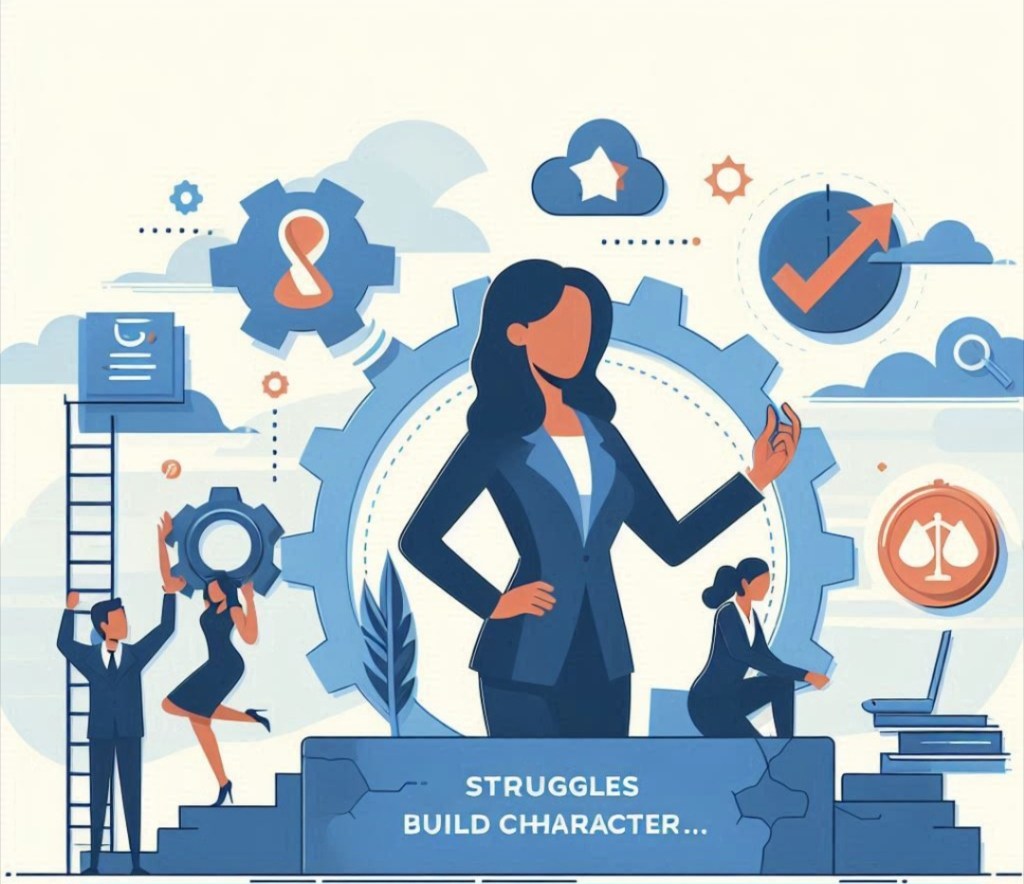
Why Facing Challenges Makes Us Stronger

Introduction: Life is full of ups and downs, and we all experience struggles at some point. Whether it’s personal, professional, or emotional, these challenges can be difficult to face. However, struggles play a crucial role in shaping who we are and building our character. While we may want to avoid them, it is often through overcoming challenges that we grow stronger, wiser, and more resilient.

1. Strengthens Resilience:

  • Struggles teach us to bounce back from failures and setbacks. The more we face challenges, the stronger our ability to keep going despite difficulties.
  • Example: Every time we get through a tough situation, we become more confident in our ability to handle future challenges.

2. Develops Patience:

  • Struggle often requires time to overcome. During this process, we learn to be patient and trust that things will improve with effort and persistence.
  • Example: Working through a difficult project or overcoming a personal setback teaches us the value of waiting for positive outcomes.

3. Enhances Problem-Solving Skills:

  • Facing struggles forces us to think creatively and find solutions. It sharpens our ability to look at problems from different perspectives and come up with effective strategies.
  • Example: When you face obstacles, you learn to brainstorm alternatives and think outside the box to solve problems.

4. Builds Confidence:

  • Overcoming challenges boosts self-esteem. Each struggle we conquer reminds us of our capabilities and strengthens our belief in ourselves.
  • Example: Achieving a goal after hard work or getting through a difficult time makes us more confident in handling future challenges.

5. Encourages Self-Reflection:

  • Struggles often lead to personal growth by making us reflect on our strengths and weaknesses. Through self-reflection, we gain better self-awareness and understanding.
  • Example: After facing a tough time, we often take a step back and think about what we’ve learned about ourselves.

6. Cultivates Empathy and Compassion:

  • Going through struggles helps us understand the challenges others may face. This makes us more empathetic and compassionate towards others who are going through hard times.
  • Example: People who have faced financial struggles or health issues are often more understanding and supportive of others in similar situations.

7. Strengthens Mental Toughness:

  • Struggles build mental toughness, teaching us to stay calm under pressure and keep our emotions in check when things get difficult.
  • Example: Athletes, soldiers, and entrepreneurs all develop mental toughness by pushing through their struggles and staying focused on their goals.

8. Fuels Personal Growth:

  • Every challenge we face is an opportunity to grow. Struggles push us to step out of our comfort zones, learn new things, and develop as individuals.
  • Example: A difficult job, a failed relationship, or any setback can make us more mature and capable.

9. Teaches Gratitude:

  • Struggles help us appreciate the good things in life. Once we’ve been through tough times, we tend to be more grateful for the positive moments and the progress we’ve made.
  • Example: After overcoming illness or financial hardship, we appreciate our health and stability even more.

10. Builds Perseverance:

  • Struggles teach us not to give up. The more we persevere through difficulties, the more we learn to keep going, even when success seems far away.
  • Example: Inventors, scientists, and successful entrepreneurs often face repeated failures before they succeed, but their perseverance keeps them moving forward.

Conclusion:

Struggles are a necessary part of life, shaping who we are and helping us grow. Instead of fearing challenges, we should embrace them as opportunities to build character, strength, and resilience. Through struggle, we discover our true potential.

Do One Thing Every Day That Scares You

Introduction:

  • Embrace the idea of stepping out of your comfort zone daily.
  • Facing fears can lead to personal growth and self-discovery.

1. Why Face Your Fears?

  • Build Confidence: Overcoming fears boosts self-esteem.
  • Enhance Resilience: Regularly challenging yourself makes you more adaptable to life’s uncertainties.
  • Discover New Opportunities: Fear often holds us back from opportunities for growth and success.

2. Start Small

  • Identify Minor Fears: Begin with small challenges, like speaking up in a meeting or trying a new hobby.
  • Take Baby Steps: Gradually build up to more significant challenges.

3. Daily Challenges

  • Try Something New: Whether it’s a new food, a new route to work, or a new activity, variety can break the monotony.
  • Connect with Others: Strike up a conversation with a stranger or reach out to someone you haven’t spoken to in a while.
  • Speak Up: Share your thoughts or opinions in situations where you would typically stay silent.

4. Reflect on Your Progress

  • Keep a Journal: Document your daily challenges and how you felt before and after facing them.
  • Celebrate Small Wins: Acknowledge and celebrate each victory, no matter how small.

5. Learn from Failures

  • Accept Imperfection: Understand that not every attempt will be successful, and that’s okay.
  • Analyze and Adapt: Reflect on what didn’t work and think about how you can improve next time.

6. Benefits of Facing Your Fears

  • Personal Growth: Each challenge conquered makes you stronger and more self-aware.
  • Increased Creativity: New experiences can spark creativity and innovation.
  • Better Stress Management: Regularly facing fears can reduce overall anxiety and stress levels.

7. Inspirational Examples

  • Public Speaking: Many successful people, like Warren Buffet, overcame their fear of public speaking through practice.
  • New Skills: Learning a new language or instrument can be daunting but rewarding.

8. Encouraging Quotes

  • Eleanor Roosevelt: “Do one thing every day that scares you.”
  • Nelson Mandela: “I learned that courage was not the absence of fear, but the triumph over it.”

Conclusion:

  • Embracing daily challenges can transform your life.
  • Start small, stay consistent, and watch as you grow braver and more confident over time.

Call to Action:

  • Challenge yourself today to do one thing that scares you. Share your experiences and inspire others to do the same!

Body Image and Self-Esteem of Working Women

Introduction:

  • In today’s fast-paced world, working women face multiple pressures, both professionally and personally.
  • One major issue that often affects their confidence is body image and its direct link to self-esteem.

1. What is Body Image?

  • Body image refers to how a person perceives their own body and how they think others see them.
  • For working women, maintaining a positive body image can be challenging due to societal standards and media portrayal of “ideal” beauty.

2. The Link Between Body Image and Self-Esteem

  • Self-esteem is how much we value and feel confident about ourselves.
  • When a woman has a negative body image, it can directly impact her self-esteem, leading to feelings of inadequacy or insecurity.

3. Pressure from Society

  • Media often sets unrealistic beauty standards. This can make working women feel that they need to look a certain way to be accepted.
  • Social media, magazines, and advertisements often highlight physical appearances, leading to comparisons and dissatisfaction with one’s body.

4. Workplace Challenges

  • Working women feel pressured to meet both professional expectations and societal standards of beauty.
  • Body image issues can influence confidence levels at work, affecting job performance and professional relationships.

5. The Role of Self-Care

  • Self-care plays a crucial role in improving body image and self-esteem.
  • Simple practices like eating healthy, exercising, getting enough rest, and practicing mindfulness can help women feel better about their bodies.

6. Building a Positive Body Image

  • Shift the focus from appearance to health, strength, and capability.
  • Surround yourself with positive influences that promote body positivism and self-acceptance.
  • Engage in activities that make you feel confident and empowered.

7. Importance of Self-Acceptance

  • Accepting yourself as you are, is key to improving self-esteem.
  • Understanding that every body is unique and valuable can lead to a healthier, more positive outlook.

8. Encouraging Body Positivism in the Workplace

  • Promote body-positive conversations and create an inclusive environment where women feel confident and accepted.
  • Employers can support women by promoting a healthy work-life balance and encouraging positive self-image initiatives.

Conclusion:

  • Body image and self-esteem are deeply interconnected. For working women, maintaining a healthy balance between the two is vital. This is important for both personal and professional success.
  • It’s essential to embrace body positivism and foster a supportive environment that encourages self-confidence and well-being.

By addressing these issues and fostering a positive mindset, working women can improve both their self-esteem and overall quality of life.

Everyone Has Hidden Strengths and Talents

Introduction:
“Everyone has talent. What is rare is the courage to follow the talent to the dark place where it leads.” — Erica Jong

  • Everyone possesses unique strengths and talents.
  • These qualities play a crucial role in personal growth and success.

Recognizing Hidden Strengths:
“You are never too old to set another goal or to dream a new dream.” — C.S. Lewis

  • Hidden strengths are abilities or qualities you may not realize you have.
  • These could include:
    • Problem-solving skills
    • Empathy
    • Creativity
    • Resilience
  • Often revealed in challenging situations or when stepping out of your comfort zone.

Why Are They Hidden?
“Doubt kills more dreams than failure ever will.” — Suzy Kassem

  • Hidden due to self-doubt or lack of confidence.
  • Cultural and societal influences may cause people to overlook or undervalue their talents.
  • The fast-paced nature of life can prevent self-reflection.

The Importance of Discovering Your Talents:
“What lies behind us and what lies before us are tiny matters compared to what lies within us.” — Ralph Waldo Emerson

  • Boosts self-esteem and helps set realistic goals.
  • Leads to personal and professional growth.
  • Allows for more effective contribution to your community and workplace.

How to Uncover Your Hidden Strengths:
“Life isn’t about finding yourself. Life is about creating yourself.” — George Bernard Shaw

  • Self-Reflection: Think about what you enjoy and excel at, even if it seems trivial.
  • Feedback from Others: Others might see strengths in you that you overlook.
  • Explore New Experiences: Trying new activities or challenges can reveal hidden talents.
  • Journaling: Writing about your experiences can help identify recurring themes of strength and talent.

Nurturing and Developing Your Strengths:
“The only way to do great work is to love what you do.” — Steve Jobs

  • Identify and nurture your strengths.
  • Set goals that align with your talents to keep improving.
  • Seek opportunities that allow you to use and refine your strengths.

Applying Your Strengths:
“Success is not the key to happiness. Happiness is the key to success. If you love what you are doing, you will be successful.” — Albert Schweitzer

  • Apply strengths in various areas of life, such as work, relationships, and personal projects.
  • Use your talents to help others, which can reveal more hidden abilities.
  • Continually challenge yourself to grow and expand your skill set.

The Ripple Effect:
“Believe you can and you’re halfway there.” — Theodore Roosevelt

  • Embracing your strengths can inspire others to do the same.
  • Creates a positive ripple effect, leading to a more empowered community.

Conclusion:
“The only limit to our realization of tomorrow will be our doubts of today.” — Franklin D. Roosevelt

  • Everyone has hidden strengths and talents waiting to be discovered.
  • Uncovering and developing these qualities leads to a more fulfilling life.

Call to Action:
“Your talent is God’s gift to you. What you do with it is your gift back to God.” — Leo Buscaglia

  • Reflect on your hidden strengths today.
  • Challenge yourself to uncover and develop a talent you haven’t fully explored yet.

Fake It Until You Make It: A Path to Confidence and Success

Understanding the Concept:

“Fake it until you make it” is a popular saying encouraging individuals to act as if they already possess the qualities or achievements they desire, in order to actually attain them.

Key Points

  1. Boosts Confidence
    • “Act as if what you do makes a difference. It does.” – William James
    • Pretending to be confident can help you develop actual confidence over time.
  2. Encourages Positive Thinking
    • “Whether you think you can, or you think you can’t – you’re right.” – Henry Ford
    • Adopting a positive mindset can influence your actions and outcomes.
  3. Helps Overcome Fear
    • “Do one thing every day that scares you.” – Eleanor Roosevelt
    • Acting confidently, even when you’re scared, can help you face and overcome fears.
  4. Facilitates Skill Development
    • “Practice isn’t the thing you do once you’re good. It’s the thing you do that makes you good.” – Malcolm Gladwell
    • By acting as if you’re skilled, you put in the necessary practice to actually become skilled.
  5. Improves Interpersonal Relationships
    • “You miss 100% of the shots you don’t take.” – Wayne Gretzky
    • Acting confidently in social situations can help you form better relationships and networks.
  6. Promotes Professional Growth
    • “Success is not the key to happiness. Happiness is the key to success. If you love what you are doing, you will be successful.” – Albert Schweitzer
    • Embracing a confident persona at work can lead to more opportunities and professional advancement.
  7. Supports Mental Resilience
    • “It’s not whether you get knocked down, it’s whether you get up.” – Vince Lombardi
    • Faking confidence helps build mental toughness, enabling you to recover from setbacks more effectively.

Practical Tips

  • Dress the Part: Your appearance can significantly influence how you feel about yourself.
  • Positive Body Language: Stand tall, make eye contact, and smile.
  • Set Small Goals: Achieve small successes to build genuine confidence over time.
  • Learn Continuously: Keep improving your skills and knowledge.
  • Seek Feedback: Constructive criticism can help you improve and grow.

Conclusion

  • “Fake it until you make it” is not about deception; it’s about harnessing the power of positive thinking and acting to transform your reality. By embracing this mindset, you can build the confidence and skills needed to achieve your goals and succeed in various aspects of life.

Embracing Change: The Only Constant in Life

Understanding Change

  • Change is Constant: Life is dynamic, and change is a natural part of it.
  • Why Change Happens: Changes can occur due to personal decisions, life events, or external factors.
  • Types of Change: Change can be planned (like a career move) or unexpected (like an illness).
  • Impact of Change: Change can lead to growth, new opportunities, and personal development.
  • Notable Quote: “The only constant in life is change.” – Heraclitus

Accepting Change

  • Acknowledge Change: Recognize that change is inevitable.
  • Stay Open-Minded: Be willing to adapt to new circumstances.
  • Accept Uncertainty: Understand that not all changes can be predicted or controlled.
  • Embrace the Journey: Focus on the process of change rather than just the outcome.

Embracing Positivity

  • Look for Opportunities: Find the positive aspects of change.
  • Stay Optimistic: Focus on the benefits and growth that come from change.
  • Practice Gratitude: Regularly remind yourself of the good things in life.
  • Positive Affirmations: Use positive statements to boost your confidence and outlook.

Building Resilience

  • Develop Coping Strategies: Learn how to manage stress and uncertainty.
  • Stay Flexible: Be ready to adjust your plans as needed.
  • Learn from Experiences: Use past changes as lessons for future resilience.
  • Maintain Perspective: Keep a big-picture view to reduce the impact of temporary setbacks.
  • Notable Quote: “It is not the strongest of the species that survive, nor the most intelligent, but the one most responsive to change.” – Charles Darwin

Seeking Support

  • Connect with Others: Talk to friends, family, or mentors about your experiences.
  • Professional Help: Seek advice from a therapist or counselor if needed.
  • Join Support Groups: Engage with communities going through similar changes.
  • Communicate Openly: Share your feelings and thoughts with trusted individuals.

Maintaining Stability and Self-Care

  • Keep Routines: Maintain some regular habits to provide stability.
  • Practice Self-Care: Engage in activities like meditation, yoga, or hobbies to relax.
  • Stay Physically Active: Regular exercise can help manage stress and improve mood.
  • Eat Healthily: A balanced diet supports physical and mental well-being.
  • Get Adequate Sleep: Ensure you have enough rest to rejuvenate your body and mind.
  • Relaxation Techniques: Use methods like deep breathing, mindfulness, and progressive muscle relaxation.

Setting Goals

  • Short-Term Goals: Set small, achievable goals to stay focused.
  • Long-Term Vision: Keep a broader vision to stay motivated.
  • Track Progress: Regularly review your achievements to maintain momentum.
  • Adjust as Needed: Be flexible with your goals as circumstances change.

Conclusion

  • Embrace Change: Accept and adapt to life’s changes to grow and find new opportunities.
  • Stay Positive and Resilient: Focus on the positives, build resilience, and seek support when needed.
  • Notable Quotes:
    • “Change is the law of life. And those who look only to the past or present are certain to miss the future.” – John F. Kennedy
    • “Do not let what you cannot do interfere with what you can do.” – John Wooden