This blog is a handy guide that helps you streamline your daily tasks, save and grow your money, and get better at handling your feelings. It’s filled with easy-to-follow advice that makes a big difference in how you work, spend, and feel. Dive into our Pioneeredge.io site for practical tips and tricks that make life smoother and more fulfilling.
What is Inner Dialogue? Inner dialogue is the conversation you have with yourself in your mind every day. It shapes how you feel, think, and act.
Why Self-Talk Matters Positive or negative, your self-talk influences your mood, confidence, and stress levels. It affects your mental well-being deeply.
Negative Self-Talk Can Harm When your inner voice is critical or harsh, it can increase anxiety, lower self-esteem, and lead to feelings of depression.
Positive Self-Talk Builds Resilience Encouraging and kind self-talk helps you cope better with challenges, boosts confidence, and supports emotional health.
How to Notice Your Self-Talk Start by paying attention to your thoughts. Are they mostly positive, negative, or neutral? Awareness is the first step.
Common Negative Self-Talk Patterns
Catastrophizing: Expecting the worst outcome
Black-and-white thinking: Seeing things as all good or all bad
Personalizing: Blaming yourself unfairly
Steps to Rewrite Your Inner Dialogue
Catch negative thoughts as they happen.
Challenge them — ask if they are really true or helpful.
Replace them with kinder, realistic thoughts.
Practice regularly until positive self-talk becomes natural.
Examples of Positive Self-Talk
Instead of “I always fail,” say, “I am learning and improving every day.”
Instead of “I can’t handle this,” say, “I will do my best, and that is enough.”
Use Affirmations Simple positive statements repeated daily can strengthen your new inner dialogue. For example, “I am worthy,” or “I can face challenges calmly.”
Benefits of Positive Self-Talk
Reduced stress and anxiety
Better problem-solving skills
Increased motivation and focus
Stronger emotional resilience
Self-Talk and Mental Health Changing your inner dialogue can be a powerful tool alongside therapy, meditation, and self-care for improving mental health.
Final Thought Your mind listens to your inner voice every moment. Choose words that heal, encourage, and empower you.
In today’s fast-paced world, doing nothing is often misunderstood as laziness or a waste of time. But in reality, stillness is a hidden strength.
🌸 What Is Stillness?
It means mental and physical rest.
It’s about being present without constant activity.
Stillness doesn’t mean inactivity—it means intentional rest.
🌟 Why Stillness Matters
Restores mental energy and reduces fatigue.
Improves focus and clarity.
Helps you listen to your inner voice.
Creates space for creativity and problem-solving.
💥 The Power of Doing Nothing
Your brain needs quiet time to recharge.
Moments of stillness lower stress and anxiety.
Helps you respond calmly instead of reacting impulsively.
It builds emotional strength and patience.
📌 Real-World Examples
Great thinkers like Einstein and Newton had breakthroughs during quiet moments.
Many CEOs and leaders schedule “thinking time” daily.
Artists, writers, and creators often find ideas in silence.
🧘 Simple Ways to Practice Stillness
Take short breaks during the day—no phone, no tasks.
Sit quietly for 5–10 minutes every morning or night.
Go for a silent walk in nature.
Try mindful breathing or meditation.
Schedule time to just “be” instead of always “doing.”
💡 Final Thought
In a world that praises constant hustle, doing nothing is a radical act of self-care. Stillness helps you recharge, reconnect, and rediscover your true strength. Remember, you don’t always need to move to make progress.
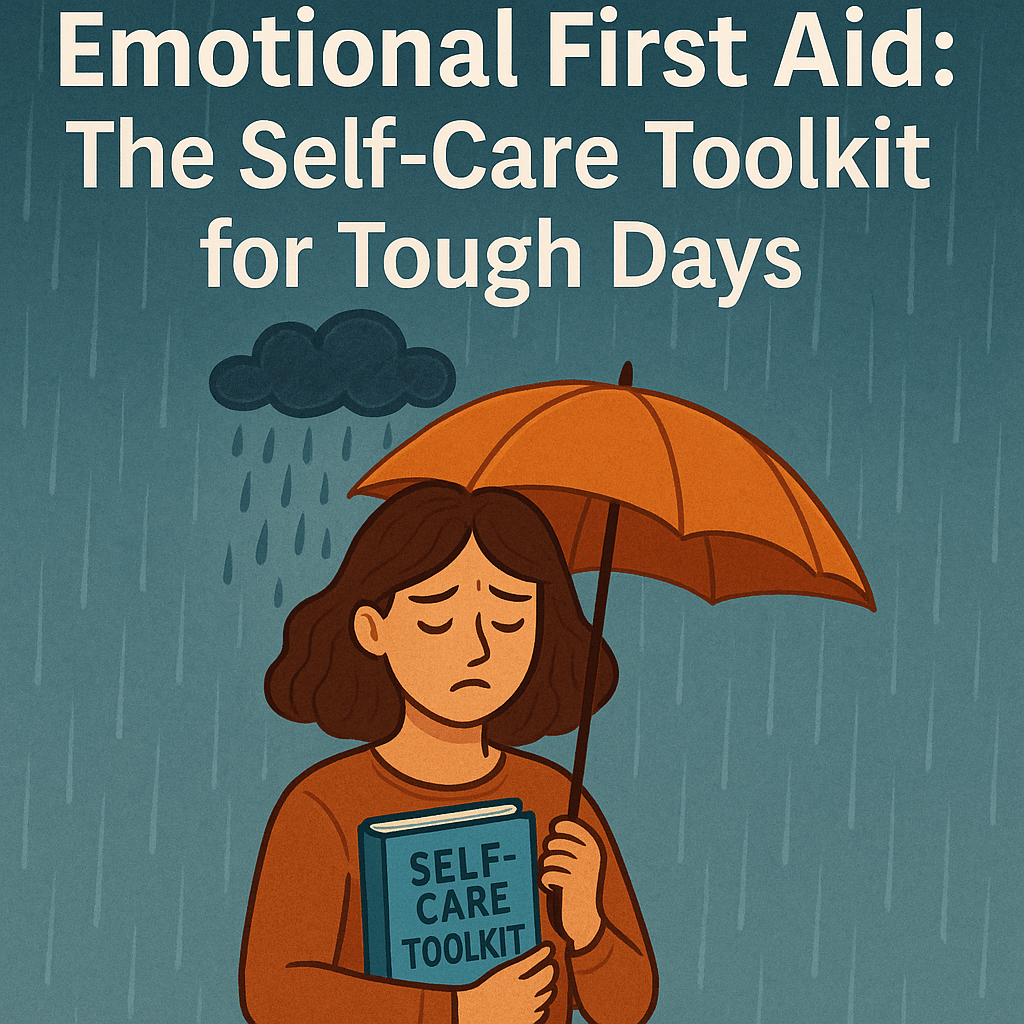
We all have tough days—when emotions run high and everything feels a bit too much. Just as we tend to physical injuries with first aid, we must also care for emotional wounds. That’s where emotional first aid comes in.
Think of it as your personal toolkit to handle sadness, stress, rejection, or burnout—before it builds into something heavier.
🧰 What Is Emotional First Aid?
A set of simple, practical actions to care for your emotional well-being.
Helps stop minor emotional pain from becoming chronic stress, anxiety, or depression.
Encourages self-awareness, self-kindness, and timely support.
🛠️ Self-Care Toolkit for Tough Days
Here are powerful emotional first aid tools you can start using right away:
✅ 1. Name Your Emotion
Ask yourself: “What am I feeling?”
Naming emotions helps reduce their intensity and gives you clarity.
✅ 2. Breathe Deeply
Try the 4-7-8 method: Inhale for 4 sec, hold for 7, exhale for 8.
Deep breathing calms your nervous system.
✅ 3. Write It Out
Journaling gives your emotions an outlet.
Write freely—don’t edit, just express.
✅ 4. Talk to Someone
Call a friend, mentor, or therapist.
Sharing lightens emotional load and brings new perspective.
✅ 5. Move Your Body
Stretch, go for a walk, or dance.
Movement releases endorphins, your brain’s feel-good chemicals.
✅ 6. Say No Without Guilt
Protect your peace.
It’s okay to decline plans or take a break from responsibilities.
✅ 7. Treat Yourself Kindly
Talk to yourself like you would to a loved one.
Replace harsh self-talk with compassion.
✅ 8. Create a Comfort Kit
Fill a box with things that soothe you: calming tea, scented candle, cozy socks, positive notes, or a journal.
Use it when you’re emotionally low.
✅ 9. Digital Detox
Step away from social media or stressful content.
Give your mind space to rest and reset.
✅ 10. Practice Gratitude
Note down 3 things you’re grateful for.
Gratitude shifts focus from pain to hope.
✨ Additional Tools for Deeper Healing
✅ 11. Allow Yourself to Cry
Crying is a natural way to release emotions.
Don’t hold back—it’s a healthy outlet.
✅ 12. Use Positive Distractions
Watch a feel-good show, paint, garden, or solve a puzzle.
Helps redirect energy without ignoring emotions.
✅ 13. Use Affirmations
Repeat gentle reminders:
“This is temporary.”
“I’ve gotten through worse.”
“I am enough.”
✅ 14. Do One Small Task
Fold clothes, clean a corner, or reply to one message.
Builds momentum and a sense of accomplishment.
✅ 15. Visualize a Safe Place
Close your eyes and imagine a peaceful spot—beach, mountains, or home.
Visualization helps calm racing thoughts.
✅ 16. Unfollow Negativity
Curate your social feed—mute or unfollow accounts that bring stress or comparison.
✅ 17. Limit Caffeine & Sugar
Excess caffeine or sugar can trigger anxiety.
Drink water or herbal teas instead.
✅ 18. Practice Mindfulness
Sit quietly and focus on the now—your breath, sounds, and sensations.
Reduces overthinking and brings clarity.
✅ 19. Try the 5-4-3-2-1 Grounding Technique
5 things you see
4 things you can touch
3 things you hear
2 things you smell
1 thing you taste
A powerful method to calm anxiety.
✅ 20. Remind Yourself: This Too Shall Pass
Emotions are like waves—they come, peak, and fade.
Ride them with patience and self-trust.
🧡 Make Your Personal Emotional First Aid Plan
Put together your own toolkit with:
A calming playlist
A list of affirmations
Emergency contact numbers
A gratitude journal
Comforting items (a book, chocolate, art supplies, etc.)
💬 Final Thought
You deserve care—even more so on your hardest days. Emotional first aid isn’t about “fixing” yourself; it’s about showing up with compassion, understanding, and gentle action. Let your emotional wellness matter as much as your physical health—because healing begins with kindness to self.
We often think of silence as just the absence of noise. But silence is much more than that. It can be a powerful tool for peace, clarity, and personal growth.
🌿 1. Silence helps you think clearly
It gives your mind space to process thoughts.
Without distractions, you can understand what’s really going on inside you.
🧠 2. Silence reduces stress
A quiet moment can calm your mind.
It helps slow down your breathing and heart rate.
🤫 3. Silence improves focus
In silence, you concentrate better.
Tasks are easier to complete without background noise.
💭 4. Silence brings inner peace
When everything around you is quiet, your thoughts settle.
You begin to feel more at ease and grounded.
🧘 5. Silence connects you with yourself
You can hear your inner voice.
It helps you understand your true feelings and desires.
🎯 6. Silence improves decision-making
Taking a silent pause before acting leads to better choices.
You avoid reacting in anger or stress.
👂 7. Silence makes you a better listener
By staying quiet, you really hear what others are saying.
It shows respect and builds stronger relationships.
💡 8. Silence sparks creativity
When the world is quiet, your imagination becomes active.
Great ideas often come during silent moments.
🙏 9. Silence brings spiritual clarity
Many spiritual traditions use silence to connect with a higher power.
It leads to deeper awareness and mindfulness.
🕊️ 10. Silence is healing
It refreshes your mind and soul.
Just a few minutes of silence a day can improve your well-being.
✨ Conclusion
Silence isn’t empty—it’s full of meaning. In a noisy world, silence is a gift. It allows you to pause, reflect, and grow. Try sitting in silence for just a few minutes each day. You’ll be surprised how much you discover—about life, and about yourself.
Everyone feels self-doubt sometimes. But with the right mindset and steps, you can move from questioning yourself to believing in your worth. Here’s how:
🌱 1. Understand That Self-Doubt Is Normal
Everyone experiences it, even successful people.
It means you’re growing and challenging yourself.
💭 2. Identify the Voice of Doubt
Pay attention to negative thoughts like “I’m not good enough” or “I can’t do this.”
These thoughts are often based on fear, not facts.
✨ 3. List Your Strengths
Write down things you’re good at or proud of.
It could be as small as being a good listener or as big as completing a degree.
Review this list often to remind yourself of your worth.
🧠 4. Replace Negative Thoughts with Positive Ones
Instead of saying “I always fail,” say “I’m learning and improving.”
Practice daily affirmations like “I am capable” or “I deserve success.”
🧩 5. Set Small, Achievable Goals
Confidence grows with progress.
Start with simple tasks you can succeed at, then move on to bigger ones.
🧍♀️ 6. Surround Yourself with Supportive People
Spend time with those who lift you up, not those who bring you down.
Talk to friends, mentors, or family when you feel low.
📚 7. Learn and Improve
Take courses, read, or practice skills you want to get better at.
Knowledge builds confidence.
🎯 8. Celebrate Every Win
Give yourself credit for progress, no matter how small.
Each step forward adds to your self-worth.
🧘♀️ 9. Practice Self-Compassion
Be kind to yourself when you make mistakes.
Nobody is perfect – mistakes are part of learning.
🌟 10. Believe in Your Potential
You have unique talents and strengths.
Trust that you are capable of achieving great things.
💬 Final Thoughts:
Moving from self-doubt to self-worth is a journey, not a race. Take it one step at a time. With patience, practice, and positivity, you’ll find your confidence growing each day.
In recent years, you might have heard phrases like “I’m in my main character era” or “Livelike the main character.” But what does it really mean? And why is it trending?
Let’s break it down simply.
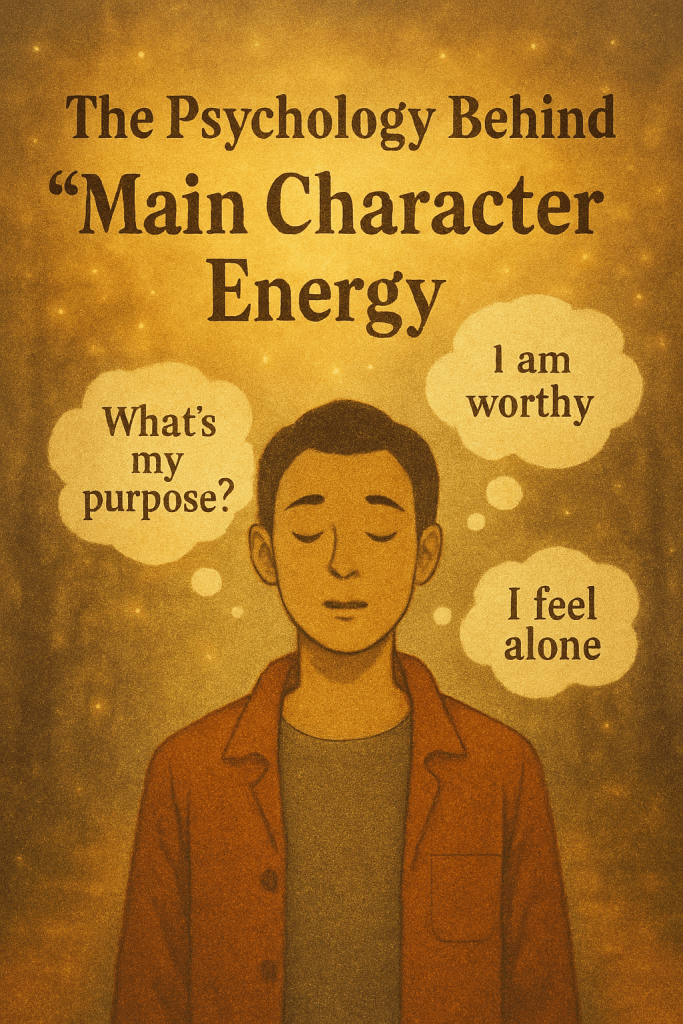
🌟 What Is “Main Character Energy”?
Main Character Energy (MCE) is a mindset where a person sees themselves as the lead in their own life story. It’s about confidence, self-awareness, and making choices that align with your values, not just blending into the background.
“You are the author of your own story. Don’t hand the pen to someone else.”
🧠 Why It Feels So Good (Psychological Reasons)
Boosts Self-Esteem
When you feel like the ‘main character,’ you value yourself more.
Example: Dressing up just for a walk because it makes you feel good.
Encourages Mindfulness
You become more aware of your surroundings and actions.
Example: Drinking coffee slowly while enjoying the moment, like you’re in a movie scene.
Helps Create a Strong Identity
You start asking: What kind of person do I want to be?
This leads to intentional decisions, not just going with the crowd.
Inspires Personal Growth
Main characters overcome challenges.
Example: You treat a bad day not as the end—but as the middle of your character arc.
“You either walk inside your story and own it, or you stand outside and hustle for your worthiness.” — Brené Brown
🎬 Main Character Energy vs. Narcissism
It’s important to note that MCE is not about being self-obsessed or thinking others are less important. It’s about:
✅ Confidence — not arrogance ✅ Self-love — not selfishness ✅ Growth — not perfection
“You can be the main character of your life without needing to be the center of everyone else’s.”
✨ Practical Ways to Step into Your Main Character Energy
Create Your “Main Character” Morning Routine
Start your day with intention. Stretch, journal, listen to music that motivates you.
Example: Brew your coffee slowly, stand by the window, and soak in the moment — like the intro scene of a movie.
Dress for the Mood You Want to Create
Wear outfits that make you feel confident, even if you’re not going anywhere fancy.
Example: Wear that bold shirt or lipstick just because it feels you.
Narrate Your Day (Internally or Out Loud!)
Turn simple moments into powerful scenes.
Example: Walking to the bus stop? Imagine you’re the hero heading to an important mission.
Celebrate Small Wins Like Big Victories
Whether it’s finishing a to-do list or making it through a hard day, clap for yourself.
Example: Treat yourself to a solo coffee date after a productive week.
Set a Soundtrack for Your Life
Make playlists that match your vibe — “Confidence Mode,” “Healing Era,” or “Rising Strong.”
Music/podcast makes every moment feel cinematic and empowering.
Say Yes to Solo Moments
Take yourself out for a nature walk, or bookstore visit. You don’t need company to enjoy your life.
Example: A quiet Sunday spent journaling and reflecting can feel like a self-love scene.
📖 Final Thought
You don’t need to wait for someone to give you permission. You are already the main character. Every small act of self-care, courage, and intention writes a better version of your life story.
“The moment you start acting like life is a movie, everything changes. The mood, the energy, the plot—it’s all in your hands.”
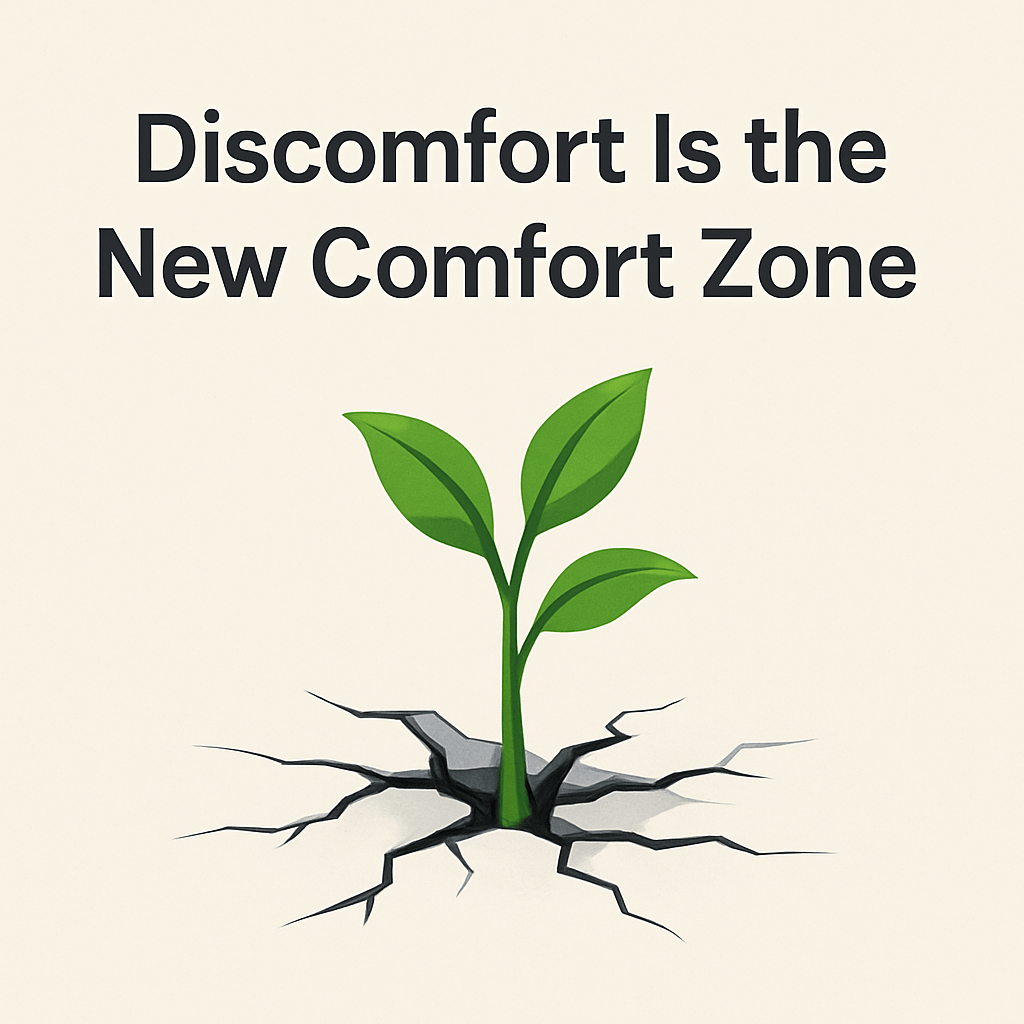
In today’s fast and ever-evolving world, growth begins where comfort ends. What used to feel “safe” and “predictable” often leads to stagnation. The new-age mindset says it loud and clear:
“If it doesn’t challenge you, it won’t change you.” – Fred DeVito
🔹 Why Discomfort Should Be Welcomed:
Discomfort sparks growth. When you face new challenges, your brain and character evolve. “Life begins at the end of your comfort zone.” – Neale Donald Walsch
Comfort zones breed fear of change. Staying safe often means missing opportunities. “Don’t fear failure. Fear being in the same place next year.”
Every breakthrough starts with uncertainty. The best ideas and personal revolutions happen in moments of doubt. “Growth is uncomfortable because you’ve never been here before.”
Discomfort builds resilience. Facing new experiences strengthens your mental muscles. “Pain is temporary. Quitting lasts forever.” – Lance Armstrong
You stop surviving and start thriving. Stepping into discomfort turns potential into progress. “Get comfortable with being uncomfortable.” – Jillian Michaels
🔹 Examples of Productive Discomfort:
Speaking in public for the first time.
Starting a business or switching careers.
Saying “no” when you’re used to pleasing others.
Waking up early for your goals.
Having difficult but honest conversations.
🔹 How to Embrace Discomfort:
✅ Start small – take micro-risks daily. ✅ Reframe discomfort as a teacher, not a threat. ✅ Reflect regularly – see how far you’ve come. ✅ Surround yourself with people who push you.
“Discomfort is a sign that you’re on the right path.”
🔹 Final Thought:
Discomfort isn’t a punishment — it’s a signal that you’re evolving. The more you stretch yourself, the more powerful and authentic your life becomes.
“Your comfort zone is beautiful, but nothing ever grows there.”
Life often presents unexpected challenges—whether it’s a personal crisis, a global shift, or professional struggles. Resilience allows us to recover and grow through these times. Here’s how to build and maintain resilience in moments of uncertainty:
🌱 1. Accept What You Can’t Control
Don’t resist change; learn to adapt.
Let go of the need for certainty.
“You can’t stop the waves, but you can learn to surf.” – Jon Kabat-Zinn
💭 2. Shift Your Perspective
See challenges as opportunities for growth.
Ask, “What can this teach me?”
“In the middle of difficulty lies opportunity.” – Albert Einstein
🧘 3. Practice Self-Care
Prioritize sleep, nutrition, and physical activity.
Engage in hobbies that help you relax and unwind.
“Self-care is how you take your power back.” – Lalah Delia
🧠 4. Strengthen Your Mindset
Practice gratitude daily to shift your focus.
Use positive affirmations and challenge negative thoughts.
“It’s not the strongest of the species that survive, nor the most intelligent, but the one most responsive to change.” – Charles Darwin
🤝 5. Stay Connected
Lean on friends, family, or support groups.
Build a network that lifts you up in tough times.
“The best way to find yourself is to lose yourself in the service of others.” – Mahatma Gandhi
🗓️ 6. Take One Day at a Time
Focus on making the best of today, not worrying about tomorrow.
Don’t dwell on the unknown future.
“Do not anticipate trouble, or worry about what may never happen. Keep in the sunlight.” – Benjamin Franklin
📚 7. Keep Learning and Growing
Constantly evolve by reading, reflecting, and adapting.
Embrace new skills and knowledge to overcome difficulties.
“The only way to deal with this life meaningfully is to find one’s passion and follow it.” – Dalai Lama
🌟 Final Thought:
Resilience isn’t about avoiding challenges—it’s about facing them head-on, learning from them, and growing stronger. By nurturing your body, mind, and relationships, you can endure uncertainty and emerge more powerful.






 Pioneer Edge