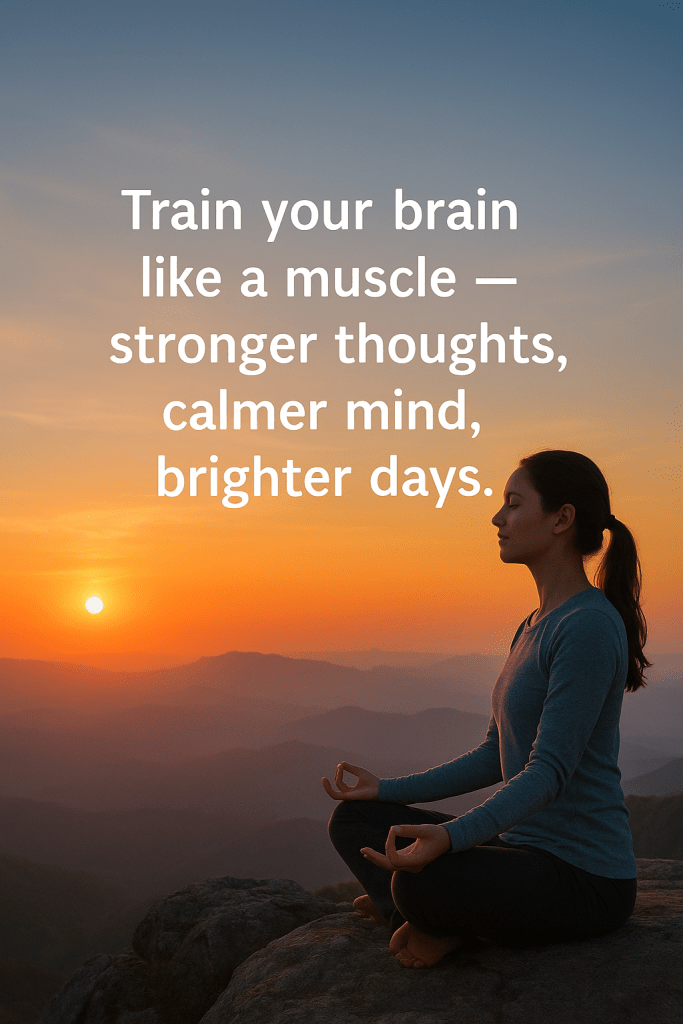
Life Never Stops Teaching Us

Introduction

Life is the greatest teacher we will ever have. Unlike classrooms or formal education, life teaches us through experiences—some sweet, some bitter, but all meaningful. Each day holds lessons waiting to be discovered, and the best part is that the learning never ends.

Lessons from Life

  • Life is the best teacher
    Books may give us information, but real wisdom comes from living through ups and downs.
  • Every experience carries a lesson
    Joy teaches gratitude, while pain builds strength. Both are equally important for growth.
  • Success is a reminder of effort
    Achievements show us the importance of dedication, focus, and belief in ourselves.
  • Failures are stepping stones
    Mistakes guide us toward better choices and remind us that failure is not the end but a new beginning.
  • People shape our learning
    Some people inspire us with kindness, others test our patience, and a few show us whom not to trust. Every person leaves a lesson behind.
  • Challenges bring growth
    Life’s struggles are not punishments but opportunities to become stronger, braver, and wiser.
  • Change keeps us adaptable
    Seasons, situations, and circumstances keep changing. Accepting change teaches us flexibility and resilience.
  • Small things hold deep wisdom
    A sunrise inspires hope, a smile spreads joy, and silence teaches peace. Life whispers wisdom in simple ways.

Conclusion

Life never stops teaching us. The journey of learning doesn’t end with age, success, or status—it continues every day in different forms. The real secret is to keep an open heart and mind, so that every experience, whether good or bad, becomes a stepping stone to wisdom and growth. If we remain lifelong learners, life will always guide us toward becoming our best selves.

Boundaries = Peace: Protecting Your Energy

🌸 Introduction

Peace of mind is not about having a quiet life—it’s about protecting your energy. Many times, we lose our inner calm because we don’t set clear boundaries with people, work, or even ourselves. Setting boundaries is not selfish—it’s self-care.


🌿 Why Boundaries Are Important

  • Boundaries help you say yes to what matters and no to what drains you.
  • They create space for your own growth and happiness.
  • Without boundaries, people may take your time and energy for granted.
  • Protecting your energy helps you stay emotionally balanced.

🌼 Signs You Need Better Boundaries

  • You feel tired and drained after meeting certain people.
  • You often say “yes” when you want to say “no.”
  • You feel guilty for putting yourself first.
  • You don’t have time for things that bring you joy.

🌻 How to Set Healthy Boundaries

  1. Know Your Limits – Be clear about what feels right and what doesn’t.
  2. Learn to Say No – Respectfully decline things that exhaust you.
  3. Communicate Clearly – Express your needs without fear.
  4. Protect Your Time – Avoid overcommitting yourself.
  5. Let Go of Guilt – Remember, self-care is not being rude.

🌷 Benefits of Boundaries

  • More mental peace and less stress.
  • Healthier and more respectful relationships.
  • More time for self-care and passions.
  • Stronger confidence and self-respect.

🌸 Conclusion

Boundaries are not walls—they are doors that let peace in and keep negativity out. When you protect your energy, you create space for joy, balance, and growth. Remember: Boundaries = Peace.

Conscious Mind and Unconscious Mind

Introduction

Our mind is like an iceberg – the part we see is small, while most of it lies hidden below the surface. The conscious mind is what we are aware of right now, and the unconscious mind silently works in the background, shaping our thoughts, habits, and behavior.


1. What is the Conscious Mind?

  • The conscious mind is the active and aware part of our thinking.
  • It deals with present thoughts, logical reasoning, and decision-making.
  • Example: When you read a book, solve a problem, or talk to someone – you use your conscious mind.

2. What is the Unconscious Mind?

  • The unconscious mind is the hidden part of the mind that stores feelings, memories, and habits.
  • It influences our actions and emotions without us realizing it.
  • Example: When you ride a bicycle after years, your unconscious mind helps you remember how.

3. Key Differences

  • Conscious mind → Aware, logical, short-term.
  • Unconscious mind → Hidden, emotional, long-term memory.
  • Conscious is like the tip of the iceberg, unconscious is the huge part under water.

4. Role in Daily Life

  • Conscious mind helps in planning and decision-making.
  • Unconscious mind stores beliefs, fears, and automatic habits.
  • Example: Brushing teeth daily becomes automatic because of the unconscious mind.

5. How They Work Together

  • The conscious mind gives instructions.
  • The unconscious mind carries them out repeatedly until they become habits.
  • Example: If you consciously repeat positive affirmations, your unconscious starts believing them.

6. Why Understanding Both is Important

  • Helps in self-improvement by changing negative habits.
  • Builds awareness of hidden fears and emotions.
  • Allows us to use the power of the unconscious mind for success, creativity, and confidence.

Conclusion

The conscious and unconscious minds are two sides of the same coin. The conscious mind decides what we want, while the unconscious mind helps us achieve it. By becoming more aware of how both work, we can shape our thoughts, habits, and future in a positive way.

Nothing is Not Bad or Not Good as We Think

Introduction

Life often surprises us with situations that we quickly label as good or bad. But in reality, many things are neither completely good nor completely bad—it is our perception that shapes how we feel about them.


Key Points

  • Perception Shapes Reality
    • What feels like a setback today may turn into a blessing tomorrow.
    • Example: Losing a job can seem bad, but it may lead to better opportunities.
  • No Event is Absolute
    • Life events are neutral; it is we who add the meaning.
    • Something that feels painful to one person might feel like growth to another.
  • Hidden Lessons in Every Situation
    • Even challenges carry lessons, strength, and wisdom.
    • What seems “bad” can make us stronger and more resilient.
  • Good and Bad Are Temporary
    • Joy and sorrow are like waves—they come and go.
    • Nothing remains permanent; every phase changes with time.
  • Acceptance Brings Peace
    • Instead of labeling things as good or bad, accepting them as experiences brings calmness.
    • This mindset helps us handle stress with balance.
  • Opportunities in Disguise
    • Difficulties often open doors we would never notice otherwise.
    • The key is to stay open-minded and patient.

Conclusion

Nothing in life is completely good or bad—it is our thoughts and judgments that create those labels. When we look at situations with an open and neutral mind, we find peace, growth, and unexpected opportunities. Life is a teacher, and every moment—whether pleasant or painful—has a purpose.

Nothing In Life Is Free

Introduction

In life, we often come across things that seem free—opportunities, favors, or even knowledge. But if we look closely, nothing is truly free. Behind every blessing lies someone’s effort, time, or sacrifice. Understanding this truth helps us value what we receive and inspires us to work harder for what we desire.

Key Points

  1. Every Blessing Has a Price
    • Life may offer you opportunities, knowledge, or support, but each comes with a price—hard work, patience, or sacrifice.
  2. Time Is the Greatest Currency
    • The hours you invest in learning, relationships, or dreams are far more valuable than money. Nothing grows without your time.
  3. Behind Every Gift Lies Effort
    • The love of parents, guidance of teachers, or kindness of friends may seem free, but they carry countless sacrifices and selfless efforts.
  4. Success Demands Investment
    • No shortcut, no magic formula. Success requires sweat, discipline, and resilience. What looks “free” often hides years of struggle.
  5. Gratitude Opens Your Eyes
    • When you receive something without paying, pause and reflect. Someone else has already paid the price. Respect it.
  6. Life’s Silent Rule
    • The universe whispers a simple truth: You get what you work for, not what you wish for. Nothing is truly free.

Conclusion

The truth is simple: nothing in life is free. Every achievement, every gift, and every opportunity has a cost—whether paid in time, effort, or sacrifice. When we embrace this reality, we stop taking things for granted and start valuing both our own efforts and the sacrifices of others. Success, love, and growth are never free, but they are always worth the price we pay.

Design Your Tomorrow: Habits That Shape a Better You

✨ The life you want tomorrow is built on the choices you make today. Developing the right habits can transform your mindset, health, and future. Here are some simple habits to shape a better you:


1. Start Your Day with Intention

  • Wake up early and avoid rushing.
  • Spend a few minutes planning your day.
  • Set 1–2 top priorities instead of an overwhelming list.

2. Practice Gratitude

  • Write down 3 things you’re thankful for.
  • Gratitude shifts focus from problems to possibilities.
  • It builds positivity and emotional strength.

3. Fuel Your Body Right

  • Eat balanced meals with whole foods.
  • Stay hydrated throughout the day.
  • Avoid excess sugar and processed foods.

4. Move Your Body Daily

  • Even 20–30 minutes of walking, stretching, or yoga helps.
  • Exercise improves energy and mental clarity.
  • Consistency matters more than intensity.

5. Prioritize Learning

  • Read, listen to podcasts, or take short courses.
  • Learning keeps the brain sharp and boosts confidence.
  • Even 10 minutes a day compounds over time.

6. Declutter Your Mind

  • Journal your thoughts to reduce stress.
  • Practice mindfulness or meditation.
  • Create digital boundaries by limiting screen time.

7. Build Strong Connections

  • Spend time with people who uplift you.
  • Practice active listening and empathy.
  • Meaningful relationships improve happiness and health.

8. End Your Day with Reflection

  • Review what went well and what can improve.
  • Celebrate small wins.
  • Prepare for tomorrow with clarity.

Remember:
Small habits shape big results. You don’t need to change everything at once—just start with one habit today. Over time, your daily actions will design a tomorrow you’ll be proud of.

When the Future is Foggy, Find Peace in the Present

Life often feels uncertain. The future can seem unclear, and that uncertainty may cause stress or anxiety. The best way to deal with it is to bring your attention back to the present moment.


🌿 Why the Future Feels “Foggy”

  • We cannot control everything that lies ahead.
  • Overthinking future outcomes creates fear.
  • Expectations and “what-ifs” make the mind restless.

🧘 How to Find Peace in the Present

  1. Focus on Your Breath – Breathing deeply calms the mind instantly.
  2. Practice Gratitude – Note down 2–3 things you’re thankful for each day.
  3. Do One Task at a Time – Multitasking creates stress, single-tasking brings focus.
  4. Spend Time in Nature – Walks, fresh air, and greenery help you stay grounded.
  5. Limit Future Worry – Replace “What if?” with “What now?”

🌞 Benefits of Living in the Now

  • Reduces stress and anxiety.
  • Improves focus and productivity.
  • Builds emotional resilience.
  • Increases happiness and inner peace.

✨ Final Thought

The fog of the future will always exist. But when you choose to live in the present, you create clarity within yourself. Peace doesn’t come from knowing the future—it comes from embracing the moment you have right now.

Accept, Don’t Suppress

Life often gives us emotions we don’t want—sadness, anger, disappointment, or fear. Many people try to hide these feelings or push them away, but doing so only makes the pain heavier. True strength lies in accepting your emotions, not suppressing them.

✨ Simple Points to Remember

  • Acceptance is the first step to healing – When you allow yourself to feel, you give space for recovery to begin.
  • Suppression creates stress – Bottled-up emotions don’t disappear; they show up as anxiety, irritability, or even health issues.
  • Feeling is not weakness – It takes courage to admit when you’re hurt or struggling.
  • Expression brings clarity – Talking, journaling, or creative outlets help you understand your emotions better.
  • Acceptance leads to growth – Once you face your feelings, you can learn from them and move forward stronger.
  • Peace comes with honesty – Pretending drains energy; being truthful with yourself brings inner calm.
  • You’re not alone – Everyone experiences pain, and sharing it can connect you with others who understand.

🌸 Final Thought

Remember, acceptance is not about giving up—it’s about letting go of denial. When you accept what you feel, you open the door to healing, growth, and peace.

🌱 Hard Times Don’t Last Forever

Life is not a straight road—it’s a journey filled with twists, turns, ups, and downs. When we go through tough times, it feels as if the pain will never end. But here’s the truth: hard times are temporary. They come to test us, to teach us, and most importantly, to prepare us for something better.

🌤️ Why Hard Times Don’t Last Forever

  1. Every Storm Eventually Ends
    No matter how heavy the rain, the clouds always clear. Similarly, every challenge you face has an expiry date. What seems unbearable today will one day just be a memory.
  2. Struggles Build Strength
    Muscles grow when they are tested by resistance. In the same way, life’s struggles make you stronger, braver, and wiser. Without difficulties, we would never discover our true strength.
  3. Time is a Great Healer
    Wounds, whether emotional or physical, need time. As days pass, pain lessens, and perspective grows. What breaks you today may build you tomorrow.
  4. Mindset Shapes the Outcome
    If you see a problem as a dead end, it becomes one. But if you see it as a lesson, it becomes a stepping stone. Choosing hope over despair changes the way you experience tough times.
  5. You’re Not Alone
    Hardships feel lighter when shared. Leaning on family, friends, or faith can provide the comfort and support you need to move forward.
  6. Growth Happens in Darkness
    Seeds grow in the dark soil before they bloom in sunlight. Likewise, your struggles may be preparing you for opportunities you cannot yet see.
  7. Hope is the Lifeline
    One of the most powerful reminders during hard times is: “This too shall pass.” Hope is not just a feeling—it is the fuel that keeps you moving forward.

🌟 A Short Story to Remember

There’s a saying: “Diamonds are made under pressure.”
A young man once complained to his grandmother about all his struggles. She boiled carrots, eggs, and coffee beans in three pots of water. After a while, she asked him what he saw.

  • The carrots became soft.
  • The eggs turned hard inside.
  • The coffee beans transformed the water itself.

She explained: “Life’s difficulties affect us differently. Some become weak, some become tough, and some use hardships to create something new and beautiful.”

The young man realized that challenges don’t define us—our response does.


💡 Final Thought

Hard times are like passing clouds—dark for a while, but they never block the sun forever. Stay patient, stay strong, and believe that brighter days are ahead. Every struggle you face today is preparing you for a stronger, wiser, and more hopeful tomorrow.

Your comeback will always be stronger than your setback. 🌈

🌿 Experience Life to Understand It

We often read, hear, or imagine what life is about. But true understanding comes only when we live through it. Every step, every challenge, and every joy teaches us something.

✨ Simple Points to Reflect On:

  • Books and advice guide you, but experience shapes you.
    Reading gives knowledge, but living through situations gives wisdom.
  • Mistakes are hidden lessons.
    Failing in something doesn’t mean the end — it’s life’s way of teaching you how to grow stronger.
  • Happiness feels real only when you live it.
    Smiles, laughter, travel, friendships — experiencing them gives true joy beyond words.
  • Pain deepens your understanding.
    Hard times are not punishments, but lessons that make you value patience, resilience, and hope.
  • Relationships teach the heart.
    Love, trust, misunderstandings, forgiveness — these can’t be fully understood until you experience them.
  • Life is not about knowing everything at once.
    It’s about living every moment, step by step, and letting experiences teach you.

🌸 Closing Thought

To truly understand life, don’t just watch it — live it. Welcome every experience, whether good or bad, because each one carries a hidden meaning that shapes who you are.