This blog is a handy guide that helps you streamline your daily tasks, save and grow your money, and get better at handling your feelings. It’s filled with easy-to-follow advice that makes a big difference in how you work, spend, and feel. Dive into our Pioneeredge.io site for practical tips and tricks that make life smoother and more fulfilling.
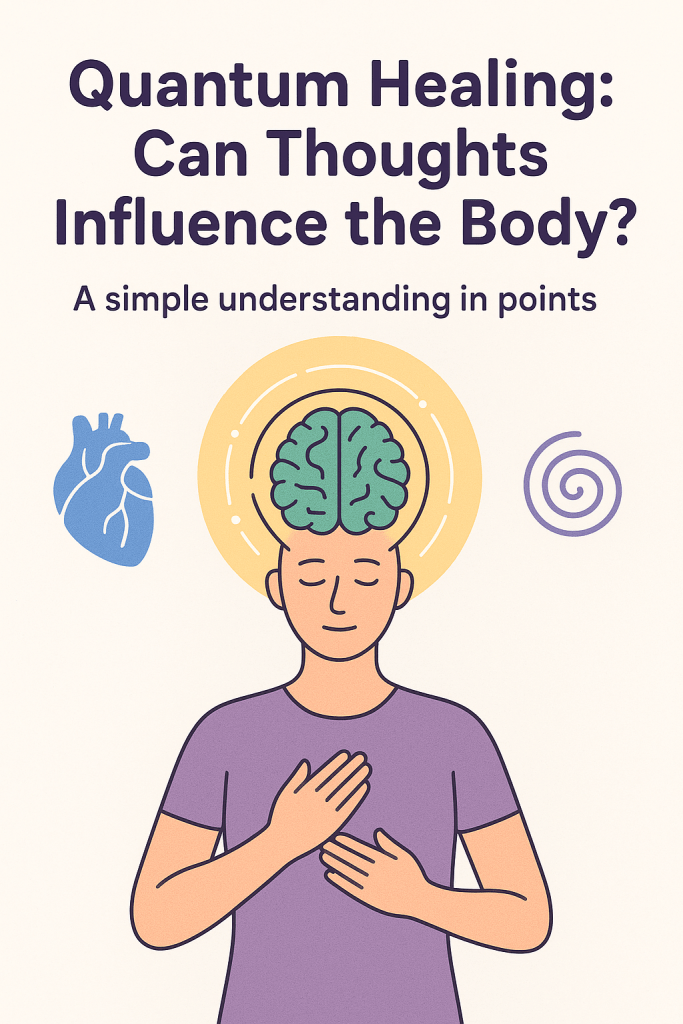
The mind and body are deeply connected, and taking care of both is essential for overall well-being. Understanding and nurturing this connection is key to effective self-care.
Understanding the Mind-Body Link
The mind and body are not separate; they influence each other constantly. Our thoughts, emotions, and mental states can affect our physical health, and vice versa.
Mental Health Impacts Physical Health
Stress, anxiety, and depression can manifest as physical symptoms like headaches, fatigue, muscle tension, or digestive issues.
Positive mental states like happiness and calm can promote better immune function, improve sleep, and boost energy levels.
Physical Health Influences Mental Health
Regular physical activity boosts mood by releasing endorphins, which reduce stress and improve mental clarity.
A healthy diet rich in nutrients also supports brain function, reducing feelings of anxiety or depression.
Self-Care Practices that Strengthen the Mind-Body Connection
Exercise: Whether it’s yoga, walking, or strength training, physical activity helps release pent-up tension, reduces anxiety, and improves mood.
Mindfulness and Meditation: These practices center the mind, reduce stress, and help you tune in to both physical and emotional needs.
Adequate Sleep: A good night’s sleep recharges the body and mind, enhancing emotional stability and cognitive function.
Healthy Eating: A balanced diet filled with fruits, vegetables, and whole grains can improve both mood and energy levels, making it easier to manage stress.
Deep Breathing: Simple breathing exercises can calm the nervous system, reduce heart rate, and help in moments of stress.
The Power of Positive Thinking
Cultivating a positive mindset can reduce the physical effects of stress, such as high blood pressure and muscle tension. Positive thoughts promote relaxation and well-being.
Stress Management and Relaxation
Chronic stress can lead to various health issues, including digestive problems and high blood pressure. Practicing relaxation techniques like progressive muscle relaxation or guided imagery can relieve tension and improve both mental and physical health.
Emotional Expression
Suppressing emotions can negatively affect physical health. Self-care through emotional expression, such as talking with loved ones or journaling, can release built-up emotional tension and prevent it from manifesting as physical ailments.
The Importance of Self-Awareness
Being aware of your body’s signals—such as fatigue, tension, or pain—allows you to address your needs before they escalate into more serious issues.
Self-Care for Balance
The key to effective self-care lies in balancing both mental and physical health. Taking time for activities that nurture your body and mind will help you achieve a holistic sense of well-being.
Mental pressure, or stress, can deeply affect both our mind and body. Prolonged mental pressure often leads to physical health problems. Understanding these impacts and learning how to overcome them is key to maintaining overall well-being.
The Impact of Mental Pressure on Physical Health
Headaches and Migraines
Mental stress often causes muscle tension, leading to frequent headaches or migraines.
Weakened Immune System
Prolonged stress weakens the immune system, making the body more susceptible to colds and infections.
Heart Issues
Stress raises blood pressure and heart rate, increasing the risk of heart problems like heart disease and stroke.
Digestive Problems
Mental pressure can disrupt digestion, causing stomach issues such as bloating, indigestion, and even irritable bowel syndrome (IBS).
Sleep Disorders
Stress leads to insomnia or poor-quality sleep, leaving you feeling tired and drained.
Weight Fluctuations
Some people overeat when stressed, while others lose their appetite, causing weight gain or loss.
Muscle Tension and Pain
Stress builds tension in muscles, particularly in the neck, shoulders, and back, resulting in chronic pain.
Skin Problems
Stress can worsen skin conditions like acne, eczema, and psoriasis due to inflammation.
Fatigue and Low Energy
Ongoing stress drains energy levels, making you feel fatigued and less motivated.
How to Overcome Mental Pressure
Practice Deep Breathing
Deep breathing exercises help calm your mind and body. Taking slow, deep breaths can immediately reduce stress.
Regular Exercise
Physical activity releases endorphins, which improve mood and reduce stress. Even a short daily walk can make a difference.
Prioritize Sleep
Maintain a regular sleep schedule to ensure quality rest. Aim for 7-8 hours of sleep each night to restore energy and reduce stress.
Healthy Eating
A balanced diet helps keep your body and mind in better condition. Avoid excessive caffeine and sugar, which can heighten stress levels.
Mindfulness and Meditation
Mindfulness techniques and meditation can help you stay in the present moment and manage stress more effectively.
Time Management
Organizing your tasks and setting realistic goals can reduce the feeling of being overwhelmed and help manage stress.
Social Support
Talking to friends, family, or a counselor can relieve mental pressure. Sharing your thoughts with others provides emotional support.
Engage in Hobbies
Make time for activities you enjoy. Hobbies provide a healthy distraction and help recharge your mind.
Limit Exposure to Stress Triggers
Identify stress triggers in your life and minimize exposure to them whenever possible, such as limiting social media use or news consumption.
Practice Gratitude
Focusing on what you’re grateful for can shift your mindset from stress to positivity. This simple habit can boost your mental health.
Conclusion
Mental pressure significantly affects physical health, leading to headaches, digestive problems, heart issues, and more. By adopting healthy habits such as regular exercise, mindfulness, and time management, you can reduce mental pressure and protect your physical well-being.
Taking care of the well-being of the people you love is one of the most fulfilling responsibilities in life. It goes beyond just physical health—it involves emotional, mental, and social aspects that contribute to their overall happiness and fulfillment. Here’s a simple breakdown of what really matters:
1. Emotional Support
Listen to them: Sometimes, all they need is someone who genuinely listens without judgment.
Be there in tough times: Your presence during challenges speaks volumes.
Express love and care: Simple words of appreciation, affection, and encouragement strengthen bonds.
2. Mental Well-Being
Encourage healthy habits: Support them in managing stress and maintaining a positive mindset.
Check-in on their feelings: Ask how they are doing emotionally, not just physically.
Provide reassurance: Let them know they are not alone in their struggles.
Be mindful of their health: Remind them of regular check-ups, and support them through any medical concerns.
Lead by example: When you live a healthy lifestyle, you inspire others to do the same.
4. Quality Time
Spend time together: Make the effort to share moments, whether it’s a meal, a walk, or watching a movie.
Celebrate milestones: Be part of their successes and special occasions.
Create memories: Time together creates lasting memories that strengthen relationships.
5. Respect Their Personal Space
Give them room to grow: Respect their need for personal time and space.
Support their independence: Encourage them to pursue their own passions and goals.
6. Help Them Set and Achieve Goals
Encourage personal growth: Help them identify their goals and offer support in achieving them.
Be their biggest cheerleader: Celebrate their victories, big or small.
7. Open Communication
Maintain honest conversations: Clear communication helps avoid misunderstandings and strengthens trust.
Address issues early: Don’t let problems fester—discuss concerns in a calm and constructive manner.
Be empathetic: Try to understand things from their perspective and offer guidance where needed.
8. Financial Security
Help them make informed decisions: Encourage responsible financial planning and savings.
Offer support when necessary: Be there in times of financial hardship, if possible.
9. Social Connections
Encourage a healthy social life: Healthy relationships outside the family are crucial for mental and emotional well-being.
Support their friendships: Give them space to nurture friendships and expand their social circle.
10. Be Patient and Understanding
Respect their journey: Everyone grows at their own pace; be patient with their personal progress.
Show forgiveness: No one is perfect, and showing compassion can strengthen your bond.
11. Unconditional Love
Love without expectations: Let them know you care, no matter what.
Be a constant support: Whether they succeed or stumble, your love should be unwavering.
Conclusion
Caring for the well-being of the people you love requires genuine effort, consistency, and compassion. It’s about being there for them emotionally, mentally, physically, and socially. Small acts of kindness, understanding, and support go a long way in contributing to their overall happiness and well-being.
Taking charge of your future is an empowering approach to ensuring success and fulfillment. Here’s a comprehensive guide to help you shape the future you desire:
1. Set Clear Goals
Define Your Vision: Understand what you truly want in life, both personally and professionally.
SMART Goals: Make sure your goals are Specific, Measurable, Achievable, Relevant, and Time-bound. For example, instead of saying “I want to get fit,” say “I will run a 5K race within six months.”
2. Develop a Plan
Action Steps: Break down your goals into small, manageable tasks.
Timeline: Create a schedule to complete each task. Use tools like calendars, planners, or project management apps to stay organized.
3. Take Initiative
Start Now: Don’t procrastinate. The perfect moment is a myth; start working towards your goals immediately.
Consistency: Dedicate time daily or weekly to work on your goals. Consistency builds momentum.
4. Stay Persistent
Overcome Obstacles: Understand that setbacks are part of the journey. Learn from them and keep going.
Stay Motivated: Keep your reasons for achieving your goals at the forefront of your mind. This will help you stay motivated during tough times.
5. Learn Continuously
Education: Invest in learning. Read books, take courses, attend seminars, and stay updated in your field.
Skills Development: Continuously improve your skills. The more knowledgeable and skilled you are, the better you can shape your future.
6. Adapt and Adjust
Flexibility: Be open to changing your plans as needed. Life is unpredictable, and flexibility allows you to navigate changes effectively.
Resilience: Build resilience to bounce back from failures and setbacks.
7. Surround Yourself with Positivity
Support Network: Surround yourself with supportive and positive people who encourage your growth.
Mentorship: Seek mentors who can provide guidance, feedback, and support.
8. Visualize Success
Mental Rehearsal: Spend time visualizing your success. Imagine the steps you’ll take and the outcome you desire.
Positive Affirmations: Use positive affirmations to build your confidence and reinforce your goals.
9. Celebrate Small Wins
Acknowledge Progress: Recognize and celebrate your achievements, no matter how small.
Reward Yourself: Treat yourself when you reach milestones. This keeps you motivated and makes the journey enjoyable.
10. Reflect and Review
Regular Assessments: Periodically review your progress. Identify what’s working and what needs improvement.
Adjust Goals: Don’t be afraid to modify your goals based on your progress and changing circumstances.
11. Stay Healthy
Physical Health: Maintain a healthy lifestyle with regular exercise, a balanced diet, and sufficient sleep.
Mental Health: Take care of your mental health through mindfulness, meditation, or talking to a professional if needed.
12. Give Back
Community Engagement: Participate in community service or mentorship. Helping others can provide perspective and fulfillment.
Networking: Build and maintain relationships with like-minded individuals. Networking can open doors to new opportunities.
Conclusion
Creating your future involves taking deliberate and proactive steps towards your aspirations. By setting clear goals, developing a structured plan, staying persistent, and continuously learning, you can shape the future you envision. Remember, the best way to predict the future is to create it yourself. Embrace the journey, stay flexible, and celebrate your progress along the way!
Intrinsic vs. Extrinsic: Real happiness often stems from intrinsic sources, rather than extrinsic. Intrinsic sources include personal growth, relationships, and self-fulfillment, while extrinsic sources are typically material possessions or external validation.
Key Sources of True Happiness
Meaningful Relationships
Connection: Building strong, positive relationships with family, friends, and community.
Support: Having a support system to share joys and challenges.
Love and Affection: Experiencing love, compassion, and affection from others.
Personal Growth
Self-Awareness: Understanding your values, strengths, and weaknesses.
Continuous Learning: Engaging in lifelong learning and skill development.
Achieving Goals: Setting and achieving personal goals and milestones.
Gratitude
Appreciation: Regularly acknowledging and appreciating the good things in life.
Positive Mindset: Fostering a mindset of abundance rather than scarcity.
Acts of Kindness
Helping Others: Engaging in acts of kindness and helping others without expecting anything in return.
Volunteering: Participating in community service or volunteer work.
Mindfulness and Presence
Being Present: Focusing on the present moment and fully engaging with it.
Meditation: Practicing mindfulness or meditation to reduce stress and increase self-awareness.
Health and Well-being
Physical Health: Maintaining good physical health through exercise, nutrition, and rest.
Mental Health: Prioritizing mental well-being, managing stress, and seeking help when needed.
Sense of Purpose
Life Purpose: Finding and pursuing a sense of purpose or a cause that you are passionate about.
Meaningful Work: Engaging in work or activities that provide a sense of accomplishment and purpose.
Balance
Work-Life Balance: Maintaining a healthy balance between work, personal life, and leisure.
Time Management: Effectively managing time to reduce stress and increase productivity.
Practices to Cultivate True Happiness
Daily Reflection: Take time each day to reflect on what you are grateful for and what brought you joy.
Journaling: Keep a journal to document positive experiences and personal growth.
Mindful Breathing: Practice mindful breathing exercises to stay centered and calm.
Quality Time: Spend quality time with loved ones and engage in meaningful conversations.
Pursue Hobbies: Engage in hobbies and activities that you are passionate about and that bring you joy.
Conclusion
True happiness lies within and is cultivated through meaningful connections, personal growth, gratitude, acts of kindness, mindfulness, well-being, purpose, and balance. By focusing on these intrinsic sources, you can nurture a lasting sense of happiness and fulfillment.
In a world constantly in motion, where physical health often takes center stage, the significance of mental well-being can sometimes be overshadowed. However, recent experiences have brought to light the essential need to prioritize our mental health. Let’s delve into why mental health is imperative, supported by more detailed real-life quotes and instances.
1. Recognizing the Impact:
“Mental health is a journey, not a destination. It’s about the way you drive, not where you’re going.” – Noam Shpancer
Exploration: Understanding that mental health is a continuous journey implies that it’s not a fixed state but a dynamic process. This realization empowers individuals to navigate challenges, emphasizing the importance of self-discovery and growth on the path to well-being.
2. Dismantling Stigmas:
“The only journey is the journey within.” – Rainer Maria Rilke
Exposition: Influencers like Demi Lovato, who openly share their mental health struggles, contribute significantly to dismantling stigmas. By embracing their inner journey and vulnerability, they inspire others to break free from societal expectations and seek help without the fear of judgment.
3. Adapting to Life’s Uncertainties:
“Life is what happens when you’re busy making other plans.” – Allen Saunders
Clarification: The unpredictability of life, as demonstrated by the COVID-19 pandemic, underscores the need for mental resilience. Individuals are challenged to adapt and cope with unforeseen circumstances, highlighting the importance of mental strength in navigating life’s unpredictable twists and turns.
4. Achieving Balance:
“Your calm mind is the ultimate weapon against your challenges.” – Bryant McGill
Elucidation: Figures like Elon Musk emphasizing the importance of maintaining a calm mind showcase the connection between mental well-being and achieving success. A serene and focused mind becomes a powerful tool in overcoming challenges, promoting not just success but sustainable and balanced achievements.
5. Nurturing Relationships:
“You can’t pour from an empty cup. Take care of yourself first.” – Eleanor Brownn
Illustration: The wisdom in this quote is reflected in the experiences of caregivers who, by prioritizing their mental health, can provide better support to their loved ones. It emphasizes the symbiotic relationship between self-care and the ability to contribute meaningfully to the well-being of others.
6. Workplace Wellness:
“Mental health is fundamental to the health of the business.” – Richard Branson
Elaboration: Progressive companies like Google actively promoting employee well-being recognize that a mentally healthy workforce is the bedrock of increased productivity and creativity. By investing in mental health initiatives, organizations create a positive and thriving work environment that benefits both employees and the business.
7. Mind-Body Connection:
“The body achieves what the mind believes.” – Jim Evans
Amplification: Athletes like Simone Biles highlighting the inseparable link between mental and physical health emphasize the need for a holistic approach to well-being. This goes beyond mere physical prowess, acknowledging that mental resilience is a catalyst for unlocking the full potential of the body.
8. Mindfulness Matters:
“The best way to capture moments is to pay attention.” – Jon Kabat-Zinn
Elucidation: The practice of mindfulness, endorsed by figures like Oprah Winfrey, underscores the importance of being present and cultivating mental resilience. By paying attention to the current moment, individuals can better manage stress, enhance focus, and foster a deeper connection with their inner selves.
9. Seeking Professional Support:
“It’s okay not to be okay as long as you are not giving up.” – Karen Salmansohn
Exposition: The courage of individuals like Prince Harry sharing their struggles fosters a culture where seeking professional help is viewed as a sign of strength. This shift in perception encourages others to acknowledge their vulnerabilities, seek assistance, and embark on a journey of healing and growth.
10. Community Solidarity:
“Alone, we can do so little; together, we can do so much.” – Helen Keller
Illustration: Online communities and support groups provide a space for individuals, such as those affected by mental health challenges, to connect, share experiences, and find solidarity. This communal support becomes a powerful force, emphasizing the collective strength that arises when individuals come together to navigate their mental health journeys.
In conclusion, these more detailed real-life quotes and examples underscore the necessity of prioritizing mental health. It’s not just about addressing mental illness; it’s about fostering a culture that recognizes mental well-being as a dynamic and continuous requirement for a fulfilling and resilient life. As we embrace this understanding, let us collectively champion mental health, breaking down barriers, and supporting one another on the journey to well-being.
“A healthy body means a healthy mind.” – Sir Richard Branson.
Regular exercise enhances cognitive function, vital for effective problem-solving and decision-making.
Energized Productivity:
“Physical fitness is the basis of dynamic intellectual activity.” – John F. Kennedy.
Maintaining physical vigor contributes to sustained energy levels, combating workplace fatigue.
Stress Alleviation:
“Exercise is the most underutilized antidepressant.” – Anonymous.
Regular physical activity serves as a natural stress-reliever, fostering a stress-free and focused mindset.
Mood Elevation and Job Satisfaction:
“The only bad workout is the one that didn’t happen.” – Anonymous.
Exercise promotes the release of mood-enhancing neurotransmitters, contributing to a positive work environment.
Physical Health for Consistent Productivity:
“Take care of your body; it’s the only place you have to live.” – Jim Rohn.
Physical fitness correlates with reduced absenteeism, ensuring a consistently present and engaged workforce.
Discipline and Time Management:
“It’s not about having time; it’s about making time.” – Anonymous.
Regular exercise cultivates discipline, translating into effective time management for professional success.
Quality Sleep for Peak Performance:
“Sleep is the best meditation.” – Dalai Lama.
Exercise improves sleep quality, leading to alertness and effective handling of workplace challenges.
Conclusion:
“It is health that is real wealth and not pieces of gold and silver.” – Mahatma Gandhi.
The wisdom of these quotes and the embodiment of physical fitness in the lives of notable personalities underscore the profound impact on elevating work productivity. Integrating these principles into our professional lives unlocks the potential for a vibrant, resilient, and highly productive workforce.






 Pioneer Edge