💫 You Are Exactly Where You’re Meant to Be

🌸 Introduction

There are times in life when we question everything — our choices, timing, and even our direction. We wonder if we’ve missed opportunities or fallen behind. But what if everything is actually happening just as it’s supposed to? What if, right now, you are exactly where you’re meant to be?
Sometimes, peace doesn’t come from changing your situation, but from trusting the path you’re already on.


Life unfolds with purpose


Every experience, whether joyful or painful, is shaping you into the person you’re meant to become. Nothing in your journey is wasted.

  1. God’s timing is perfect
    Delays aren’t denials. They are divine pauses, preparing you for something greater. You’re not late — you’re aligned with a higher plan.
  2. Every season has a reason
    Life has seasons of growth, waiting, and healing. Each one serves its own purpose in helping you evolve.
  3. Stop comparing your journey
    Someone else’s progress doesn’t define your own. Your path is uniquely yours, designed with care and intention.
  4. Embrace the present moment
    True peace comes from acceptance. When you stop resisting where you are, you begin to see the beauty hidden in this phase.
  5. Challenges are part of the process
    Struggles don’t mean you’re lost. Often, they’re lessons in disguise, guiding you toward greater strength and wisdom.
  6. You are growing, even in silence
    Growth isn’t always visible. Sometimes, God works quietly behind the scenes, aligning everything perfectly for your next step.
  7. Trust the divine plan
    Even when you don’t understand why things happen, believe that everything unfolds for your ultimate good.
  8. Be grateful for the now
    Gratitude transforms your outlook. When you focus on what’s good right now, life feels lighter and more meaningful.
  9. You are not behind — you’re becoming
    Every step, even the confusing ones, is leading you closer to where you’re supposed to be. You are learning, evolving, and becoming stronger with each experience.

Final Thoughts

Life isn’t a race, and you’re not missing out on anything meant for you. Every chapter — even the slow or difficult ones — is essential to your story. Trust that this moment has a purpose, even if you can’t see it yet.
When you let go of resistance and lean into faith, you’ll realize that you are right where you’re supposed to be — growing, healing, and preparing for what’s next.


🌼 Quote to Reflect On:

“Sometimes you just need to breathe, trust, let go, and see what happens — because you are exactly where you’re meant to be.”

🛠️ Debug My Life: Simple Fixes for a Smoother Mindset

Just like software, life too can get messy with bugs — stress, confusion, bad habits, or procrastination. It’s time to debug your life and upgrade your system!

🔍 1. Identify the Bugs

  • Notice what’s draining your energy — toxic habits, overthinking, negative people, or clutter.
  • Keep a journal or note what triggers stress or low moods.

🧹 2. Clear the Cache (Declutter)

  • Clean your space — a tidy environment boosts mental clarity.
  • Let go of emotional baggage: forgive, release, reset.

🔄 3. Restart Often

  • Take short breaks, walk in nature, or meditate.
  • Sleep well — it’s the best reset button for your brain.

🧭 4. Update Your Mindset

  • Replace “I can’t” with “How can I?”
  • Feed your mind with positive content — books, podcasts, or uplifting people.

⌛ 5. Fix Procrastination Bugs

  • Use the 5-minute rule: “I’ll do this just for 5 minutes.”
  • Break big tasks into tiny steps.

🔐 6. Strengthen Your Firewall (Boundaries)

  • Learn to say “no” without guilt.
  • Protect your time and peace like your passwords.

⚙️ 7. Install Healthy Habits

  • Eat well, move daily, and stay hydrated.
  • Start small — one habit at a time is enough to change your life.

🌐 8. Connect to Good Networks

  • Surround yourself with people who lift you up, not pull you down.
  • Share your progress, and ask for help when needed.

🧑‍💻 9. Run Daily Diagnostics

  • End each day with reflection: What went well? What can improve?
  • Appreciate small wins and keep learning.

🚀 10. Keep Debugging

  • Life won’t be perfect, but you can keep improving.
  • Debugging is not a one-time task — it’s a habit of self-awareness and self-care.

💡 Final Thought:

You don’t need to be perfect — just better than yesterday.
Keep debugging. Keep evolving.

🌙 Delay Is Not Denial: God’s Timing vs. Our Expectations

🌿 1. We Often Want Quick Answers

  • We desire quick solutions, but Allah knows what’s best and when.
  • Our impatience can cloud our trust.

“Man is ever hasty.”
Surah Al-Isra (17:11)


2. Delay Is a Time for Growth, Not Punishment

  • Waiting is not punishment; it is a time to reflect, improve, and draw closer to Allah.
  • Allah may delay something to strengthen your heart and reliance on Him.

“And it may be that you dislike a thing while it is good for you…”
Surah Al-Baqarah (2:216)


🙏 3. Our Expectations Are Not Always God’s Plan

  • What we want may not align with what Allah knows is right.
  • He sees the whole picture — past, present, and future.

“…Allah knows, while you know not.”
Surah Al-Baqarah (2:216)


🌟 4. Allah’s Timing Is Always Perfect

  • Allah never delays without wisdom.
  • What we see as a delay is a piece of His perfect plan.

“Indeed, Allah is never unjust in the least degree…”
Surah An-Nisa (4:40)


🌱 5. Waiting Builds a Stronger Faith

  • Through waiting, our trust in Allah is tested and strengthened.
  • It’s an opportunity to show true reliance (tawakkul).

“And put your trust in Allah; and sufficient is Allah as a Disposer of affairs.”
Surah Al-Ahzab (33:3)


💡 6. Delay Doesn’t Mean Allah Forgot You

  • Allah never forgets His servants. He is closer than we think.

“And your Lord is never forgetful.”
Surah Maryam (19:64)

“Indeed, My Lord is near and responsive.”
Surah Hud (11:61)


📖 7. Quranic Stories Show the Power of Patience

  • Prophet Ayyub (Job) endured illness with sabr.
  • Prophet Yusuf (Joseph) faced betrayal and prison before success.
  • Prophet Musa (Moses) waited years before leading his people.

“Indeed, the patient will be given their reward without account.”
Surah Az-Zumar (39:10)


💖 8. Hold On to Hope and Keep the Faith

  • Keep making du’a. Allah responds in His time — not ours.
  • He may delay, but He never ignores.

“Call upon Me; I will respond to you.”
Surah Ghafir (40:60)


🌈 Final Thought

Allah’s delay is full of mercy, wisdom, and love. It is never a denial — it is divine preparation.

“So be patient. Indeed, the promise of Allah is truth.”
Surah Ar-Rum (30:60)

How to Stay Strong When Life Gets Tough

Mental toughness is the ability to stay strong, focused, and calm—even when life gets difficult. It doesn’t mean you’re emotionless, but that you don’t give up easily. Here’s how you can build it step by step:


1. Start Your Day with Purpose

  • Wake up with a plan or goal in mind.
  • Avoid immediately checking your phone.
  • Take 5 minutes to reflect or set your intention for the day.

2. Do Difficult Things First

  • Tackle your most challenging task early.
  • This builds confidence and discipline.
  • It also reduces stress for the rest of the day.

3. Practice Self-Control

  • Learn to say “no” when needed.
  • Avoid emotional outbursts—pause and breathe.
  • Respond, don’t react.

4. Accept What You Can’t Control

  • Don’t waste energy on things outside your control (like traffic or other people’s opinions).
  • Focus on your actions and attitude.

5. Stay Positive, But Realistic

  • Positive thinking helps—but don’t ignore problems.
  • Learn to say: “This is hard, but I can handle it.”

6. Learn from Mistakes

  • Don’t fear failure; use it as a teacher.
  • Ask yourself: What can I learn from this?
  • Keep moving forward, even after a setback.

7. Keep Promises to Yourself

  • Do what you say you’ll do, even when it’s hard.
  • This builds self-respect and inner strength.

8. Take Care of Your Body

  • Eat well, sleep enough, and exercise regularly.
  • A strong body supports a strong mind.

9. Surround Yourself with Positive People

  • Be around those who uplift and challenge you.
  • Limit time with negative or toxic influences.

10. Practice Gratitude Daily

  • Write down 3 things you’re thankful for.
  • Gratitude builds resilience and peace of mind.

Final Thought:

Mental toughness isn’t about being perfect—it’s about staying steady during ups and downs. Build it slowly, one small action at a time. Over time, you’ll notice you’re stronger, calmer, and more confident in whatever life throws at you.

Why ‘Good Enough’ Is the New Perfect

1. Perfection Is Exhausting

  • Striving for perfection drains time, energy, and mental peace.
  • People are realizing that chasing flawless results often leads to burnout, not happiness.

2. Progress Matters More Than Perfection

  • Taking action, even if it’s not perfect, moves you forward.
  • Small, consistent steps lead to bigger results over time.

3. Good Enough Saves Time

  • Perfecting every detail wastes valuable hours.
  • “Good enough” allows faster decision-making and quicker progress.

4. Perfection Is Often an Illusion

  • What feels perfect to one person might not to another.
  • Standards constantly change, making it impossible to please everyone.

5. Good Enough Encourages Innovation

  • When you stop fearing mistakes, you’re more willing to try new ideas.
  • Creativity flows better when you’re not stuck in a perfectionist mindset.

6. Real Success Comes from Adaptability

  • In today’s fast-moving world, flexibility is more important than flawlessness.
  • Those who adjust and move forward quickly win, not those who wait to be perfect.

7. It Improves Mental Health

  • Accepting “good enough” reduces anxiety, self-doubt, and stress.
  • It promotes a healthier relationship with yourself and your work.

8. Good Enough Builds Confidence

  • Finishing tasks (even imperfectly) builds momentum and belief in yourself.
  • You learn, grow, and improve with each completed effort.

9. The World Appreciates Authenticity, Not Perfection

  • People connect more with genuine efforts and honest mistakes.
  • Authentic work is often more inspiring than something that appears flawlessly staged.

10. Good Enough Is Sustainable

  • It’s a mindset you can maintain for the long term.
  • You stay productive, creative, and balanced without burning out.

🌟 Final Thought:

“Good enough” doesn’t mean careless. It means knowing when something is strong enough to serve its purpose — and trusting that it’s better to be real and done than stuck chasing an impossible perfect.

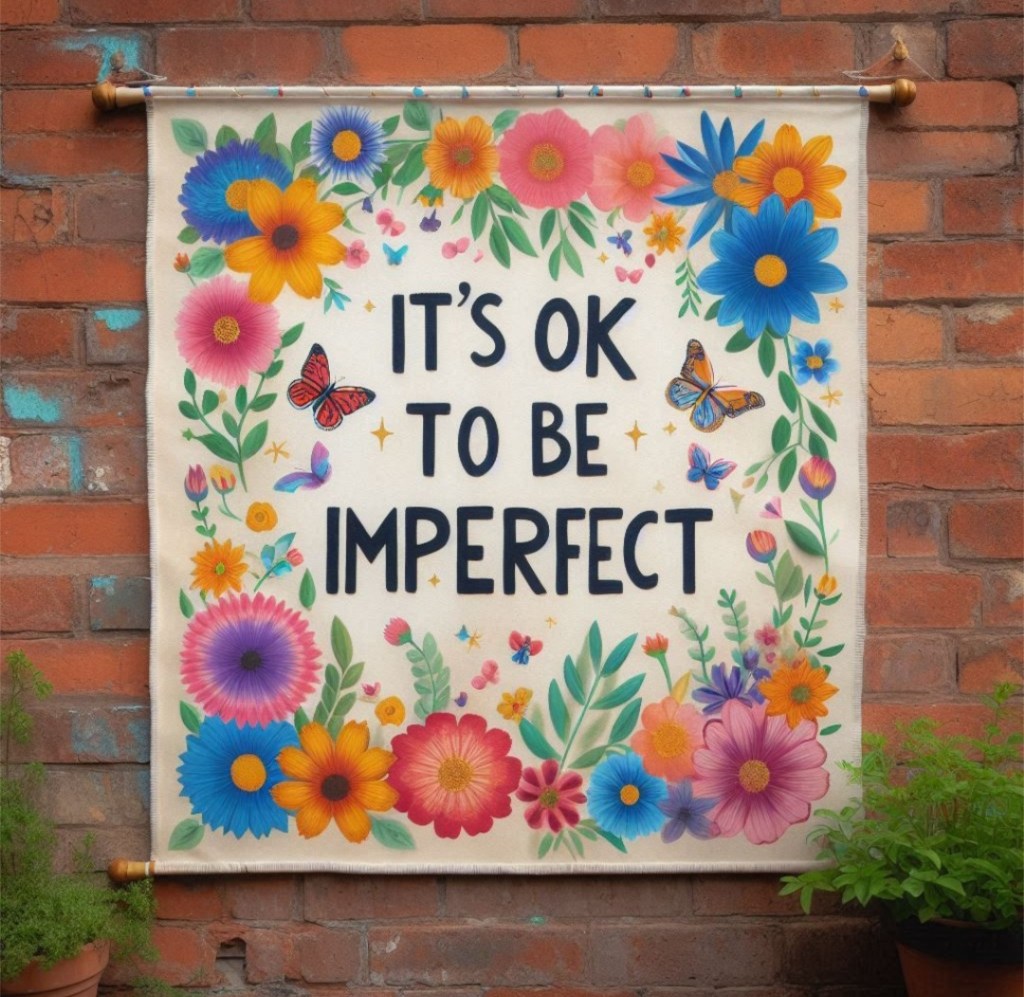
It’s Perfectly Okay to Be Imperfect

In a world that often glorifies perfection, embracing our imperfections can be a liberating and empowering experience. Here are some simple, realistic points that highlight why it’s perfectly okay to be imperfect:

1. Embrace Your Authentic Self

  • Realness Over Perfection: Embracing your imperfections allows you to be true to yourself, fostering deeper connections with others.
  • Unique Stories: Our flaws and imperfections tell our personal stories. They shape who we are and make us unique.

2. Learn and Grow

  • Mistakes as Learning Opportunities: Imperfections often come with valuable lessons. Each mistake is a chance to learn and grow, paving the way for personal development.
  • Resilience: Facing and accepting our flaws builds resilience. Overcoming challenges strengthens our character and helps us handle future setbacks more gracefully.

3. Redefine Success

  • Flawed Yet Thriving: Success doesn’t require perfection. Many successful people have faced failures and setbacks, proving that it’s our efforts and perseverance that count.
  • Setting Realistic Goals: Instead of aiming for perfection, set realistic and achievable goals. This shift in mindset leads to more sustainable success and happiness.

4. Connect with Others

  • Shared Imperfections: When we openly share our imperfections, we invite others to do the same. This creates a supportive environment where everyone feels safe to express their true selves.
  • Building Empathy: Recognizing that everyone has flaws fosters empathy and compassion, allowing us to connect more deeply with those around us.

5. Practice Self-Compassion

  • Be Kind to Yourself: Treat yourself with the same kindness and understanding that you would offer a friend. Accepting your imperfections is a form of self-love.
  • Mindfulness: Practicing mindfulness helps us stay present and appreciate ourselves as we are, rather than how we think we should be.

6. Challenge Perfectionism

  • Letting Go of High Standards: Perfectionism can be paralyzing. Challenge the notion that you must meet impossibly high standards to be worthy or successful.
  • Celebrate Progress: Focus on the progress you make rather than the end result. Celebrate small victories and the steps you take towards your goals.

7. Shift Your Perspective

  • View Imperfections as Strengths: Sometimes, our flaws can become our greatest assets. They can inspire creativity, innovation, and problem-solving.
  • A Different Lens: Try to view imperfections as a natural part of life, not something to be ashamed of. This perspective shift can lead to greater acceptance and peace.

Conclusion

Embracing imperfection is a journey, not a destination. It takes time and practice to shift our mindset, but the benefits are profound. By accepting our flaws, we open ourselves up to authenticity, growth, connection, and joy. Remember, it’s perfectly okay to be imperfect—after all, that’s what makes us human.