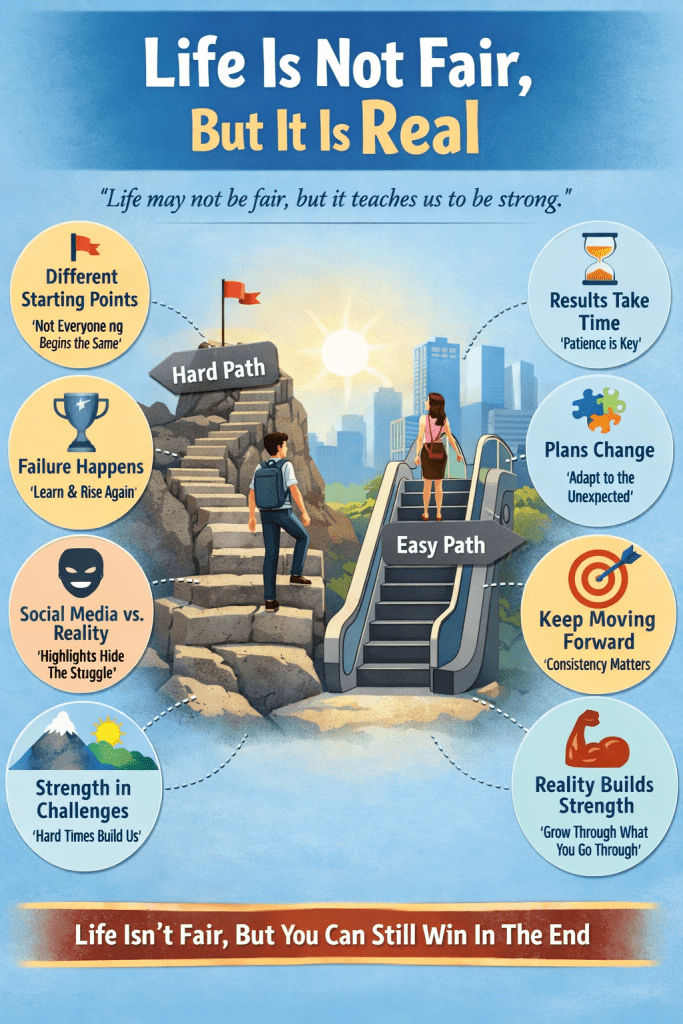
Life Is Not Fair, But It Is Real

Life often looks unfair when we compare our journey with others. Some people move ahead quickly, while others struggle despite hard work. Accepting this truth helps us grow stronger and wiser.


1. Everyone Starts From a Different Place

Not all people begin life with the same opportunities, support, or resources. Comparing paths only creates frustration.

2. Hard Work Doesn’t Always Give Instant Results

Effort is important, but results may take time. Life tests patience before giving rewards.

3. Talent Alone Is Not Enough

Skills matter, but consistency, discipline, and resilience matter more in real life.

4. Failure Is a Part of the Process

Mistakes and setbacks are not signs of weakness. They are lessons that shape character.

5. Life Doesn’t Follow Our Plans

Unexpected changes are normal. Learning to adjust is a real-life skill.

6. Comparison Steals Peace

Social media shows highlights, not struggles. Every success has an unseen story.

7. Growth Comes From Acceptance

When we accept reality instead of resisting it, we find clarity and strength.

8. Strength Is Built in Difficult Times

Challenges teach responsibility, humility, and emotional maturity.

9. Life Rewards Those Who Keep Going

Consistency and persistence matter more than perfection.

10. Reality Makes Us Stronger

Life may not be fair, but it prepares us to face the world with courage.


Closing Thought

Life is not meant to be easy—it is meant to be lived, learned from, and grown through.

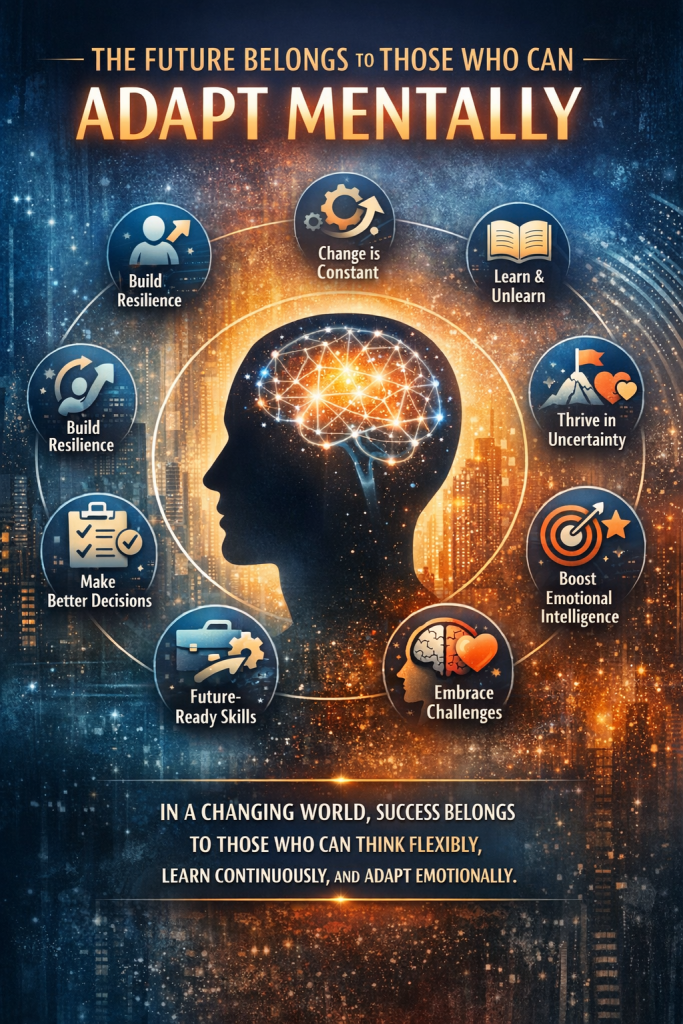
The Future Belongs to Those Who Can Adapt Mentally

In a rapidly changing world, success is no longer determined only by intelligence, talent, or experience. The ability to adapt mentally has become the most important life skill. Below are simple, clear points explaining why mental adaptability shapes the future.


1. Change Is Constant, Not Optional

Technology, workplaces, and lifestyles are evolving faster than ever. Those who mentally resist change experience stress and stagnation, while adaptable minds learn to adjust and move forward.


2. Mental Flexibility Enables Faster Learning

Adaptable individuals are open to unlearning old habits and acquiring new skills. This learning mindset allows them to stay relevant in education, careers, and personal growth.


3. Resilient Minds Handle Uncertainty Better

The future is unpredictable. Mental adaptability helps individuals remain calm during uncertainty, view challenges as temporary, and respond with problem-solving rather than panic.


4. Adaptability Strengthens Emotional Intelligence

Mentally adaptable people regulate emotions effectively, accept feedback positively, and adjust behavior based on situations. This improves relationships and leadership effectiveness.


5. Fixed Mindsets Limit Growth

A rigid mindset clings to comfort zones and fears failure. In contrast, adaptable minds see failure as feedback and change as an opportunity for improvement.


6. Mental Adaptation Supports Well-Being

Being mentally flexible reduces stress, anxiety, and burnout. Acceptance and adjustment protect mental health in high-pressure environments.


7. Future Careers Demand Cognitive Agility

Jobs of the future will require continuous upskilling. Mental adaptability enables individuals to transition across roles, industries, and technologies with confidence.


8. Adaptable Minds Make Better Decisions

Open-minded thinking allows individuals to evaluate situations objectively, consider alternatives, and make informed decisions even with limited information.


9. Growth Begins with Self-Awareness

Understanding one’s thoughts, beliefs, and emotional patterns is the first step toward mental adaptability. Awareness creates choice rather than automatic reactions.


10. Adaptability Is a Trainable Skill

Mental flexibility can be developed through reflection, lifelong learning, mindfulness, and embracing new experiences.


Conclusion

The future will not favor the strongest or the smartest, but those who can think flexibly, learn continuously, and adapt emotionally. Mental adaptability is no longer optional—it is the foundation for sustainable success and well-being in an uncertain world.

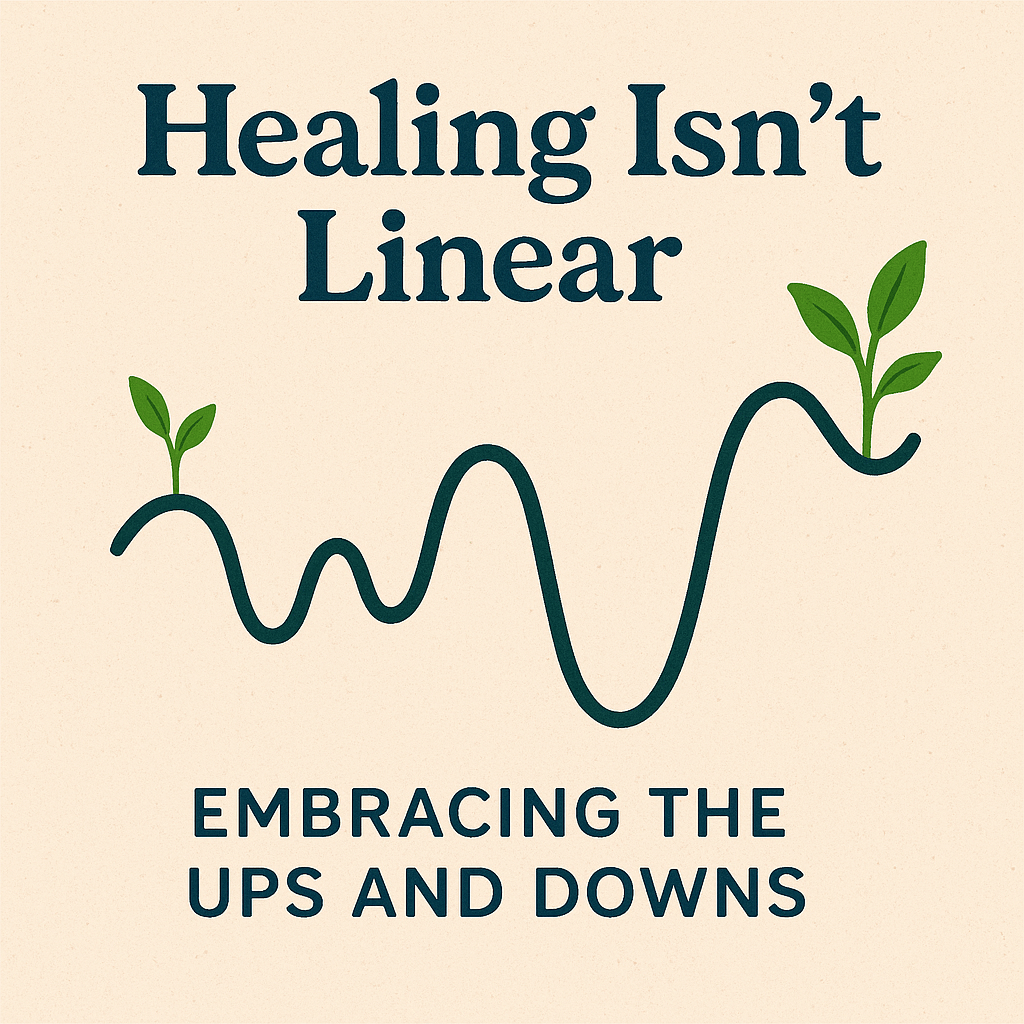
🌱 Healing Isn’t Linear: Embracing the Ups and Downs

Healing—whether emotional, mental, or physical—is not a straight path. It’s a journey filled with progress, setbacks, and moments that may feel like you’re going in circles. And that’s okay.


1. Healing Takes Time

  • Recovery doesn’t happen overnight.
  • It’s okay to take days, weeks, or even years.
  • Be patient with yourself.

2. It’s Normal to Have Good and Bad Days

  • Some days you’ll feel strong, other days you won’t.
  • Bad days don’t erase your progress.
  • Every step, even backward, is part of the journey.

3. Progress Isn’t Always Visible

  • Just because you can’t see improvement doesn’t mean it’s not happening.
  • Inner changes often take time to show on the outside.

4. Setbacks Are Not Failures

  • Falling back into old patterns is common.
  • It’s not a failure—it’s part of learning and growing.
  • Use it as a lesson, not a reason to give up.

5. Celebrate Small Wins

  • Even small steps matter—like getting out of bed, saying “no,” or smiling again.
  • Every tiny win adds up to big change.

6. Your Journey Is Unique

  • Don’t compare your healing to others.
  • Everyone heals at their own pace and in their own way.
  • What works for someone else may not work for you—and that’s okay.

7. Allow Yourself to Feel

  • Don’t hide your emotions—feel them.
  • Crying, anger, or sadness are not signs of weakness.
  • Emotions are part of processing and healing.

8. Ask for Help When You Need It

  • You don’t have to do it alone.
  • Talk to a friend, therapist, or support group.
  • Asking for help is a strength, not a weakness.

9. Be Kind to Yourself

  • Talk to yourself with love and compassion.
  • You’re doing your best, and that’s enough.
  • Replace self-criticism with encouragement.

10. Healing Is Ongoing

  • Healing doesn’t mean you’ll never feel pain again.
  • It means you learn to carry it with more strength and less fear.
  • It’s about growing through what you go through.

🌼 Final Thought:

Healing isn’t a straight line—it’s a journey of twists, turns, detours, and growth. Embrace the process, honor your progress, and trust that every step—even the tough ones—is leading you toward a stronger you.

Success is Not Final and Failure is Not Fatal

In life, we often find ourselves navigating through the highs of success and the lows of failure. However, it’s essential to remember that neither success nor failure defines us entirely. Some of the Indian personalities, renowned for their wisdom and insight, have shared invaluable perspectives on this journey.

  1. Mahatma Gandhi:
    • “My imperfections and failures are as much a blessing from God as my successes and my talents, and I lay them both at his feet.”
    • Gandhi’s words remind us that even in failure, there is a lesson to be learned, and it is part of our growth.
  2. APJ Abdul Kalam:
    • “Don’t take rest after your first victory because if you fail in the second, more lips are waiting to say that your first victory was just luck.”
    • Kalam’s insight teaches us that success is not a one-time event; it requires continuous effort and perseverance.
    • “If you fail, never give up because F.A.I.L. means ‘First Attempt In Learning.’ End is not the end; in fact, E.N.D. means ‘Effort Never Dies.'”
    • Kalam’s acronym reminds us that failure is not the end of the road but an opportunity to learn, grow, and persevere towards success.
  3. Ratan Tata:
    • “All of us do not have equal talent. But, all of us have an equal opportunity to develop our talents.”
    • Tata’s quote emphasizes that success is not solely dependent on innate abilities but also on seizing opportunities and nurturing one’s skills.
  4. Sachin Tendulkar:
    • “I have seen many ups and downs in my career, and faced many challenging situations, but I have never given up.”
    • Tendulkar’s journey as a cricketer exemplifies resilience in the face of failure, showcasing how setbacks can pave the way for eventual success.
  5. Amitabh Bachchan:
    • “Success is not the absence of failure; it’s the persistence through failure.”
    • Bachchan’s words encapsulate the essence of resilience, emphasizing that success is not about avoiding failure but enduring and learning from it.
  6. Dr. Kiran Bedi:
    • “Success and failure are both part of life. Both are not permanent.”
    • Bedi’s perspective offers solace during challenging times, reassuring us that both success and failure are transient phases in the journey of life.

In the words of these eminent personalities, we find wisdom and guidance on navigating the complexities of success and failure. Remember, success is not final, and failure is not fatal. Instead, they are integral parts of our journey towards growth, resilience, and eventual triumph. So, let’s embrace every experience, learn from them, and continue striving towards our goals with unwavering determination.