Your Current Situation is Not Your Destination

Introduction

  • Life is a journey filled with ups and downs.
  • Current challenges do not define your future.

Understanding the Present

  • Acknowledge Your Feelings: It’s okay to feel stuck or overwhelmed.
  • Reality Check: Assess where you are without judgment.

The Power of Perspective

  • Temporary vs. Permanent: Understand that situations are often temporary.
  • Growth Mindset: Embrace challenges as opportunities for growth.

Steps to Move Forward

  1. Set Clear Goals:
    • Define what you want to achieve.
    • Break goals into manageable steps.
  2. Take Action:
    • Small, consistent actions lead to big changes.
    • Focus on what you can control.
  3. Seek Support:
    • Surround yourself with positive influences.
    • Don’t hesitate to ask for help from friends, family, or professionals.
  4. Learn from Setbacks:
    • View failures as lessons rather than obstacles.
    • Reflect on what you can do differently next time.
  5. Stay Patient:
    • Change takes time; be kind to yourself.
    • Celebrate small victories along the way.

Cultivating Resilience

  • Build Coping Strategies: Develop skills to manage stress and uncertainty.
  • Stay Flexible: Be open to new paths and possibilities.

Conclusion

  • Your current situation is just one part of your life’s journey.
  • With effort and persistence, you can shape your future.
  • Remember, the best is yet to come!

The Psychology of Habit Formation: Creating Lasting Change

Introduction

  • Habits influence our everyday actions and overall life outcomes.
  • Understanding habit formation can help you create positive, lasting changes.
  • By applying specific strategies, you can build habits that stick.

1. What Are Habits?

  • Habits are automatic behaviors ingrained through repetition.
  • Examples include checking social media as soon as you wake up or drinking coffee every morning.
  • These behaviors become second nature over time.

2. The Habit Loop

  • Cue: The trigger that initiates the habit.
    • Example: Hearing your morning alarm (cue) prompts you to get out of bed and make coffee (routine).
  • Routine: The behavior you perform in response to the cue.
    • Example: After hearing the alarm, you automatically go to the kitchen to brew coffee.
  • Reward: The positive feeling or outcome you get from the routine.
    • Example: The enjoyment and energy boost from drinking coffee reinforces the habit.

3. Start Small

  • Begin with small, easy-to-achieve actions.
  • Example: If you want to start meditating, begin with just 2 minutes a day instead of trying to meditate for 20 minutes.
  • Small steps are less overwhelming and build confidence as you progress.

4. Be Consistent

  • Repetition is crucial to solidifying a habit.
  • Example: If you want to develop a habit of writing daily, start by writing for just 10 minutes every day.
  • Consistent practice over time makes the habit automatic, regardless of initial motivation levels.

5. Reward Yourself

  • Use positive reinforcement to make the habit enjoyable.
  • Example: After completing a workout, reward yourself with a relaxing shower or a healthy smoothie.
  • Small rewards can keep you motivated and make the habit more sustainable.

6. Know Your Triggers

  • Identify and understand what triggers your habits.
  • Example: If watching TV in the evening leads you to snack mindlessly, recognize the trigger and replace it with a healthier habit, like drinking herbal tea.
  • Being aware of triggers allows you to modify or avoid them, leading to better habits.

7. Push Through the Plateau

  • Be prepared for periods where progress seems to stall.
  • Example: You might initially lose weight quickly with a new exercise routine, but then hit a plateau. Stay committed, as consistency will eventually yield results.
  • Recognizing that plateaus are normal helps you stay motivated through the tough times.

8. Make It Easy

  • Simplify the habit to increase your chances of success.
  • Example: If you want to read more, keep a book on your nightstand so it’s the last thing you see before bed, making it easy to pick up and read.
  • Reducing barriers to action makes it easier to maintain the habit over time.

9. Get Support

  • Leverage social support and accountability to stay on track.
  • Example: Join a book club if you want to read more. Discussing books with others will keep you motivated to continue reading.
  • Support from others makes it easier to stick with your habits and provides encouragement during challenges.

10. Think About Your Identity
– Align your habits with the person you want to become. – Example: Instead of saying, “I want to exercise more,” think, “I am a person who values fitness and health.” – When your habits reflect your identity, they become more natural and sustainable over time.

Conclusion

  • Understanding the psychology behind habit formation is key to creating lasting change.
  • Start with small, consistent steps and use rewards to reinforce your progress.
  • Be mindful of triggers, simplify your habits, and seek support from others.
  • Focus on aligning your habits with your desired identity to make them long-lasting and impactful.

The Importance of Sleep Hygiene for Better Health and Productivity

Introduction
Sleep hygiene refers to the habits and practices that are essential for getting good quality sleep. Good sleep hygiene can significantly improve your overall well-being, mood, and productivity.

1. What is Sleep Hygiene?

  • Sleep hygiene involves creating a healthy sleep environment and maintaining habits that promote consistent, restful sleep.

2. Why Sleep is Important

  • Quality sleep is vital for physical health, mental clarity, and emotional balance. It helps the body repair itself, supports brain function, and improves mood.

3. Benefits of Good Sleep Hygiene

  • Improved sleep quality
  • Better concentration and memory
  • Enhanced mood and reduced stress
  • Stronger immune system

4. Create a Comfortable Sleep Environment

  • Keep your bedroom dark, quiet, and cool.
  • Invest in a comfortable mattress and pillows.
  • Limit distractions like electronic devices and noise.

5. Stick to a Sleep Schedule

  • Go to bed and wake up at the same time every day, even on weekends.
  • This consistency helps regulate your body’s internal clock, making it easier to fall asleep and wake up.

6. Develop a Pre – Sleep Routine

  • Engage in relaxing activities before bed, like reading, taking a warm bath, or practicing deep breathing exercises.
  • Avoid stimulating activities like watching TV or using your phone right before bed.

7. Watch What You Eat and Drink

  • Avoid large meals or caffeine close to bedtime.
  • These can interfere with your ability to fall asleep and stay asleep.

8. Get Regular Exercise

  • Regular physical activity can help you fall asleep faster and enjoy deeper sleep.
  • However, try to avoid vigorous exercise close to bedtime as it may be too stimulating.

9. Limit Naps

  • If you need to nap, keep it short (20-30 minutes) and avoid napping late in the afternoon.
  • Long or late naps can make it harder to fall asleep at night.

10. Manage Stress

  • Stress and anxiety can interfere with sleep.
  • Techniques such as meditation, yoga, or journaling can help calm your mind before bed.

11. When to Seek Help

  • If you consistently struggle with sleep despite good sleep hygiene, it may be time to consult a healthcare professional.
  • Sleep disorders, like insomnia or sleep apnea, require specialized treatment.

Conclusion
Practicing good sleep hygiene is essential for overall health and well-being. By creating a comfortable sleep environment, maintaining a regular sleep schedule, and adopting healthy habits, you can improve the quality of your sleep and enhance your daily life. Prioritize sleep hygiene to enjoy better health, mood, and productivity.

The Power of Self-Push: Why Sometimes We Need to Motivate Ourselves

In the journey of life, there are moments when external motivation seems elusive. It’s during these times that we must harness our inner strength and push ourselves forward. Let’s explore why sometimes, self-motivation is the key to achieving our goals.

  1. Understanding the Need:
    • External motivators like friends, family, or mentors aren’t always available.
    • Personal goals often require consistent effort and determination.
    • Self-push cultivates resilience and self-reliance, essential for long-term success.
  2. Setting Clear Goals:
    • Define specific, achievable goals to strive towards.
    • Break down larger goals into smaller, manageable tasks.
    • Clarity breeds motivation and provides a roadmap for self-directed progress.
  3. Embracing Discipline:
    • Cultivate discipline by establishing routines and sticking to them.
    • Practice self-control by prioritizing tasks and avoiding distractions.
    • Discipline lays the foundation for self-motivation, ensuring consistent progress even when motivation wanes.
  4. Overcoming Procrastination:
    • Recognize procrastination patterns and address them head-on.
    • Break tasks into smaller, less intimidating steps to combat inertia.
    • Utilize techniques like the Pomodoro Technique or time-blocking to enhance focus and productivity.
  5. Finding Inspiration Within:
    • Reflect on past achievements and moments of personal growth.
    • Visualize success and the fulfillment of your goals to reignite motivation.
    • Surround yourself with positive affirmations and reminders of your capabilities.
  6. Building Resilience:
    • Embrace setbacks as opportunities for growth rather than reasons to give up.
    • Practice self-compassion and acknowledge the effort put forth, regardless of outcomes.
    • Resilience is forged through adversity, strengthening your resolve to push forward independently.
  7. Seeking Support When Needed:
    • While self-motivation is crucial, it’s okay to seek support when necessary.
    • Reach out to friends, family, or online communities for encouragement and accountability.
    • Knowing when to ask for help demonstrates wisdom and humility, enhancing your journey towards self-improvement.
  8. Celebrating Milestones:
    • Acknowledge and celebrate small victories along the way.
    • Reward yourself for progress made, reinforcing positive behaviors.
    • Celebrating milestones fuels momentum and sustains motivation through the ups and downs of the journey.

In a world filled with external distractions and competing priorities, the ability to motivate ourselves is a valuable skill. By setting clear goals, embracing discipline, and finding inspiration within, we can push ourselves towards success even in the absence of external motivators. Remember, the power to achieve lies within us; sometimes, all we need is a gentle push from ourselves to reach our fullest potential.

Famous Quotes:

  1. “The only person you should try to be better than is the person you were yesterday.” – Anonymous
  2. “Believe you can and you’re halfway there.” – Theodore Roosevelt
  3. “Success is not final, failure is not fatal: It is the courage to continue that counts.” – Winston Churchill
  4. “The only way to do great work is to love what you do.” – Steve Jobs
  5. “It does not matter how slowly you go as long as you do not stop.” – Confucius
  6. “You are never too old to set another goal or to dream a new dream.” – C.S. Lewis
  7. “The future belongs to those who believe in the beauty of their dreams.” – Eleanor Roosevelt
  8. “The only limits that exist are the ones you place on yourself.” – Anonymous
  9. “Success is not the key to happiness. Happiness is the key to success. If you love what you are doing, you will be successful.” – Albert Schweitzer
  10. “The journey of a thousand miles begins with one step.” – Lao Tzu

Focus: The Key to Success in a Distracted World

1. Clear Goals Beat Confusion

“I may not be the smartest, but I stick with it longer.” – Albert Einstein

  • Focused folks know what they want and go after it.
  • Being clear about your goals is more important than having a million ideas.

2. Doing Trumps Overthinking

“The most successful people are regular folks with a strong focus.” – Bruce Lee

  • Instead of overthinking, focused people take action.
  • It’s better to do something, even if it’s not perfect, than to do nothing at all.

3. Small Steps Lead to Big Wins

“Success comes from doing small things well, every single day.” – Robert Collier

  • Consistent effort pays off more than occasional brilliance.
  • Doing a little bit every day adds up to big achievements over time.

4. Bouncing Back Beats Being Perfect

“It’s not about how smart you are; it’s about how tough you are.” – Mark Twain

  • Resilience is more important than talent.
  • Focused people bounce back from failures and keep going.

5. Getting Stuff Done > Seeking Approval

“Success is about making a difference, not getting praise.” – Confucius

  • Results matter more than recognition.
  • Making an impact is better than seeking approval from others.

In summary, while being super smart is cool, being focused is even better. By staying clear on goals, taking action, staying consistent, bouncing back from failures, and focusing on results, anyone can achieve amazing things. So, next time you’re tempted to chase brilliance, remember: it’s better to stay on track like a focused champ than to get lost in your own genius.

Recharge: Easy Steps for Better Sleep and Improved Fitness

Sleep is a crucial component of our overall health, particularly for fitness enthusiasts aiming to optimize performance and recovery. By incorporating simple yet effective sleep hygiene practices into your routine, you can reap the benefits of improved restorative sleep. Let’s explore these steps together.

Step 1: Establish a Consistent Sleep Schedule

  • Set a regular bedtime and wake-up time, even on weekends, to regulate your body’s internal clock.
  • Aim for 7-9 hours of sleep per night, aligning with your individual sleep needs.

Step 2: Create a Relaxing Bedtime Routine

  • Wind down before bed with calming activities such as reading, gentle stretching, or deep breathing exercises.
  • Avoid screens and stimulating activities that can interfere with your ability to fall asleep.

Step 3: Prioritize Sleep Environment

  • Ensure your bedroom is conducive to sleep by keeping it cool, dark, and quiet.
  • Invest in a comfortable mattress and pillows to support restful sleep.

Step 4: Monitor Your Caffeine Intake

  • Limit caffeine consumption, especially in the afternoon and evening, as it can disrupt sleep patterns.

Step 5: Stay Active During the Day

  • Engage in regular physical activity, but avoid intense workouts close to bedtime.
  • Incorporate relaxation exercises like yoga or meditation into your daily routine to reduce stress and promote better sleep.

Step 6: Watch Your Diet

  • Avoid heavy meals and spicy foods before bedtime, opting for light, easily digestible snacks if needed.
  • Stay hydrated throughout the day but limit fluid intake in the hours leading up to bedtime to minimize disruptions from nighttime bathroom trips.

Conclusion:
By following these simple steps for better sleep hygiene, you can enhance your fitness journey and support optimal recovery. Remember, quality sleep is not a luxury but a necessity for overall well-being. Start implementing these practices today and experience the transformative power of restorative sleep in your life.

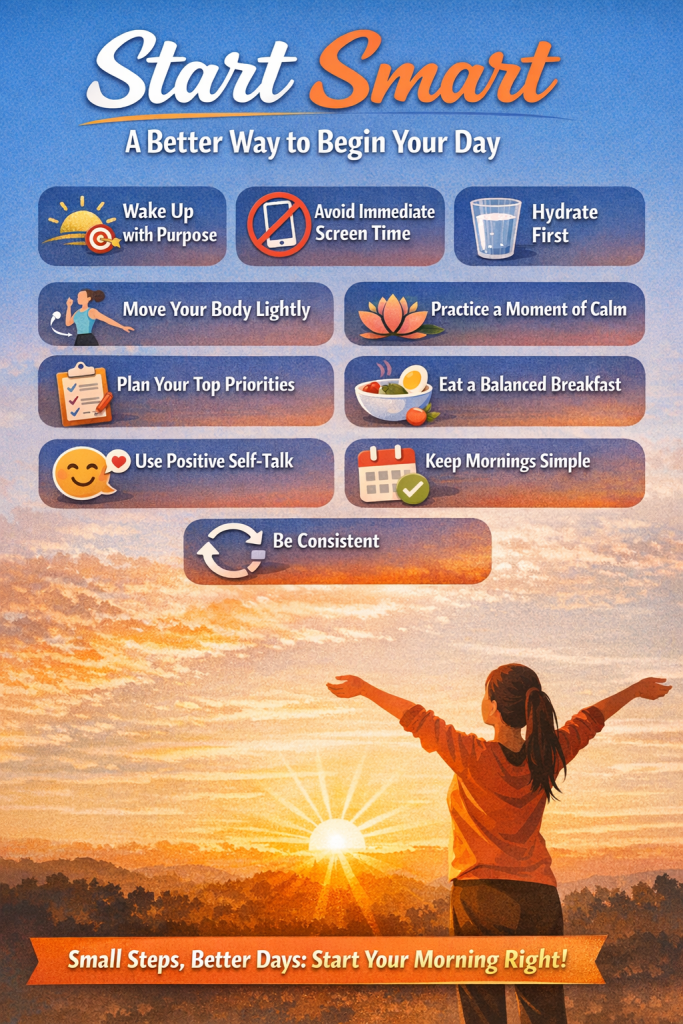
Unlocking Daylight: The Simple Magic of Waking Up Early

Introduction: Waking up early is more than just a habit; it’s a lifestyle choice that can transform the way you approach each day. Cultivating the early morning wake-up habit is like unlocking a secret door to a world of productivity, positivity, and personal growth. Let’s explore the simple points that make waking up early a game-changer.

“Early to bed and early to rise, makes a man healthy, wealthy, and wise.”Benjamin Franklin

“I never go to bed late. Not because I don’t like to stay up late, but I have to get up in the morning.”Philip Glass

1. Set a Consistent Wake-Up Time:

  • Choose a time to wake up every day and stick to it.
  • Consistency helps regulate your body’s internal clock.

2. Create a Relaxing Bedtime Routine:

  • Wind down before bed with calming activities like reading or gentle stretching.
  • A soothing bedtime routine prepares your mind and body for a good night’s sleep.

3. Place Your Alarm Away from Bed:

  • Keep your alarm clock or phone away from arm’s reach.
  • This encourages you to physically get out of bed to turn it off.

4. Open Curtains or Blinds for Natural Light:

  • Allow natural light to enter your room as soon as you wake up.
  • Sunlight signals your body that it’s time to start the day.

5. Avoid Screen Time Before Bed:

  • Limit exposure to screens at least an hour before bedtime.
  • The blue light from screens can interfere with your sleep.

6. Prepare for the Next Day:

  • Lay out clothes and organize essentials the night before.
  • This minimizes stress and makes your morning smoother.

7. Start with a Positive Morning Routine:

  • Begin your day with activities that bring joy or relaxation.
  • Whether it’s a quick stretch, a favorite hobby, or a moment of gratitude.

8. Hydrate First Thing in the Morning:

  • Drink a glass of water as soon as you wake up.
  • Re-hydrating jump-starts your metabolism and boosts alertness.

9. Avoid the Snooze Button:

  • Resist the temptation to hit the snooze button.
  • Snoozing can disrupt your sleep cycle, leaving you groggy.

10. Set Small Goals for the Morning:

Establish achievable tasks for the early hours. Accomplishing small goals builds momentum for the day.

11. Limit Stimulants Before Bed:

Reduce intake of caffeine or sugary drinks in the evening. These can interfere with quality sleep.

12. Connect with Nature:

Spend a few minutes outside, breathing in fresh air. Nature can invigorate and set a positive tone for the day.

13. Enjoy a Nutrient-Rich Breakfast:

Have a balanced breakfast with proteins, fruits, and whole grains. A nutritious breakfast fuels your body and brain.

14. Listen to Your Body’s Sleep Needs:

Pay attention to your body’s natural sleep requirements. Adequate rest is crucial for overall well-being.

15. Stay Consistent on Weekends:

Try to maintain your wake-up time even on weekends. –

Consistency reinforces your body’s natural sleep-wake cycle.

Conclusion: Embracing the early morning wake-up habit isn’t about sacrificing sleep; it’s about gaining a head start on the day. These simple points, when woven into your routine, can elevate your mornings into moments of purpose and vitality. Whether it’s enjoying a peaceful sunrise or accomplishing tasks before the world awakens, the early morning habit opens doors to a more fulfilling and balanced life. So, set your intention, set that alarm a bit earlier, and step into the quiet magic of early mornings. It’s a journey worth taking for a brighter and more energized day ahead.

Unlocking Professional Excellence: The Transformative Power of Physical Fitness

  1. Cognitive Prowess:
    • “A healthy body means a healthy mind.” – Sir Richard Branson.
    • Regular exercise enhances cognitive function, vital for effective problem-solving and decision-making.
  2. Energized Productivity:
    • “Physical fitness is the basis of dynamic intellectual activity.” – John F. Kennedy.
    • Maintaining physical vigor contributes to sustained energy levels, combating workplace fatigue.
  3. Stress Alleviation:
    • “Exercise is the most underutilized antidepressant.” – Anonymous.
    • Regular physical activity serves as a natural stress-reliever, fostering a stress-free and focused mindset.
  4. Mood Elevation and Job Satisfaction:
    • “The only bad workout is the one that didn’t happen.” – Anonymous.
    • Exercise promotes the release of mood-enhancing neurotransmitters, contributing to a positive work environment.
  5. Physical Health for Consistent Productivity:
    • “Take care of your body; it’s the only place you have to live.” – Jim Rohn.
    • Physical fitness correlates with reduced absenteeism, ensuring a consistently present and engaged workforce.
  6. Discipline and Time Management:
    • “It’s not about having time; it’s about making time.” – Anonymous.
    • Regular exercise cultivates discipline, translating into effective time management for professional success.
  7. Quality Sleep for Peak Performance:
    • “Sleep is the best meditation.” – Dalai Lama.
    • Exercise improves sleep quality, leading to alertness and effective handling of workplace challenges.

Conclusion:

  • “It is health that is real wealth and not pieces of gold and silver.” – Mahatma Gandhi.
  • The wisdom of these quotes and the embodiment of physical fitness in the lives of notable personalities underscore the profound impact on elevating work productivity. Integrating these principles into our professional lives unlocks the potential for a vibrant, resilient, and highly productive workforce.