This blog is a handy guide that helps you streamline your daily tasks, save and grow your money, and get better at handling your feelings. It’s filled with easy-to-follow advice that makes a big difference in how you work, spend, and feel. Dive into our Pioneeredge.io site for practical tips and tricks that make life smoother and more fulfilling.
Not knowing what will happen next can be more painful than facing a hard truth.
Our mind keeps searching for answers that aren’t clear yet.
2. The mind wants control
The human mind likes to plan and predict.
When life becomes uncertain, we feel lost and anxious.
We overthink and imagine the worst outcomes.
3. The unknown creates fear
We fear what we can’t see or understand.
Even bad news feels easier than waiting and wondering.
Uncertainty fills our thoughts with “what ifs.”
4. It drains emotional energy
We move between hope and worry, again and again.
It’s mentally tiring and emotionally exhausting.
The heart feels heavy because there’s no clear answer.
5. The truth brings relief
Once we know the truth, we can accept it and move forward.
Truth gives direction, while uncertainty keeps us stuck.
6. Acceptance is the key
Life will always have unknowns.
Accepting uncertainty brings peace.
Trust that time will reveal the answers when you’re ready.
7. The hidden lesson
Uncertainty teaches patience and faith.
It helps us grow stronger and more flexible.
Sometimes, not knowing is life’s way of helping us learn to let go.
Final Thought
The pain of not knowing is real, but it’s also temporary. When we stop fighting the unknown and trust the process, peace slowly finds its way back to us. 🌿
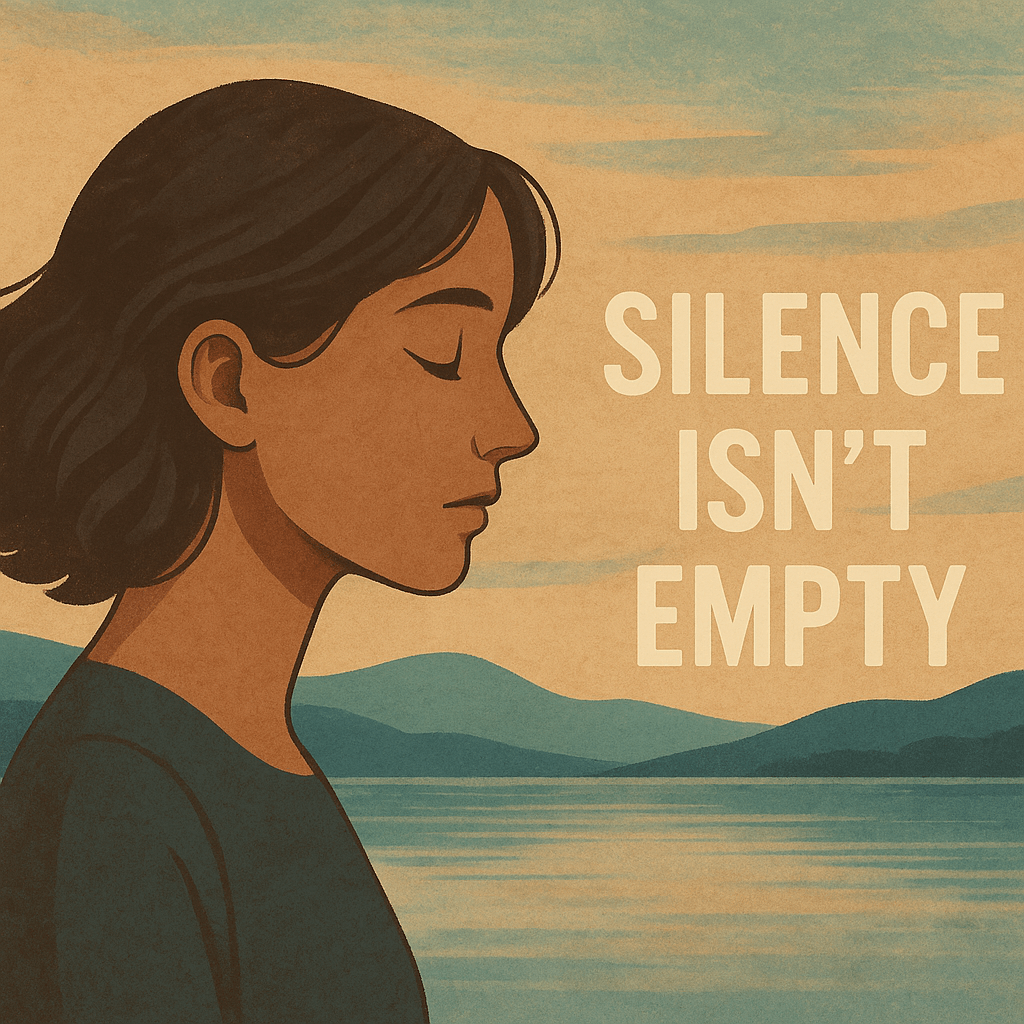
We often think of silence as just the absence of noise. But silence is much more than that. It can be a powerful tool for peace, clarity, and personal growth.
🌿 1. Silence helps you think clearly
It gives your mind space to process thoughts.
Without distractions, you can understand what’s really going on inside you.
🧠 2. Silence reduces stress
A quiet moment can calm your mind.
It helps slow down your breathing and heart rate.
🤫 3. Silence improves focus
In silence, you concentrate better.
Tasks are easier to complete without background noise.
💭 4. Silence brings inner peace
When everything around you is quiet, your thoughts settle.
You begin to feel more at ease and grounded.
🧘 5. Silence connects you with yourself
You can hear your inner voice.
It helps you understand your true feelings and desires.
🎯 6. Silence improves decision-making
Taking a silent pause before acting leads to better choices.
You avoid reacting in anger or stress.
👂 7. Silence makes you a better listener
By staying quiet, you really hear what others are saying.
It shows respect and builds stronger relationships.
💡 8. Silence sparks creativity
When the world is quiet, your imagination becomes active.
Great ideas often come during silent moments.
🙏 9. Silence brings spiritual clarity
Many spiritual traditions use silence to connect with a higher power.
It leads to deeper awareness and mindfulness.
🕊️ 10. Silence is healing
It refreshes your mind and soul.
Just a few minutes of silence a day can improve your well-being.
✨ Conclusion
Silence isn’t empty—it’s full of meaning. In a noisy world, silence is a gift. It allows you to pause, reflect, and grow. Try sitting in silence for just a few minutes each day. You’ll be surprised how much you discover—about life, and about yourself.
Life rarely goes exactly as planned. It’s a journey filled with unexpected detours, challenges, and blessings that shape who we are. Surprises, whether good or bad, are an inevitable part of this adventure. They may push us out of our comfort zones, but they also offer opportunities for growth, learning, and resilience. Instead of resisting the unexpected, embracing surprises allows us to navigate life with greater ease and optimism. After all, it’s the unexpected moments that make life exciting and memorable.
1. “Life is what happens when you’re busy making other plans.” – John Lennon
Life is unpredictable, and plans often change.
Embrace the uncertainty as an adventure rather than a challenge.
2. “Difficulties strengthen the mind, as labor does the body.” – Seneca
Unplanned events are opportunities to grow.
They push you out of your comfort zone and reveal hidden strengths.
3. “Every moment is a fresh beginning.” – T.S. Eliot
Not all surprises are negative; some bring unexpected joy.
Stay open-minded to uncover the blessings in disguise.
4. “The measure of intelligence is the ability to change.” – Albert Einstein
Adaptability helps you handle surprises effectively.
Flexibility ensures you thrive, even when plans go awry.
5. “Trust the wait. Embrace the uncertainty. Enjoy the beauty of becoming.” – Unknown
Trust the process, even when the path ahead seems unclear.
Life’s surprises often lead to beautiful destinations.
6. “Gratitude turns what we have into enough.” – Melody Beattie
Practice gratitude for both challenges and blessings.
Gratitude transforms surprises into opportunities for growth.
7. “Life is either a daring adventure or nothing at all.” – Helen Keller
Find joy in the unexpected twists and turns of life.
Treat surprises as adventures that add excitement to your journey.
8. “Do not dwell in the past, do not dream of the future, concentrate the mind on the present moment.” – Buddha
Focus on the present rather than worrying about the future.
Embrace each day with an open heart and mind.
9. “The oak fought the wind and was broken, the willow bent when it must and survived.” – Robert Jordan
Surprises build resilience by teaching you how to bounce back.
Every challenge you overcome prepares you for future adventures.
10. “The journey is the reward.” – Chinese Proverb
Life’s unpredictability makes it exciting and meaningful.
Accept surprises as part of the adventure, and cherish every moment.
By embracing life’s surprises with an open heart and a positive mindset, you allow yourself to experience the beauty of the unexpected. Remember, every twist and turn on your journey has the potential to lead you to something extraordinary.
Mental pressure, or stress, can deeply affect both our mind and body. Prolonged mental pressure often leads to physical health problems. Understanding these impacts and learning how to overcome them is key to maintaining overall well-being.
The Impact of Mental Pressure on Physical Health
Headaches and Migraines
Mental stress often causes muscle tension, leading to frequent headaches or migraines.
Weakened Immune System
Prolonged stress weakens the immune system, making the body more susceptible to colds and infections.
Heart Issues
Stress raises blood pressure and heart rate, increasing the risk of heart problems like heart disease and stroke.
Digestive Problems
Mental pressure can disrupt digestion, causing stomach issues such as bloating, indigestion, and even irritable bowel syndrome (IBS).
Sleep Disorders
Stress leads to insomnia or poor-quality sleep, leaving you feeling tired and drained.
Weight Fluctuations
Some people overeat when stressed, while others lose their appetite, causing weight gain or loss.
Muscle Tension and Pain
Stress builds tension in muscles, particularly in the neck, shoulders, and back, resulting in chronic pain.
Skin Problems
Stress can worsen skin conditions like acne, eczema, and psoriasis due to inflammation.
Fatigue and Low Energy
Ongoing stress drains energy levels, making you feel fatigued and less motivated.
How to Overcome Mental Pressure
Practice Deep Breathing
Deep breathing exercises help calm your mind and body. Taking slow, deep breaths can immediately reduce stress.
Regular Exercise
Physical activity releases endorphins, which improve mood and reduce stress. Even a short daily walk can make a difference.
Prioritize Sleep
Maintain a regular sleep schedule to ensure quality rest. Aim for 7-8 hours of sleep each night to restore energy and reduce stress.
Healthy Eating
A balanced diet helps keep your body and mind in better condition. Avoid excessive caffeine and sugar, which can heighten stress levels.
Mindfulness and Meditation
Mindfulness techniques and meditation can help you stay in the present moment and manage stress more effectively.
Time Management
Organizing your tasks and setting realistic goals can reduce the feeling of being overwhelmed and help manage stress.
Social Support
Talking to friends, family, or a counselor can relieve mental pressure. Sharing your thoughts with others provides emotional support.
Engage in Hobbies
Make time for activities you enjoy. Hobbies provide a healthy distraction and help recharge your mind.
Limit Exposure to Stress Triggers
Identify stress triggers in your life and minimize exposure to them whenever possible, such as limiting social media use or news consumption.
Practice Gratitude
Focusing on what you’re grateful for can shift your mindset from stress to positivity. This simple habit can boost your mental health.
Conclusion
Mental pressure significantly affects physical health, leading to headaches, digestive problems, heart issues, and more. By adopting healthy habits such as regular exercise, mindfulness, and time management, you can reduce mental pressure and protect your physical well-being.
Happiness is a transformative emotion that can improve our lives and positively impact those around us. Spreading happiness can create a ripple effect that fosters community, improves mental health, and enhances overall well-being.
1. The Power of a Smile
“A smile is a curve that sets everything straight.” – Phyllis Diller
Smiling is a simple yet powerful gesture.
It can uplift the mood of those around you.
Smiling releases endorphins, improving your own mood.
Encourages a chain reaction of positivity.
2. Acts of Kindness
“The best way to find yourself is to lose yourself in the service of others.” – Mahatma Gandhi
Small acts of kindness can have a profound impact.
Helping a neighbor or offering compliments spreads joy.
Volunteering time can brighten someone’s day.
Acts of kindness enhance our own sense of fulfillment.
3. Positive Attitude
“The mind is everything. What you think, you become.” – Buddha
Maintaining a positive attitude influences those around us.
Positivity can be contagious.
Focusing on the good creates a more uplifting environment.
Inspires others to remain optimistic and resilient.
4. Sharing Joy
“Happiness is not something ready-made. It comes from your own actions.” – Dalai Lama
Sharing your happiness amplifies it.
Celebrating achievements strengthens bonds.
Inviting others to enjoy happy moments spreads joy.
Creates a sense of community and shared happiness.
5. Emotional Support
“The most precious gift you can give someone is your time.” – N. R. Narayana Murthy
Providing emotional support is powerful.
Being there for someone shows you care.
Listening and offering time can uplift others.
Fosters connections and compassion in the community.
6. Gratitude and Appreciation
“Gratitude unlocks the fullness of life. It turns what we have into enough.” – Melody Beattie
Expressing gratitude enhances happiness for both parties.
Acknowledging efforts makes others feel valued.
Gratitude fosters contentment and joy.
Creates a positive and supportive environment.
7. Create Happy Environments
“The secret of happiness is not in doing what one likes, but in liking what one does.” – J.R.D. Tata
Creating happy environments is essential for well-being.
Positive environments boost productivity and creativity.
Open communication and celebrating achievements enhance happiness.
Promoting work-life balance contributes to overall joy.
Conclusion
Happiness is contagious. By spreading joy through our actions, attitudes, and words, we can create a more positive and fulfilling world. Every smile, act of kindness, and moment of gratitude contributes to a larger wave of happiness. Embrace the power of happiness and spread it far and wide.
Final Thought
“There is no way to happiness; happiness is the way.” – Thich Nhat Hanh
Spread happiness wherever you go, and watch as it multiplies!
Many of us believe that the more hours we put into our work, the more productive we will be. However, this is a misconception. Rest, including sleep and regular breaks, plays a crucial role in enhancing productivity. Here’s why rest is important and how it can significantly improve your efficiency.
1. The Role of Sleep in Productivity
a. Cognitive Function
Memory Improvement: Sleep helps consolidate memories, making it easier to recall information.
Enhanced Problem-Solving: A well-rested brain is better at solving complex problems.
Boosted Creativity: Sleep fosters creative thinking and innovation.
b. Energy Levels
Sustained Energy: Sleep replenishes energy, allowing you to be active and alert throughout the day.
Preventing Fatigue: Adequate sleep prevents daytime sleepiness and fatigue.
c. Emotional Stability
Mood Regulation: Good sleep reduces mood swings and improves emotional stability.
Better Interpersonal Relations: Emotional stability leads to more harmonious interactions with colleagues and others.
2. The Benefits of Taking Breaks
a. Enhanced Focus
Improved Concentration: Short breaks help maintain focus and attention.
Mental Refreshment: Breaks provide a mental reset, preventing cognitive overload.
b. Stress Reduction
Lower Stress Levels: Regular breaks help manage and reduce stress.
Improved Mental Health: Taking breaks can alleviate anxiety and improve overall mental health.
c. Preventing Burnout
Avoiding Exhaustion: Breaks help prevent physical and mental exhaustion.
Sustained Performance: Regular breaks ensure long-term productivity and performance.
d. Physical Health Benefits
Reduced Eye Strain: Breaks from screens reduce eye strain and headaches.
Improved Posture: Moving around during breaks helps maintain good posture and reduces muscle tension.
3. Tips to Incorporate Rest into Your Routine
a. Prioritize Sleep
Consistent Sleep Schedule: Go to bed and wake up at the same time every day.
Relaxing Bedtime Routine: Engage in calming activities before bed, such as reading or meditation.
Sleep-Friendly Environment: Ensure your bedroom is dark, quiet, and cool.
b. Schedule Regular Breaks
Pomodoro Technique: Work for 25 minutes, then take a 5-minute break.
Longer Breaks: Take a 15-30 minute break every few hours for deeper rest.
c. Use Breaks Wisely
Physical Activity: Take a walk, stretch, or do light exercises.
Relaxation: Practice deep breathing, meditate, or enjoy a hobby.
Disconnect: Avoid checking emails or social media during breaks to fully recharge.
d. Listen to Your Body
Recognize Fatigue: Take breaks when you start feeling tired or unfocused.
Stay Hydrated and Nourished: Drink water and eat healthy snacks to maintain energy levels.
e. Micro-Breaks
Brief Pauses: Take short 1-2 minute breaks to stretch or close your eyes.
Mini-Meditations: Spend a minute practicing mindfulness or deep breathing.
Conclusion
Rest is not a luxury but a necessity for maintaining high productivity levels. Adequate sleep and regular breaks are fundamental for cognitive function, energy restoration, emotional stability, focus, stress reduction, physical health, and preventing burnout. By prioritizing rest, you can enhance your productivity, improve your overall well-being, and achieve a healthier work-life balance. Remember, sometimes the most productive thing you can do is to take a break.





 Pioneer Edge