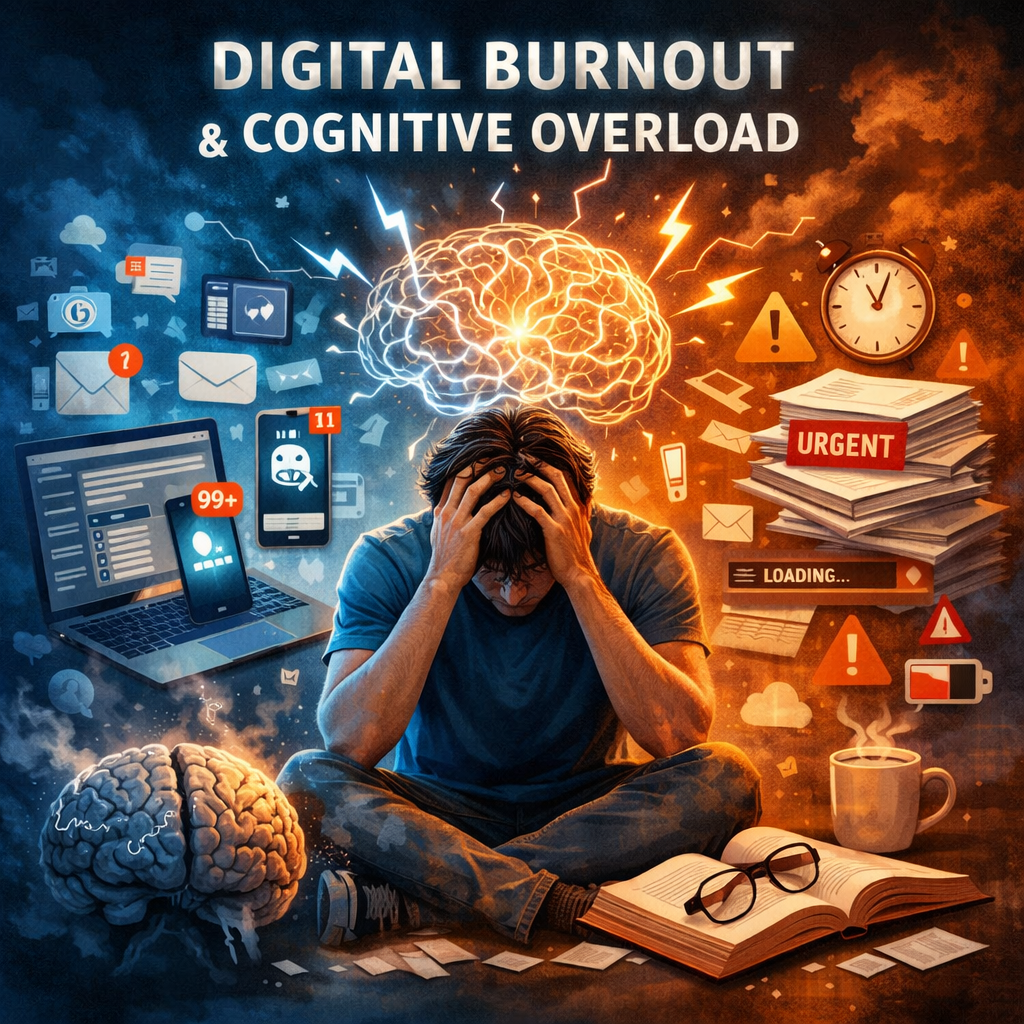
The Synergy of Mind and Body: Self-Care Practices for Total Health

The mind and body are deeply connected, and taking care of both is essential for overall well-being. Understanding and nurturing this connection is key to effective self-care.

  1. Understanding the Mind-Body Link
    • The mind and body are not separate; they influence each other constantly. Our thoughts, emotions, and mental states can affect our physical health, and vice versa.
  2. Mental Health Impacts Physical Health
    • Stress, anxiety, and depression can manifest as physical symptoms like headaches, fatigue, muscle tension, or digestive issues.
    • Positive mental states like happiness and calm can promote better immune function, improve sleep, and boost energy levels.
  3. Physical Health Influences Mental Health
    • Regular physical activity boosts mood by releasing endorphins, which reduce stress and improve mental clarity.
    • A healthy diet rich in nutrients also supports brain function, reducing feelings of anxiety or depression.
  4. Self-Care Practices that Strengthen the Mind-Body Connection
    • Exercise: Whether it’s yoga, walking, or strength training, physical activity helps release pent-up tension, reduces anxiety, and improves mood.
    • Mindfulness and Meditation: These practices center the mind, reduce stress, and help you tune in to both physical and emotional needs.
    • Adequate Sleep: A good night’s sleep recharges the body and mind, enhancing emotional stability and cognitive function.
    • Healthy Eating: A balanced diet filled with fruits, vegetables, and whole grains can improve both mood and energy levels, making it easier to manage stress.
    • Deep Breathing: Simple breathing exercises can calm the nervous system, reduce heart rate, and help in moments of stress.
  5. The Power of Positive Thinking
    • Cultivating a positive mindset can reduce the physical effects of stress, such as high blood pressure and muscle tension. Positive thoughts promote relaxation and well-being.
  6. Stress Management and Relaxation
    • Chronic stress can lead to various health issues, including digestive problems and high blood pressure. Practicing relaxation techniques like progressive muscle relaxation or guided imagery can relieve tension and improve both mental and physical health.
  7. Emotional Expression
    • Suppressing emotions can negatively affect physical health. Self-care through emotional expression, such as talking with loved ones or journaling, can release built-up emotional tension and prevent it from manifesting as physical ailments.
  8. The Importance of Self-Awareness
    • Being aware of your body’s signals—such as fatigue, tension, or pain—allows you to address your needs before they escalate into more serious issues.
  9. Self-Care for Balance
    • The key to effective self-care lies in balancing both mental and physical health. Taking time for activities that nurture your body and mind will help you achieve a holistic sense of well-being.

    Life is Not About Waiting for the Storm to Pass: A Guide to Embracing Challenges

    Life is filled with challenges and uncertainties, but rather than waiting for them to disappear, it’s essential to learn how to navigate through them. Here’s a simple guide on how to embrace life’s storms and find strength in adversity.

    1. Embrace the Present Moment

    • Accept the current situation, no matter how challenging it may be. Acknowledge your feelings and experiences without judgment.
    • Quote: “Life isn’t about waiting for the storm to pass; it’s about learning how to dance in the rain.” – Vivian Greene

    2. Practice Mindfulness

    • Mindfulness involves being fully present and engaged in the here and now. It helps you stay grounded and focused amidst chaos.
    • Tips: Practice deep breathing exercises, meditation, or mindful walking to center yourself.
    • Quote: “The present moment is the only time over which we have dominion.” – Thích Nhất Hạnh

    3. Develop Resilience

    • Resilience is the ability to bounce back from adversity. Building resilience helps you cope with stress and recover from setbacks.
    • Tips: Focus on your strengths, maintain a positive outlook, and seek support from friends and family.
    • Quote: “Do not judge me by my success, judge me by how many times I fell down and got back up again.” – Nelson Mandela

    4. Stay Positive

    • A positive mindset can transform how you perceive and react to challenges. Look for the silver lining in difficult situations.
    • Tips: Keep a gratitude journal, practice positive affirmations, and surround yourself with supportive people.
    • Quote: “Keep your face always toward the sunshine—and shadows will fall behind you.” – Walt Whitman

    5. Take Action

    • Instead of waiting for problems to resolve themselves, take proactive steps to address them. Even small actions can make a significant difference.
    • Tips: Break down large tasks into manageable steps, set realistic goals, and celebrate small victories.
    • Quote: “The best way to predict the future is to create it.” – Peter Drucker

    6. Learn and Grow

    • Every challenge is an opportunity to learn and grow. Reflect on your experiences and use them to build a better future.
    • Tips: Keep a journal of your experiences, seek feedback, and be open to new perspectives.
    • Quote: “In the middle of difficulty lies opportunity.” – Albert Einstein

    7. Seek Support

    • You don’t have to face storms alone. Reach out for support from friends, family, or professionals.
    • Tips: Join support groups, talk to a therapist, or simply share your feelings with a trusted friend.
    • Quote: “We rise by lifting others.” – Robert Ingersoll

    8. Focus on What You Can Control

    • Focus your energy on the aspects of your life that you can influence and let go of what you cannot.
    • Tips: Make a list of things you can control, prioritize your actions, and practice letting go of worry.
    • Quote: “You may not control all the events that happen to you, but you can decide not to be reduced by them.” – Maya Angelou

    Conclusion

    Embracing life’s challenges and learning to navigate through them is essential for personal growth and happiness. By staying present, practicing mindfulness, and maintaining a positive attitude, you can dance in the rain and find joy amidst the storms.