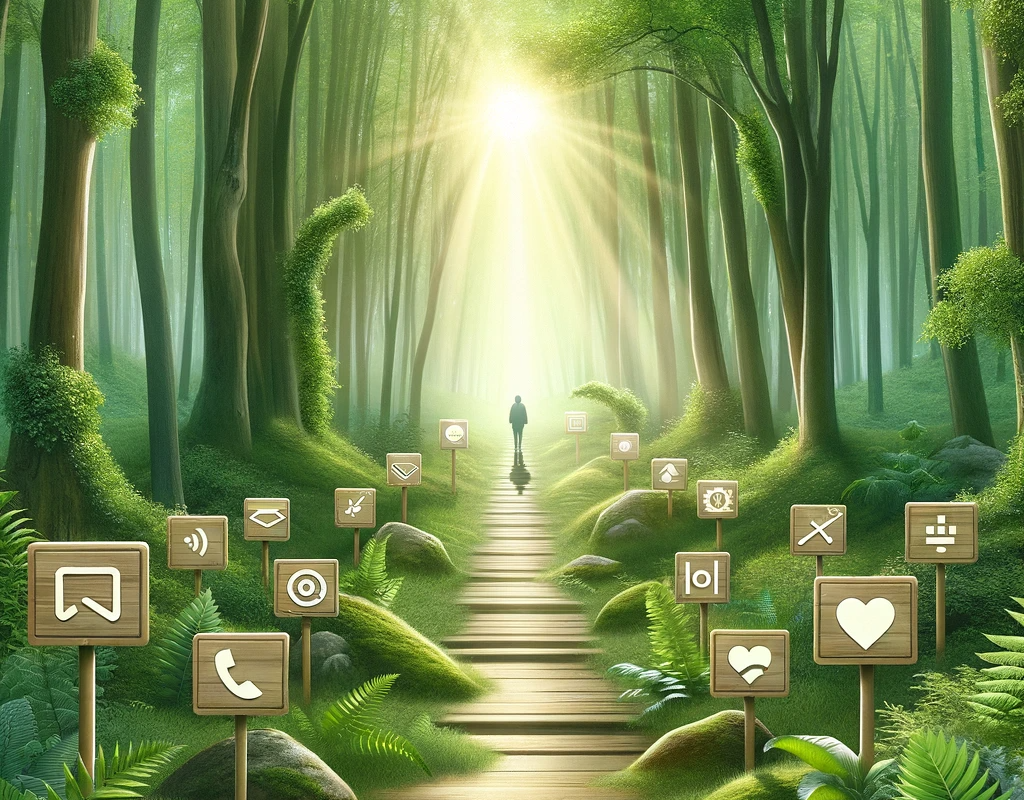
Decoding Emotional Intelligence: Fresh Insights from Science and Notable Personalities

Neuroscience of Emotional Intelligence:

    • “Emotional intelligence is not just a buzzword; it’s backed by science. Studies show that the brain regions associated with empathy, self-awareness, and emotional regulation are keys to understand emotional intelligence.” – Daniel Goleman
    • “The mind is everything. What you think, you become.” – Buddha
    1. Emotional Intelligence and Mental Health:
    • “Our emotional intelligence impacts our mental health profoundly. Developing resilience and self-awareness can help us navigate life’s challenges with greater ease and grace.” – Deepak Chopra
    • “You, yourself, as much as anybody in the entire universe, deserve your love and affection.” – Buddha
    1. EI in Leadership and Work Performance:
    • “Leadership is not about being in charge. It’s about taking care of those in your charge. Emotional intelligence is the key to effective leadership and high-performing teams.” – Simon Sinek
    • “The only way to do great work is to love what you do.” – Steve Jobs
    1. Cultivating Emotional Intelligence:
    • “Mindfulness meditation and empathy training are powerful tools for cultivating emotional intelligence. By practicing self-awareness and empathy, we can enhance our relationships and well-being.” – Brené Brown
    • “The greatest glory in living lies not in never falling, but in rising every time we fall.” – Nelson Mandela

    Conclusion:
    As these quotes from influential figures demonstrate, emotional intelligence is not only supported by science but also embodies timeless wisdom. By embracing the principles of emotional intelligence and incorporating them into our lives, we can enhance our mental health, leadership abilities, and overall success. Let us remember that the journey to unlocking the power of emotional intelligence begins with self-awareness, empathy, and a commitment to continuous growth and development.

    Mastering Stress: Recognizing Stressors and Embracing Remedies

    1. Stress:

    • Stress is a complex physiological and psychological response that occurs when individuals perceive threats, challenges, or demands in their environment.
    • This response triggers the body’s “fight or flight” mechanism, activating various systems such as the nervous, endocrine, and immune systems to prepare for action.
    • While stress is a natural and adaptive response, chronic or excessive stress can have detrimental effects on physical health, mental well-being, and overall quality of life.

    2. Recognizing Stressors:

    • Stressors are external factors, events, or situations that provoke stress reactions in individuals.
    • They can vary widely in nature and can include work-related pressures (e.g., deadlines, workload), financial concerns (e.g., debt, financial instability), relationship dynamics (e.g., conflicts, communication breakdowns), health issues, major life changes (e.g., relocation, job loss), and environmental factors (e.g., noise, pollution).
    • Identifying stressors is essential for understanding the sources of stress and developing effective coping strategies.

    Examples of Stressors and Remedies:

    • Work-related Stress:
      • Excessive workload, tight deadlines, and high job demands can lead to stress and burnout.
      • Remedies may include time management techniques, setting realistic goals, delegating tasks, seeking support from colleagues or supervisors, and establishing work-life balance boundaries.
    • Financial Stress:
      • Financial difficulties, debt, and economic uncertainty can cause significant stress and anxiety.
      • Remedies may include creating a budget, seeking financial counseling or assistance, exploring additional income opportunities, and practicing frugality and financial planning.
    • Relationship Strain:
      • Conflict, misunderstandings, and interpersonal tensions in relationships can contribute to stress.
      • Remedies may include open and honest communication, seeking couples counseling or therapy, practicing empathy and active listening, setting boundaries, and nurturing positive aspects of the relationship.

    3. Effective Remedies for Stress:

    • While stress cannot be entirely avoided, individuals can adopt various strategies to manage and reduce its impact:
    • Mindfulness and Meditation:
      • Mindfulness practices, such as meditation, deep breathing exercises, and mindfulness-based stress reduction (MBSR) techniques, can help individuals cultivate awareness, focus, and relaxation, leading to reduced stress levels and increased resilience.
    • Regular Exercise:
      • Engaging in physical activity, such as aerobic exercises, strength training, yoga, or tai chi, releases endorphins (natural mood elevators), reduces cortisol levels (stress hormone), improves sleep quality, and enhances overall physical and mental well-being.
    • Social Support:
      • Building and maintaining supportive relationships with friends, family members, peers, or support groups provides emotional comfort, encouragement, and practical assistance during challenging times, buffering the negative effects of stress and promoting psychological resilience.

    Conclusion:

    • Stress is an inevitable aspect of life, but individuals can take proactive steps to manage and cope with stress effectively.
    • By recognizing stressors, implementing practical remedies, and seeking support when needed, individuals can enhance their ability to adapt to stressors, promote well-being, and lead fulfilling lives.
    • Ultimately, developing resilience and adopting healthy coping mechanisms are essential for navigating life’s challenges with strength, optimism, and resilience.

    Cultivating Wellness: Embracing the Vitality of Mental Health in Daily Living

    In a world constantly in motion, where physical health often takes center stage, the significance of mental well-being can sometimes be overshadowed. However, recent experiences have brought to light the essential need to prioritize our mental health. Let’s delve into why mental health is imperative, supported by more detailed real-life quotes and instances.

    1. Recognizing the Impact:

    • “Mental health is a journey, not a destination. It’s about the way you drive, not where you’re going.” – Noam Shpancer
    • Exploration: Understanding that mental health is a continuous journey implies that it’s not a fixed state but a dynamic process. This realization empowers individuals to navigate challenges, emphasizing the importance of self-discovery and growth on the path to well-being.

    2. Dismantling Stigmas:

    • “The only journey is the journey within.” – Rainer Maria Rilke
    • Exposition: Influencers like Demi Lovato, who openly share their mental health struggles, contribute significantly to dismantling stigmas. By embracing their inner journey and vulnerability, they inspire others to break free from societal expectations and seek help without the fear of judgment.

    3. Adapting to Life’s Uncertainties:

    • “Life is what happens when you’re busy making other plans.” – Allen Saunders
    • Clarification: The unpredictability of life, as demonstrated by the COVID-19 pandemic, underscores the need for mental resilience. Individuals are challenged to adapt and cope with unforeseen circumstances, highlighting the importance of mental strength in navigating life’s unpredictable twists and turns.

    4. Achieving Balance:

    • “Your calm mind is the ultimate weapon against your challenges.” – Bryant McGill
    • Elucidation: Figures like Elon Musk emphasizing the importance of maintaining a calm mind showcase the connection between mental well-being and achieving success. A serene and focused mind becomes a powerful tool in overcoming challenges, promoting not just success but sustainable and balanced achievements.

    5. Nurturing Relationships:

    • “You can’t pour from an empty cup. Take care of yourself first.” – Eleanor Brownn
    • Illustration: The wisdom in this quote is reflected in the experiences of caregivers who, by prioritizing their mental health, can provide better support to their loved ones. It emphasizes the symbiotic relationship between self-care and the ability to contribute meaningfully to the well-being of others.

    6. Workplace Wellness:

    • “Mental health is fundamental to the health of the business.” – Richard Branson
    • Elaboration: Progressive companies like Google actively promoting employee well-being recognize that a mentally healthy workforce is the bedrock of increased productivity and creativity. By investing in mental health initiatives, organizations create a positive and thriving work environment that benefits both employees and the business.

    7. Mind-Body Connection:

    • “The body achieves what the mind believes.” – Jim Evans
    • Amplification: Athletes like Simone Biles highlighting the inseparable link between mental and physical health emphasize the need for a holistic approach to well-being. This goes beyond mere physical prowess, acknowledging that mental resilience is a catalyst for unlocking the full potential of the body.

    8. Mindfulness Matters:

    • “The best way to capture moments is to pay attention.” – Jon Kabat-Zinn
    • Elucidation: The practice of mindfulness, endorsed by figures like Oprah Winfrey, underscores the importance of being present and cultivating mental resilience. By paying attention to the current moment, individuals can better manage stress, enhance focus, and foster a deeper connection with their inner selves.

    9. Seeking Professional Support:

    • “It’s okay not to be okay as long as you are not giving up.” – Karen Salmansohn
    • Exposition: The courage of individuals like Prince Harry sharing their struggles fosters a culture where seeking professional help is viewed as a sign of strength. This shift in perception encourages others to acknowledge their vulnerabilities, seek assistance, and embark on a journey of healing and growth.

    10. Community Solidarity:

    • “Alone, we can do so little; together, we can do so much.” – Helen Keller
    • Illustration: Online communities and support groups provide a space for individuals, such as those affected by mental health challenges, to connect, share experiences, and find solidarity. This communal support becomes a powerful force, emphasizing the collective strength that arises when individuals come together to navigate their mental health journeys.

    In conclusion, these more detailed real-life quotes and examples underscore the necessity of prioritizing mental health. It’s not just about addressing mental illness; it’s about fostering a culture that recognizes mental well-being as a dynamic and continuous requirement for a fulfilling and resilient life. As we embrace this understanding, let us collectively champion mental health, breaking down barriers, and supporting one another on the journey to well-being.

    Balancing Emotions for Mental Wellness: A Practical Guide

    Quotes from Famous Personalities:

    1. Daniel Goleman, Author of Emotional Intelligence:“In a very real sense, we have two minds, one that thinks and one that feels.”
    2. Brene Brown, Researcher and Author:“Vulnerability is not winning or losing; it’s having the courage to show up and be seen when we have no control over the outcome.”
    3. Dalai Lama:“The more you are motivated by love, the more fearless and free your actions will be.”

    Introduction: In our fast-paced world, the importance of mental health and emotional well-being is gaining recognition. One key factor that significantly influences mental health is emotional intelligence (EI). Understanding the connection between emotional intelligence and mental health can empower individuals to cultivate a healthier and more resilient mindset.

    The Basics of Emotional Intelligence: Emotional intelligence involves recognizing, understanding, and managing one’s own emotions, as well as being attuned to the emotions of others. This skill set plays a crucial role in shaping how we navigate life’s challenges and maintain mental well-being.

    The Impact on Mental Health:

    1. Reducing Stress: High emotional intelligence enables better stress management by recognizing and addressing stressors effectively.
    2. Building Resilience: Individuals with strong EI are better equipped to bounce back from setbacks and cope with adversity.
    3. Enhancing Relationships: Improved interpersonal skills contribute to healthier connections, reducing feelings of isolation and loneliness.
    4. Emotion Regulation: Understanding and regulating emotions helps prevent the negative impact of prolonged periods of emotional distress.
    5. Self-Awareness: Recognizing and understanding one’s own emotions is a fundamental aspect of emotional intelligence, providing the foundation for effective self-care.

    Real-Life Activities to Boost Emotional Intelligence and Mental Health:

    1. Daily Journaling:
      • Reflect on your emotions and identify patterns.
      • Note positive experiences to cultivate gratitude.
    2. Mindfulness Meditation:
      • Practice mindfulness to stay present and manage stress.
      • Focus on your breath and observe your emotions without judgment.
    3. Empathy Exercises:
      • Engage in active listening during conversations.
      • Put yourself in others’ shoes to understand their perspectives.
    4. Stress-Relief Techniques:
      • Learn and practice stress-relief techniques like deep breathing or progressive muscle relaxation.
      • Create a personalized relaxation routine to unwind after challenging days.
    5. Positive Affirmations:
      • Develop a list of positive affirmations.
      • Repeat these affirmations daily to promote a positive self-image.
    6. Conflict Resolution Practice:
      • Work on resolving conflicts calmly and constructively.
      • Seek compromise and focus on finding solutions rather than dwelling on problems.
    7. Social Connection Building:
      • Foster meaningful connections with friends and family.
      • Engage in social activities that bring joy and a sense of belonging.
    8. Goal Setting and Planning:
      • Set realistic goals to create a sense of purpose.
      • Develop a plan to achieve these goals, breaking them into manageable steps.
    9. Physical Exercise:
      • Regular physical activity is linked to improved mood and reduced stress.
      • Choose activities that you enjoy to make exercise a positive experience.

    Conclusion: In conclusion, nurturing emotional intelligence is a powerful tool for safeguarding mental health. By incorporating these real-life activities into our daily routines, we can enhance our emotional intelligence, paving the way for improved mental well-being and a more fulfilling life. Understanding and developing emotional intelligence is an ongoing process, and small, consistent efforts can yield significant positive results over time.

    Digital Harmony: Your Essential Detox Guide

    Introduction: In our fast-paced digital era, maintaining mental well-being has become increasingly challenging. Recognizing the need for a digital detox is essential, as intentionally disconnecting from screens holds the promise of reducing stress and fostering a healthier lifestyle. If the demands of the digital world have left you feeling overwhelmed, consider these straightforward steps to embark on a digital detox journey.

    1. Evaluate Your Digital Habits:

    1.1 Reflect on the time spent on devices, social media, and apps.

    1.2 Identify specific activities that dominate your screen time, pinpointing potential areas for improvement.

    2. Set Achievable Goals:

    2.1 Define the duration and scope of your digital detox realistically.

    2.2 Align your goals with your lifestyle to ensure they are attainable and sustainable.

    3. Craft a Detox Plan:

    3.1 Strategize your detox period and communicate your decision to others.

    3.2 Establish clear boundaries, such as turning off non-essential notifications, to create a conducive environment.

    4. Establish Tech-Free Zones:

    4.1 Designate specific areas where digital devices are off-limits.

    4.2 Foster spaces that encourage genuine interpersonal connections, enhancing overall well-being.

    5. Discover Offline Pursuits:

    5.1 Compile a diverse list of screen-free activities to explore.

    5.2 Rediscover forgotten hobbies, delve into a captivating book, or spend quality time with friends and family.

    6. Institute a Screen Curfew:

    6.1 Set a dedicated time to power down devices each day.

    6.2 Implementing a screen curfew signals to your brain that it’s time to unwind, contributing to improved sleep quality.

    7. Embrace Mindfulness and Meditation:

    7.1 Utilize the time freed from digital distractions for mindfulness and meditation practices.

    7.2 These activities not only reduce stress but also enhance focus and mindfulness during your detox.

    8. Digital De-clutter:

    8.1 Streamline your digital space by removing unnecessary apps and organizing files.

    8.2 Unsubscribe from irrelevant email lists, contributing to a cleaner and more efficient digital environment.

    9. Reflect and Journal:

    9.1 Utilize the detox period for self-reflection and introspection.

    9.2 Keep a journal to document your thoughts, emotions, and valuable insights gained during the detox process.

    10. Reintegrate Gradually:

    10.1 Gradually reintroduce digital devices after the detox period.

    10.2 Evaluate essential aspects of your digital life and consider implementing long-term changes based on the lessons learned.

    Conclusion: Embarking on a digital detox journey is a proactive step toward finding a healthy balance in our tech-dominated world. By following these simple yet effective steps, you can not only recharge your mind but also gain a fresh perspective on life, fostering a more mindful and fulfilling digital existence. Remember, the journey toward balance is ongoing, and these adjustments can contribute to sustained well-being in the digital age.