Why ‘Good Enough’ Is the New Perfect

1. Perfection Is Exhausting

  • Striving for perfection drains time, energy, and mental peace.
  • People are realizing that chasing flawless results often leads to burnout, not happiness.

2. Progress Matters More Than Perfection

  • Taking action, even if it’s not perfect, moves you forward.
  • Small, consistent steps lead to bigger results over time.

3. Good Enough Saves Time

  • Perfecting every detail wastes valuable hours.
  • “Good enough” allows faster decision-making and quicker progress.

4. Perfection Is Often an Illusion

  • What feels perfect to one person might not to another.
  • Standards constantly change, making it impossible to please everyone.

5. Good Enough Encourages Innovation

  • When you stop fearing mistakes, you’re more willing to try new ideas.
  • Creativity flows better when you’re not stuck in a perfectionist mindset.

6. Real Success Comes from Adaptability

  • In today’s fast-moving world, flexibility is more important than flawlessness.
  • Those who adjust and move forward quickly win, not those who wait to be perfect.

7. It Improves Mental Health

  • Accepting “good enough” reduces anxiety, self-doubt, and stress.
  • It promotes a healthier relationship with yourself and your work.

8. Good Enough Builds Confidence

  • Finishing tasks (even imperfectly) builds momentum and belief in yourself.
  • You learn, grow, and improve with each completed effort.

9. The World Appreciates Authenticity, Not Perfection

  • People connect more with genuine efforts and honest mistakes.
  • Authentic work is often more inspiring than something that appears flawlessly staged.

10. Good Enough Is Sustainable

  • It’s a mindset you can maintain for the long term.
  • You stay productive, creative, and balanced without burning out.

🌟 Final Thought:

“Good enough” doesn’t mean careless. It means knowing when something is strong enough to serve its purpose — and trusting that it’s better to be real and done than stuck chasing an impossible perfect.

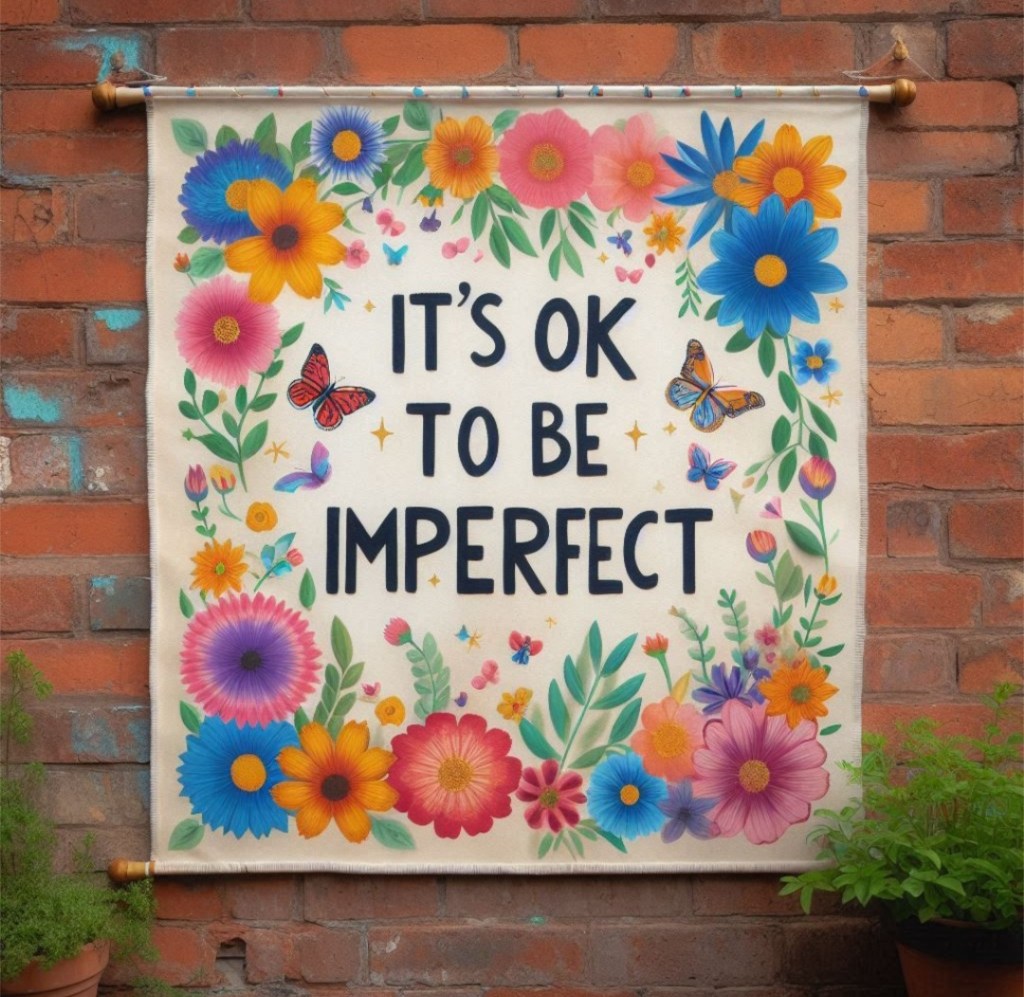
It’s Perfectly Okay to Be Imperfect

In a world that often glorifies perfection, embracing our imperfections can be a liberating and empowering experience. Here are some simple, realistic points that highlight why it’s perfectly okay to be imperfect:

1. Embrace Your Authentic Self

  • Realness Over Perfection: Embracing your imperfections allows you to be true to yourself, fostering deeper connections with others.
  • Unique Stories: Our flaws and imperfections tell our personal stories. They shape who we are and make us unique.

2. Learn and Grow

  • Mistakes as Learning Opportunities: Imperfections often come with valuable lessons. Each mistake is a chance to learn and grow, paving the way for personal development.
  • Resilience: Facing and accepting our flaws builds resilience. Overcoming challenges strengthens our character and helps us handle future setbacks more gracefully.

3. Redefine Success

  • Flawed Yet Thriving: Success doesn’t require perfection. Many successful people have faced failures and setbacks, proving that it’s our efforts and perseverance that count.
  • Setting Realistic Goals: Instead of aiming for perfection, set realistic and achievable goals. This shift in mindset leads to more sustainable success and happiness.

4. Connect with Others

  • Shared Imperfections: When we openly share our imperfections, we invite others to do the same. This creates a supportive environment where everyone feels safe to express their true selves.
  • Building Empathy: Recognizing that everyone has flaws fosters empathy and compassion, allowing us to connect more deeply with those around us.

5. Practice Self-Compassion

  • Be Kind to Yourself: Treat yourself with the same kindness and understanding that you would offer a friend. Accepting your imperfections is a form of self-love.
  • Mindfulness: Practicing mindfulness helps us stay present and appreciate ourselves as we are, rather than how we think we should be.

6. Challenge Perfectionism

  • Letting Go of High Standards: Perfectionism can be paralyzing. Challenge the notion that you must meet impossibly high standards to be worthy or successful.
  • Celebrate Progress: Focus on the progress you make rather than the end result. Celebrate small victories and the steps you take towards your goals.

7. Shift Your Perspective

  • View Imperfections as Strengths: Sometimes, our flaws can become our greatest assets. They can inspire creativity, innovation, and problem-solving.
  • A Different Lens: Try to view imperfections as a natural part of life, not something to be ashamed of. This perspective shift can lead to greater acceptance and peace.

Conclusion

Embracing imperfection is a journey, not a destination. It takes time and practice to shift our mindset, but the benefits are profound. By accepting our flaws, we open ourselves up to authenticity, growth, connection, and joy. Remember, it’s perfectly okay to be imperfect—after all, that’s what makes us human.