🔍 How to Focus and Avoid Distractions

Distractions are everywhere, from buzzing phones to random thoughts. Here’s how to stay focused and productive:


✅ 1. Set Clear Goals

  • Know what you need to achieve.
  • Break big tasks into smaller, manageable steps.
  • Write down your to-do list daily.

✅ 2. Create a Distraction-Free Zone

  • Turn off notifications.
  • Keep your phone out of reach.
  • Use noise-canceling headphones or calming background music.

✅ 3. Use Time Blocks

  • Try the Pomodoro Technique (25 mins work, 5 mins break).
  • Schedule breaks to avoid burnout.
  • Focus on one task per block.

✅ 4. Declutter Your Workspace

  • Keep only the essentials on your desk.
  • A clean space helps you think clearly.
  • Organize digitally too — clear your desktop!

✅ 5. Avoid Multitasking

  • Focus on one thing at a time.
  • Multitasking reduces accuracy and slows you down.

✅ 6. Train Your Brain

  • Practice mindfulness or meditation.
  • Try brain games or puzzles to improve attention span.

✅ 7. Get Enough Sleep

  • Poor sleep = poor focus.
  • Aim for 7–8 hours of quality rest each night.

✅ 8. Fuel Your Body

  • Stay hydrated.
  • Eat brain-friendly snacks like nuts, fruits, and dark chocolate.

✅ 9. Review and Reflect

  • At the end of the day, review what you did.
  • Celebrate progress and adjust goals if needed.

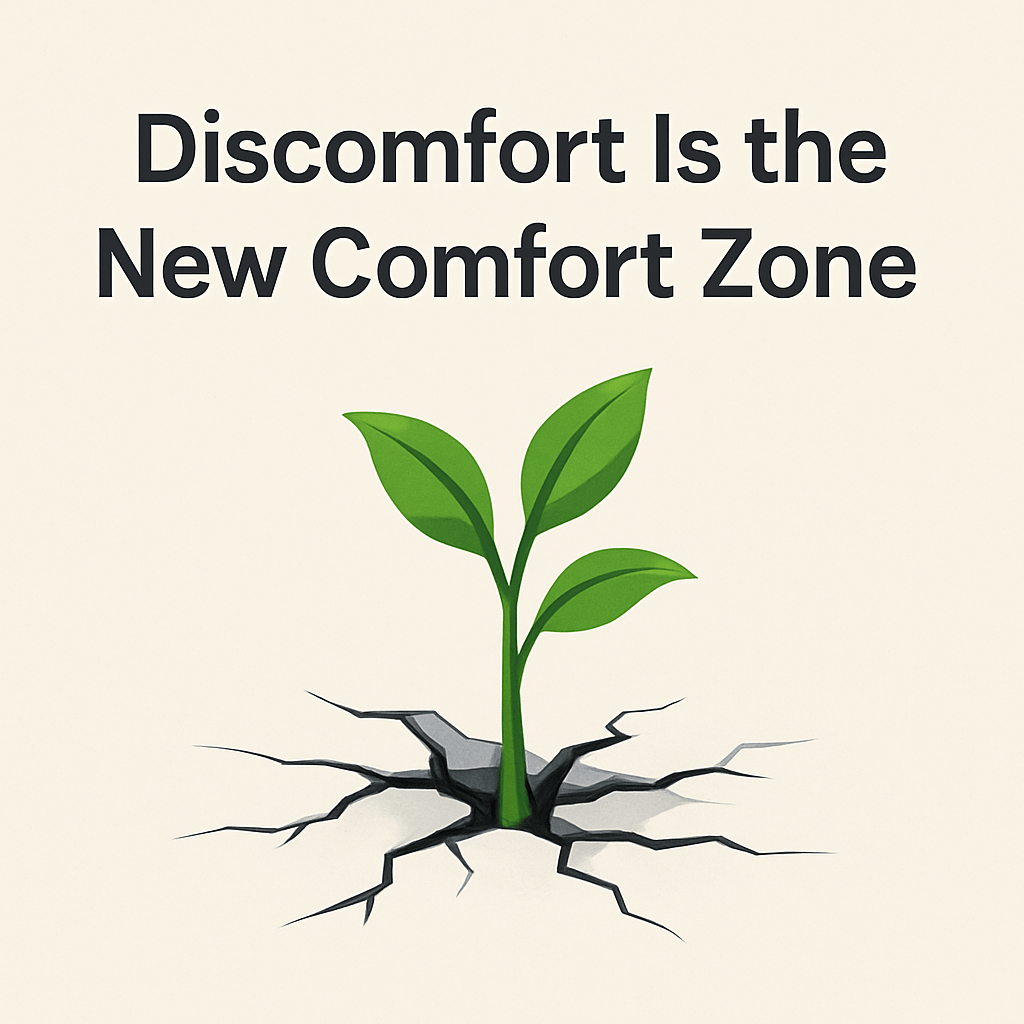
🌱 Discomfort Is the New Comfort Zone

🔹 Introduction:

In today’s fast and ever-evolving world, growth begins where comfort ends. What used to feel “safe” and “predictable” often leads to stagnation. The new-age mindset says it loud and clear:

“If it doesn’t challenge you, it won’t change you.” – Fred DeVito


🔹 Why Discomfort Should Be Welcomed:

  1. Discomfort sparks growth.
    When you face new challenges, your brain and character evolve. “Life begins at the end of your comfort zone.” – Neale Donald Walsch
  2. Comfort zones breed fear of change.
    Staying safe often means missing opportunities. “Don’t fear failure. Fear being in the same place next year.”
  3. Every breakthrough starts with uncertainty.
    The best ideas and personal revolutions happen in moments of doubt. “Growth is uncomfortable because you’ve never been here before.”
  4. Discomfort builds resilience.
    Facing new experiences strengthens your mental muscles. “Pain is temporary. Quitting lasts forever.” – Lance Armstrong
  5. You stop surviving and start thriving.
    Stepping into discomfort turns potential into progress. “Get comfortable with being uncomfortable.” – Jillian Michaels

🔹 Examples of Productive Discomfort:

  • Speaking in public for the first time.
  • Starting a business or switching careers.
  • Saying “no” when you’re used to pleasing others.
  • Waking up early for your goals.
  • Having difficult but honest conversations.

🔹 How to Embrace Discomfort:

✅ Start small – take micro-risks daily.
✅ Reframe discomfort as a teacher, not a threat.
✅ Reflect regularly – see how far you’ve come.
✅ Surround yourself with people who push you.

“Discomfort is a sign that you’re on the right path.”


🔹 Final Thought:

Discomfort isn’t a punishment — it’s a signal that you’re evolving. The more you stretch yourself, the more powerful and authentic your life becomes.

“Your comfort zone is beautiful, but nothing ever grows there.”

Why ‘Good Enough’ Is the New Perfect

1. Perfection Is Exhausting

  • Striving for perfection drains time, energy, and mental peace.
  • People are realizing that chasing flawless results often leads to burnout, not happiness.

2. Progress Matters More Than Perfection

  • Taking action, even if it’s not perfect, moves you forward.
  • Small, consistent steps lead to bigger results over time.

3. Good Enough Saves Time

  • Perfecting every detail wastes valuable hours.
  • “Good enough” allows faster decision-making and quicker progress.

4. Perfection Is Often an Illusion

  • What feels perfect to one person might not to another.
  • Standards constantly change, making it impossible to please everyone.

5. Good Enough Encourages Innovation

  • When you stop fearing mistakes, you’re more willing to try new ideas.
  • Creativity flows better when you’re not stuck in a perfectionist mindset.

6. Real Success Comes from Adaptability

  • In today’s fast-moving world, flexibility is more important than flawlessness.
  • Those who adjust and move forward quickly win, not those who wait to be perfect.

7. It Improves Mental Health

  • Accepting “good enough” reduces anxiety, self-doubt, and stress.
  • It promotes a healthier relationship with yourself and your work.

8. Good Enough Builds Confidence

  • Finishing tasks (even imperfectly) builds momentum and belief in yourself.
  • You learn, grow, and improve with each completed effort.

9. The World Appreciates Authenticity, Not Perfection

  • People connect more with genuine efforts and honest mistakes.
  • Authentic work is often more inspiring than something that appears flawlessly staged.

10. Good Enough Is Sustainable

  • It’s a mindset you can maintain for the long term.
  • You stay productive, creative, and balanced without burning out.

🌟 Final Thought:

“Good enough” doesn’t mean careless. It means knowing when something is strong enough to serve its purpose — and trusting that it’s better to be real and done than stuck chasing an impossible perfect.

Rest Is Productive: Rewriting the Burnout Narrative

1. Society Glorifies Hustle Too Much

  • We are often taught that working non-stop means success.
  • But constant hustle leads to burnout, not greatness.

2. Rest Is Not Laziness

  • Taking breaks is not wasting time.
  • It is an essential part of staying healthy and productive.

3. Your Brain Needs Time to Recharge

  • Just like your phone needs charging, your brain also needs rest.
  • Regular breaks improve focus, creativity, and decision-making.

4. Quality Matters More Than Quantity

  • Working 8 straight hours without a break can lower the quality of your work.
  • Short, focused working periods with proper rest create better results.

5. Rest Helps You Solve Problems Better

  • Many great ideas come during moments of relaxation.
  • Resting allows your subconscious mind to work on challenges in the background.

6. Burnout Is a Real Threat

  • Ignoring the need for rest can lead to emotional exhaustion, low energy, and health problems.
  • Prevention is better than cure: small daily breaks are better than big recovery periods later.

7. Redefining Success Includes Well-being

  • True success includes happiness, health, and inner peace.
  • Rest is part of a balanced, meaningful life—not a break from it.

8. Practical Ways to Rest Productively

  • Take a 5-minute break every hour.
  • Get enough sleep (7-8 hours a night).
  • Go for short walks without your phone.
  • Practice deep breathing or meditation.
  • Spend time on hobbies you enjoy.

9. Final Thought: Rest Is a Power Move

  • Rest is not a weakness; it is a strategy.
  • Protecting your energy makes you stronger and more effective in everything you do.

Practical Ways to Manage Anger and Frustration in Daily Life

Anger and frustration are natural emotions, but how we manage them makes all the difference. Controlling these emotions can help improve relationships, mental well-being, and overall quality of life. Here are simple, practical tips to help you manage anger and frustration in real-life situations.


1. Take Deep Breaths

  • When you feel anger rising, pause and take slow, deep breaths.
  • Deep breathing helps relax the mind and body by lowering your heart rate.
  • Inhale deeply through your nose, hold for a few seconds, then exhale slowly through your mouth.

2. Count to 10

  • Before reacting, count slowly to 10.
  • This gives you a moment to collect your thoughts and prevents immediate, impulsive reactions.
  • If needed, count higher or walk away until you calm down.

3. Use Positive Self-Talk

  • Replace negative thoughts with calming, positive statements like:
    • “I can handle this.”
    • “Stay calm, this will pass.”
  • Positive self-talk helps shift your mindset from anger to problem-solving.

4. Identify Triggers

  • Recognize the situations or people that trigger your anger.
  • Avoid these triggers if possible, or plan ahead on how to react more calmly when faced with them.

5. Take a Break

  • Stepping away from a heated situation can prevent it from escalating.
  • A short walk, listening to music, or a brief distraction can give you a fresh perspective and cool down your emotions.

6. Practice Empathy

  • Try to understand the other person’s perspective. This can reduce anger by shifting focus from blame to understanding.
  • Ask yourself: “What is the other person feeling? Why are they acting this way?”

7. Channel Energy Productively

  • Engage in physical activities like exercise, walking, or even cleaning when frustrated.
  • Physical activity releases tension and redirects your energy in a positive way.

8. Express Yourself Calmly

  • Once you’ve calmed down, express your feelings clearly and respectfully.
  • Use “I” statements to avoid sounding accusatory, such as, “I feel upset when…”

9. Solve the Problem

  • Instead of focusing on your anger, work towards finding a solution to the problem.
  • Break down the issue into manageable steps, and focus on what you can control.

10. Practice Gratitude

  • Regularly reflecting on the things you are grateful for can reduce overall frustration and improve your mood.
  • Start or end your day by listing things you appreciate, helping to foster a positive outlook.

Final Thoughts

Learning to manage anger and frustration takes practice, but these simple strategies can help you handle challenging situations more calmly and effectively. Remember, it’s not about suppressing your emotions but managing them in a way that leads to positive outcomes for yourself and others.