🌿 Visualization Exercises for Mental Relaxation

Life often feels heavy with worries and endless tasks. One gentle way to relax the mind is through visualization exercises—using the power of imagination to create peaceful mental images.


🌸 What is Visualization?

  • Visualization is a mental technique where you picture calming scenes, places, or experiences in your mind.
  • It helps your brain and body feel as if you are truly there, creating relaxation.
  • Simple, safe, and can be practiced anywhere.

“The mind is everything. What you think, you become.” – Buddha


🌊 Simple Visualization Exercises

  1. Peaceful Beach Scene
    • Close your eyes and imagine waves gently washing the shore.
    • Feel the breeze, hear the waves, and sense the warmth of the sun.
    • Stay in this image for 2–3 minutes.
  2. Forest Walk
    • Picture yourself walking on a soft forest path.
    • Hear birds singing, smell fresh earth, and feel calm with every step.
    • Let the greenery soothe your mind.
  3. Light and Energy Visualization
    • Imagine a warm golden light above your head.
    • Slowly let it flow through your body, melting away stress.
    • Feel lighter and more refreshed.
  4. Safe Place Technique
    • Create a mental image of a place where you feel completely safe.
    • It could be a childhood home, a mountain cabin, or even a dream space.
    • Visit this place in your mind whenever you feel anxious.

“Imagination is the beginning of creation.” – George Bernard Shaw


🌼 Benefits of Visualization

  • Reduces stress and anxiety.
  • Improves focus and mental clarity.
  • Creates a sense of inner peace and balance.
  • Helps the body feel physically relaxed.

“Your calm mind is the ultimate weapon against your challenges.” – Bryant McGill


🌙 Final Thought

Visualization is like giving your mind a mini-vacation. Just a few minutes daily can restore calm, energy, and clarity. Close your eyes, breathe deeply, and paint a peaceful picture in your mind.

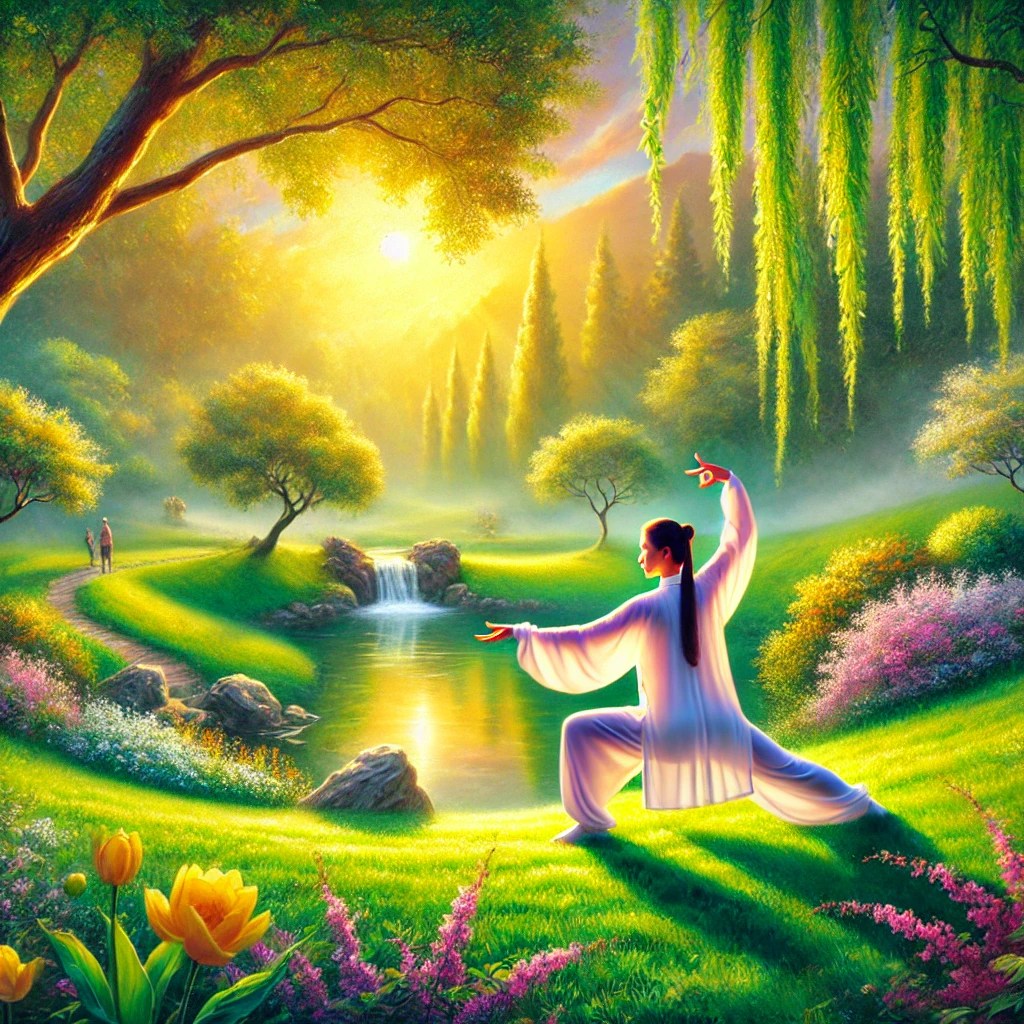
Tai Chi: A Path to Health and Harmony

1. Introduction to Tai Chi

  • Tai Chi is an ancient Chinese martial art that focuses on slow, deliberate movements and deep breathing.
  • It is often described as “meditation in motion” and is known for its health benefits.

2. Benefits of Tai Chi

  • Physical Health: Improves balance, flexibility, and strength. It’s gentle on the joints, making it suitable for people of all ages.
  • Mental Well-being: Reduces stress, anxiety, and improves overall mental clarity.
  • Prevention of Falls: Especially beneficial for older adults in improving balance and reducing the risk of falls.
  • Improved Posture: Regular practice promotes better posture by strengthening muscles and encouraging awareness of body alignment.

3. Principles of Tai Chi

  • Slow and Controlled Movements: Movements are deliberate and slow, promoting focus and relaxation.
  • Breath Control: Deep breathing is integrated into each movement, enhancing relaxation and energy flow.
  • Balance and Coordination: Tai Chi involves shifting weight from one leg to the other, improving overall balance.

4. How Tai Chi Works

  • Flow of Energy (Qi): Tai Chi focuses on cultivating and balancing “Qi” (pronounced “chee”), the life energy that flows through the body.
  • Yin and Yang: Tai Chi teaches the balance between opposites, such as movement and stillness, soft and hard, in every gesture.

5. Tai Chi for Beginners

  • Start with simple movements and short sessions.
  • Focus on posture and breathing, letting go of distractions.
  • It’s best to practice in a quiet, open space to enhance concentration.

6. Tai Chi for Mental Health

  • The slow movements help bring the mind into the present, reducing stress and promoting mindfulness.
  • Studies have shown that Tai Chi can help alleviate symptoms of depression and anxiety.

7. Conclusion

  • Whether you’re looking to improve physical health, reduce stress, or find a way to connect with your body, Tai Chi offers a holistic approach to wellness.
  • With regular practice, Tai Chi can become a lifelong tool for maintaining balance, both physically and mentally.

From Burnout to Balance: Practical Self-Care Tips for Busy Professionals

1. Understand Burnout:

  • Recognize the Signs: Common indicators of burnout include persistent fatigue, irritability, lack of motivation, and feelings of inadequacy. Acknowledge these signs early to address them effectively.
  • Know It’s Common: Burnout is prevalent in high-stress environments. Understanding that many experience it can reduce feelings of isolation.

2. Prioritize Self-Care:

  • Make It Non-Negotiable: Schedule self-care just like you would a work meeting. Treat this time as essential for your well-being.
  • Daily Breaks: Aim for short breaks every hour. Use this time to stretch, hydrate, or take a short walk.

3. Set Boundaries:

  • Learn to Say No: Evaluate new commitments critically. If they do not align with your priorities, it’s okay to decline.
  • Create Clear Boundaries: Define your work hours and stick to them. Communicate these boundaries to your colleagues and supervisors.

4. Practice Mindfulness:

  • Incorporate Techniques: Start with just five minutes of meditation or deep breathing exercises daily.
  • Focus on the Present: Engage in activities mindfully, whether it’s eating, walking, or even working. This can reduce stress and enhance focus.

5. Stay Active:

  • Find Activities You Enjoy: Whether it’s yoga, dancing, or jogging, choose something that brings you joy. This makes it easier to stay consistent.
  • Short Workouts Matter: Even 10-15 minutes of exercise can boost mood and energy.

6. Get Quality Sleep:

  • Aim for 7-9 Hours: Prioritize sleep as a cornerstone of health. Lack of sleep exacerbates stress and burnout.
  • Establish a Bedtime Routine: Wind down with calming activities like reading or gentle stretches. Avoid screens at least an hour before bed.

7. Foster Connections:

  • Maintain Relationships: Regularly connect with friends and family, whether through calls, texts, or in-person meetings. Social support is vital for mental health.
  • Seek Professional Networks: Join groups or associations in your field to share experiences and gain support from peers.

8. Take Time Off:

  • Use Vacation Days: Time away from work can reset your mindset and reduce stress.
  • Regular Mini-Breaks: Even a day off every few months can help recharge your batteries and prevent burnout.

9. Limit Screen Time:

  • Designate Tech-Free Periods: Set boundaries around technology use, especially during meals or family time, to enhance relationships and relaxation.
  • Unplug Before Bed: Establish a routine that includes shutting down devices at least an hour before sleep to improve sleep quality.

10. Reflect and Adjust:

  • Regular Assessments: Take time weekly or monthly to reflect on your workload and emotional health. Adjust your routines as needed.
  • Be Open to Change: If certain practices aren’t working, don’t hesitate to try new strategies or seek professional guidance, like therapy or coaching.

Conclusion: Transitioning from burnout to balance is a continuous journey. By actively implementing these self-care strategies, busy professionals can create a more sustainable and fulfilling work-life balance. Prioritize your well-being and remember that taking care of yourself ultimately enhances your productivity and happiness.

Finding Balance: Wisdom from Indian Women on Work and Life

In today’s busy world, finding a balance between work and personal life is really important, especially for women who have many different responsibilities. In this blog, we’ll take a close look at how working women manage to juggle it all. We’ll learn from some famous Indian women who have achieved success in their careers while also finding happiness in their personal lives.

Quotes from Indian Personalities:

Indra Nooyi: “Being a CEO doesn’t mean you’re done learning. Keep growing, thinking differently, and improving how you lead.” Indra Nooyi, former CEO of PepsiCo, highlights the importance of continuous learning and personal growth, showing that there’s always room for improvement even at the top.

Kiran Bedi: “Balance isn’t just about managing time. It’s about setting boundaries and enjoying the choices you make.” Kiran Bedi, India’s first female Indian Police Service officer, explains that balance comes from making mindful choices and respecting the limits we set for ourselves.

Naina Lal Kidwai: “There’s no one-size-fits-all solution for balance. It’s about figuring out what works best for you and making it happen.” Naina Lal Kidwai, former CEO of HSBC India, emphasizes the importance of self-awareness and customization in finding our own version of work-life harmony, reminding us that it’s a personal journey.

Strategies for Achieving Work-Life Balance:

  • Take Care of Yourself: Make time for activities that make you happy and healthy, like exercise, hobbies, and spending time with loved ones.
  • Set Boundaries: Decide when work time ends and personal time begins, and stick to those boundaries to avoid burnout.
  • Ask for Help: Don’t be afraid to delegate tasks at work and home to lighten your load and reduce stress.
  • Stay Present: Practice mindfulness by focusing on the present moment and avoiding distractions, which can help you feel more balanced and less overwhelmed.

Conclusion: By following the advice of these inspiring Indian figures, working women can find balance in their lives by making choices that prioritize their well-being and happiness. Whether it’s through self-care, setting boundaries, asking for help, or staying present, achieving work-life harmony is possible for everyone.