Calmness and Clarity in Everyday Life

🌿 Introduction

Life today often feels rushed, noisy, and overwhelming. Between responsibilities, technology, and constant demands, our minds rarely find rest. Yet, calmness and clarity are not luxuries—they are essential for balance, decision-making, and happiness. With simple practices, we can bring peace into our everyday life.


🌸 Simple Ways to Cultivate Calmness and Clarity

  1. Start Your Day Slowly
    • Avoid rushing into your phone or work.
    • Begin with a few minutes of quiet breathing, stretching, or gratitude.
  2. Practice Mindful Breathing
    • A few deep breaths can instantly reduce stress.
    • Breathing anchors the mind and helps you focus better.
  3. Declutter Your Surroundings
    • A clean space clears mental clutter.
    • Keep only what is useful and meaningful around you.
  4. Take Short Breaks
    • Step away from work, screens, or noise.
    • Even 5 minutes of silence refreshes the mind.
  5. Limit Information Overload
    • Too much news, social media, or notifications creates anxiety.
    • Be selective with what you consume daily.
  6. Spend Time in Nature
    • Walking in a park, sitting under a tree, or listening to birds brings instant calm.
    • Nature naturally clears the mind.
  7. Write It Out
    • Journaling helps release confusion and emotions.
    • Clarity often comes when thoughts are on paper.
  8. Stay Present
    • Worrying about the future or replaying the past disturbs peace.
    • Focus on what you can do right now.
  9. Practice Gratitude
    • Recognize small blessings daily.
    • Gratitude shifts the mind from chaos to calm.
  10. End the Day with Reflection
    • Review your day with kindness, not judgment.
    • Let go of stress before you sleep.

🌟 Conclusion

Calmness and clarity don’t come from escaping life—they come from how we live each moment. By slowing down, simplifying, and staying present, we can handle challenges with peace instead of pressure. A calm mind sees clearly, and a clear mind lives fully.

Energy First: Prioritize What Truly Matters

Introduction:
Our energy is our most valuable resource. Unlike time, which is fixed, energy determines how effectively we live, work, and grow. Focusing on what truly matters allows us to achieve more, reduce stress, and create a meaningful life. By putting Energy First, we can make conscious choices about where to invest our effort and attention.

1. Understand Your Energy, Not Just Time

  • Time is fixed; energy is what powers your actions.
  • Notice when you feel most alert and focused.
  • Plan your most important tasks during high-energy periods.

2. Identify What Truly Matters

  • List tasks, goals, and relationships that impact your growth and happiness.
  • Ask yourself: “Does this matter in the long run?”
  • Say no to distractions and low-value activities.

3. Protect Your Energy

  • Avoid unnecessary stress and negative people.
  • Take breaks, rest, and recharge regularly.
  • Use mindfulness or short meditation to reset your energy.

4. Focus on One Thing at a Time

  • Multitasking drains energy and reduces effectiveness.
  • Complete high-priority tasks before moving to others.
  • Use the “Energy First” principle: high energy → high impact tasks.

5. Create Energy-Boosting Habits

  • Exercise, healthy eating, and quality sleep boost your energy.
  • Start your day with tasks that give satisfaction or momentum.
  • Limit social media and other energy-draining activities.

6. Align Energy with Goals

  • Spend energy on actions that bring you closer to your goals.
  • Regularly review priorities and adjust where your energy goes.
  • Celebrate small wins to maintain motivation and energy.

Conclusion:
Your energy is your most valuable resource. Prioritizing what truly matters helps you achieve more, feel better, and live a meaningful life. Always put Energy First and let it guide your daily choices.

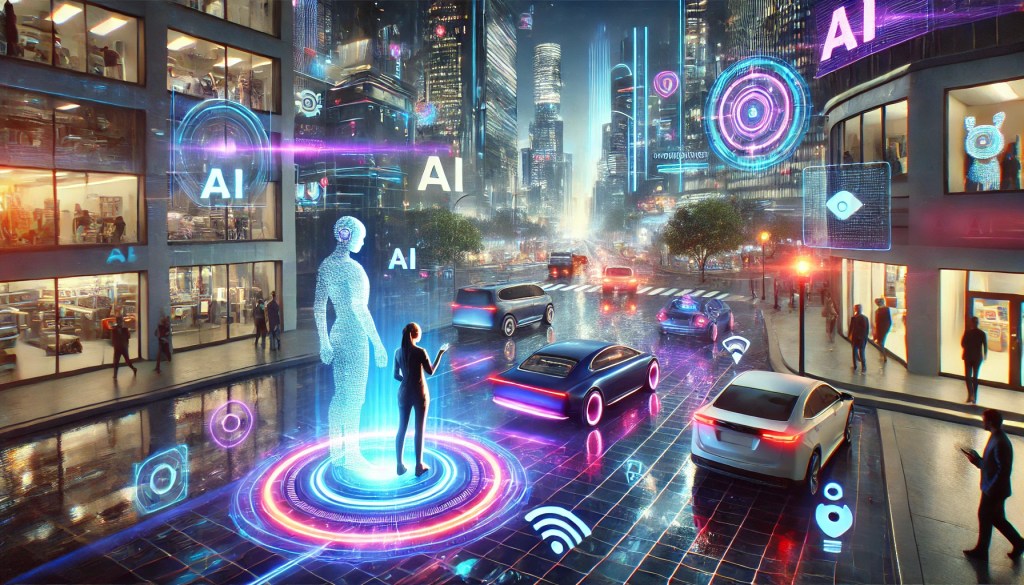
The Impact of AI on Everyday Life

AI is changing the way we live and interact with the world. From simple tasks to complex decisions, its influence is growing. Here’s how AI is making an impact on our everyday lives:

  1. Smart Assistants and Home Automation
    AI-powered devices like Amazon Alexa, Google Assistant, and Apple’s Siri help us manage tasks at home.
    • Example: You can ask Siri to play your favorite song, or Alexa to set reminders, control smart lights, and even order groceries.
  2. Personalized Recommendations
    AI algorithms track your preferences to recommend products, music, movies, and more.
    • Example: Netflix uses AI to suggest shows based on what you’ve watched before, while Spotify curates playlists to match your listening habits.
  3. Healthcare Advancements
    AI is revolutionizing healthcare by diagnosing diseases, managing patient records, and even recommending treatments.
    • Example: AI systems like IBM Watson help doctors identify cancerous cells, speeding up diagnosis and improving accuracy.
  4. Transportation and Navigation
    AI is at the heart of self-driving cars, and even our navigation apps rely on AI for real-time traffic updates.
    • Example: Google Maps uses AI to analyze traffic patterns and suggest the fastest route, while companies like Tesla are working on fully autonomous vehicles.
  5. Customer Support and Chatbots
    Many businesses use AI-powered chatbots to handle customer inquiries and provide 24/7 support.
    • Example: When you visit a website and get an instant response to your query, chances are you’re chatting with an AI bot, like those used by banks or e-commerce sites.
  6. Finance and Banking
    AI is used for fraud detection, loan approvals, and even personalized financial advice.
    • Example: Many banks use AI to detect unusual transactions that may indicate fraud and alert customers right away.
  7. Social Media and Content Creation
    AI influences what content we see on social media, from ads to news feeds.
    • Example: Platforms like Facebook and Instagram use AI to analyze your interactions and suggest posts or ads tailored to your interests.
  8. Voice-to-Text and Translation Tools
    AI makes it easier to communicate across languages and convert speech into text.
    • Example: Google Translate uses AI to instantly translate text and voice from one language to another, helping travelers and businesses communicate globally.
  9. Retail and E-Commerce
    AI helps e-commerce companies optimize inventory, predict demand, and offer personalized shopping experiences.
    • Example: Online stores like Amazon suggest products based on your previous searches, while also using AI to manage stock levels and improve delivery times.
  10. Entertainment and Gaming
    AI is increasingly used to enhance gaming experiences and create more dynamic storylines.
    • Example: In video games, AI can control non-playable characters (NPCs) to create more realistic and challenging environments.

Conclusion:
AI is not just a futuristic concept; it’s already integrated into many aspects of our daily lives. From helping us at home to transforming industries like healthcare and finance, AI continues to make tasks easier and more efficient. The more we embrace its potential, the more AI will continue to shape our world.