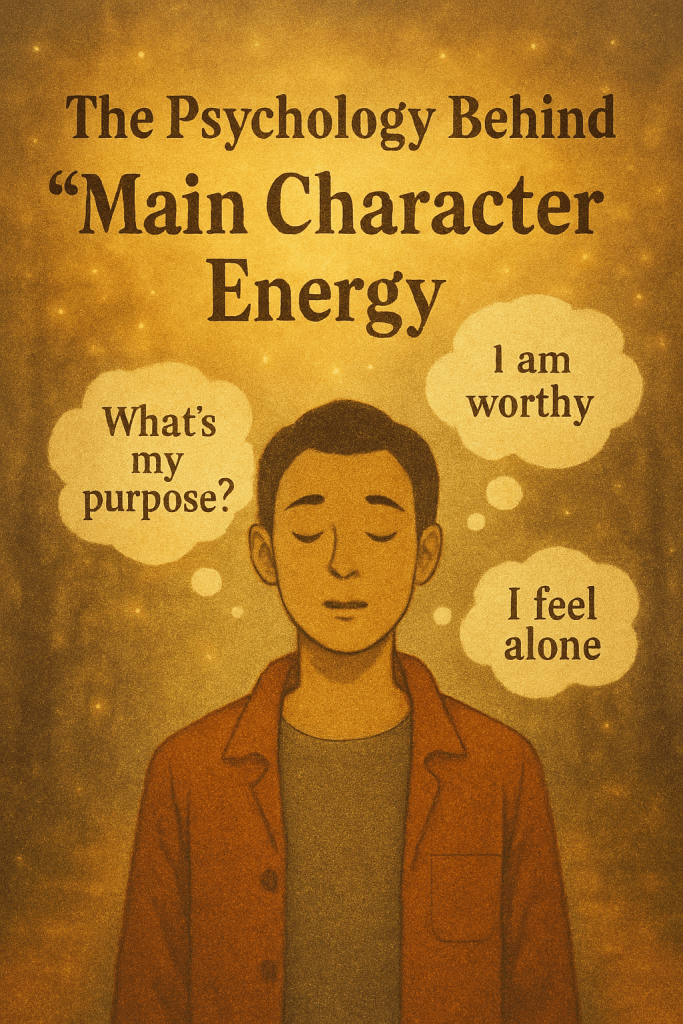
The Psychology Behind “Main Character Energy”

In recent years, you might have heard phrases like “I’m in my main character era” or “Live like the main character.” But what does it really mean? And why is it trending?

Let’s break it down simply.


🌟 What Is “Main Character Energy”?

Main Character Energy (MCE) is a mindset where a person sees themselves as the lead in their own life story. It’s about confidence, self-awareness, and making choices that align with your values, not just blending into the background.

“You are the author of your own story. Don’t hand the pen to someone else.”


🧠 Why It Feels So Good (Psychological Reasons)

  1. Boosts Self-Esteem
    • When you feel like the ‘main character,’ you value yourself more.
    • Example: Dressing up just for a walk because it makes you feel good.
  2. Encourages Mindfulness
    • You become more aware of your surroundings and actions.
    • Example: Drinking coffee slowly while enjoying the moment, like you’re in a movie scene.
  3. Helps Create a Strong Identity
    • You start asking: What kind of person do I want to be?
    • This leads to intentional decisions, not just going with the crowd.
  4. Inspires Personal Growth
    • Main characters overcome challenges.
    • Example: You treat a bad day not as the end—but as the middle of your character arc.
    “You either walk inside your story and own it, or you stand outside and hustle for your worthiness.” — Brené Brown

🎬 Main Character Energy vs. Narcissism

It’s important to note that MCE is not about being self-obsessed or thinking others are less important.
It’s about:

✅ Confidence — not arrogance
✅ Self-love — not selfishness
✅ Growth — not perfection

“You can be the main character of your life without needing to be the center of everyone else’s.”

✨ Practical Ways to Step into Your Main Character Energy

  1. Create Your “Main Character” Morning Routine
    • Start your day with intention. Stretch, journal, listen to music that motivates you.
    • Example: Brew your coffee slowly, stand by the window, and soak in the moment — like the intro scene of a movie.
  2. Dress for the Mood You Want to Create
    • Wear outfits that make you feel confident, even if you’re not going anywhere fancy.
    • Example: Wear that bold shirt or lipstick just because it feels you.
  3. Narrate Your Day (Internally or Out Loud!)
    • Turn simple moments into powerful scenes.
    • Example: Walking to the bus stop? Imagine you’re the hero heading to an important mission.
  4. Celebrate Small Wins Like Big Victories
    • Whether it’s finishing a to-do list or making it through a hard day, clap for yourself.
    • Example: Treat yourself to a solo coffee date after a productive week.
  5. Set a Soundtrack for Your Life
    • Make playlists that match your vibe — “Confidence Mode,” “Healing Era,” or “Rising Strong.”
    • Music/podcast makes every moment feel cinematic and empowering.
  6. Say Yes to Solo Moments
    • Take yourself out for a nature walk, or bookstore visit. You don’t need company to enjoy your life.
    • Example: A quiet Sunday spent journaling and reflecting can feel like a self-love scene.

📖 Final Thought

You don’t need to wait for someone to give you permission. You are already the main character.
Every small act of self-care, courage, and intention writes a better version of your life story.

“The moment you start acting like life is a movie, everything changes. The mood, the energy, the plot—it’s all in your hands.”

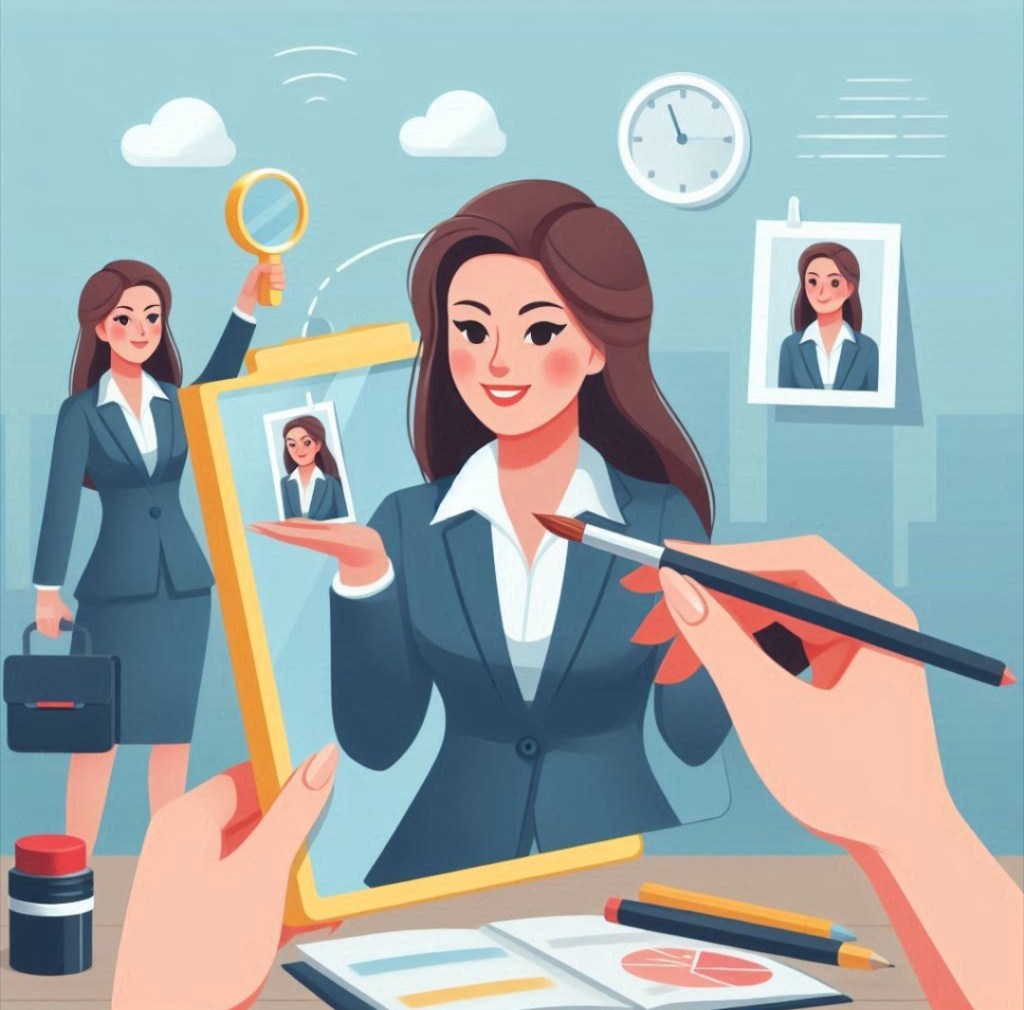
Body Image and Self-Esteem of Working Women

Introduction:

  • In today’s fast-paced world, working women face multiple pressures, both professionally and personally.
  • One major issue that often affects their confidence is body image and its direct link to self-esteem.

1. What is Body Image?

  • Body image refers to how a person perceives their own body and how they think others see them.
  • For working women, maintaining a positive body image can be challenging due to societal standards and media portrayal of “ideal” beauty.

2. The Link Between Body Image and Self-Esteem

  • Self-esteem is how much we value and feel confident about ourselves.
  • When a woman has a negative body image, it can directly impact her self-esteem, leading to feelings of inadequacy or insecurity.

3. Pressure from Society

  • Media often sets unrealistic beauty standards. This can make working women feel that they need to look a certain way to be accepted.
  • Social media, magazines, and advertisements often highlight physical appearances, leading to comparisons and dissatisfaction with one’s body.

4. Workplace Challenges

  • Working women feel pressured to meet both professional expectations and societal standards of beauty.
  • Body image issues can influence confidence levels at work, affecting job performance and professional relationships.

5. The Role of Self-Care

  • Self-care plays a crucial role in improving body image and self-esteem.
  • Simple practices like eating healthy, exercising, getting enough rest, and practicing mindfulness can help women feel better about their bodies.

6. Building a Positive Body Image

  • Shift the focus from appearance to health, strength, and capability.
  • Surround yourself with positive influences that promote body positivism and self-acceptance.
  • Engage in activities that make you feel confident and empowered.

7. Importance of Self-Acceptance

  • Accepting yourself as you are, is key to improving self-esteem.
  • Understanding that every body is unique and valuable can lead to a healthier, more positive outlook.

8. Encouraging Body Positivism in the Workplace

  • Promote body-positive conversations and create an inclusive environment where women feel confident and accepted.
  • Employers can support women by promoting a healthy work-life balance and encouraging positive self-image initiatives.

Conclusion:

  • Body image and self-esteem are deeply interconnected. For working women, maintaining a healthy balance between the two is vital. This is important for both personal and professional success.
  • It’s essential to embrace body positivism and foster a supportive environment that encourages self-confidence and well-being.

By addressing these issues and fostering a positive mindset, working women can improve both their self-esteem and overall quality of life.

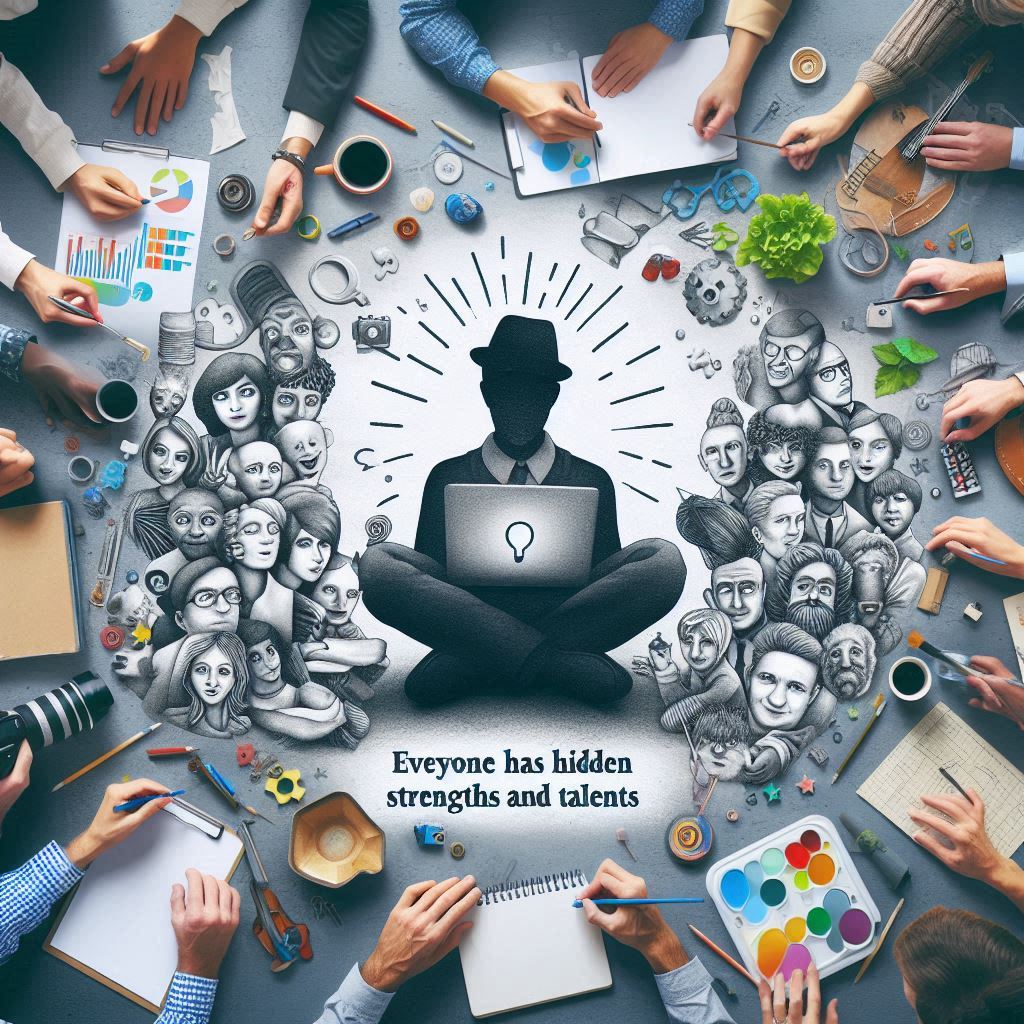
Everyone Has Hidden Strengths and Talents

Introduction:
“Everyone has talent. What is rare is the courage to follow the talent to the dark place where it leads.” — Erica Jong

  • Everyone possesses unique strengths and talents.
  • These qualities play a crucial role in personal growth and success.

Recognizing Hidden Strengths:
“You are never too old to set another goal or to dream a new dream.” — C.S. Lewis

  • Hidden strengths are abilities or qualities you may not realize you have.
  • These could include:
    • Problem-solving skills
    • Empathy
    • Creativity
    • Resilience
  • Often revealed in challenging situations or when stepping out of your comfort zone.

Why Are They Hidden?
“Doubt kills more dreams than failure ever will.” — Suzy Kassem

  • Hidden due to self-doubt or lack of confidence.
  • Cultural and societal influences may cause people to overlook or undervalue their talents.
  • The fast-paced nature of life can prevent self-reflection.

The Importance of Discovering Your Talents:
“What lies behind us and what lies before us are tiny matters compared to what lies within us.” — Ralph Waldo Emerson

  • Boosts self-esteem and helps set realistic goals.
  • Leads to personal and professional growth.
  • Allows for more effective contribution to your community and workplace.

How to Uncover Your Hidden Strengths:
“Life isn’t about finding yourself. Life is about creating yourself.” — George Bernard Shaw

  • Self-Reflection: Think about what you enjoy and excel at, even if it seems trivial.
  • Feedback from Others: Others might see strengths in you that you overlook.
  • Explore New Experiences: Trying new activities or challenges can reveal hidden talents.
  • Journaling: Writing about your experiences can help identify recurring themes of strength and talent.

Nurturing and Developing Your Strengths:
“The only way to do great work is to love what you do.” — Steve Jobs

  • Identify and nurture your strengths.
  • Set goals that align with your talents to keep improving.
  • Seek opportunities that allow you to use and refine your strengths.

Applying Your Strengths:
“Success is not the key to happiness. Happiness is the key to success. If you love what you are doing, you will be successful.” — Albert Schweitzer

  • Apply strengths in various areas of life, such as work, relationships, and personal projects.
  • Use your talents to help others, which can reveal more hidden abilities.
  • Continually challenge yourself to grow and expand your skill set.

The Ripple Effect:
“Believe you can and you’re halfway there.” — Theodore Roosevelt

  • Embracing your strengths can inspire others to do the same.
  • Creates a positive ripple effect, leading to a more empowered community.

Conclusion:
“The only limit to our realization of tomorrow will be our doubts of today.” — Franklin D. Roosevelt

  • Everyone has hidden strengths and talents waiting to be discovered.
  • Uncovering and developing these qualities leads to a more fulfilling life.

Call to Action:
“Your talent is God’s gift to you. What you do with it is your gift back to God.” — Leo Buscaglia

  • Reflect on your hidden strengths today.
  • Challenge yourself to uncover and develop a talent you haven’t fully explored yet.