Why Every Ending is a New Beginning: Embracing Change in 2025

The end of one chapter often marks the start of something new. As we step into 2025, it’s the perfect time to embrace change and welcome fresh opportunities. Here’s why every ending can be seen as a new beginning:

1. A Chance to Reflect and Learn

“Life can only be understood backwards, but it must be lived forwards.” – Søren Kierkegaard

  • Endings give us a moment to pause and reflect on what worked and what didn’t.
  • Lessons learned from past experiences can guide better decisions in the future.

2. Room for Growth

“Every next level of your life will demand a different you.” – Leonardo DiCaprio

  • Closing old chapters creates space for personal and professional growth.
  • It’s an opportunity to step out of your comfort zone and explore new possibilities.

3. The Power of Fresh Starts

“It’s never too late to be what you might have been.” – George Eliot

  • A new year like 2025 symbolizes renewal and hope.
  • Starting fresh allows us to set goals and intentions with clarity.

4. Letting Go of the Past

“Some of us think holding on makes us strong, but sometimes it is letting go.” – Hermann Hesse

  • Holding onto the past can weigh us down.
  • Embracing change means letting go of what no longer serves us, be it habits, relationships, or mindsets.

5. Building Resilience

“The oak fought the wind and was broken, the willow bent when it must and survived.” – Robert Jordan

  • Every ending teaches us resilience and the ability to adapt to change.
  • This adaptability is crucial for navigating life’s uncertainties.

6. Opportunities to Redefine Ourselves

“It’s not what we have, but what we do with what we have, that defines who we are.” – J.K. Rowling

  • Each ending offers a chance to redefine who we are and what we stand for.
  • Use 2025 to align your actions with your values and aspirations.

7. The Excitement of the Unknown

“Go confidently in the direction of your dreams. Live the life you have imagined.” – Henry David Thoreau

  • The unknown can be daunting but also exciting.
  • New beginnings come with endless possibilities and the thrill of discovery.

8. Strengthening Relationships

“In the middle of every difficulty lies opportunity.” – Albert Einstein

  • Changes often bring new people into our lives and strengthen existing bonds.
  • Embrace the chance to connect, network, and grow alongside others.

9. A Reminder of Life’s Cycles

Life is a series of endings and beginnings, much like the seasons.

  • Accepting this natural cycle helps us move forward with grace and optimism.

10. Empowering Yourself for 2025

“The best way to predict the future is to create it.” – Peter Drucker

  • View 2025 as a blank canvas to design the life you want.
  • Take small, consistent steps toward your goals, and celebrate every milestone.

Final Thoughts

“Every sunset brings the promise of a new dawn.” – Ralph Waldo Emerson
Every ending holds the seed of a new beginning. Embracing change with an open heart and mind can turn challenges into stepping stones for growth. In 2025, let go of fear and welcome the opportunities that come your way.

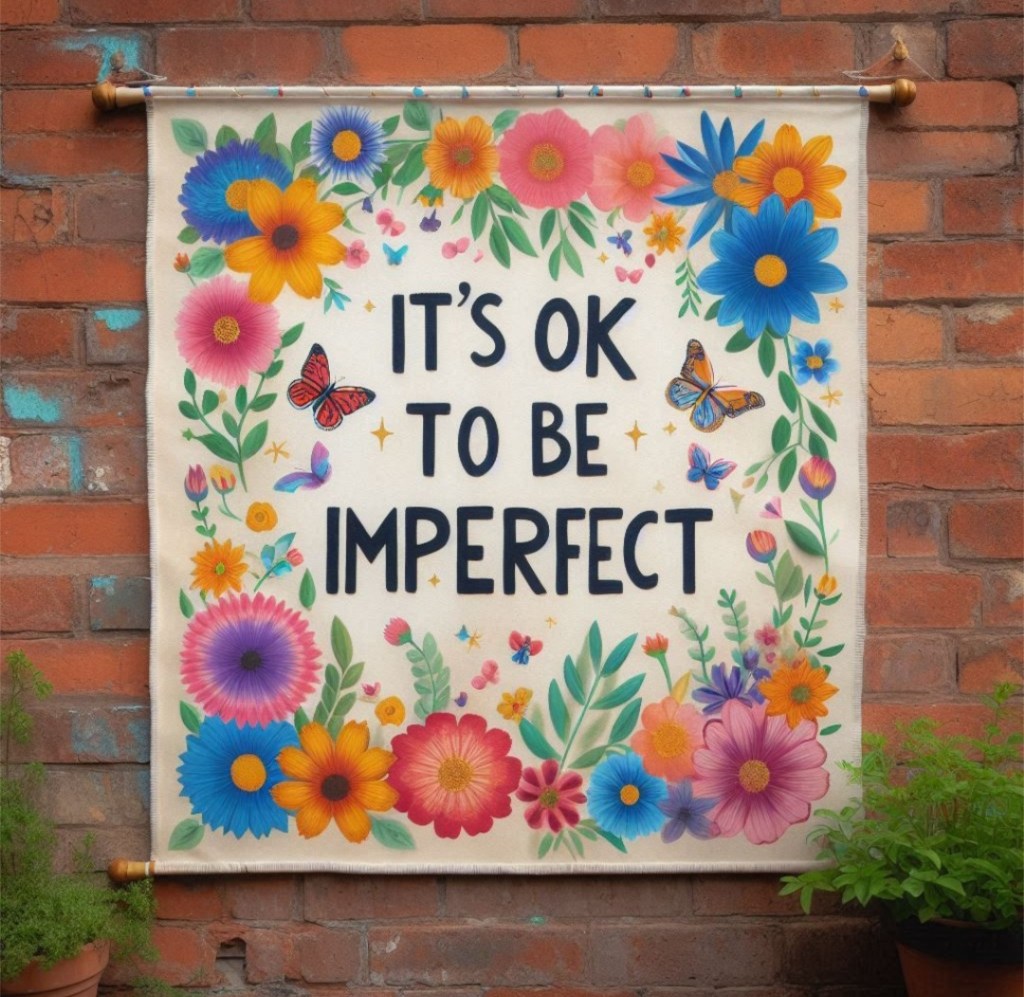
It’s Perfectly Okay to Be Imperfect

In a world that often glorifies perfection, embracing our imperfections can be a liberating and empowering experience. Here are some simple, realistic points that highlight why it’s perfectly okay to be imperfect:

1. Embrace Your Authentic Self

  • Realness Over Perfection: Embracing your imperfections allows you to be true to yourself, fostering deeper connections with others.
  • Unique Stories: Our flaws and imperfections tell our personal stories. They shape who we are and make us unique.

2. Learn and Grow

  • Mistakes as Learning Opportunities: Imperfections often come with valuable lessons. Each mistake is a chance to learn and grow, paving the way for personal development.
  • Resilience: Facing and accepting our flaws builds resilience. Overcoming challenges strengthens our character and helps us handle future setbacks more gracefully.

3. Redefine Success

  • Flawed Yet Thriving: Success doesn’t require perfection. Many successful people have faced failures and setbacks, proving that it’s our efforts and perseverance that count.
  • Setting Realistic Goals: Instead of aiming for perfection, set realistic and achievable goals. This shift in mindset leads to more sustainable success and happiness.

4. Connect with Others

  • Shared Imperfections: When we openly share our imperfections, we invite others to do the same. This creates a supportive environment where everyone feels safe to express their true selves.
  • Building Empathy: Recognizing that everyone has flaws fosters empathy and compassion, allowing us to connect more deeply with those around us.

5. Practice Self-Compassion

  • Be Kind to Yourself: Treat yourself with the same kindness and understanding that you would offer a friend. Accepting your imperfections is a form of self-love.
  • Mindfulness: Practicing mindfulness helps us stay present and appreciate ourselves as we are, rather than how we think we should be.

6. Challenge Perfectionism

  • Letting Go of High Standards: Perfectionism can be paralyzing. Challenge the notion that you must meet impossibly high standards to be worthy or successful.
  • Celebrate Progress: Focus on the progress you make rather than the end result. Celebrate small victories and the steps you take towards your goals.

7. Shift Your Perspective

  • View Imperfections as Strengths: Sometimes, our flaws can become our greatest assets. They can inspire creativity, innovation, and problem-solving.
  • A Different Lens: Try to view imperfections as a natural part of life, not something to be ashamed of. This perspective shift can lead to greater acceptance and peace.

Conclusion

Embracing imperfection is a journey, not a destination. It takes time and practice to shift our mindset, but the benefits are profound. By accepting our flaws, we open ourselves up to authenticity, growth, connection, and joy. Remember, it’s perfectly okay to be imperfect—after all, that’s what makes us human.