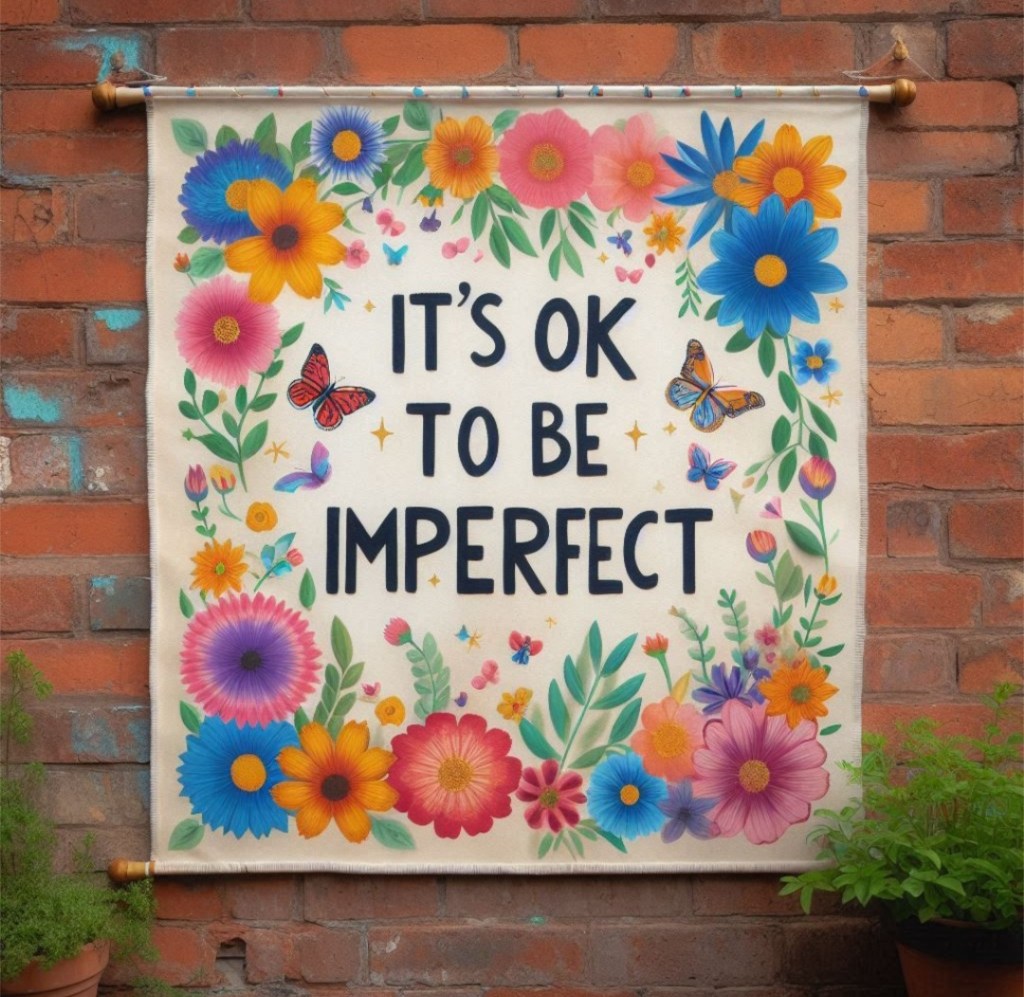
Perfection and Procrastination: Two Sides of the Same Coin

The Drive for Perfection

  • Perfectionists often set high, unrealistic standards for themselves.
  • They aim for flawless results, fearing even minor mistakes.
  • While striving for excellence is positive, it can lead to unhealthy pressure.
  • Example: A person cleaning their room spends hours perfectly arranging bookshelves instead of tidying up the rest of the space.

“Perfection is the enemy of progress.” – Winston Churchill

How Perfection Leads to Procrastination

  • Fear of failure or producing less-than-perfect work causes delays.
  • Overthinking every detail creates a cycle of hesitation.
  • Tasks seem overwhelming, leading to avoidance rather than action.
  • Example: An employee delaying a presentation because they feel the slides aren’t visually stunning enough.

The “All or Nothing” Mindset

  • Perfectionists believe they must succeed fully or not try at all.
  • This black-and-white thinking often paralyzes progress.
  • Small steps or imperfect results are undervalued.
  • Example: A chef refusing to prepare a dish for friends because they don’t have the exact ingredients needed to replicate a professional recipe.

“Done is better than perfect.” – Sheryl Sandberg

Procrastination as a Coping Mechanism

  • Putting off tasks becomes a way to avoid the anxiety of imperfection.
  • The longer a task is delayed, the harder it becomes to start.
  • This creates a vicious cycle of guilt and stress.
  • Example: A photographer spends weeks picking the “perfect” editing software instead of working on editing photos.

Impact on Productivity

  • Perfectionists may spend excessive time on minor details, delaying completion.
  • Deadlines are missed, and opportunities may be lost.
  • Creativity and efficiency are stifled by the need for flawlessness.
  • Example: A startup founder delays pitching an idea to investors because their pitch deck isn’t “polished enough.”

Breaking the Cycle

  • Set Realistic Goals: Focus on progress, not perfection.
    • Example: A student decides to finish writing a draft essay in two hours, allowing time for edits later.
  • Embrace Imperfection: Understand that mistakes are part of growth.
    • Example: A graphic designer submits a project knowing it can always be revised based on feedback.
  • Prioritize Tasks: Tackle important tasks first and let go of perfection in less critical areas.
  • Use Time Limits: Set boundaries to avoid overanalyzing.
    • Example: A homemaker spends 30 minutes decluttering a space instead of perfecting it all day.
  • Start Small: Break tasks into manageable steps to reduce overwhelm.
    • Example: A runner starts with a 10-minute jog instead of obsessing over achieving a perfect mile time.

“Strive for progress, not perfection.” – Unknown

The Balance Between Excellence and Action

  • Strive for excellence but accept that perfection is unattainable.
  • Focus on completing tasks to the best of your ability, not flawlessly.
  • Progress, however small, is better than endless delay.
  • Example: A musician uploads their first song draft online rather than waiting to produce a studio-quality version.

Final Thoughts

  • Perfection and procrastination often coexist, feeding off each other.
  • Recognizing this link can help break free from the cycle.
  • Remember: Done is better than perfect!

It’s Perfectly Okay to Be Imperfect

In a world that often glorifies perfection, embracing our imperfections can be a liberating and empowering experience. Here are some simple, realistic points that highlight why it’s perfectly okay to be imperfect:

1. Embrace Your Authentic Self

  • Realness Over Perfection: Embracing your imperfections allows you to be true to yourself, fostering deeper connections with others.
  • Unique Stories: Our flaws and imperfections tell our personal stories. They shape who we are and make us unique.

2. Learn and Grow

  • Mistakes as Learning Opportunities: Imperfections often come with valuable lessons. Each mistake is a chance to learn and grow, paving the way for personal development.
  • Resilience: Facing and accepting our flaws builds resilience. Overcoming challenges strengthens our character and helps us handle future setbacks more gracefully.

3. Redefine Success

  • Flawed Yet Thriving: Success doesn’t require perfection. Many successful people have faced failures and setbacks, proving that it’s our efforts and perseverance that count.
  • Setting Realistic Goals: Instead of aiming for perfection, set realistic and achievable goals. This shift in mindset leads to more sustainable success and happiness.

4. Connect with Others

  • Shared Imperfections: When we openly share our imperfections, we invite others to do the same. This creates a supportive environment where everyone feels safe to express their true selves.
  • Building Empathy: Recognizing that everyone has flaws fosters empathy and compassion, allowing us to connect more deeply with those around us.

5. Practice Self-Compassion

  • Be Kind to Yourself: Treat yourself with the same kindness and understanding that you would offer a friend. Accepting your imperfections is a form of self-love.
  • Mindfulness: Practicing mindfulness helps us stay present and appreciate ourselves as we are, rather than how we think we should be.

6. Challenge Perfectionism

  • Letting Go of High Standards: Perfectionism can be paralyzing. Challenge the notion that you must meet impossibly high standards to be worthy or successful.
  • Celebrate Progress: Focus on the progress you make rather than the end result. Celebrate small victories and the steps you take towards your goals.

7. Shift Your Perspective

  • View Imperfections as Strengths: Sometimes, our flaws can become our greatest assets. They can inspire creativity, innovation, and problem-solving.
  • A Different Lens: Try to view imperfections as a natural part of life, not something to be ashamed of. This perspective shift can lead to greater acceptance and peace.

Conclusion

Embracing imperfection is a journey, not a destination. It takes time and practice to shift our mindset, but the benefits are profound. By accepting our flaws, we open ourselves up to authenticity, growth, connection, and joy. Remember, it’s perfectly okay to be imperfect—after all, that’s what makes us human.

Everyone Has Hidden Strengths and Talents

Introduction:
“Everyone has talent. What is rare is the courage to follow the talent to the dark place where it leads.” — Erica Jong

  • Everyone possesses unique strengths and talents.
  • These qualities play a crucial role in personal growth and success.

Recognizing Hidden Strengths:
“You are never too old to set another goal or to dream a new dream.” — C.S. Lewis

  • Hidden strengths are abilities or qualities you may not realize you have.
  • These could include:
    • Problem-solving skills
    • Empathy
    • Creativity
    • Resilience
  • Often revealed in challenging situations or when stepping out of your comfort zone.

Why Are They Hidden?
“Doubt kills more dreams than failure ever will.” — Suzy Kassem

  • Hidden due to self-doubt or lack of confidence.
  • Cultural and societal influences may cause people to overlook or undervalue their talents.
  • The fast-paced nature of life can prevent self-reflection.

The Importance of Discovering Your Talents:
“What lies behind us and what lies before us are tiny matters compared to what lies within us.” — Ralph Waldo Emerson

  • Boosts self-esteem and helps set realistic goals.
  • Leads to personal and professional growth.
  • Allows for more effective contribution to your community and workplace.

How to Uncover Your Hidden Strengths:
“Life isn’t about finding yourself. Life is about creating yourself.” — George Bernard Shaw

  • Self-Reflection: Think about what you enjoy and excel at, even if it seems trivial.
  • Feedback from Others: Others might see strengths in you that you overlook.
  • Explore New Experiences: Trying new activities or challenges can reveal hidden talents.
  • Journaling: Writing about your experiences can help identify recurring themes of strength and talent.

Nurturing and Developing Your Strengths:
“The only way to do great work is to love what you do.” — Steve Jobs

  • Identify and nurture your strengths.
  • Set goals that align with your talents to keep improving.
  • Seek opportunities that allow you to use and refine your strengths.

Applying Your Strengths:
“Success is not the key to happiness. Happiness is the key to success. If you love what you are doing, you will be successful.” — Albert Schweitzer

  • Apply strengths in various areas of life, such as work, relationships, and personal projects.
  • Use your talents to help others, which can reveal more hidden abilities.
  • Continually challenge yourself to grow and expand your skill set.

The Ripple Effect:
“Believe you can and you’re halfway there.” — Theodore Roosevelt

  • Embracing your strengths can inspire others to do the same.
  • Creates a positive ripple effect, leading to a more empowered community.

Conclusion:
“The only limit to our realization of tomorrow will be our doubts of today.” — Franklin D. Roosevelt

  • Everyone has hidden strengths and talents waiting to be discovered.
  • Uncovering and developing these qualities leads to a more fulfilling life.

Call to Action:
“Your talent is God’s gift to you. What you do with it is your gift back to God.” — Leo Buscaglia

  • Reflect on your hidden strengths today.
  • Challenge yourself to uncover and develop a talent you haven’t fully explored yet.