💔You Are Your Own Strength

1. Tough Times Are Real, and So Is Loneliness

  • When life gets difficult, you may feel isolated—even when people are around.
  • Friends and family may care, but they can’t always feel what you’re feeling.
  • It’s during these moments that you truly understand: the strongest support comes from within.

2. Don’t Expect Others to Save You

  • People may promise support, but they have their own struggles too.
  • Some will disappear when things get dark—don’t take it personally.
  • Learn to rely on yourself emotionally and mentally.

3. You Are Your Own Constant

  • Life changes, people change, situations change—but you stay.
  • You live with your thoughts, your feelings, and your healing.
  • Become your own best friend and safe space.

4. Tough Times Teach Self-Reliance

  • Pain teaches you strength.
  • You learn to cope, adapt, and rise—because you have to.
  • You start discovering inner power you never knew you had.

5. It’s Okay to Ask for Help, But Don’t Depend on It

  • Reaching out is healthy—but don’t expect anyone to carry your burden fully.
  • People can guide or listen, but only you can walk your path.

6. Grow Through the Pain, Don’t Just Go Through It

  • Every tough time is a chance to evolve.
  • Learn from the silence, the rejections, and the heartaches.
  • Use pain as fuel for personal transformation.

7. Celebrate Yourself for Surviving

  • Even if no one noticed your silent battles, you won them.
  • Give yourself credit for showing up, even when it was hard.
  • You are enough. You are strong. You are healing.

Final Thought:

“At the end of the day, the one who stands by you through every breakdown and breakthrough—is YOU.”

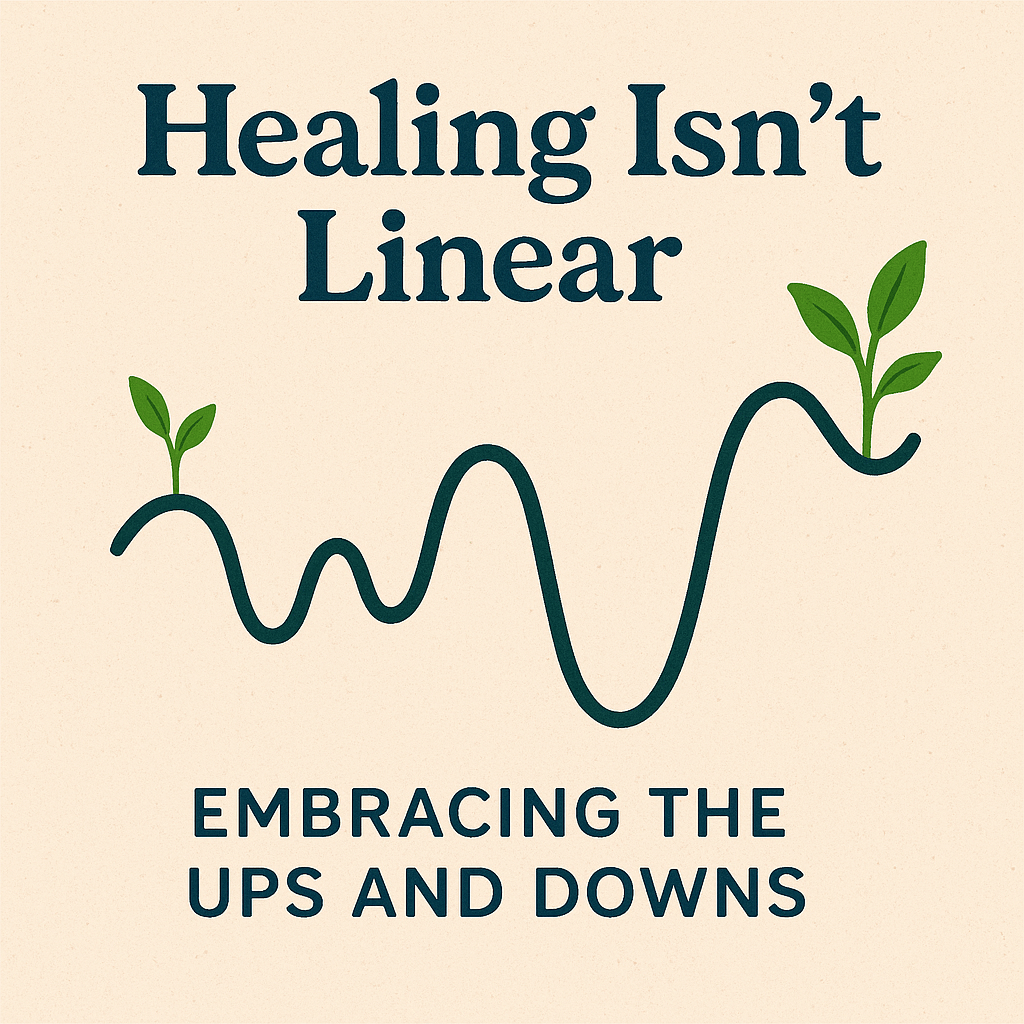
🌱 Healing Isn’t Linear: Embracing the Ups and Downs

Healing—whether emotional, mental, or physical—is not a straight path. It’s a journey filled with progress, setbacks, and moments that may feel like you’re going in circles. And that’s okay.


1. Healing Takes Time

  • Recovery doesn’t happen overnight.
  • It’s okay to take days, weeks, or even years.
  • Be patient with yourself.

2. It’s Normal to Have Good and Bad Days

  • Some days you’ll feel strong, other days you won’t.
  • Bad days don’t erase your progress.
  • Every step, even backward, is part of the journey.

3. Progress Isn’t Always Visible

  • Just because you can’t see improvement doesn’t mean it’s not happening.
  • Inner changes often take time to show on the outside.

4. Setbacks Are Not Failures

  • Falling back into old patterns is common.
  • It’s not a failure—it’s part of learning and growing.
  • Use it as a lesson, not a reason to give up.

5. Celebrate Small Wins

  • Even small steps matter—like getting out of bed, saying “no,” or smiling again.
  • Every tiny win adds up to big change.

6. Your Journey Is Unique

  • Don’t compare your healing to others.
  • Everyone heals at their own pace and in their own way.
  • What works for someone else may not work for you—and that’s okay.

7. Allow Yourself to Feel

  • Don’t hide your emotions—feel them.
  • Crying, anger, or sadness are not signs of weakness.
  • Emotions are part of processing and healing.

8. Ask for Help When You Need It

  • You don’t have to do it alone.
  • Talk to a friend, therapist, or support group.
  • Asking for help is a strength, not a weakness.

9. Be Kind to Yourself

  • Talk to yourself with love and compassion.
  • You’re doing your best, and that’s enough.
  • Replace self-criticism with encouragement.

10. Healing Is Ongoing

  • Healing doesn’t mean you’ll never feel pain again.
  • It means you learn to carry it with more strength and less fear.
  • It’s about growing through what you go through.

🌼 Final Thought:

Healing isn’t a straight line—it’s a journey of twists, turns, detours, and growth. Embrace the process, honor your progress, and trust that every step—even the tough ones—is leading you toward a stronger you.