Rest Is Productive: Rewriting the Burnout Narrative

1. Society Glorifies Hustle Too Much

  • We are often taught that working non-stop means success.
  • But constant hustle leads to burnout, not greatness.

2. Rest Is Not Laziness

  • Taking breaks is not wasting time.
  • It is an essential part of staying healthy and productive.

3. Your Brain Needs Time to Recharge

  • Just like your phone needs charging, your brain also needs rest.
  • Regular breaks improve focus, creativity, and decision-making.

4. Quality Matters More Than Quantity

  • Working 8 straight hours without a break can lower the quality of your work.
  • Short, focused working periods with proper rest create better results.

5. Rest Helps You Solve Problems Better

  • Many great ideas come during moments of relaxation.
  • Resting allows your subconscious mind to work on challenges in the background.

6. Burnout Is a Real Threat

  • Ignoring the need for rest can lead to emotional exhaustion, low energy, and health problems.
  • Prevention is better than cure: small daily breaks are better than big recovery periods later.

7. Redefining Success Includes Well-being

  • True success includes happiness, health, and inner peace.
  • Rest is part of a balanced, meaningful life—not a break from it.

8. Practical Ways to Rest Productively

  • Take a 5-minute break every hour.
  • Get enough sleep (7-8 hours a night).
  • Go for short walks without your phone.
  • Practice deep breathing or meditation.
  • Spend time on hobbies you enjoy.

9. Final Thought: Rest Is a Power Move

  • Rest is not a weakness; it is a strategy.
  • Protecting your energy makes you stronger and more effective in everything you do.

From Burnout to Balance: The Rise of Intentional Living

In today’s always-on world, many people are facing emotional exhaustion and losing touch with what truly matters. As a response, the idea of intentional living is gaining popularity. It’s a quiet but powerful shift—from burnout to balance, from chaos to clarity.


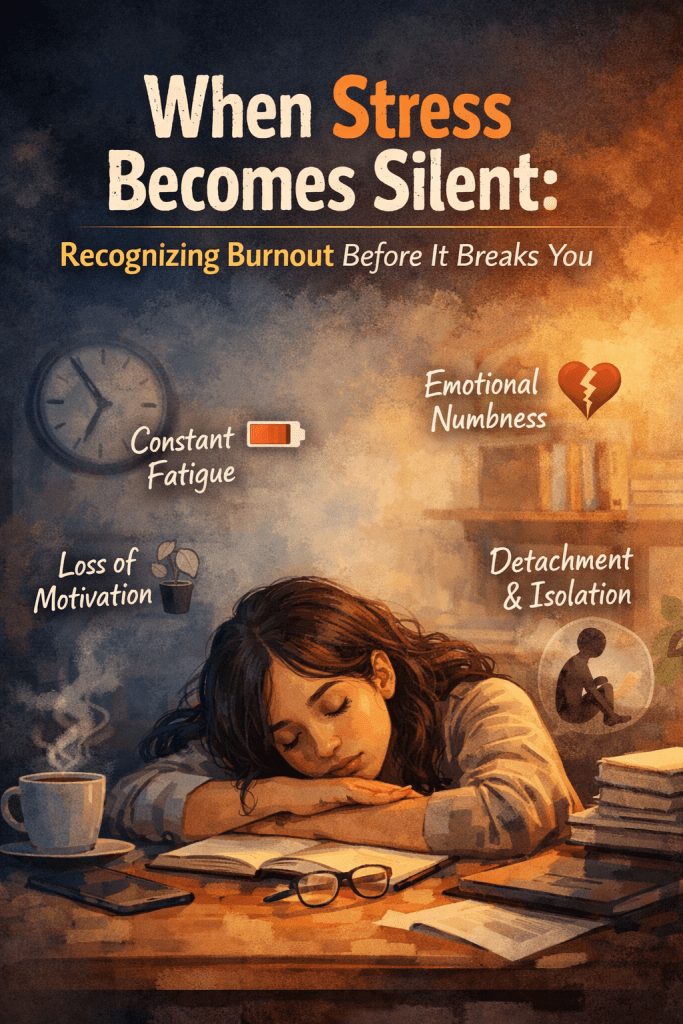
🌪️ What is Burnout?

  • A state of physical, emotional, and mental exhaustion
  • Caused by chronic stress and overwork
  • Signs include:
    • Constant fatigue
    • Lack of motivation
    • Mood swings or irritability
    • Sleep problems
    • Feeling disconnected from work and life

🌱 What is Intentional Living?

  • Living consciously and purposefully
  • Making decisions based on your values, not external pressure
  • Creating a life that feels meaningful and aligned with who you are
  • It’s not about doing more—it’s about doing what matters

💡 Why the Shift?

People are choosing intentional living because:

  • 🧠 Mental health matters more than ever
  • 🧘‍♂️ Work-life balance is now a priority
  • 📵 Digital burnout is real—constant scrolling is draining
  • ❤️ People want meaning, not just money or titles

🌸 Core Principles of Intentional Living

  • Clarity – Know what matters to you
  • Boundaries – Say “no” to what drains your energy
  • Mindfulness – Be present in the moment
  • Simplicity – Less noise, more peace
  • Authenticity – Live your truth, not someone else’s idea of success

🧘 5 Small Steps to Start Today

  1. Reflect – What’s exhausting you right now?
  2. Simplify – Declutter your schedule and your space
  3. Prioritize self-care – Eat well, sleep enough, move your body
  4. Unplug regularly – Spend time without screens
  5. Check in with yourself – Ask: Does this add value to my life?

🔄 The Cultural Shift

We’re seeing a quiet revolution:

  • Professionals leaving the hustle culture behind
  • Young people choosing passion over pressure
  • Families focusing on time together, not just productivity
  • A return to slower, simpler living that feels good on the inside

🌟 Final Thought

Intentional living is not a trend—it’s a tool for a healthier, more meaningful life. In a world that celebrates busy, choosing to live with purpose is a bold, beautiful act.

From burnout to balance, one mindful choice at a time.

The Role of Cortisol in Stress and How to Manage It

In today’s fast-paced world, stress has quietly become part of our daily routine. And behind the scenes of that constant tension? Cortisol — our body’s main stress hormone. While it’s essential for survival in small doses, too much of it for too long can lead to anxiety, weight gain, sleep problems, and even burnout.

The good news? You can naturally lower cortisol with small, doable changes in your routine. Let’s explore some realistic wellness trends that actually help.


🌿 1. Nature Walks Are the New Therapy

What to do: Spend 20–30 minutes walking in a park, beach, or any green space.

Why it works: Nature has a calming effect on the nervous system. Just being around trees or hearing birds can reduce cortisol levels.

Tip: Leave your phone at home or on silent for best results.


💤 2. Prioritize Quality Sleep (Not Just Hours)

What to do: Stick to a regular sleep schedule and avoid screens 1 hour before bed.

Why it works: Poor sleep increases cortisol and makes you more reactive to stress the next day.

Tip: Try a warm shower, low lighting, or calming music before bedtime.


🍵 3. Drink Less Coffee, Try Adaptogens Instead

What to do: Replace your second or third coffee with herbal teas or adaptogens like ashwagandha or tulsi.

Why it works: Too much caffeine can spike cortisol. Adaptogens help your body adapt to stress and calm the system.

Tip: Look for natural teas labeled “stress relief” or “calm.”


🧘 4. Slow Movement = Fast Recovery

What to do: Practice 10 minutes of stretching, yoga, or tai chi daily.

Why it works: Gentle movement lowers stress hormones without exhausting the body, unlike intense workouts that can raise cortisol if overdone.

Tip: Don’t overthink it—just move slowly and breathe deeply.


✍️ 5. Journaling = Emotional Detox

What to do: Write down your worries, wins, or simply how you feel.

Why it works: Expressing emotions on paper helps clear mental clutter and reduces the need for the brain to “hold it all in.”

Tip: Try a simple prompt: “What’s making me feel tense today?”


👥 6. Limit Time with Energy Drainers

What to do: Notice who uplifts you and who drains you—adjust your time accordingly.

Why it works: Toxic conversations and people raise cortisol unconsciously.

Tip: Set boundaries guilt-free. Protecting your peace is part of self-care.


📱 7. Digital Detox Moments

What to do: Take intentional breaks from screens, especially social media.

Why it works: Doom-scrolling and constant notifications overstimulate the brain and trigger cortisol release.

Tip: Try “no-screen mornings” or “silent Sunday afternoons.”


🧠 8. Mindfulness Over Multitasking

What to do: Do one thing at a time—eat, walk, or even talk without checking your phone or rushing.

Why it works: Multitasking keeps your brain in constant alert mode. Mindfulness brings calm and clarity.

Tip: Start with mindful eating—focus on the taste, not the screen.


🙌 9. Gratitude is a Game-Changer

What to do: End your day listing 3 things you’re grateful for.

Why it works: Gratitude shifts your focus from what’s wrong to what’s right—naturally lowering stress levels.

Tip: Keep a “small wins” journal. It builds emotional resilience over time.


🌈 Final Thought:

You don’t need expensive supplements or hours at the gym to fight stress. The real magic is in simple, intentional living. These small wellness habits might not trend forever—but their positive effect on your cortisol levels will definitely last.