🌿 Stillness is Strength: The Power of Doing Nothing

In today’s fast-paced world, doing nothing is often misunderstood as laziness or a waste of time. But in reality, stillness is a hidden strength.


🌸 What Is Stillness?

  • It means mental and physical rest.
  • It’s about being present without constant activity.
  • Stillness doesn’t mean inactivity—it means intentional rest.

🌟 Why Stillness Matters

  • Restores mental energy and reduces fatigue.
  • Improves focus and clarity.
  • Helps you listen to your inner voice.
  • Creates space for creativity and problem-solving.

💥 The Power of Doing Nothing

  • Your brain needs quiet time to recharge.
  • Moments of stillness lower stress and anxiety.
  • Helps you respond calmly instead of reacting impulsively.
  • It builds emotional strength and patience.

📌 Real-World Examples

  • Great thinkers like Einstein and Newton had breakthroughs during quiet moments.
  • Many CEOs and leaders schedule “thinking time” daily.
  • Artists, writers, and creators often find ideas in silence.

🧘 Simple Ways to Practice Stillness

  1. Take short breaks during the day—no phone, no tasks.
  2. Sit quietly for 5–10 minutes every morning or night.
  3. Go for a silent walk in nature.
  4. Try mindful breathing or meditation.
  5. Schedule time to just “be” instead of always “doing.”

💡 Final Thought

In a world that praises constant hustle, doing nothing is a radical act of self-care. Stillness helps you recharge, reconnect, and rediscover your true strength. Remember, you don’t always need to move to make progress.

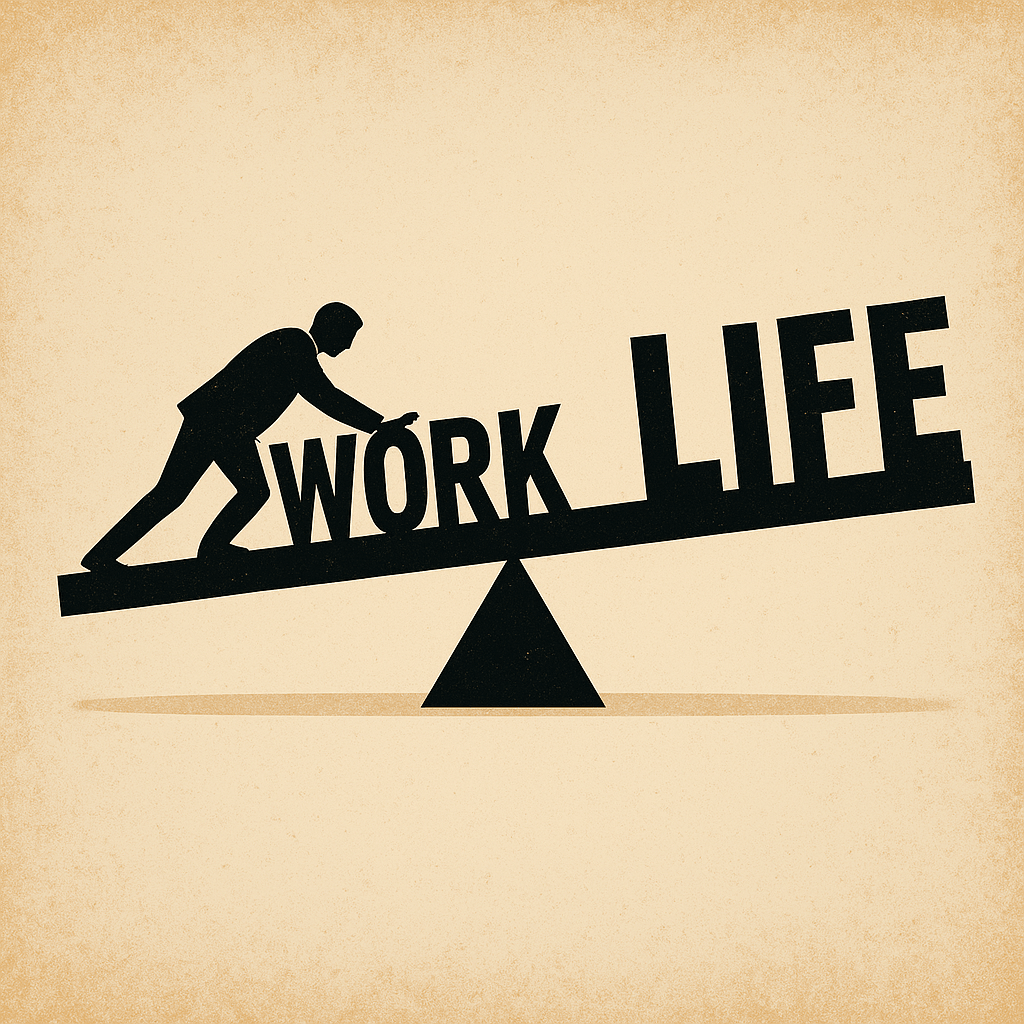
Work-Life Balance Is a Myth

1. Why Work-Life Balance Feels Impossible

  • The idea of perfectly splitting work and personal life is unrealistic.
  • Life and work often overlap, especially in demanding jobs like nursing, teaching, or entrepreneurship.
  • Example: A nurse working night shifts may have to attend family needs during the day, making “balance” tricky.

2. Work-Life Integration: A More Realistic Goal

  • Instead of strict separation, aim to blend work and life in a way that fits your unique situation.
  • This means adjusting priorities as needed rather than forcing equal time on both.
  • Example: Working from home some days to care for children, then fully focusing on work on other days.

3. Set Boundaries That Work for You

  • Boundaries don’t mean 50/50 time but protecting what’s important.
  • It could be “no work emails after 8 PM” or dedicating certain hours to family or hobbies.
  • Example: A teacher might decide weekends are for family only, even if some grading spills over.

4. Focus on Quality, Not Quantity

  • Spending “quality” focused time with family or on hobbies is better than counting hours.
  • Deeply engaging with what matters can recharge you more than a balanced schedule.
  • Example: A nurse might have only a few hours with family but makes it meaningful by fully unplugging.

5. Flexibility Is Key

  • Life is unpredictable—sometimes work demands more, sometimes personal life does.
  • Being flexible helps reduce stress and guilt over “not balancing perfectly.”
  • Example: During a hospital emergency, a nurse may work extra hours but then take a few days off.

6. Use Small Daily Rituals to Recharge

  • Simple habits like meditation, short walks, or journaling can boost mental health daily.
  • These little breaks help keep you balanced inside, even when life is hectic.
  • Example: A busy professional might take 10 minutes every morning to plan their day mindfully.

7. Ask for Support When Needed

  • Don’t hesitate to seek help from family, friends, or colleagues to manage demands.
  • Sharing responsibilities lightens your load and creates a support network.
  • Example: A working mom might ask a partner to handle dinner on work-heavy days.

8. Celebrate Small Wins

  • Recognize your achievements in both work and life to stay motivated.
  • Balance isn’t perfect—small successes matter and keep you moving forward.
  • Example: Finishing a tough project at work and attending a child’s school event in the same week.

Conclusion: Aim for Harmony, Not Balance

  • Instead of chasing an unrealistic perfect balance, focus on harmony between your work and personal life.
  • Be kind to yourself, stay flexible, and prioritize what truly matters.
  • This mindset shift can reduce stress and help you thrive both professionally and personally.

Success Without Burnout: The New Work-Life Balance

We all want to succeed, but too often, success comes at the cost of exhaustion, stress, and burnout. The good news? You don’t have to choose between success and well-being. A new approach to work-life balance is emerging—one that prioritizes both productivity and peace of mind.

Here’s how you can achieve success without burning out:

1. Redefine Success

  • Success isn’t just about long hours and hustle.
  • Focus on meaningful progress rather than overworking yourself.
  • Ask yourself: What does success really mean to you?

2. Work Smarter, Not Harder

  • Prioritize high-impact tasks instead of trying to do everything.
  • Use the 80/20 rule—focus on the 20% of tasks that bring 80% of results.
  • Batch similar tasks to save mental energy.

3. Set Clear Boundaries

  • Define work hours and stick to them.
  • Say no to tasks that drain you without adding value.
  • Avoid checking emails and messages after work hours.

4. Take Breaks (They Boost Productivity!)

  • Short breaks improve focus and creativity.
  • Try the Pomodoro Technique: Work for 25 minutes, then take a 5-minute break.
  • Step away from screens—take a walk, stretch, or meditate.

5. Prioritize Self-Care

  • Get enough sleep—it’s non-negotiable for peak performance.
  • Eat nutritious foods and stay hydrated.
  • Exercise regularly to boost energy and reduce stress.

6. Embrace Rest as a Productivity Tool

  • Resting isn’t being lazy—it helps you perform better.
  • Schedule time for hobbies, relaxation, and socializing.
  • A well-rested mind is more creative and efficient.

7. Learn to Delegate

  • You don’t have to do everything alone.
  • Delegate tasks at work and home to free up time.
  • Focus on what only you can do and let others help with the rest.

8. Disconnect to Recharge

  • Limit screen time to avoid mental exhaustion.
  • Unplug from work-related notifications during downtime.
  • Take vacations and fully disconnect from work—you’ll return more refreshed.

9. Find Joy in the Process

  • Celebrate small wins instead of just chasing big goals.
  • Enjoy the journey instead of constantly stressing about the destination.
  • Success isn’t just about achievement—it’s about enjoying life along the way.

10. Listen to Your Body and Mind

  • Pay attention to signs of burnout: fatigue, stress, lack of motivation.
  • If you feel drained, take a step back and adjust your approach.
  • Remember: Your well-being comes first—success will follow.

Final Thoughts

Success and well-being can go hand in hand. By working smarter, setting boundaries, and prioritizing rest, you can achieve your goals without burning out. The key? Sustainable productivity and a balanced life.

👉 Which of these tips do you struggle with the most? Let me know in the comments! 😊