💔You Are Your Own Strength

1. Tough Times Are Real, and So Is Loneliness

  • When life gets difficult, you may feel isolated—even when people are around.
  • Friends and family may care, but they can’t always feel what you’re feeling.
  • It’s during these moments that you truly understand: the strongest support comes from within.

2. Don’t Expect Others to Save You

  • People may promise support, but they have their own struggles too.
  • Some will disappear when things get dark—don’t take it personally.
  • Learn to rely on yourself emotionally and mentally.

3. You Are Your Own Constant

  • Life changes, people change, situations change—but you stay.
  • You live with your thoughts, your feelings, and your healing.
  • Become your own best friend and safe space.

4. Tough Times Teach Self-Reliance

  • Pain teaches you strength.
  • You learn to cope, adapt, and rise—because you have to.
  • You start discovering inner power you never knew you had.

5. It’s Okay to Ask for Help, But Don’t Depend on It

  • Reaching out is healthy—but don’t expect anyone to carry your burden fully.
  • People can guide or listen, but only you can walk your path.

6. Grow Through the Pain, Don’t Just Go Through It

  • Every tough time is a chance to evolve.
  • Learn from the silence, the rejections, and the heartaches.
  • Use pain as fuel for personal transformation.

7. Celebrate Yourself for Surviving

  • Even if no one noticed your silent battles, you won them.
  • Give yourself credit for showing up, even when it was hard.
  • You are enough. You are strong. You are healing.

Final Thought:

“At the end of the day, the one who stands by you through every breakdown and breakthrough—is YOU.”

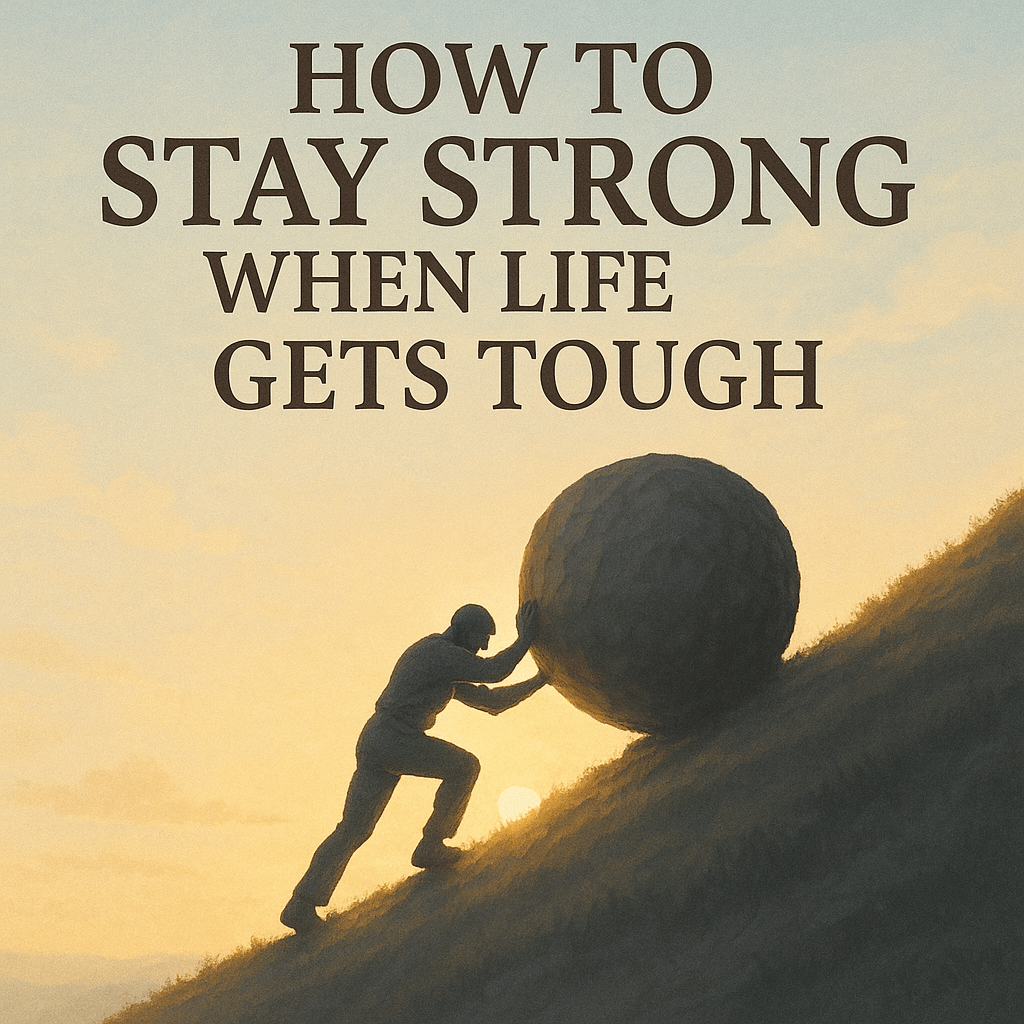
How to Stay Strong When Life Gets Tough

Mental toughness is the ability to stay strong, focused, and calm—even when life gets difficult. It doesn’t mean you’re emotionless, but that you don’t give up easily. Here’s how you can build it step by step:


1. Start Your Day with Purpose

  • Wake up with a plan or goal in mind.
  • Avoid immediately checking your phone.
  • Take 5 minutes to reflect or set your intention for the day.

2. Do Difficult Things First

  • Tackle your most challenging task early.
  • This builds confidence and discipline.
  • It also reduces stress for the rest of the day.

3. Practice Self-Control

  • Learn to say “no” when needed.
  • Avoid emotional outbursts—pause and breathe.
  • Respond, don’t react.

4. Accept What You Can’t Control

  • Don’t waste energy on things outside your control (like traffic or other people’s opinions).
  • Focus on your actions and attitude.

5. Stay Positive, But Realistic

  • Positive thinking helps—but don’t ignore problems.
  • Learn to say: “This is hard, but I can handle it.”

6. Learn from Mistakes

  • Don’t fear failure; use it as a teacher.
  • Ask yourself: What can I learn from this?
  • Keep moving forward, even after a setback.

7. Keep Promises to Yourself

  • Do what you say you’ll do, even when it’s hard.
  • This builds self-respect and inner strength.

8. Take Care of Your Body

  • Eat well, sleep enough, and exercise regularly.
  • A strong body supports a strong mind.

9. Surround Yourself with Positive People

  • Be around those who uplift and challenge you.
  • Limit time with negative or toxic influences.

10. Practice Gratitude Daily

  • Write down 3 things you’re thankful for.
  • Gratitude builds resilience and peace of mind.

Final Thought:

Mental toughness isn’t about being perfect—it’s about staying steady during ups and downs. Build it slowly, one small action at a time. Over time, you’ll notice you’re stronger, calmer, and more confident in whatever life throws at you.