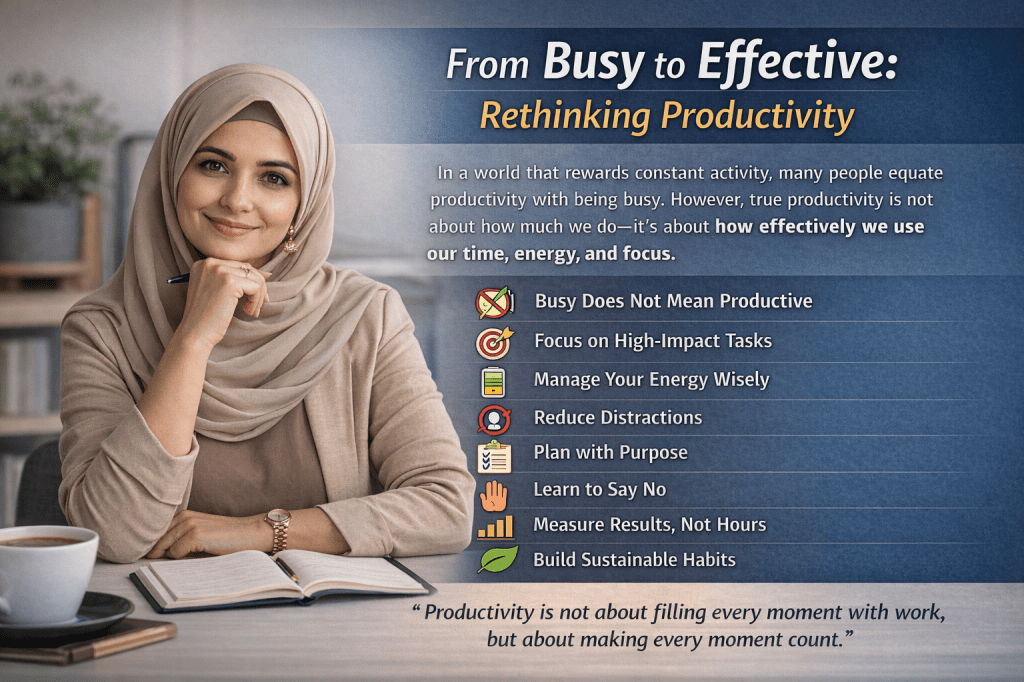
Adjust Your Priorities Based on What Truly Matters to You

Living a purposeful life starts with aligning your priorities with what truly matters.


1. Reflect on What’s Important

  • Regularly assess what truly matters to you (family, health, career, relationships).
  • Write down your core values and use them as a guide to evaluate your priorities.

2. Review How You Spend Your Time

  • Track how you spend your day to identify if your time is spent on what aligns with your values.
  • Cut back on activities that drain your energy and time but offer little reward.

3. Align Your Goals with Your Values

  • Set specific goals that reflect your values, like improving health, building relationships, or learning new skills.
  • Break down large goals into smaller, manageable steps to keep yourself on track.

4. Learn to Say No

  • Saying no is empowering. Don’t feel guilty about turning down things that don’t align with your goals.
  • Protect your time by saying no to unnecessary tasks, obligations, or events that don’t add value.

5. Make Time for What Brings You Joy

  • Schedule time for activities that make you happy—whether it’s hobbies, exercise, or spending time with loved ones.
  • Focus on the present moment and enjoy the simple things that bring you peace.

6. Let Go of Perfectionism

  • Understand that things don’t need to be perfect to be valuable.
  • Focus on progress, not perfection. Mistakes are part of growth.

7. Practice Self-Care

  • Prioritize sleep, healthy eating, and exercise to maintain physical health.
  • Take regular breaks to avoid burnout and recharge your energy.

8. Regularly Review and Adjust

  • Life changes, and so should your priorities. Reevaluate them regularly to stay on track.
  • Be open to change and allow your priorities to evolve as you grow.

9. Delegate or Share Responsibilities

  • Don’t try to do everything on your own. Delegate tasks to others when possible to free up time for what matters most.
  • Trust others with responsibilities, whether at work or home, to reduce stress.

10. Focus on One Thing at a Time

  • Avoid multitasking, which can dilute your attention and energy. Focus on one task or priority at a time.
  • Deep work on a single task leads to better results and a greater sense of accomplishment.

11. Surround Yourself with Positive Influences

  • Spend time with people who uplift and inspire you.
  • Limit time with people who drain your energy or distract you from your goals.

12. Embrace Flexibility

  • Life is unpredictable. Be willing to adjust your priorities when necessary.
  • Flexibility allows you to respond to opportunities or challenges without feeling overwhelmed.

13. Stay True to Yourself

  • Don’t chase after other people’s dreams or priorities. Stay true to what makes you feel fulfilled.
  • Be authentic in your choices, whether in personal or professional settings.

14. Celebrate Achievements, Big and Small

  • Celebrate your progress, even if it’s a small step forward. It boosts motivation and reinforces positive behavior.
  • Reflect on the accomplishments you’ve made along the way to remind yourself of your growth.

15. Let Go of Guilt

  • Don’t feel guilty for prioritizing yourself or saying no to others. Your well-being should come first.
  • Let go of the need to please everyone and focus on what’s best for you and your goals.

Conclusion

Adjusting your priorities based on what truly matters is essential for living a fulfilling life. By reflecting on your values, making time for what brings joy, and regularly reviewing your priorities, you can create a life that aligns with your deepest needs and aspirations. Focus on what’s truly important, and let go of distractions that don’t serve you.

Balancing Work and Life: Strategies for Sustaining Productivity Without Burnout

In the fast-paced and demanding landscape of modern work, achieving a balance between professional responsibilities and personal well-being is more critical than ever. Maintaining productivity without succumbing to burnout requires strategic planning and a commitment to one’s overall welfare. In this blog, we’ll explore strategies for achieving this delicate equilibrium, drawing inspiration from the real-life examples of today’s influential leaders.

Real-Life Examples:

  1. Elon Musk – Time Blocking:
    • Example: Elon Musk, CEO of Tesla and SpaceX, is known for managing his time meticulously.
    • Strategy: Adopt the time-blocking technique. Allocate specific time slots to different tasks, allowing for focused work while ensuring time for personal life.
  2. Sheryl Sandberg – Prioritization:
    • Example: Sheryl Sandberg, Facebook’s COO, emphasizes the importance of prioritizing tasks.
    • Strategy: Identify high-priority tasks and focus on those first. This approach ensures that essential responsibilities are addressed without feeling overwhelmed.
  3. Richard Branson – Flexible Work Hours:
    • Example: Richard Branson, founder of the Virgin Group, advocates for flexible work schedules.
    • Strategy: Negotiate for flexible work hours when possible. This flexibility enables a better integration of work and personal life, reducing stress.
  4. Oprah Winfrey – Mindfulness Practices:
    • Example: Oprah Winfrey, media mogul and philanthropist, attributes her balance to mindfulness practices.
    • Strategy: Incorporate mindfulness into daily routines, such as meditation or mindfulness exercises, to foster mental well-being.
  5. Bill Gates – Continuous Learning:
    • Example: Bill Gates, co-founder of Microsoft, emphasizes the importance of continuous learning.
    • Strategy: Cultivate a mindset of continuous learning. Embrace new skills and knowledge to stay adaptable in the ever-evolving professional landscape.

Strategies for Balancing Work and Life:

  1. Set Clear Boundaries:
    • Clearly define work hours and personal time to avoid the blurring of boundaries. Communicate these limits to colleagues and family.
  2. Establish Priorities:
    • Identify tasks that align with long-term goals and prioritize them. This prevents the feeling of being constantly overwhelmed by a myriad of responsibilities.
  3. Take Breaks:
    • Schedule regular breaks during the workday. Short breaks can refresh the mind and enhance overall productivity.
  4. Delegate Effectively:
    • Learn to delegate tasks. Effective delegation distributes the workload and prevents burnout from taking on too much.
  5. Embrace Technology Mindfully:
    • Leverage technology for efficiency but set boundaries. Establish specific times for checking emails and notifications to avoid constant connectivity.
  6. Invest in Self-Care:
    • Prioritize self-care activities. Whether it’s exercise, meditation, or hobbies, investing time in personal well-being contributes to overall resilience.
  7. Communicate Openly:
    • Foster open communication with colleagues and family. Express your limitations and seek support when needed.
  8. Learn to Say No:
    • Understand that it’s okay to decline additional commitments when your plate is full. Saying no is a powerful tool for maintaining balance.
  9. Set Realistic Goals:
    • Establish achievable and realistic goals to avoid unnecessary stress. Break down larger tasks into manageable steps to make progress more sustainable.
  10. Cultivate a Supportive Network:
    • Surround yourself with a supportive network of colleagues, friends, and family. Having a strong support system can provide encouragement during challenging times.
  11. Regular Reflection:
    • Schedule regular moments of reflection to assess your work-life balance. Adjust goals and strategies as needed to maintain a healthy equilibrium.
  12. Vacation and Downtime:
    • Plan regular vacations and downtime to recharge. Taking breaks is crucial for long-term productivity and well-being.
  13. Skillful Time Management:
    • Hone your time management skills. Prioritize tasks based on urgency and importance, allowing for effective time allocation.
  14. Establish a Dedicated Workspace:
    • Create a dedicated workspace at home if working remotely. This helps in mentally transitioning between work and personal life.
  15. Physical Exercise:
    • Incorporate regular physical exercise into your routine. Exercise not only contributes to physical well-being but also positively impacts mental health.
  16. Engage in Hobbies:
    • Pursue hobbies and activities you enjoy outside of work. Engaging in activities you love brings joy and balance to your life.
  17. Family Time:
    • Prioritize quality time with family. Establish rituals or routines that allow for meaningful connections amidst busy schedules.
  18. Mindful Eating:
    • Practice mindful eating. Taking the time to enjoy and savor meals contributes to both physical health and a mindful approach to daily life.
  19. Professional Development:
    • Invest in professional development opportunities. Continuous growth can lead to increased job satisfaction and a sense of accomplishment.
  20. Gratitude Practice:
    • Cultivate a gratitude practice. Reflecting on positive aspects of your life fosters a positive mindset, even during challenging times.

Incorporating these additional strategies, inspired by the practices of influential personalities, can further enhance your ability to balance work and life effectively.